
Prairie Notes #238 - A Spring Runs Through It

Prairie Notes are monthly photo/journal observations from Tandy Hills Natural Area by Founder/Director, Don Young. They include field reports, flora and fauna sightings, and more, mixed with a scoop of dry humor and a bit of philosophy.
They are available free to all who get on the FOTHNA email list.
A Spring Runs Through It
Prairie Notes #238
October 1, 2026
1) A Spring Runs Through It
2) Field Report - September
3) New Species Report - September
4) Newsworthy & Noteworthy
5) Roadkill Elegies
6) Giving Day Report
7) PrairieSky / StarParty Report
8) Prairie Proverb - Archimedes
1) A Spring Runs Through It
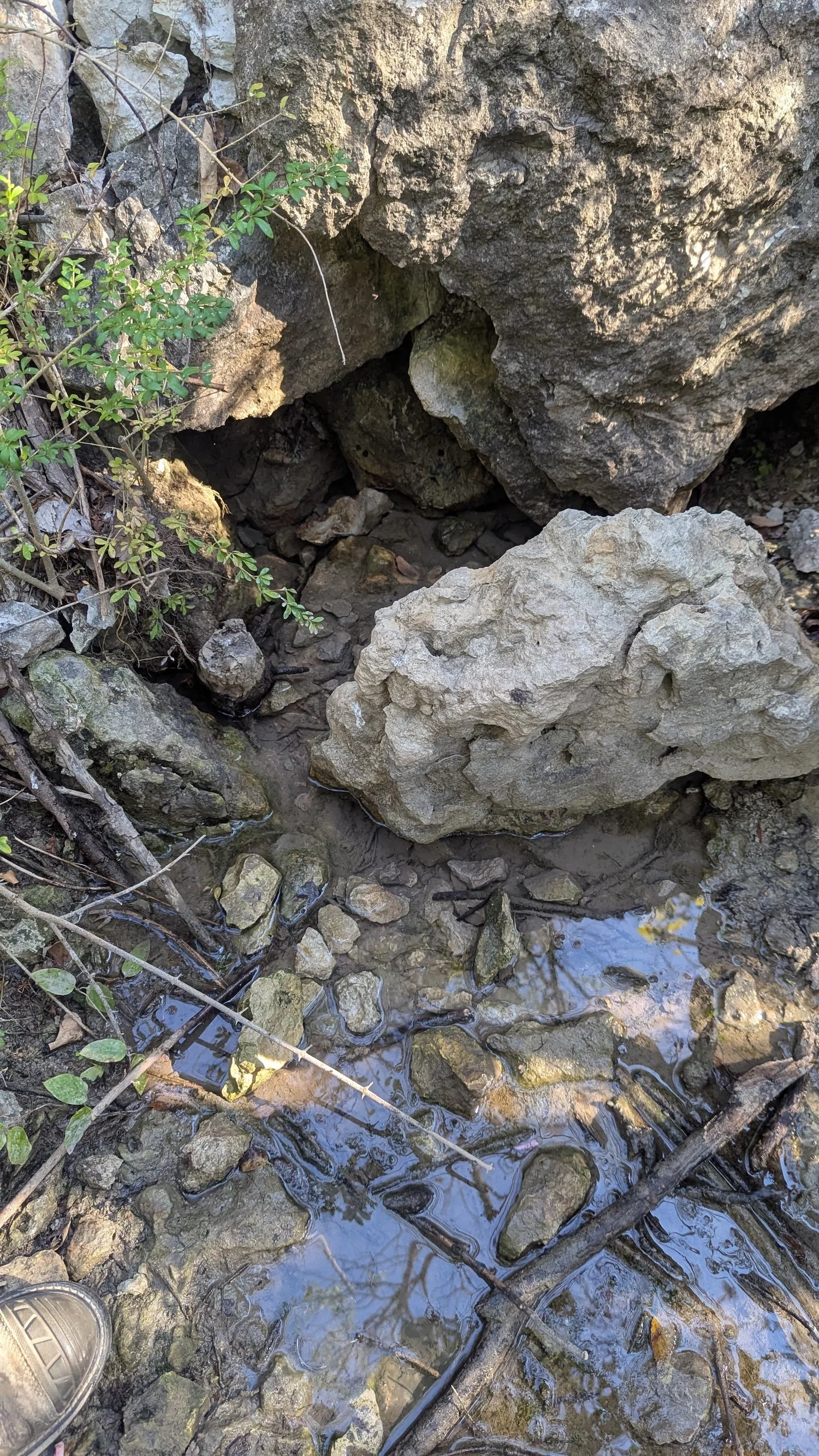
After hiking it for more than 50 years, I pride myself on knowing every inch of Tandy Hills. One thing I always tell people is that we have thousands of species and beautiful hilly views, but alas, no water. The closest water to Tandy Hills is the Trinity River about a half mile north. Aside from a few moist seeps and seasonal rain, creek run-offs, this place is pretty dry. That’s what I used to say. But thanks to a new discovery in mid-September, we now know that there is a spring.
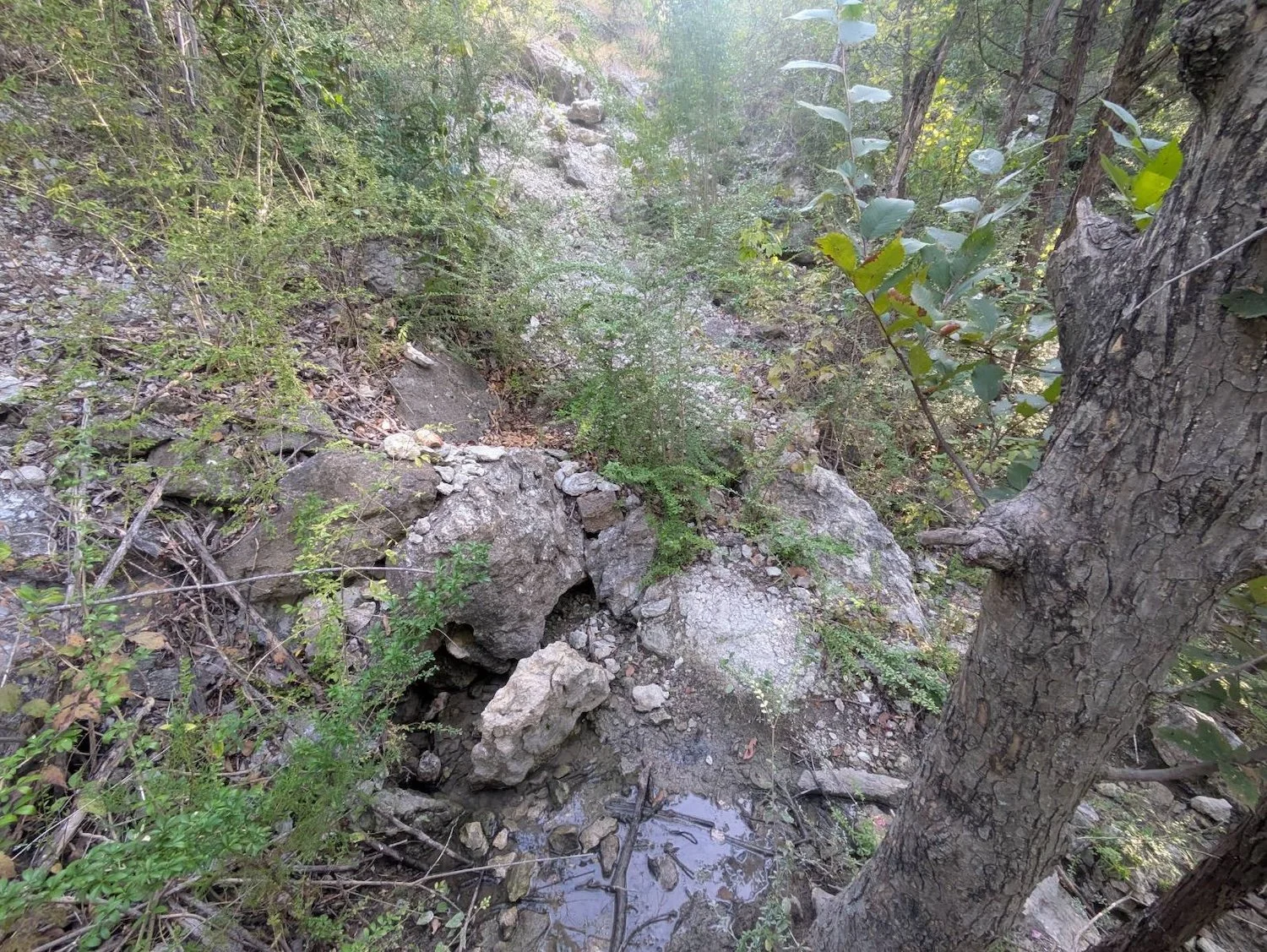
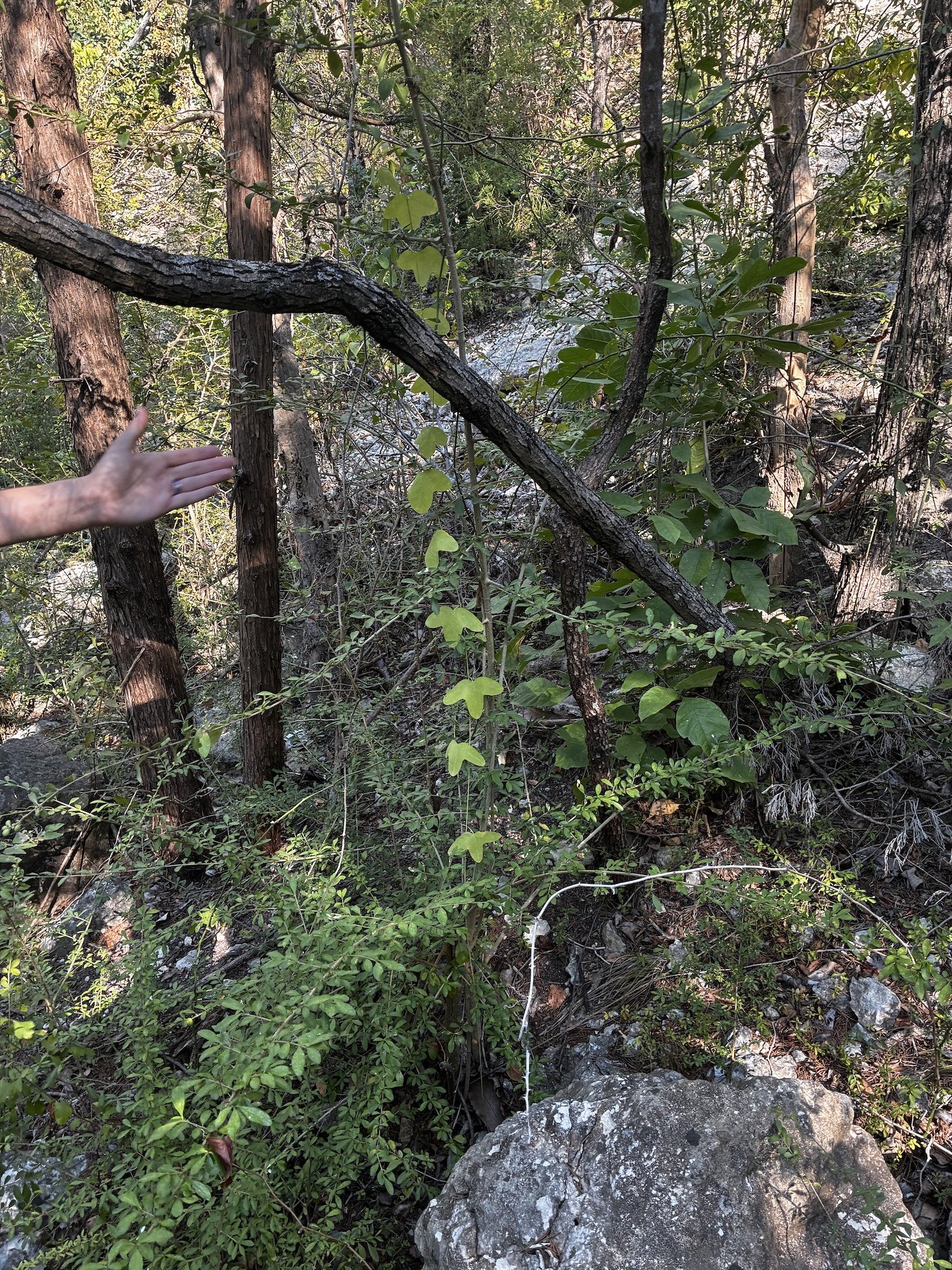
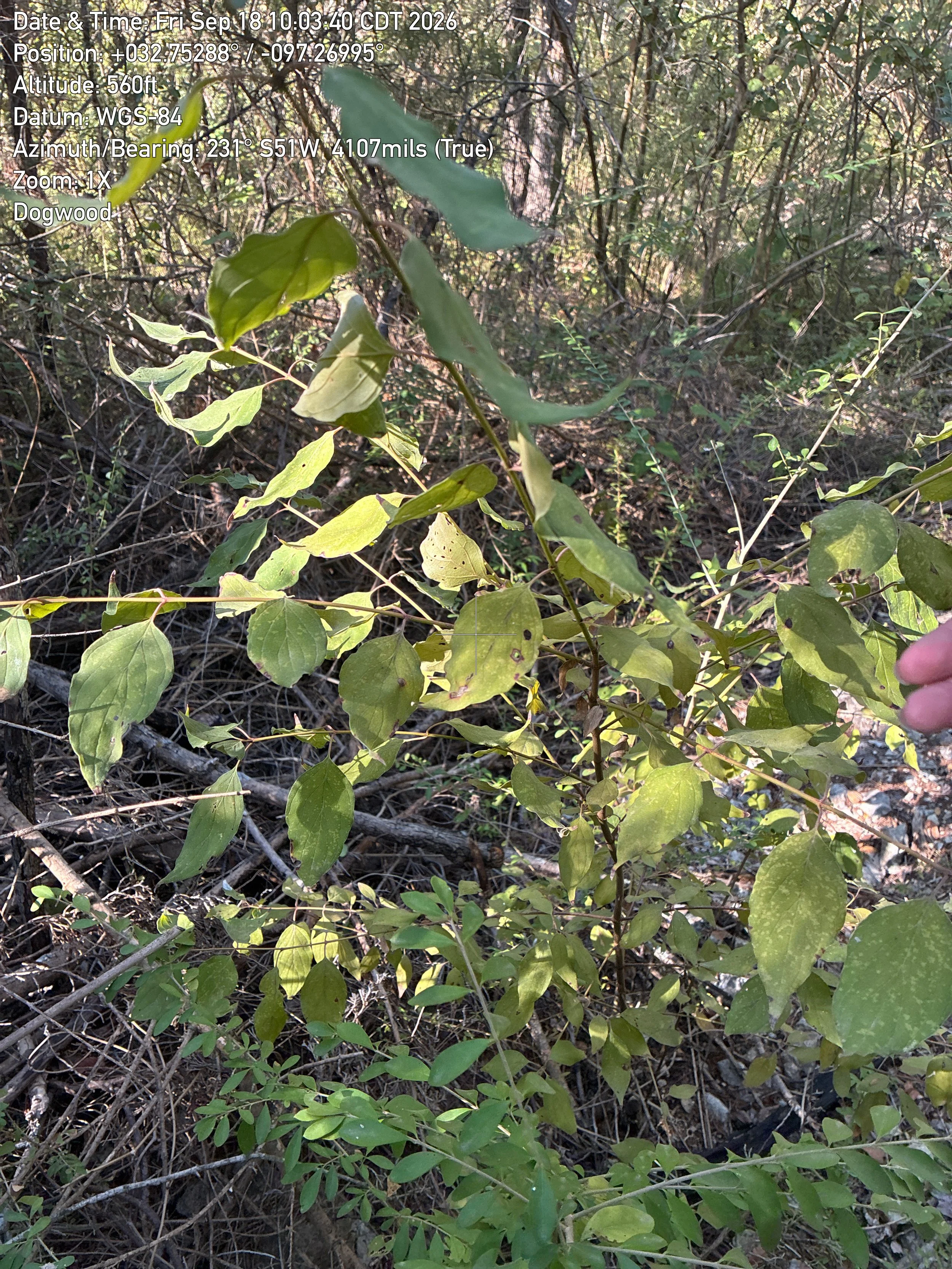
You read that right. There is a spring at Tandy Hills. Not a big gusher like Old Faithful, but gently flowing, clear water from underground. The spring was found by the new crew that has been hired by the FW Park & Rec Department to map and build new trails on Broadcast Hills (BH) and connect them with existing trails at Tandy Hills (TH). According to Rob Tyler, a biologist with Ecosystem Regeneration Artisans (ERA):
“The rock formations there were indicative of a fault and we identified plants more preferential to wetlands such as Rough-leaf Dogwood and a mature Willow, as well as American Elm and Cottonwood.”
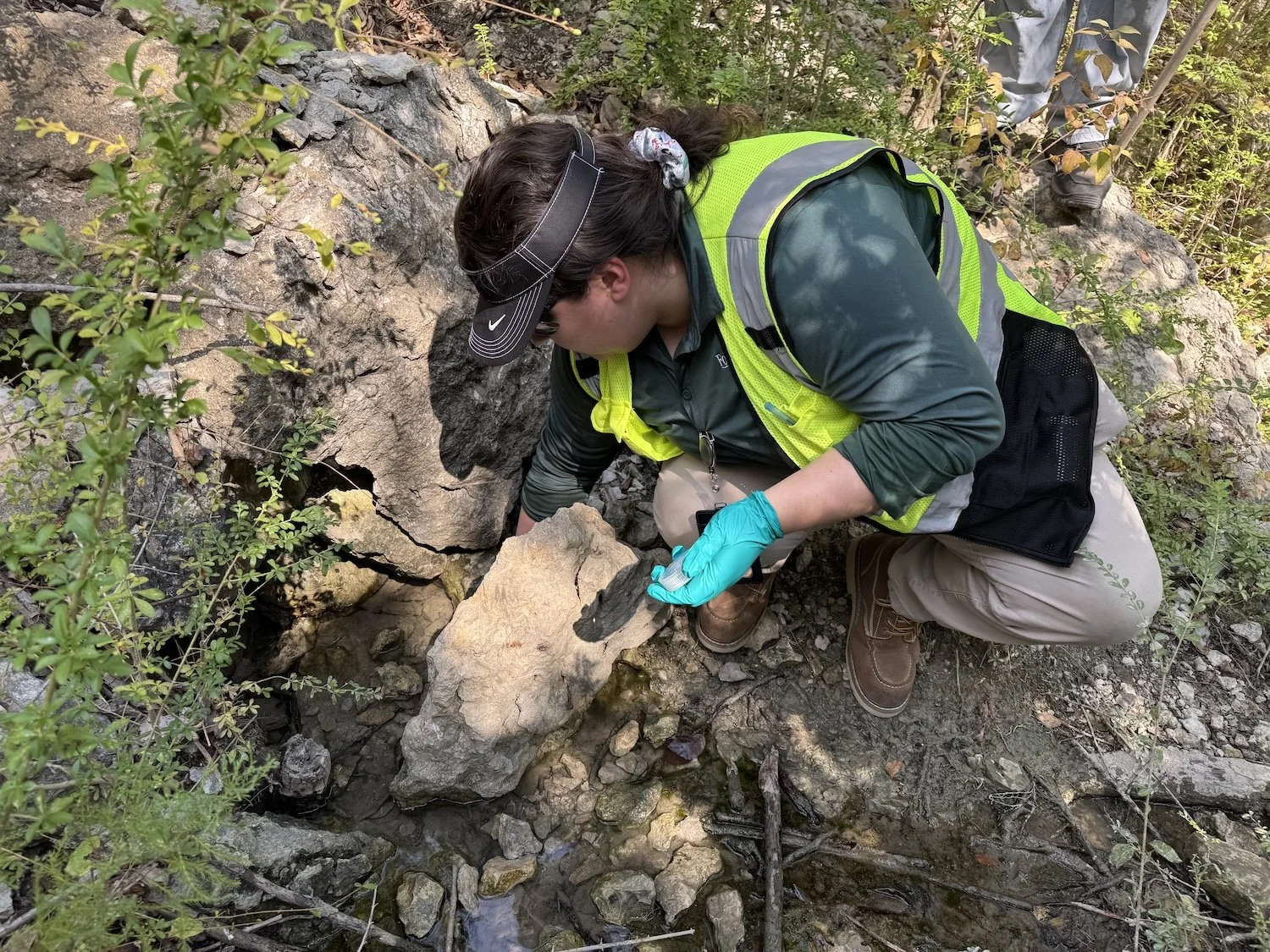
After hearing this exciting and unexpected news, I contacted, Megan Paliwoda, Senior Environmental Specialist for the City of FW. She visited the site on 9/23/2026 and took water samples for testing. We were wanting to test the water for purity and to confirm it was not just a leaky pipe from the surrounding neighborhood. Her initial field test results confirmed that the water was “very likely ground/spring water”, and showed the following:
Chlorine was 0.01; pH 7.52; Conductivity 570; Turbidity 5.92NTU; Ammonia 0.00; E. coli 275.5 MPN (high but expected with a low flow)
Native peoples no doubt knew of the spring as did the wildlife. Check out this quote from the book, “Springs of Texas”, 2nd ed. by Gunnar Brune (Hat tip to Jan Miller.):
“Many thousands of years ago Clovis man and other prehistoric people camped at the abundant springs in Tarrant County. In the early eighteenth century the Wichitas of the High Plains were forced into Texas by the hostile Osages and Comanches. For a time they occupied the spring sites in Tarrant County. By the 1840's, when white settlement of Tarrant County began, many remnants of tribes which had been forced out of more eastern areas were living along the spring-fed streams. These included Cherokees, Creeks, Seminoles, Caddoes, Kickapoos, Shawnees, and Anadarkos.”
We are very grateful to ERA for re-discovering the spring for us. Learn more about them and their progress here in future issues of Prairie Notes.
As always, thanks for reading these Prairie Notes and supporting Friends of Tandy Hills Natural Area. Your donations are welcome HERE.
DY
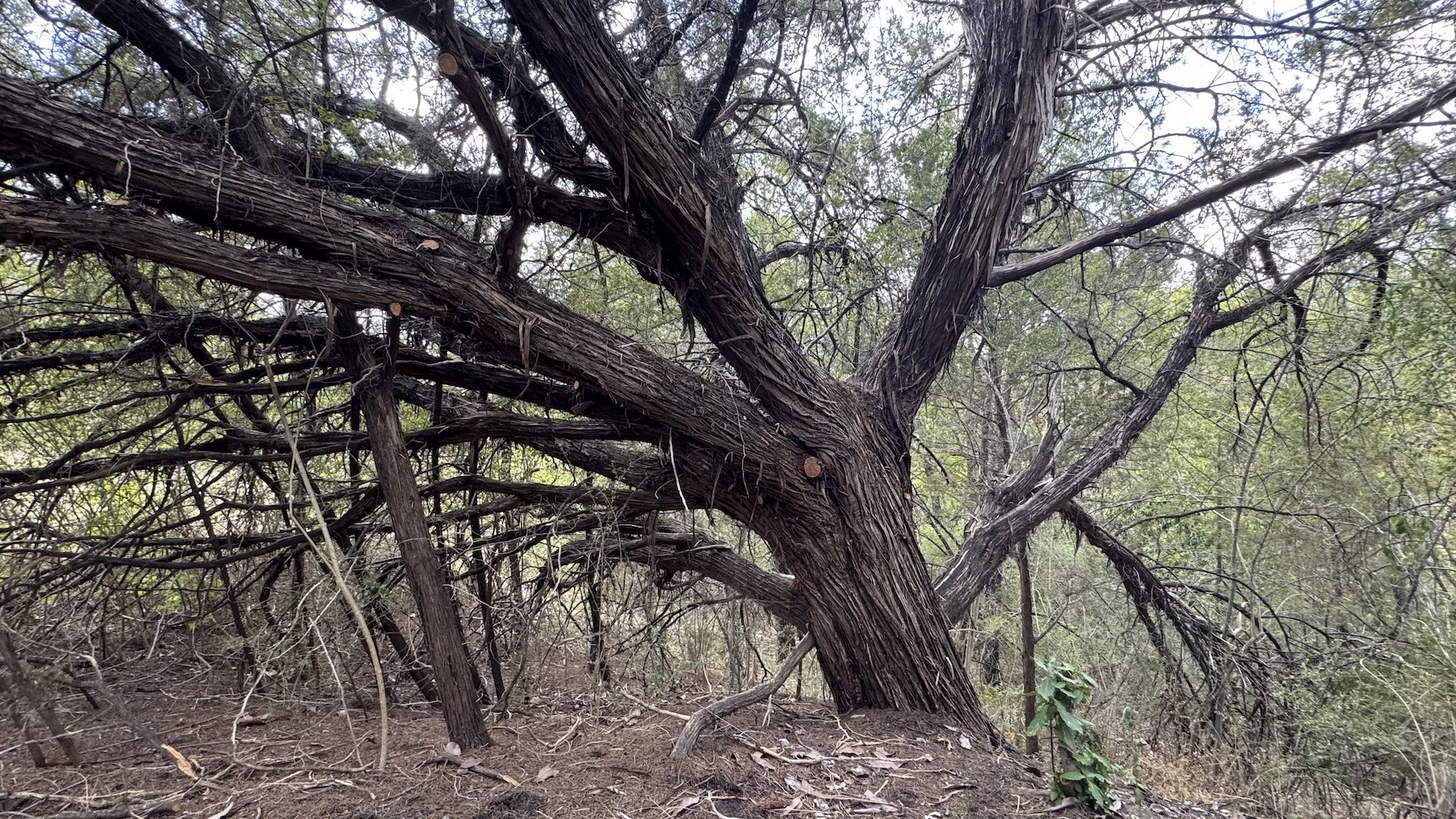
Shannon Brown and Rob Tyler discovered a viable spring in a very remote area while mapping out trails on Broadcast Hill. This a first for Tandy Hills.
2) Field Report - September
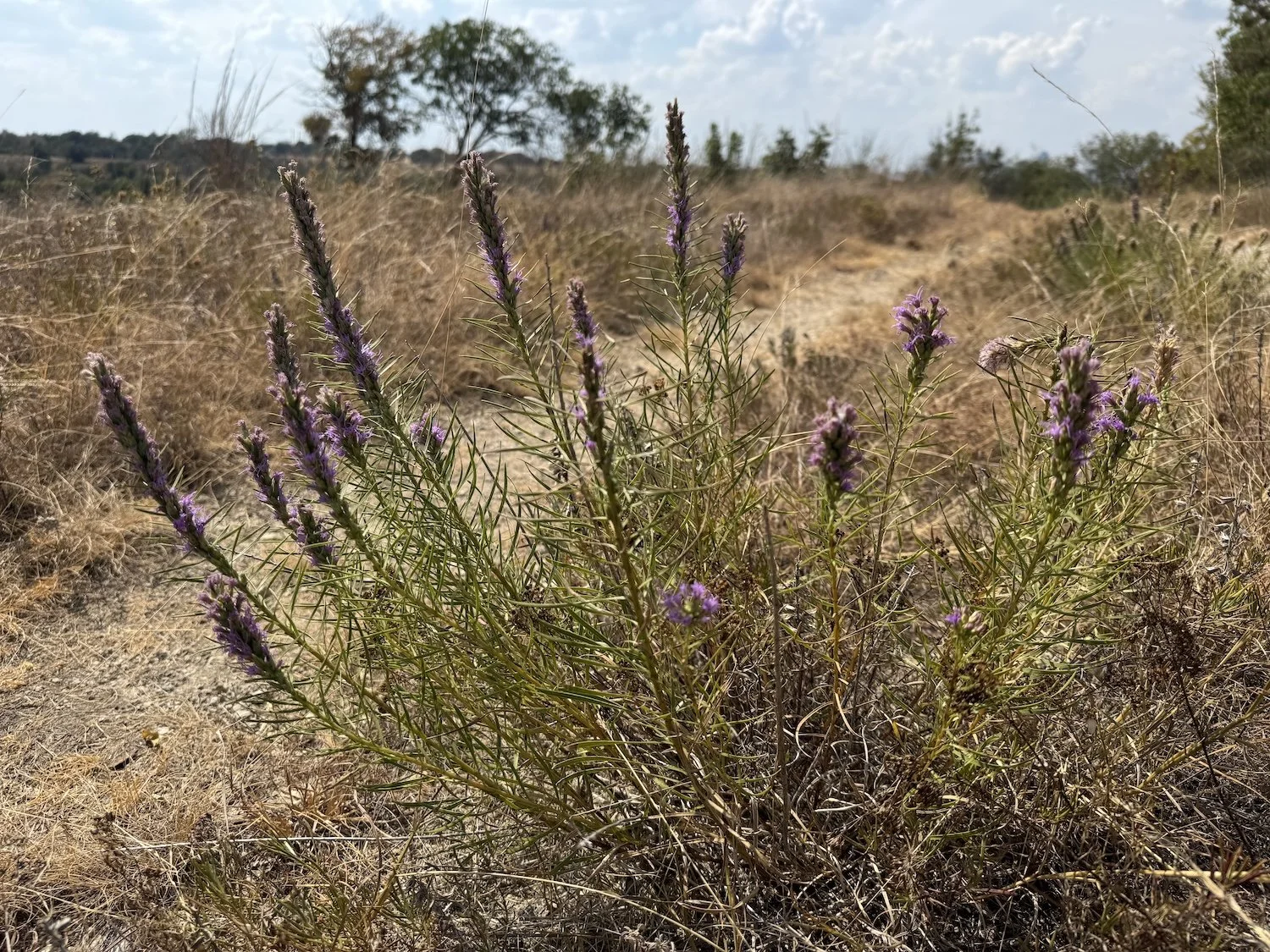
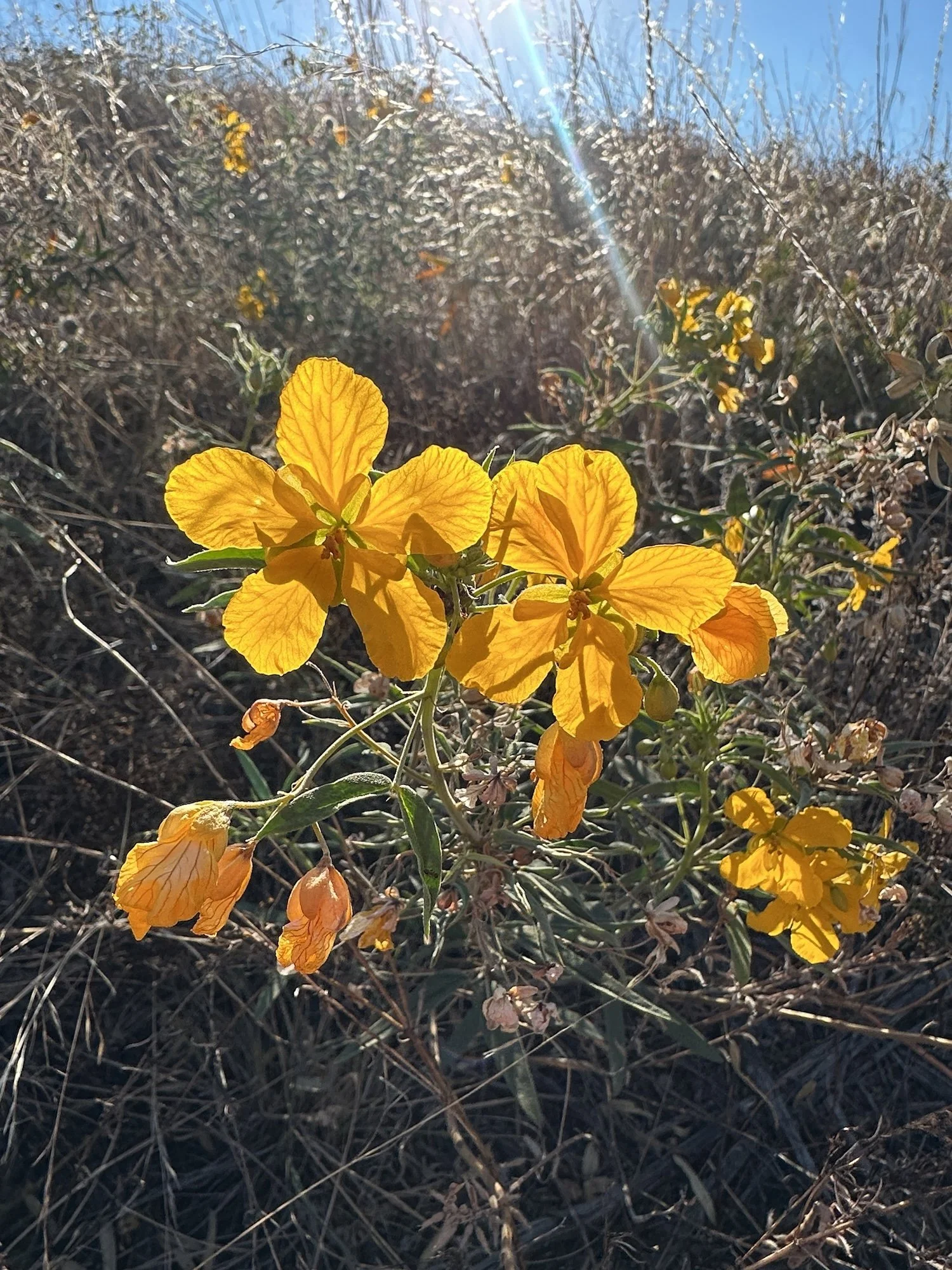
It rained on September 24th! After about 2 months of nothing, we finally got about 3/8” of rain. The temps are gradually going down but the natural area is still very dry but, heavy rain is imminent. With the fall migration in full swing, the sky above Tandy Hills has been crowded with critters. Dozens of bird species, and more, are passing through. A less welcome invasion of Hackberry Leafroller Moths also occurred in September, just as they did in 2022. Finally, I saw my first Monarch butterfly of the season on, 9/25/2026. The pics below prove that it’s not as dead out here as you might expect.
Click on pics for a fuller experience.
A handsome and thirsty, Cooper’s Hawk, spent a lot of time in our birdbath across from Tandy Hills in September.
Heavenly sunset on September 5th.
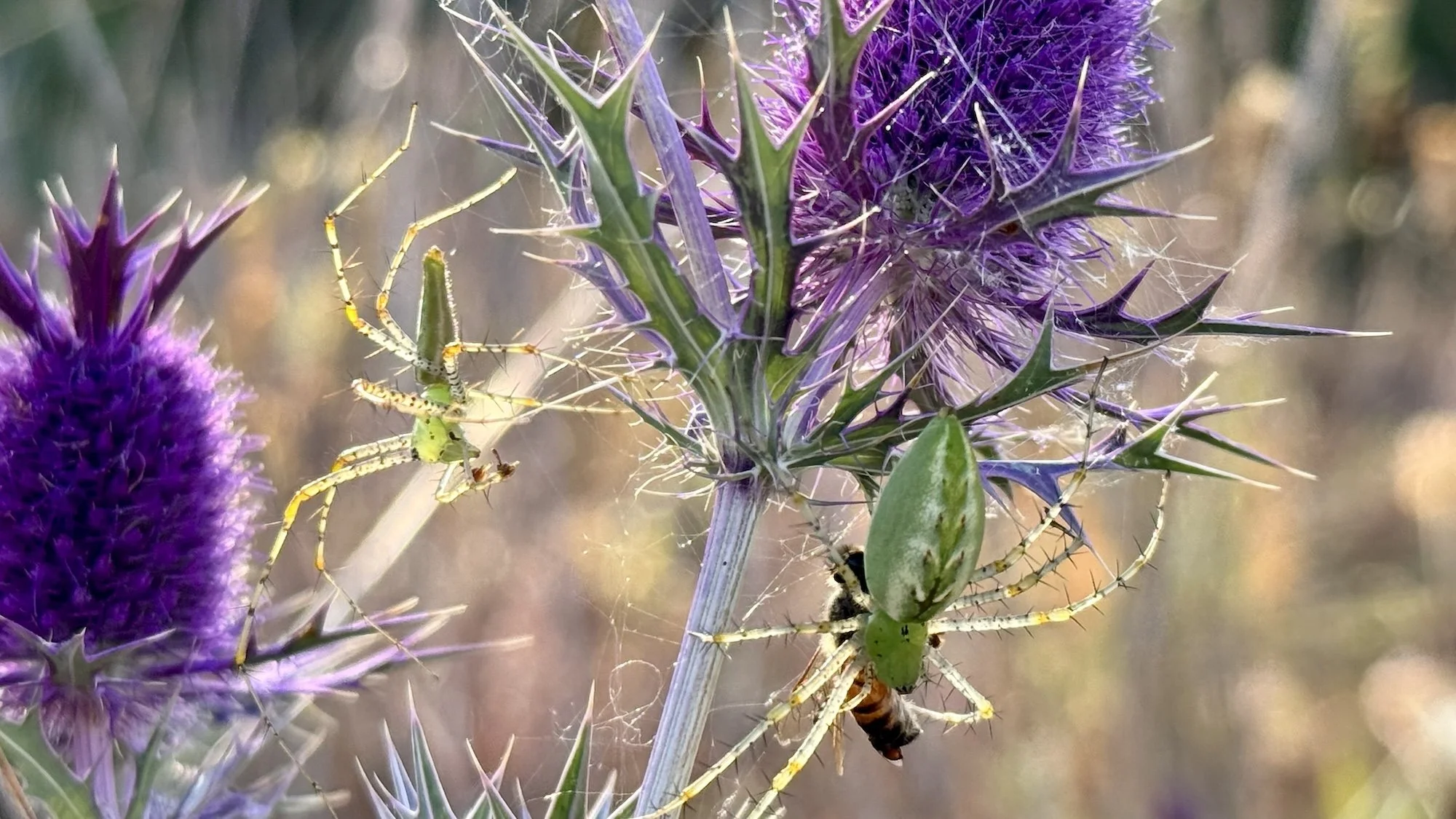
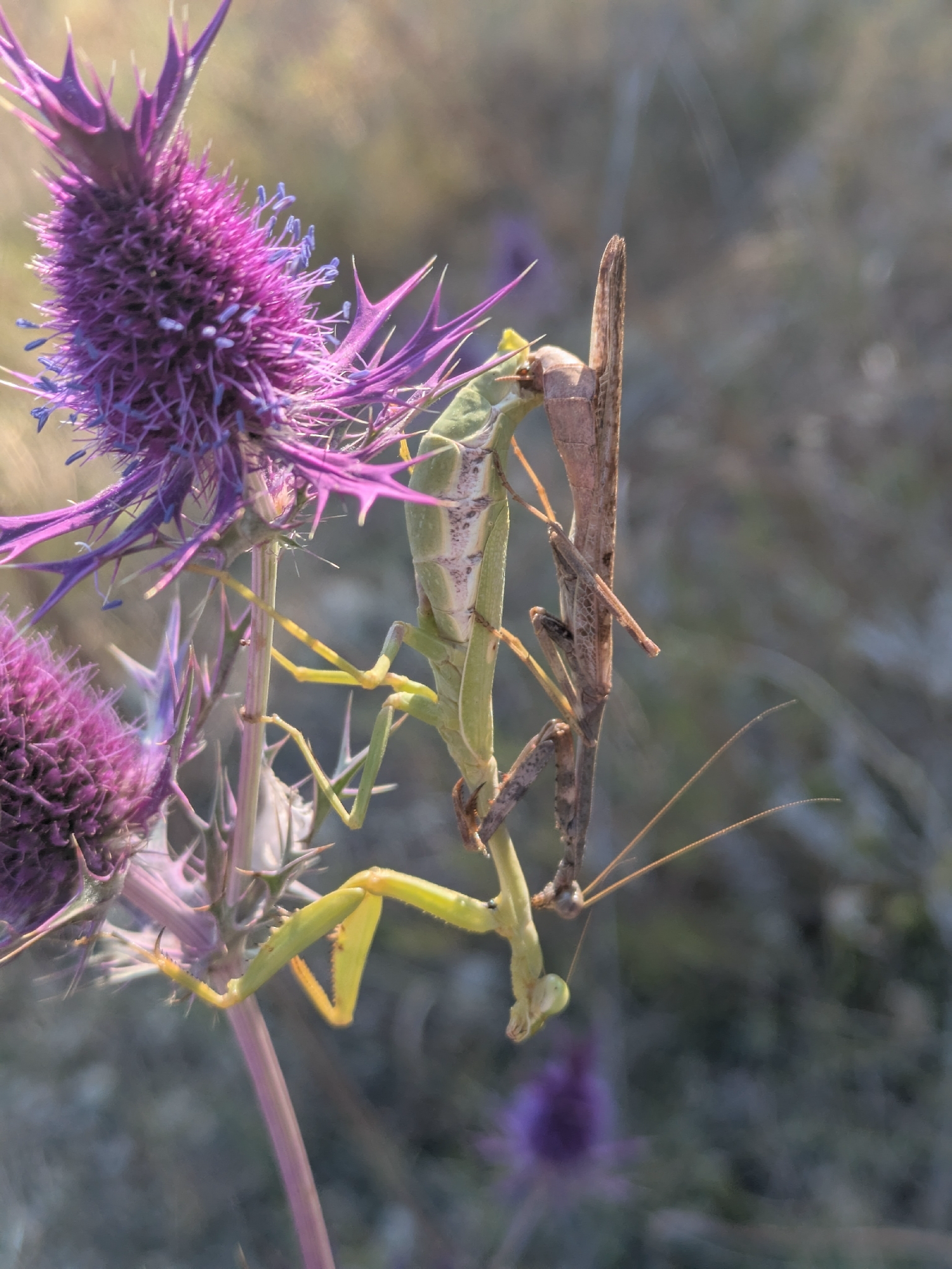
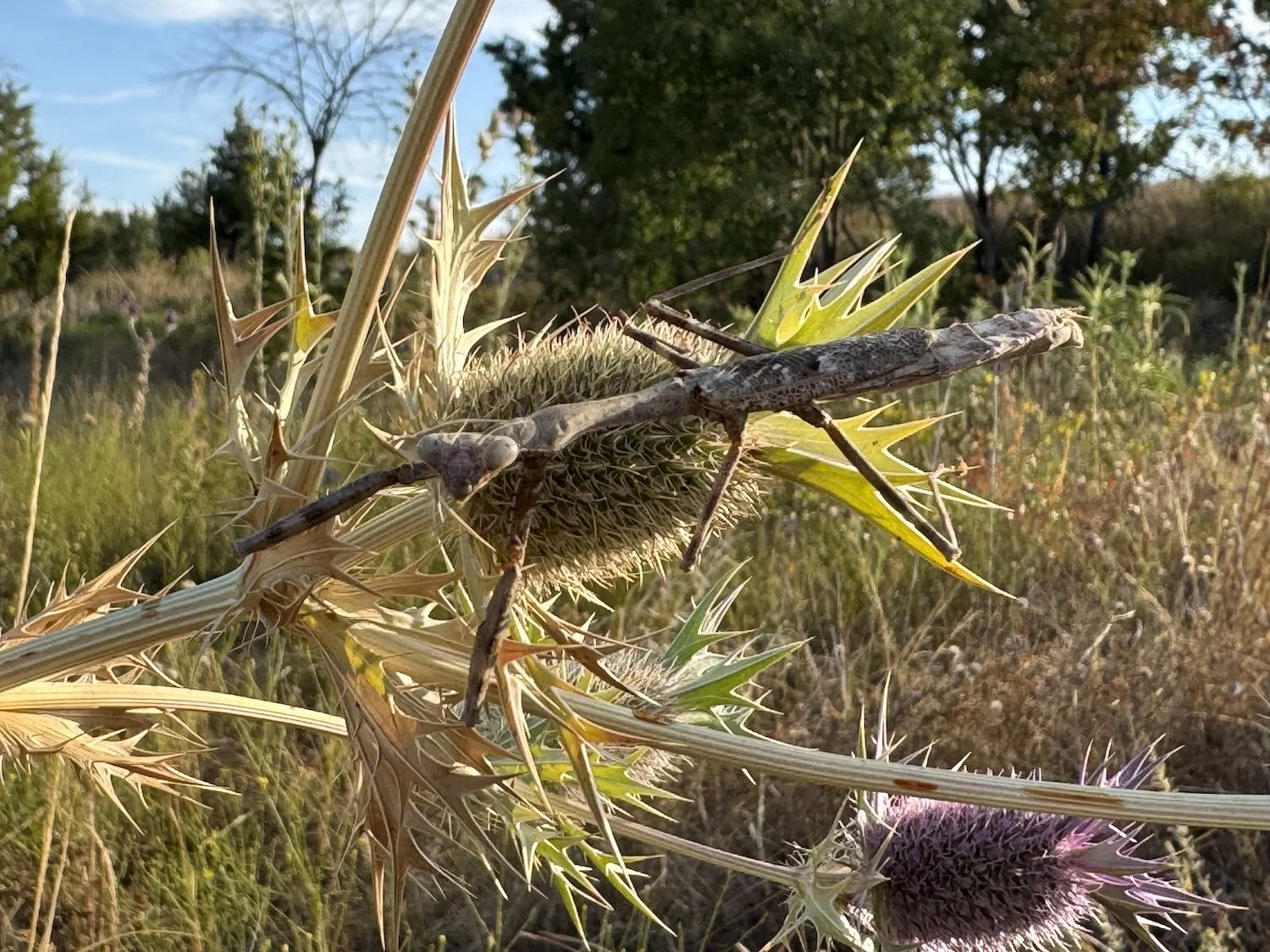
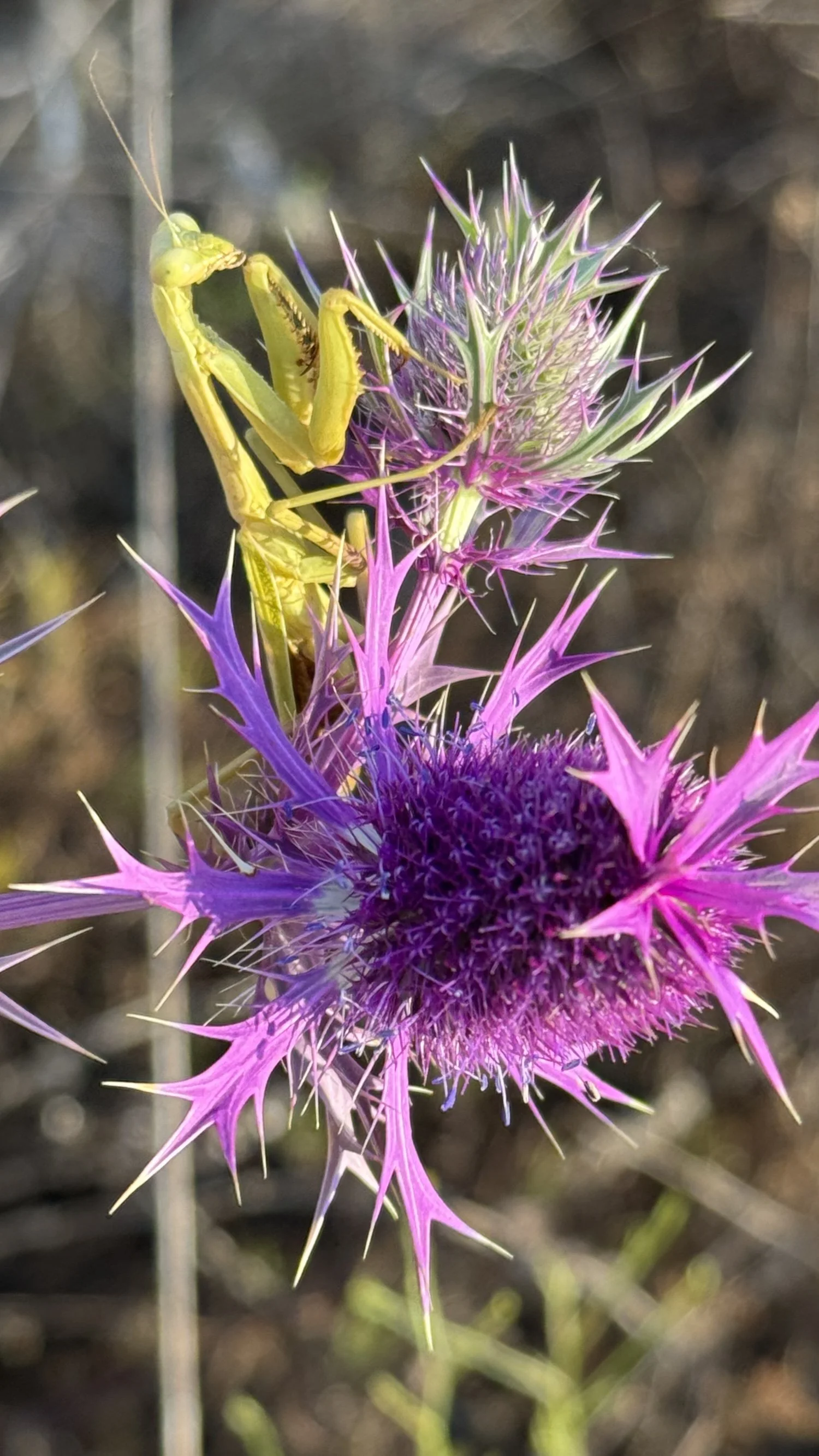
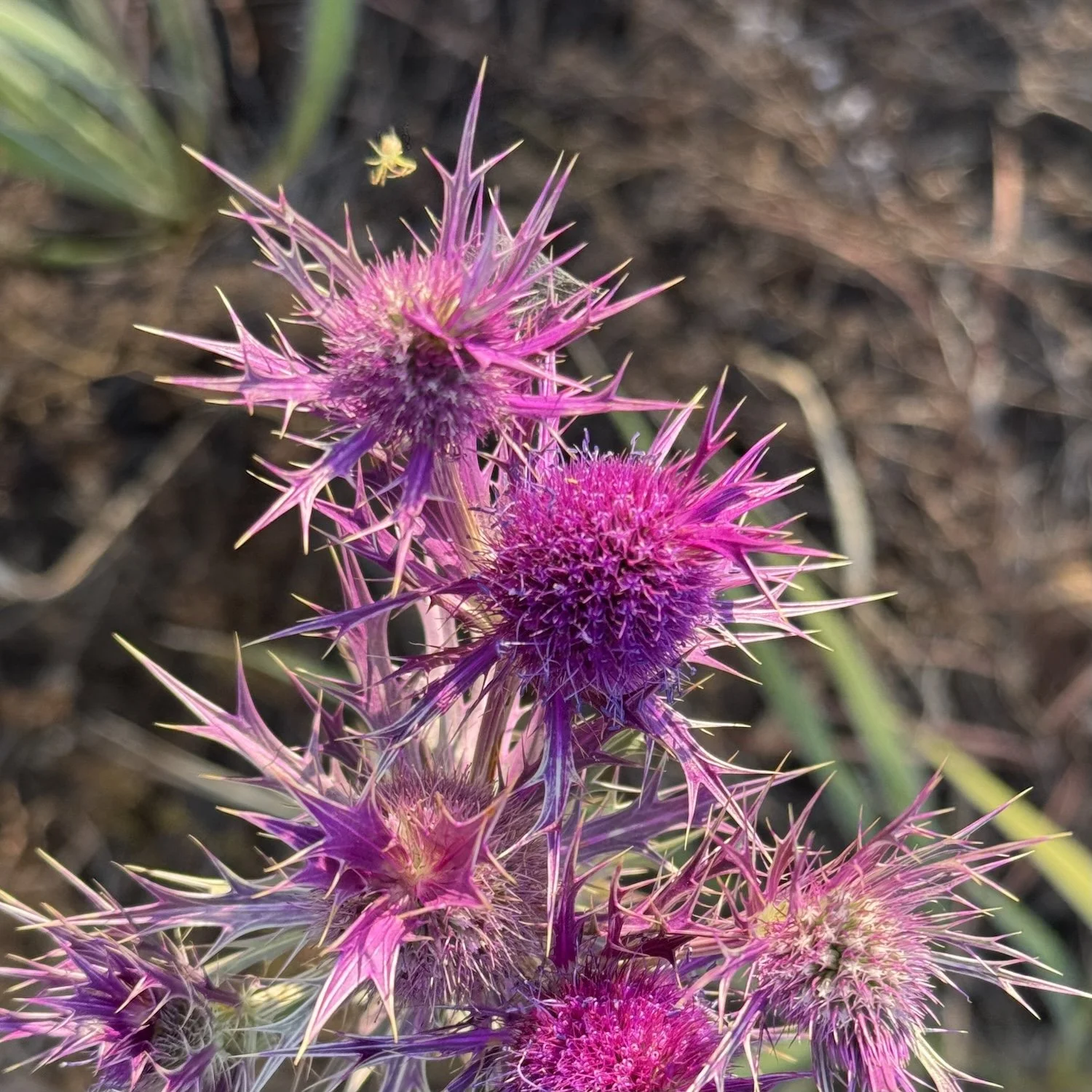
Green Lynx spiders and Mantids (below) feeding on bees on Eryngo plants is a reliable occurrence in the fall. I rarely see two of them on the same plant.
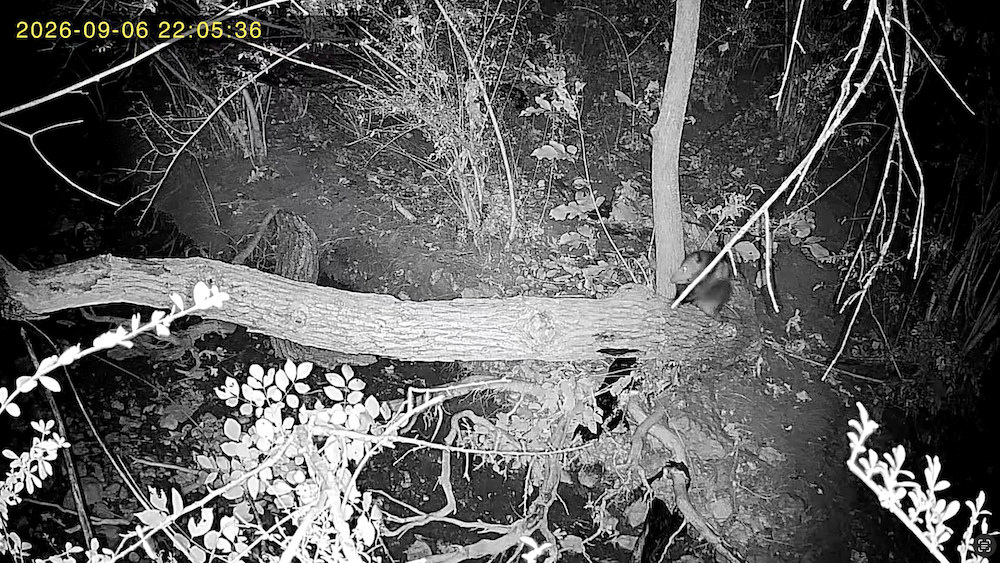
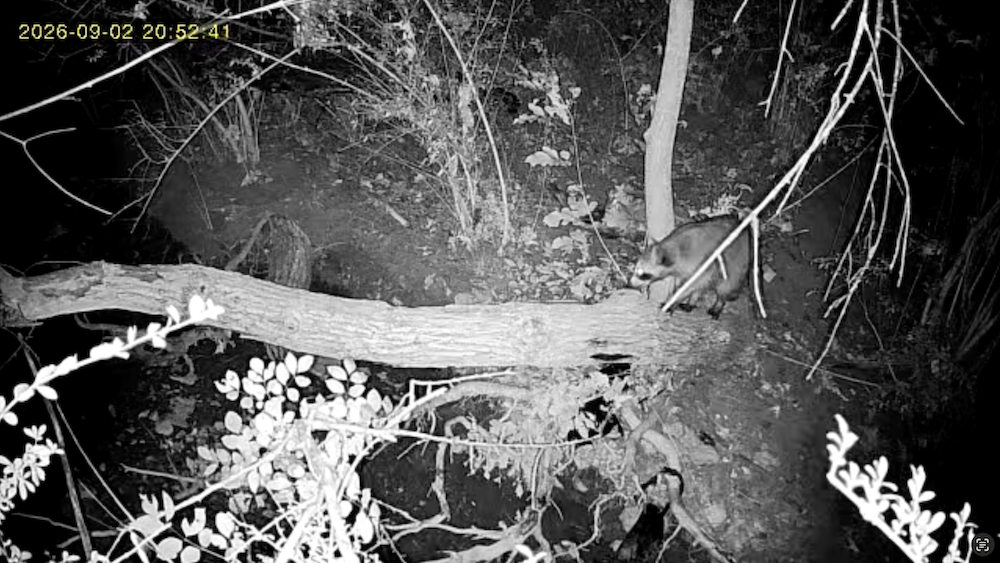
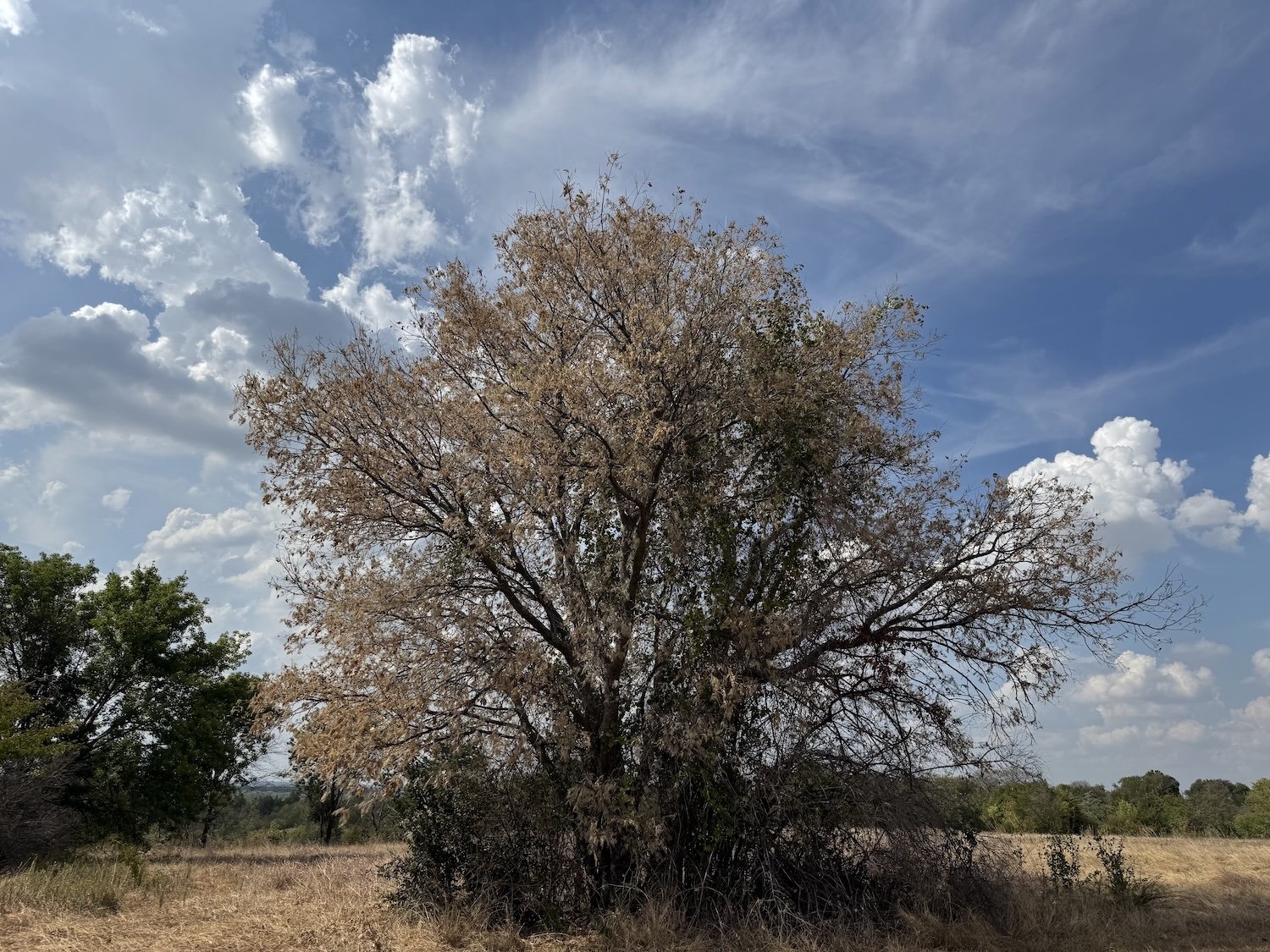
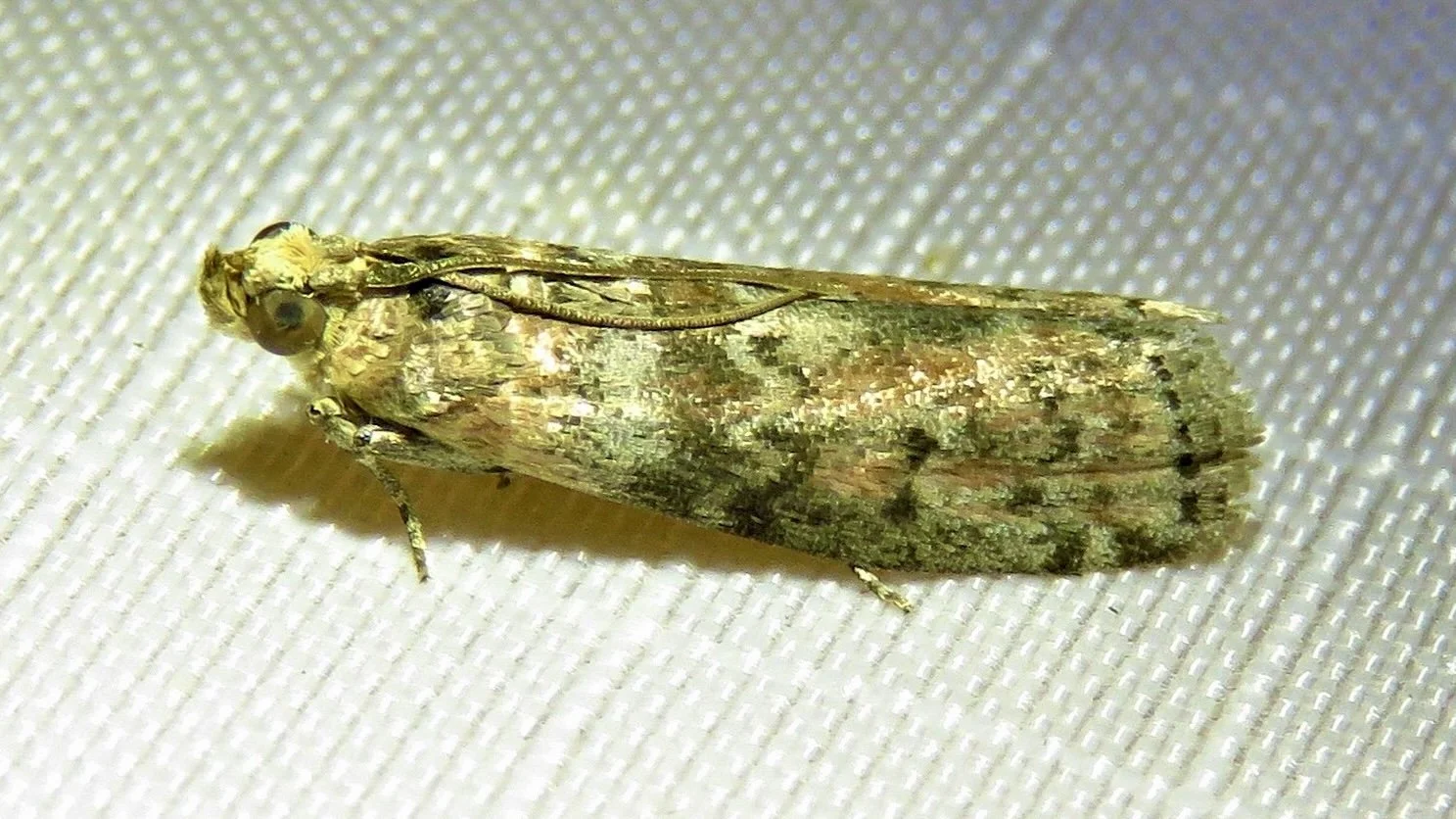
Virtually every Hackberry tree in the area has been defoliated by Hackberry Leafroller Moths (Sciota celtidella) larvae.

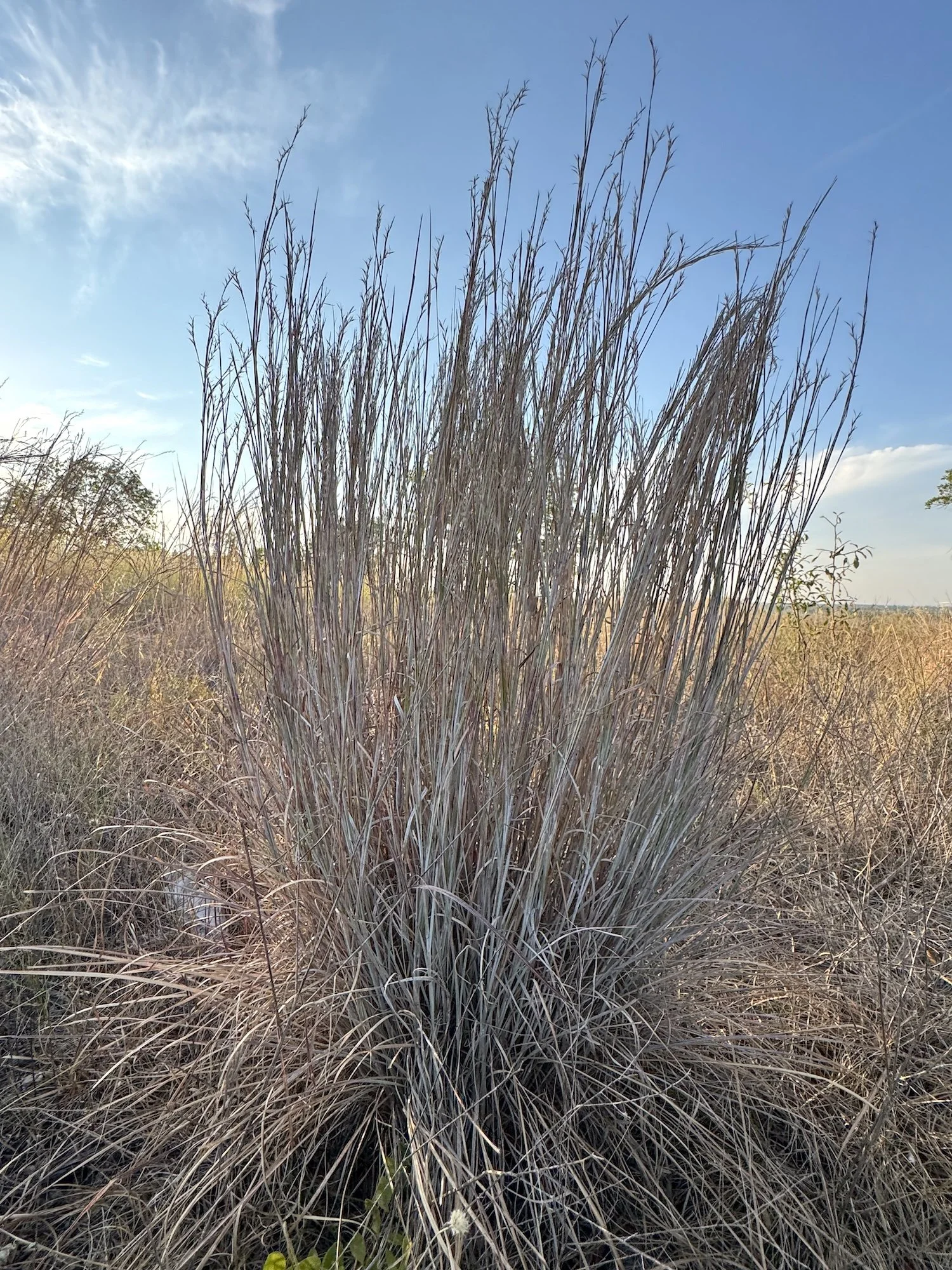
Purple Threeawn grass (Aristida purpurea) swaying gently in the wind and wearing its delicate fall color. Being there was like a dream.
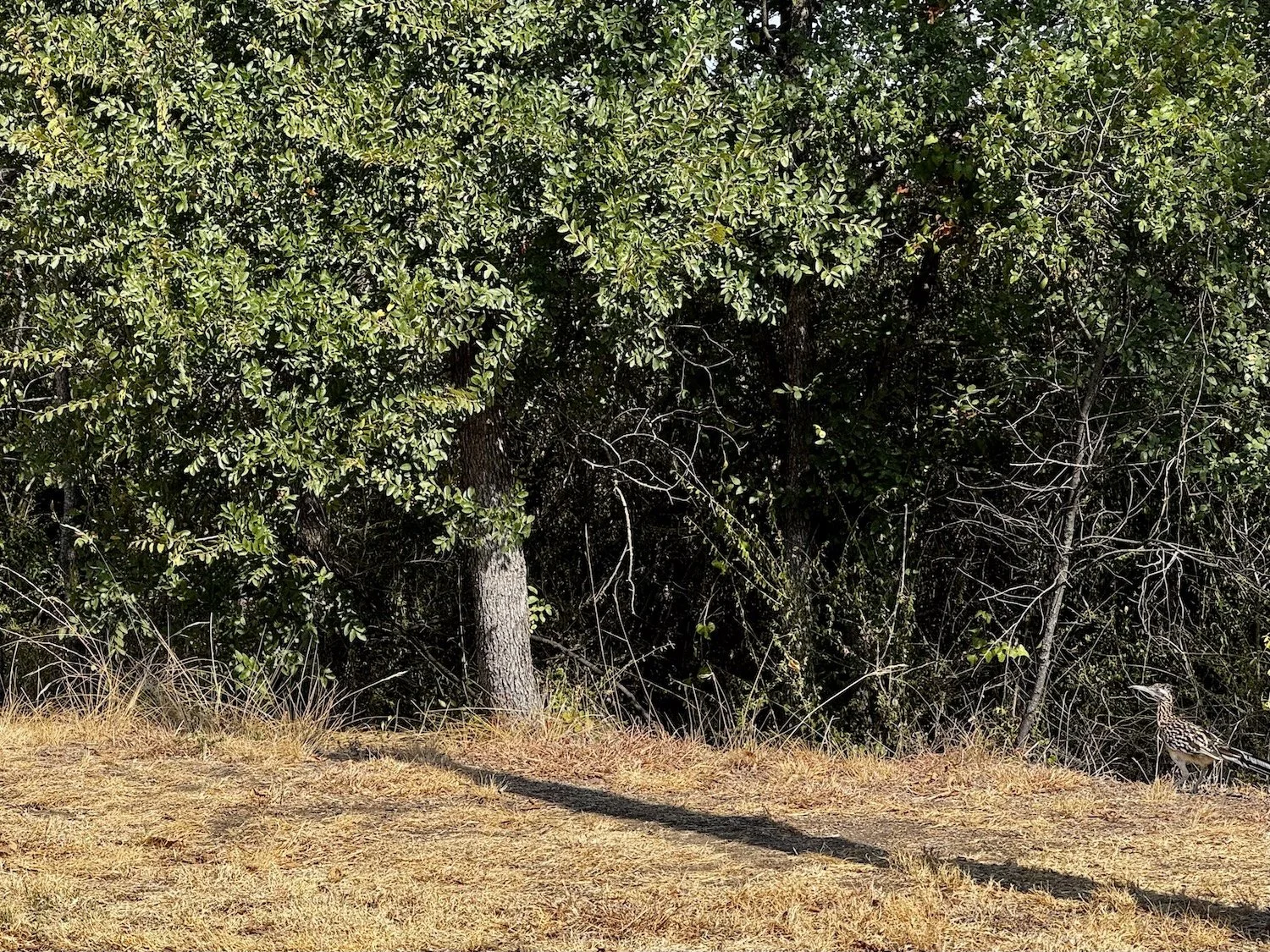
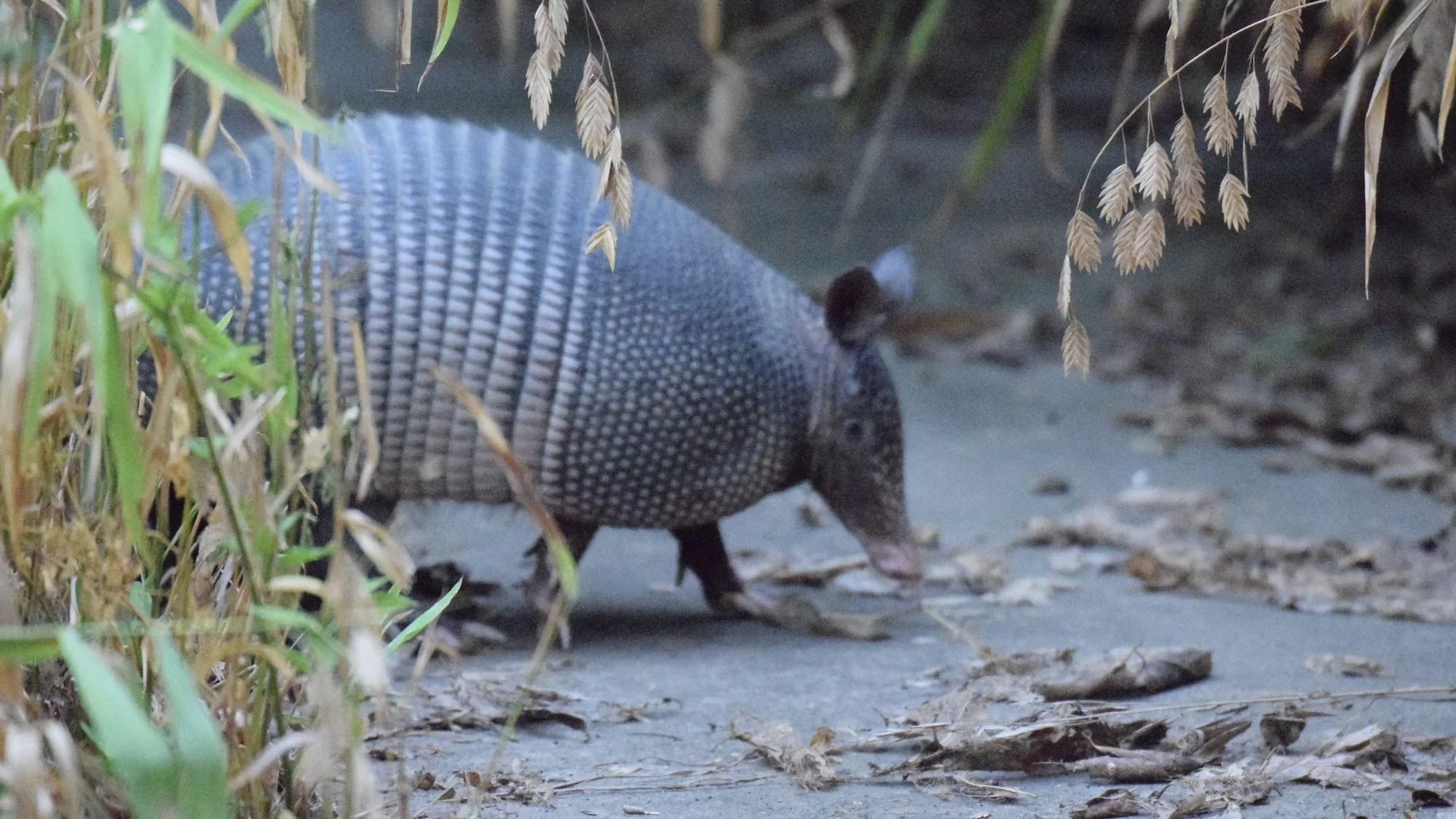
A Mexican Long-nosed Armadillo (Dasypus mexicanus) was found in our yard across from Tandy Hills on September 27th. Photo by, Keandre Rush.
A pair of Scissor-tailed Flycatchers (Tyrannus forficatus) playing tag with a Bluejay. The Bluejay kept up the attack for about 30 minutes.
Harvest Moon rising over Tandy Hills on September 26th appeared as big as the Sun.
3) New Species - September
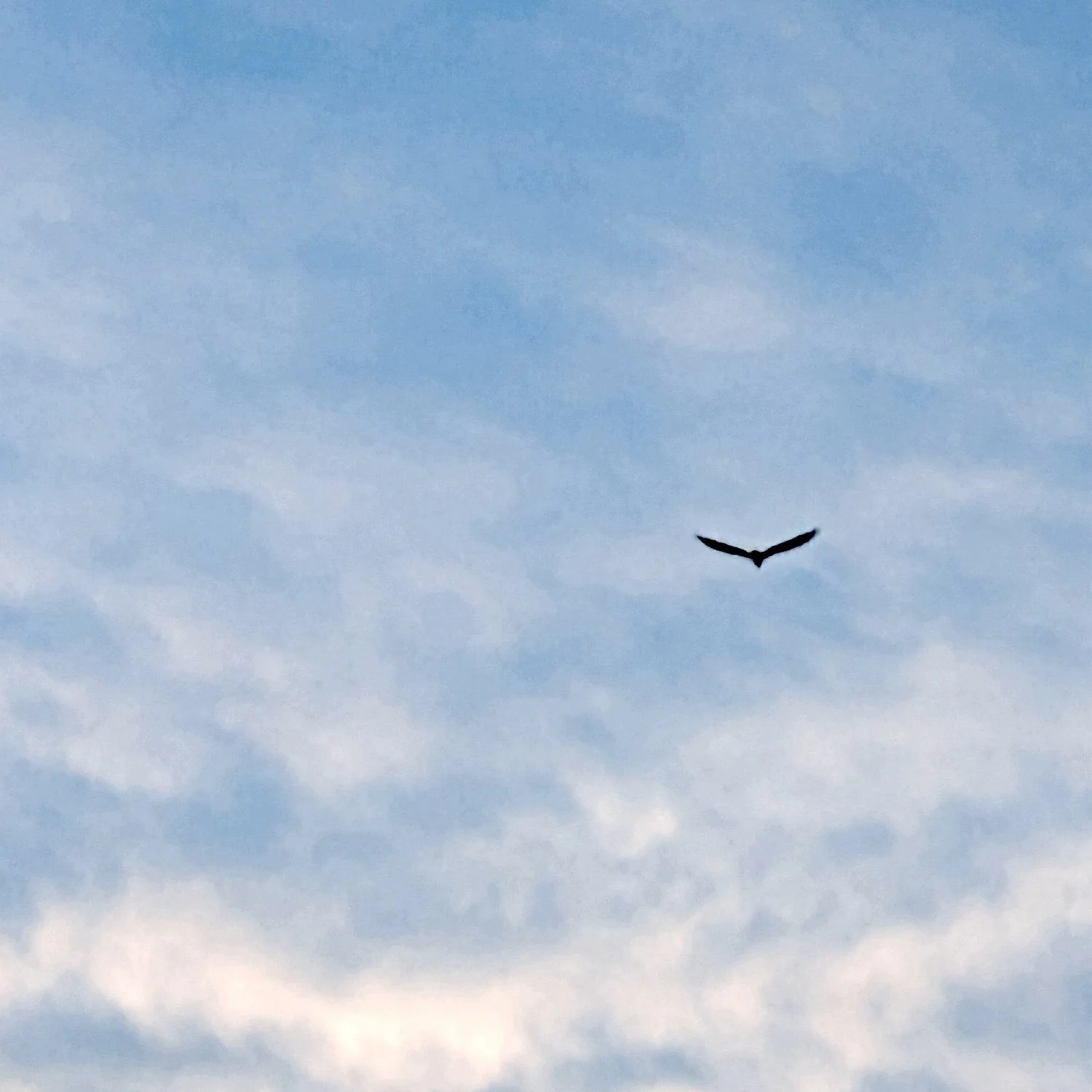
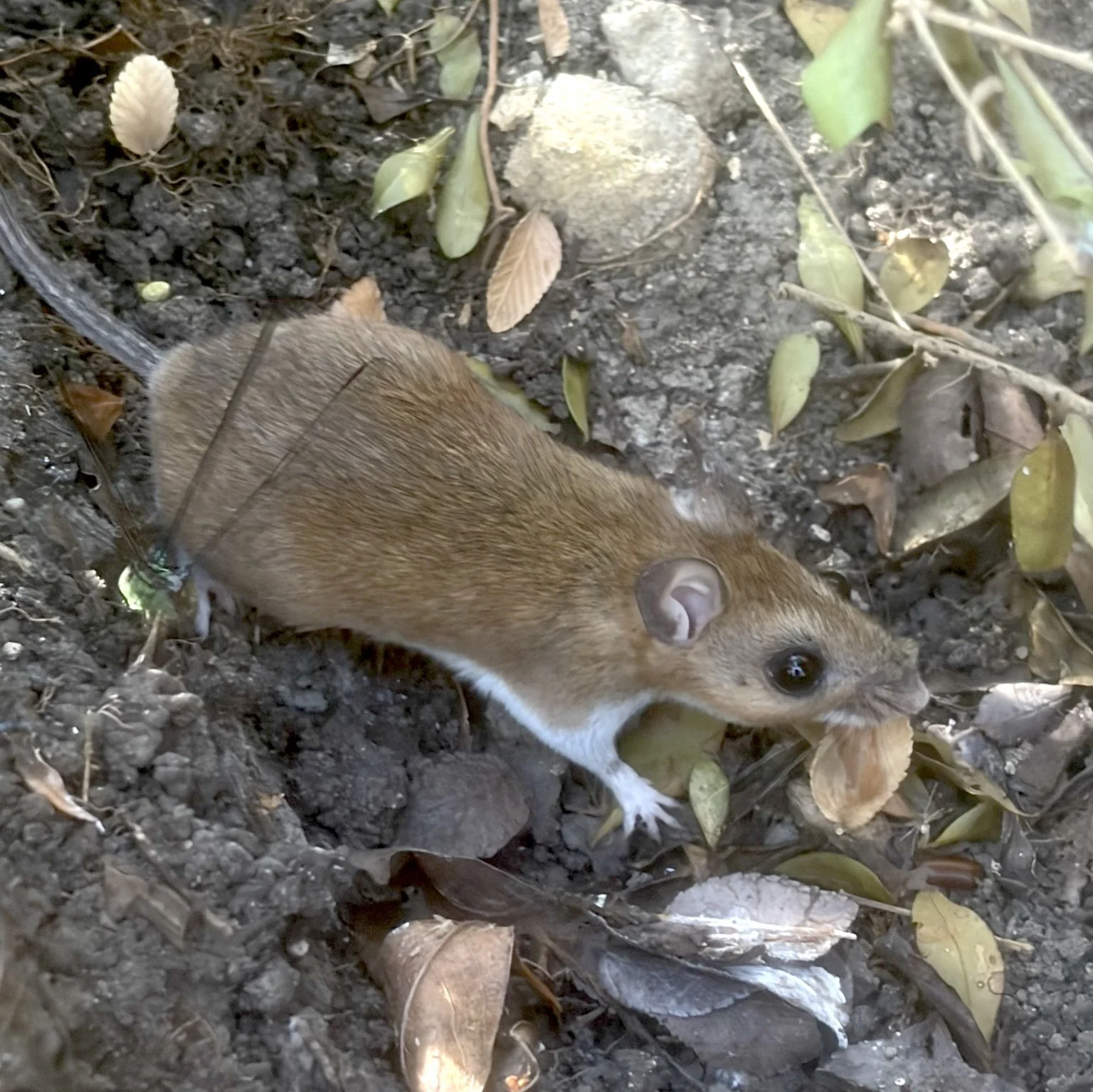
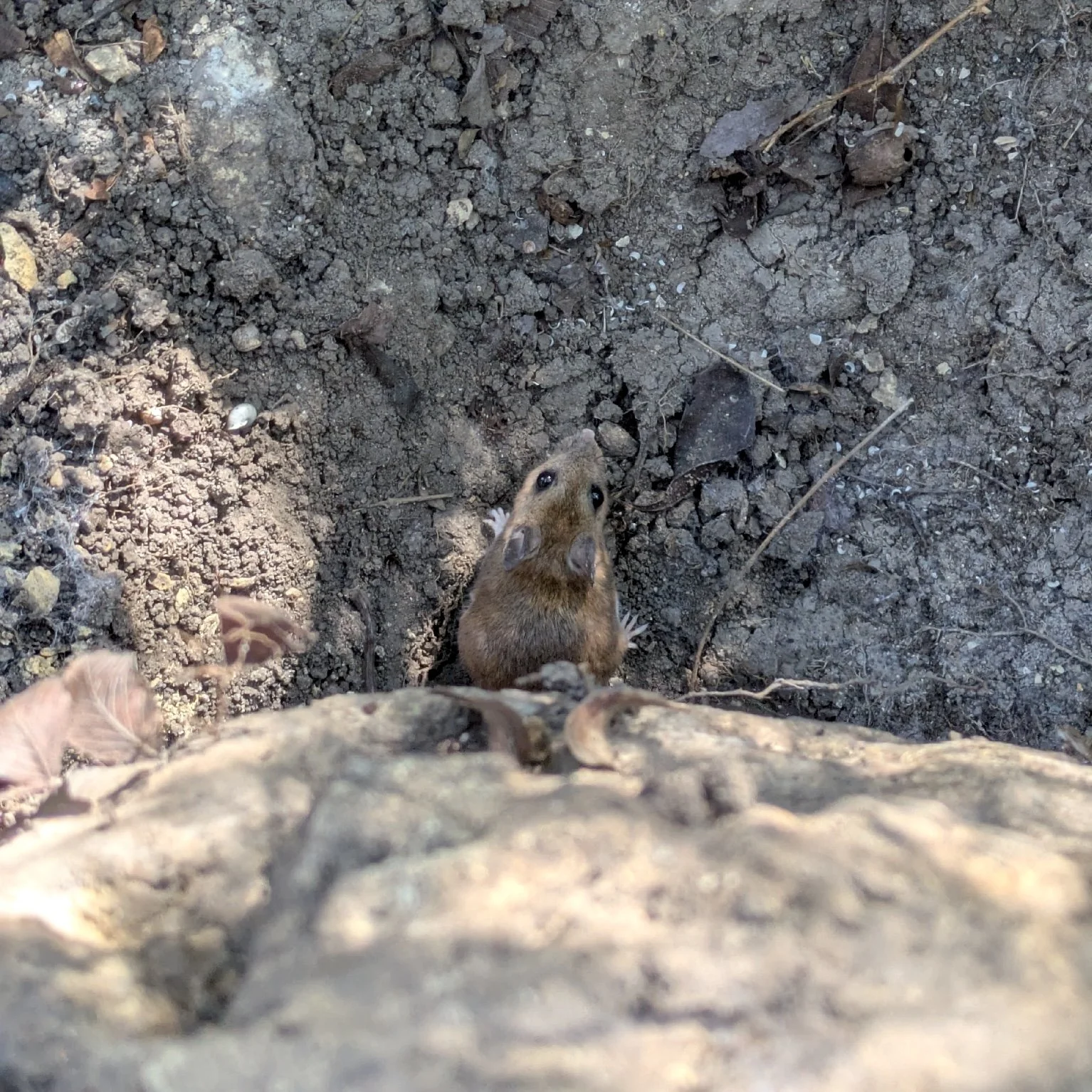
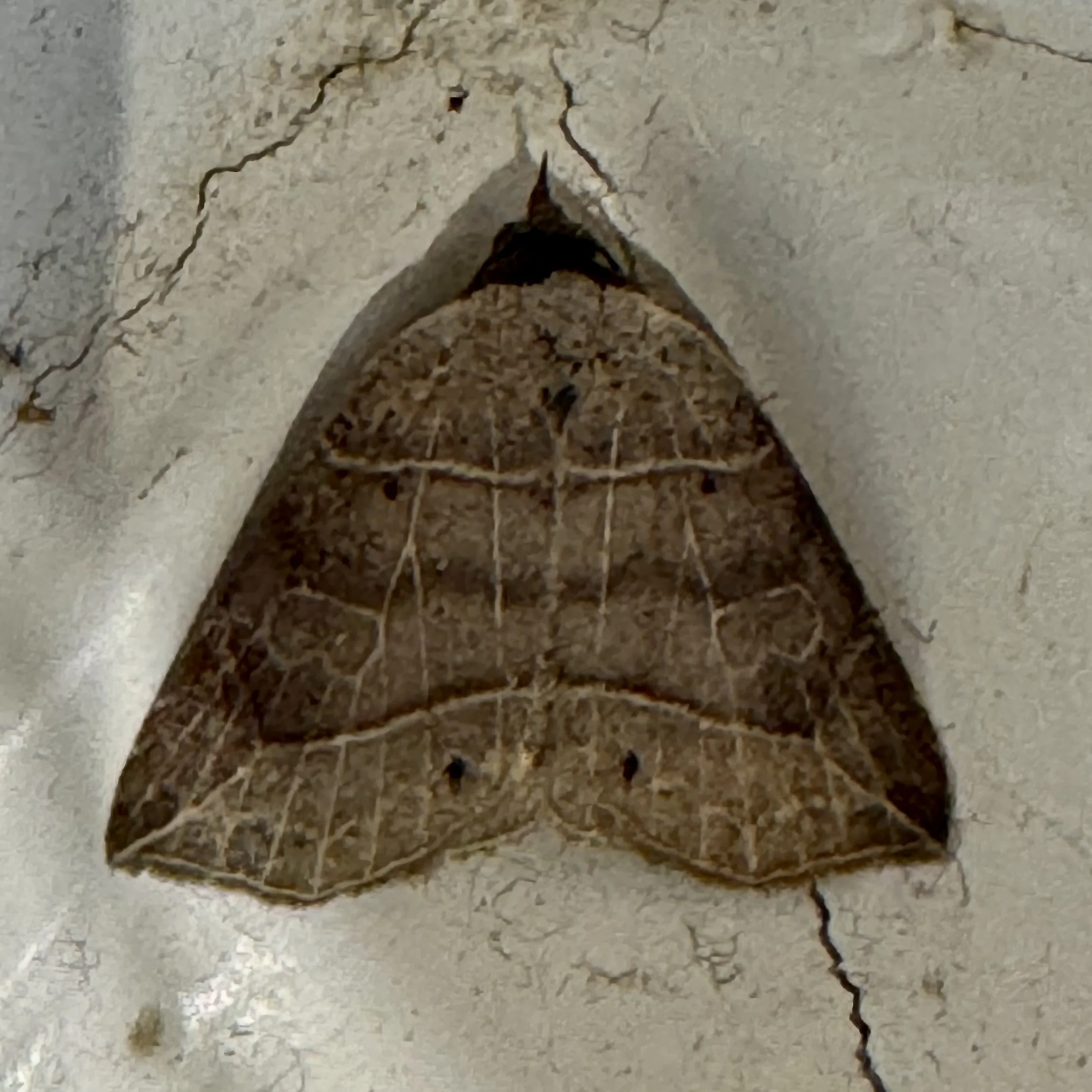
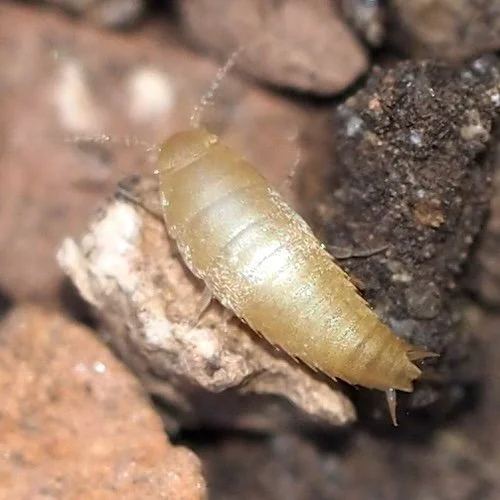
In September, we gained only a few new species but one of them was especially thrilling. early one morning, Keandre Rush, our resident birder and Land Manager, saw an Osprey (Pandion haliaetus) sweeping low over the east meadow. But it flew off on its 6’ wingspan before he could get his camera ready. But, Keandre was able to get the fuzzy shots you see below. The overall species count is now 2,792. See a few notables below or see them all at the Tandy Hills iNat Project Page HERE.
4) Newsworthy & Noteworthy
>>>>>>> Following in the footsteps of, Pope Francis, his predecessor, Pope Leo and the Vatican have issued a major new document titled, Caring For Our Home. It frames environmental degradation and harming nature as a moral and spiritual wrong or, a sin against Creation and the Creator. You can read the full document HERE.
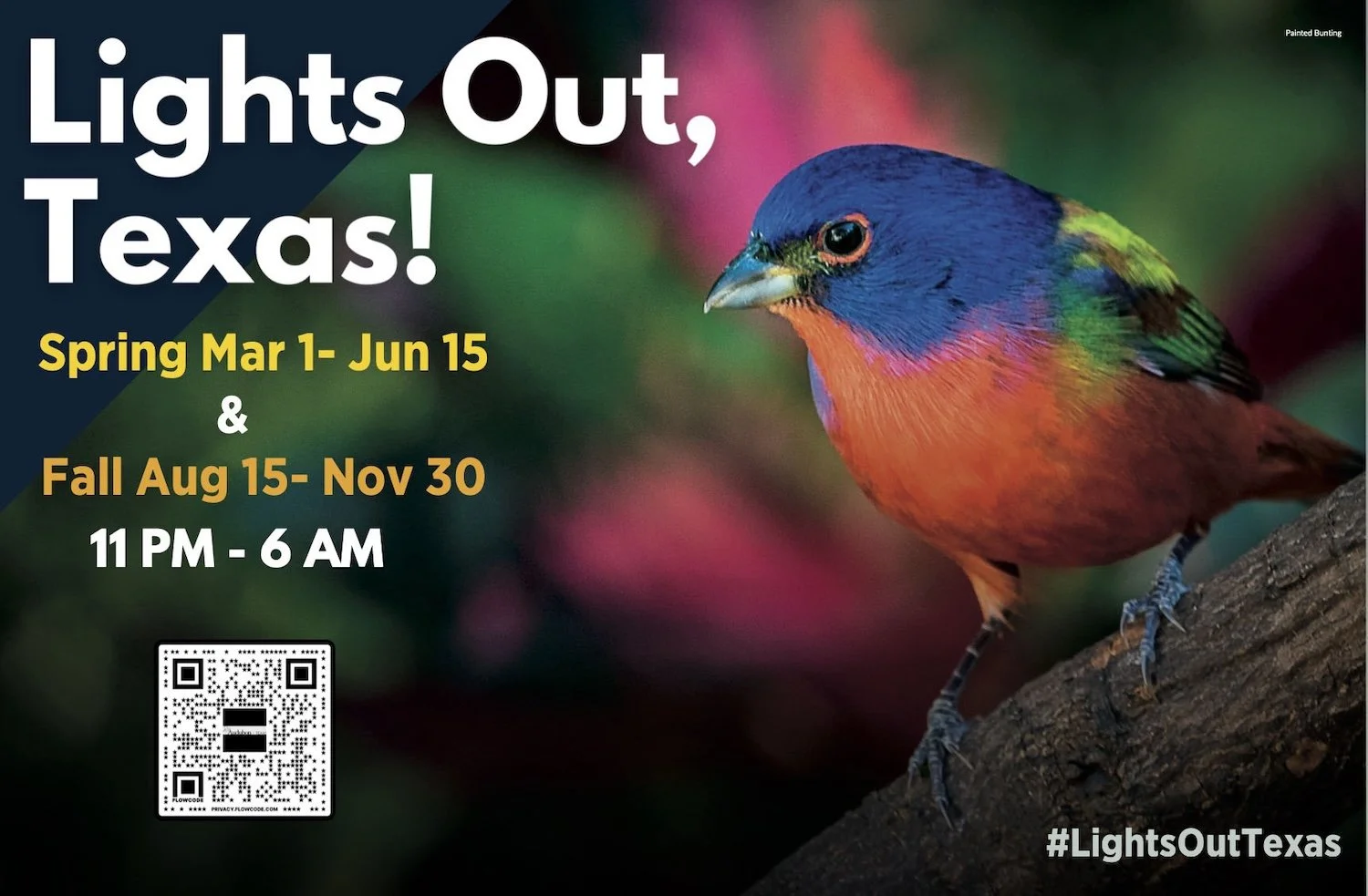
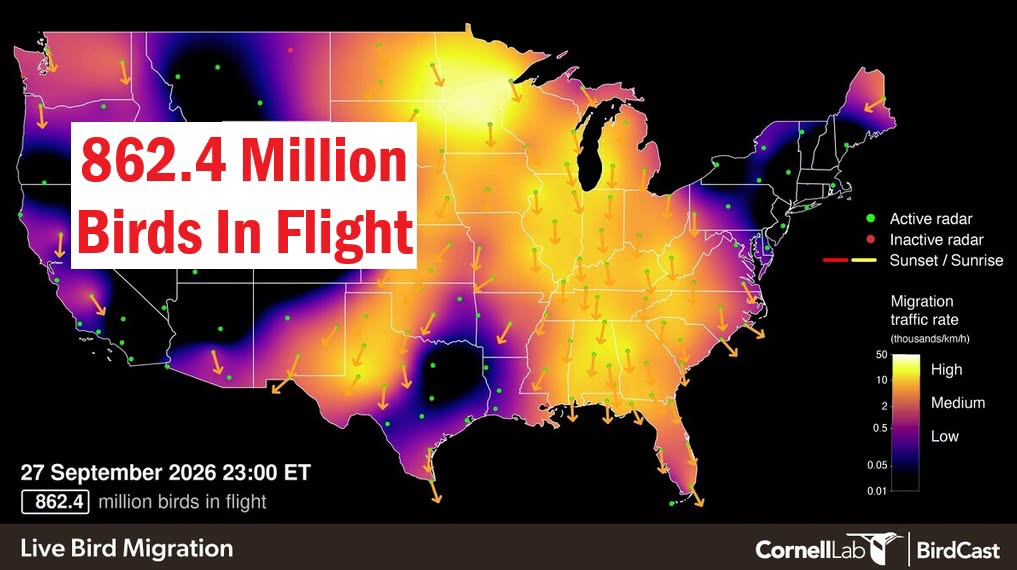
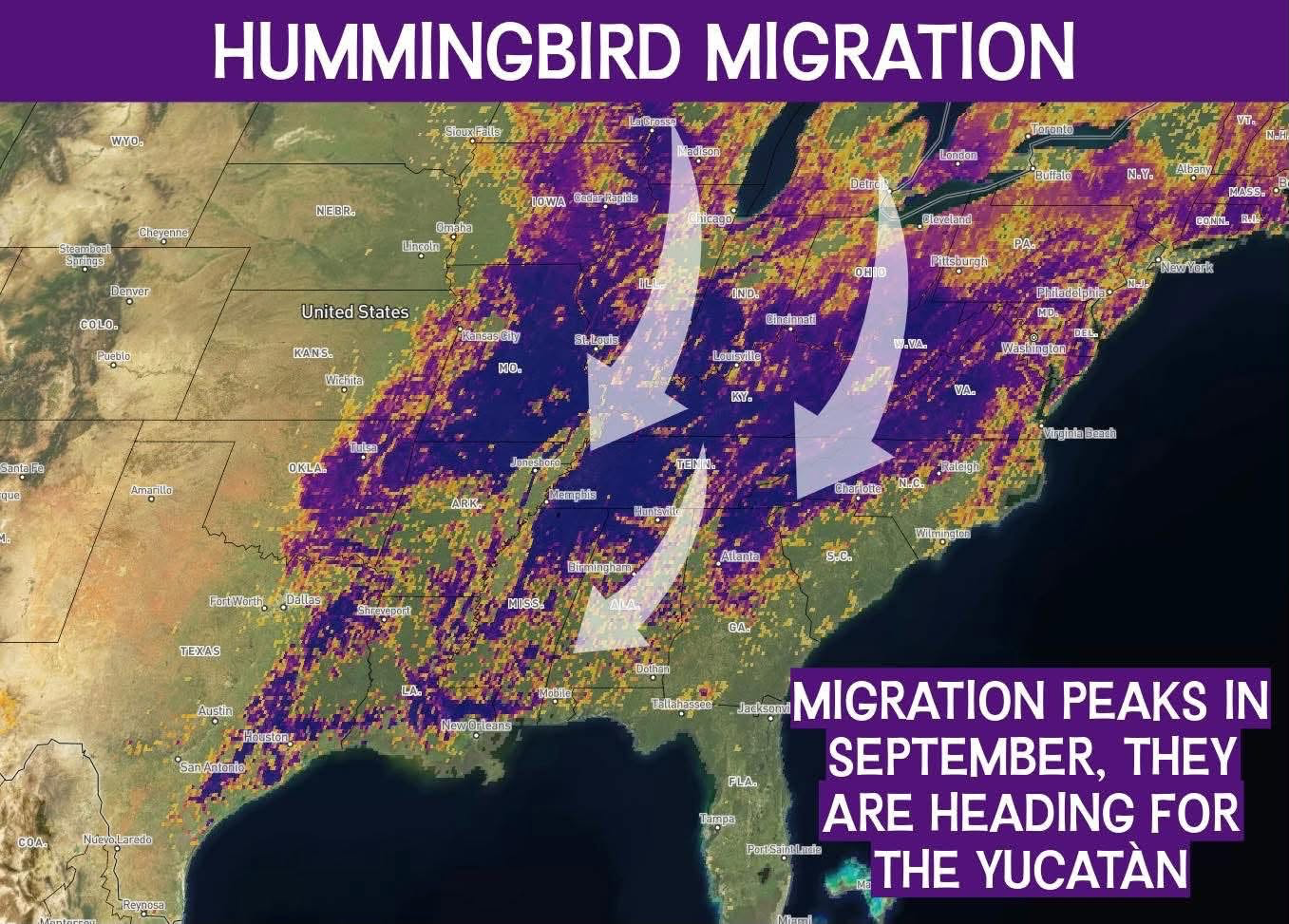
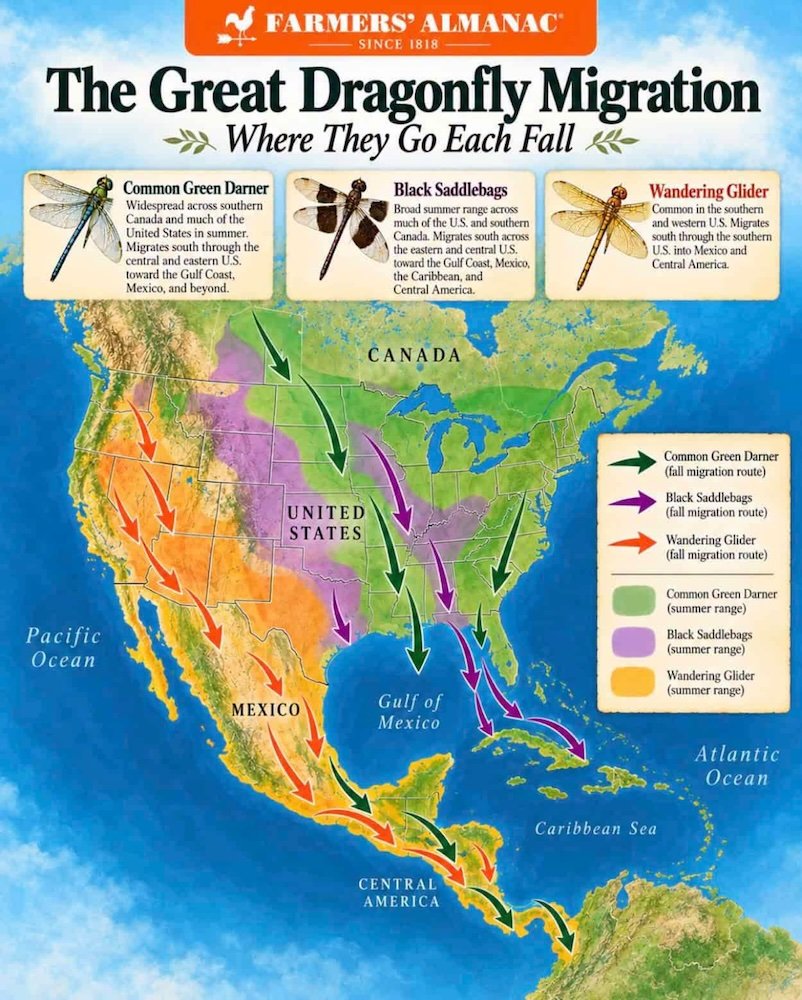
>>>>>>> It’s peak migration season folks, an annual phenomena that stretches the bounds of belief. Birds, including Hummingbirds, Dragonflies, Monarchs and many other species are now or about to be moving through north Texas. Just on the night of September 28, more than 7.2 million birds crossed Texas as they continued their fall migration. You can help them on that journey by keeping outside lights off at night, planting native Milkweed, setting out feeding stations for Hummers and keeping birdbaths full. The migrations are also entertaining to watch as many unfamiliar species crowd the skies and our backyards.
>>>>>>> As mentioned above, The FW park & Rec Department were finally able to hire a trail building company to construct 2 miles of trails on Broadcast Hill. They are funded with the grant the city received in 2023 from, Communities Foundation of Texas. They chose well by hiring, Ecosystem Regeneration Artisans (ERA) out of San Marcos, Texas. Led by, Shannon Brown, they are a cut above most companies that do trail work. They also do much more than simply construct trails. We are in very good hands. Shannon and Cooper brought baby Lillian, their daughter who celebrated her 1-year birthday at Tandy Hills. That’s dedication and good parenting! Check out their website HERE: http://eranativeland.com/
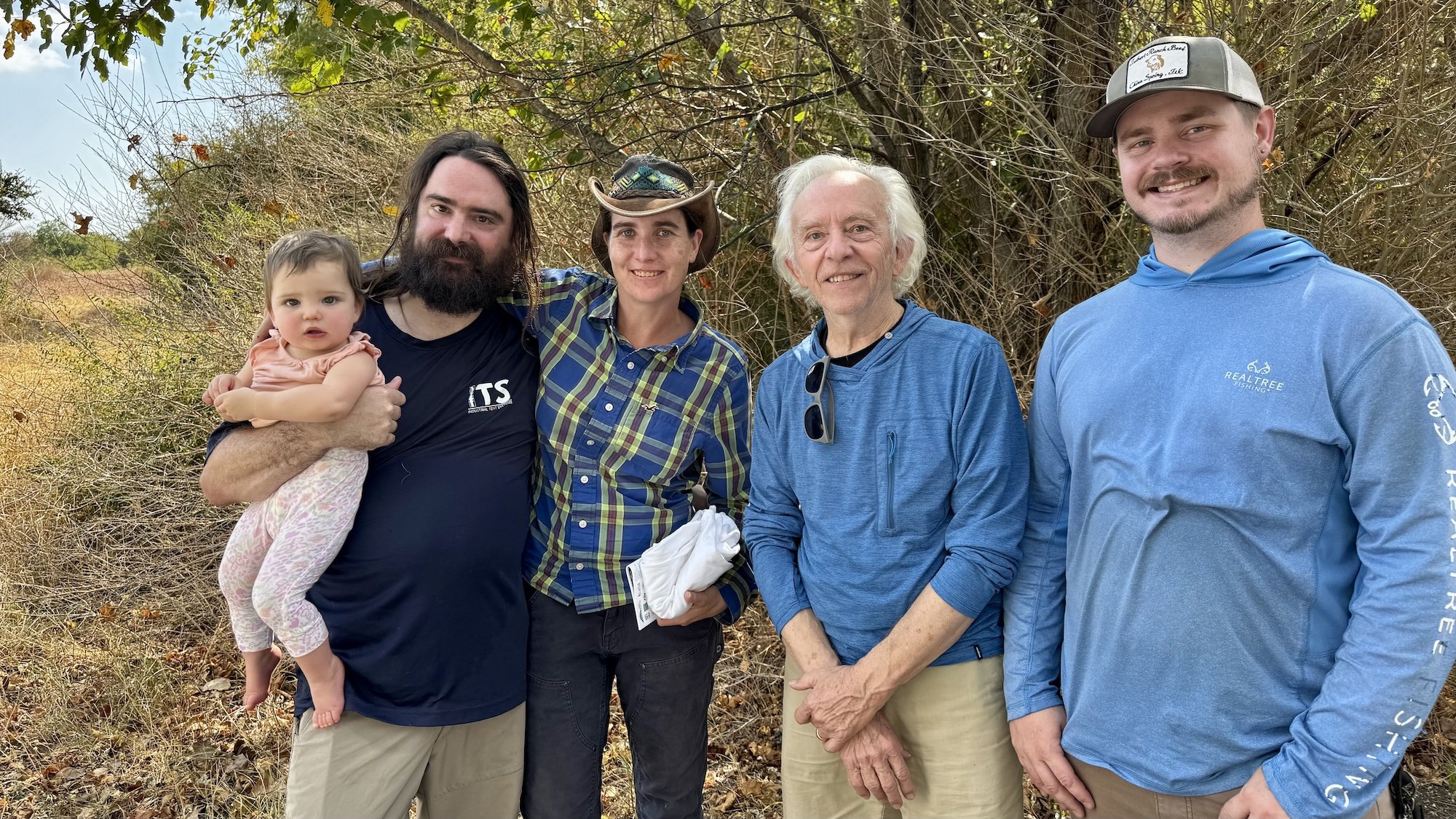
L-R: Baby Lillian; Cooper Bell (GIS technician & mini-track loader operator); Shannon Brown (Founder and Ecologist); Don Young; Rob Tyler (Biologist)
>>>>>>> I had the pleasure of showing , Prof. Grant Foster, around Tandy Hills in September. He is taking over Prof. Bruce Benz's position who is retiring. Grant is an ecologist by training and will be bringing his students involved on research projects to Tandy Hills, both in the context of labs for the biology courses, as well as more involved independent research projects. We were joined by, Colt Hamilton, Natural Resource Specialist at Fort Worth Park & Recreation Department.
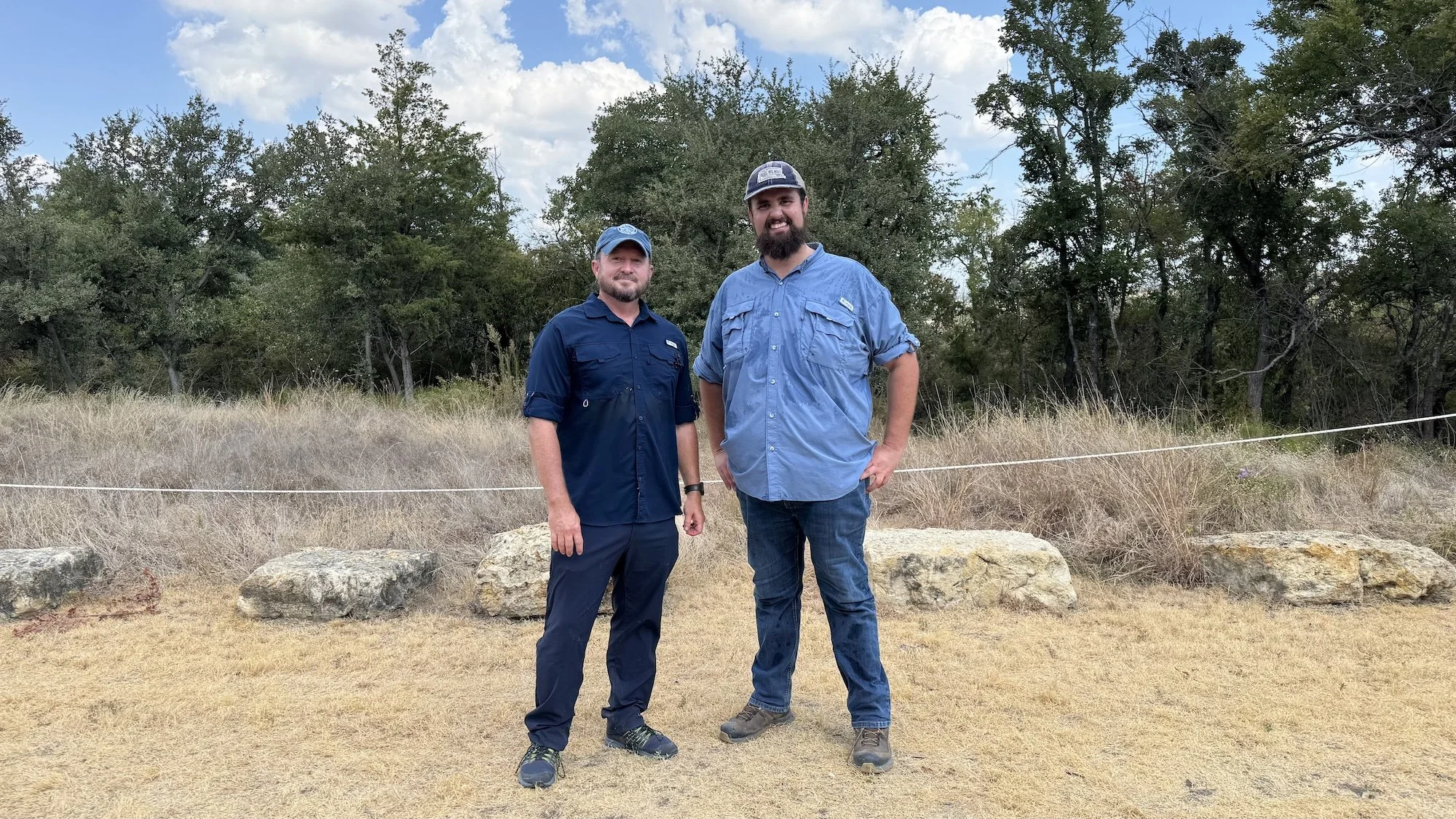
Colt Hamilton (L) and Grant Foster after a sweaty, research hike at Tandy Hills in mid-September.
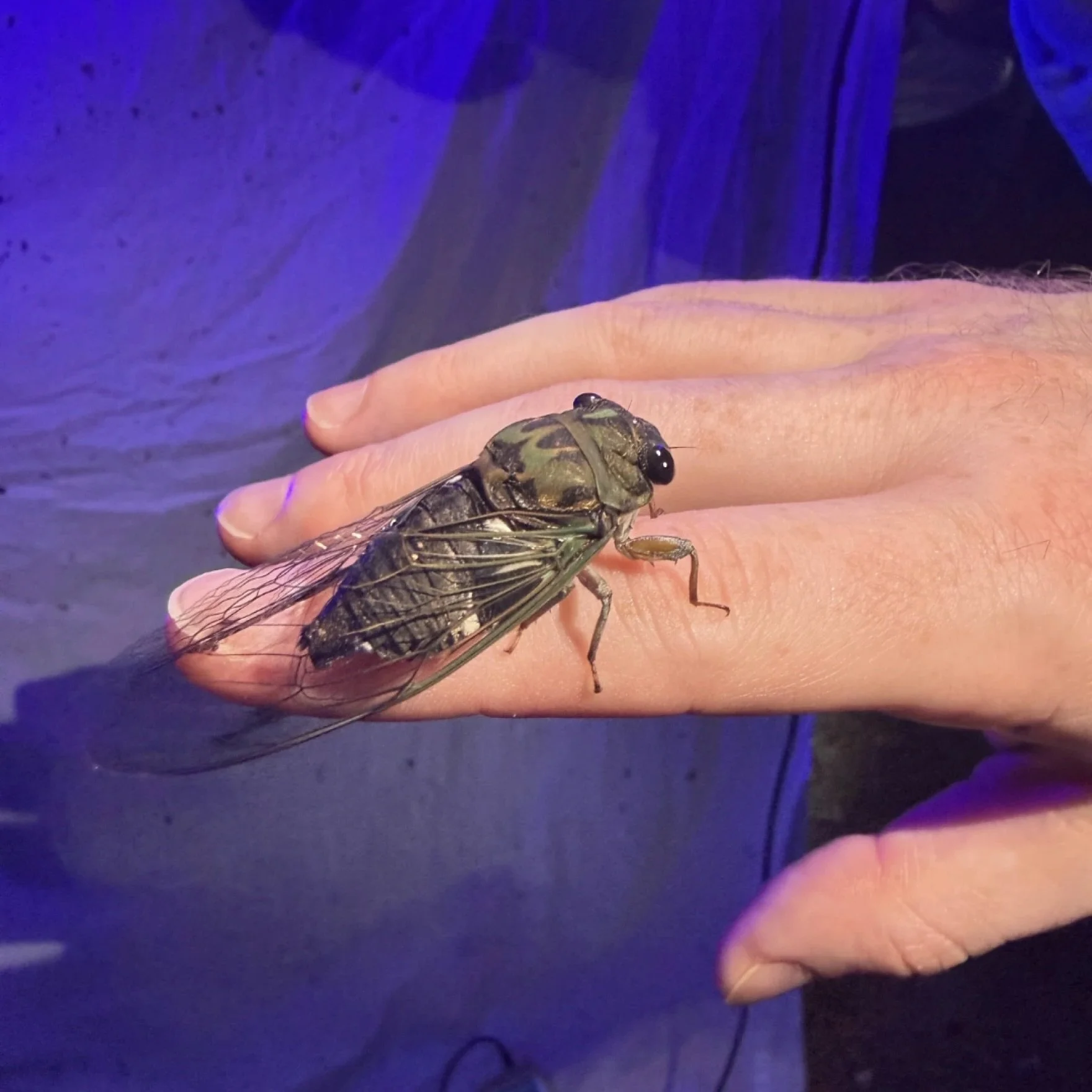
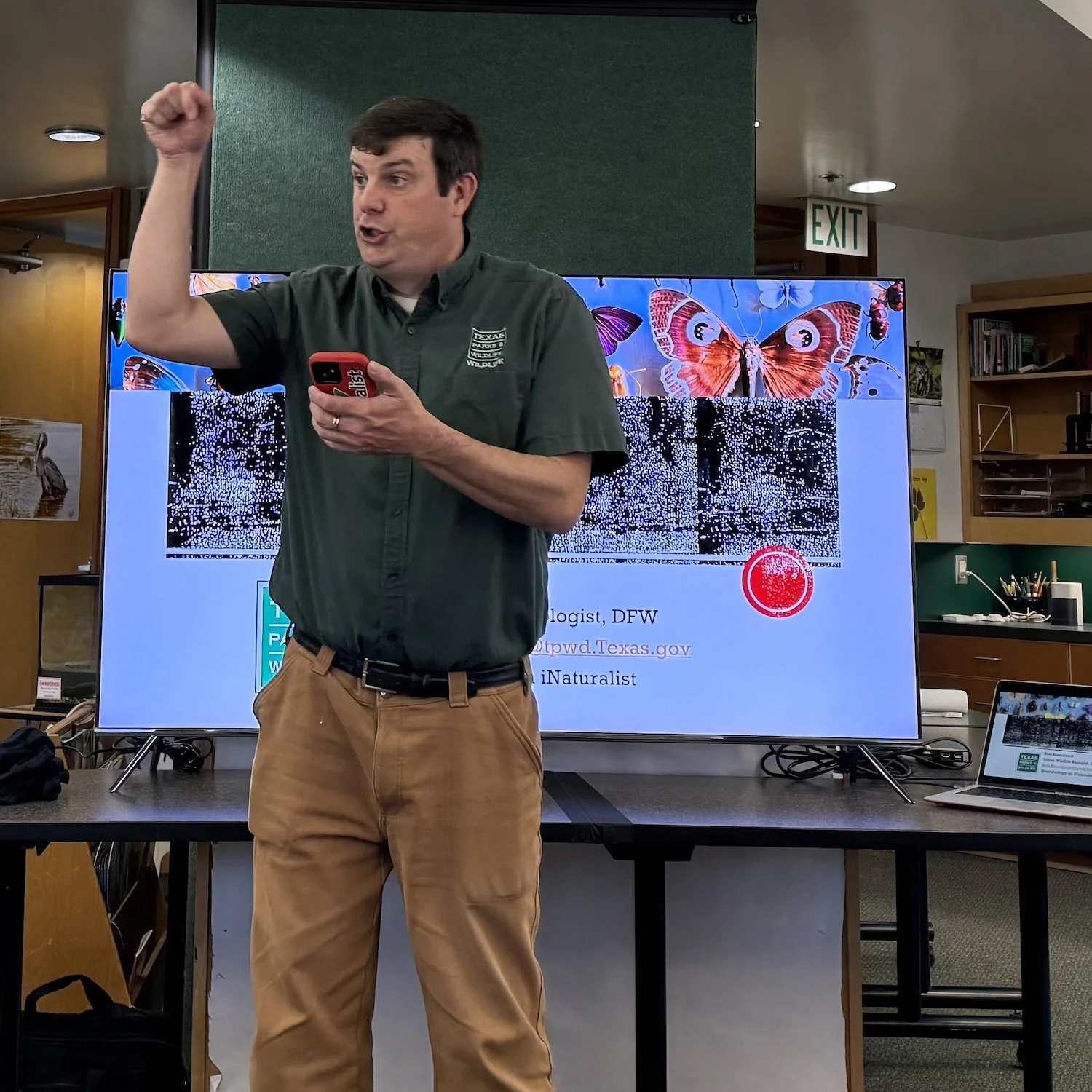
>>>>>>> Our good friend and trusted consultant, Sam Kieschnick, was recently interviewed on KERA’s, N/TX Now! talking about Cicada’s. You can listen to or read it HERE:
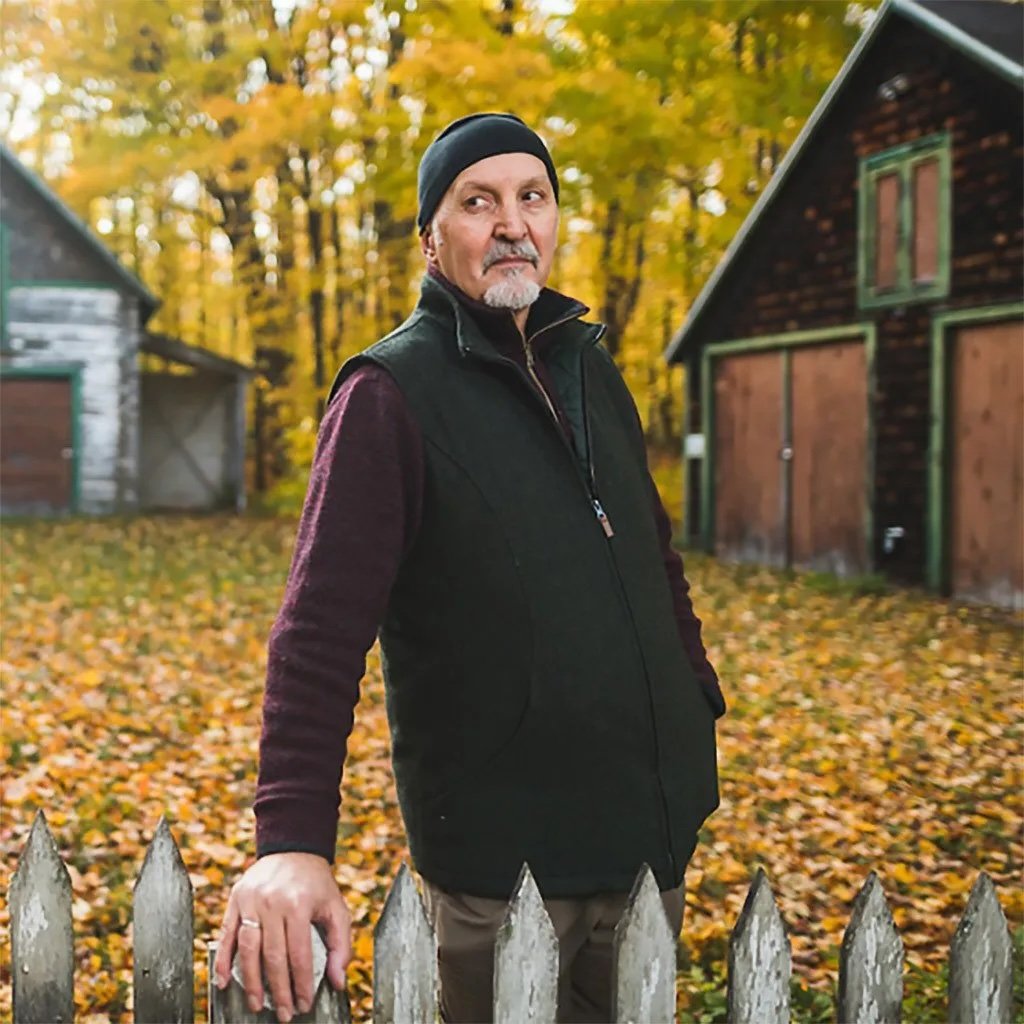
>>>>>>> The Fort Worth Audubon Society is hosting author, James H. McCommons, at their meeting on October 8th @ 6:30 PM. He will be discussing his new book, The Feather Wars, a definitive history of bird conservation in America. Get your details at the FWAS website HERE.

5) Roadkill Elegies
I had an uncle named Clyde born in the 1920’s who was a typical male of his era, but he cherished wild animals and his two dogs, Rex and Tex. Uncle Clyde was especially fond of Fox Squirrels that roamed his home in Handley. He openly wept when he ran across them as roadkill, stopping his car to move them.
I, too, have a fondness for squirrels and other wild creatures. I can’t remember how many times I have stopped my car on the road in front of Tandy HIlls and moved them from the street to a sheltered area where they receive a bit of dignity and a silent prayer from me. Those include Birds, Armadillos, Squirrels, Snakes, Lizards, Rabbits, Opossums, Turtles, etc. Of course, Turkey Vultures and other animals are capable of cleaning up a roadkill but it really disturbs me to see them ignored on the street.
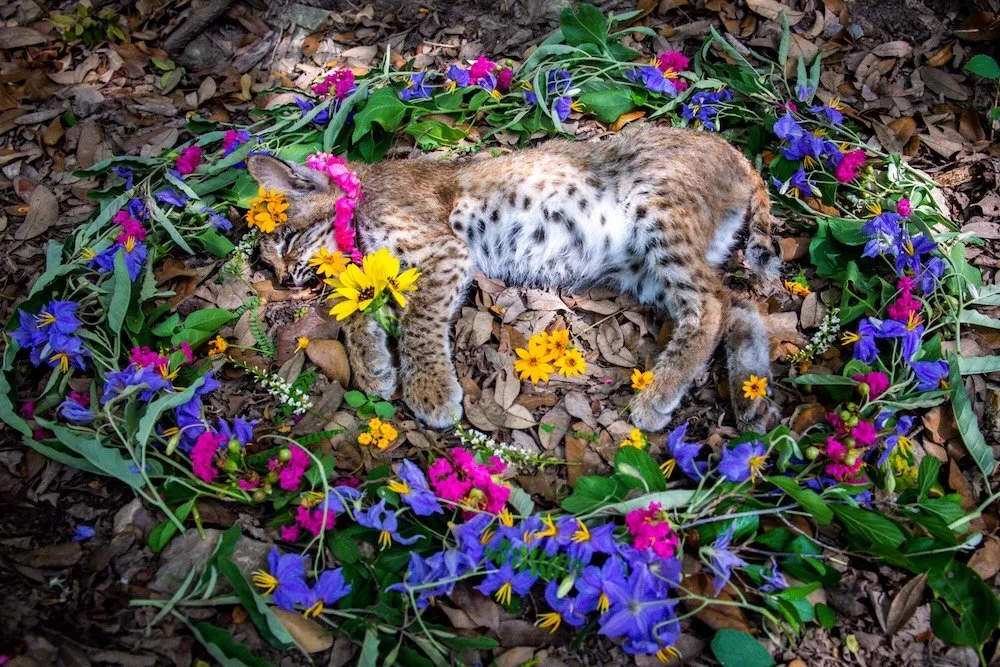
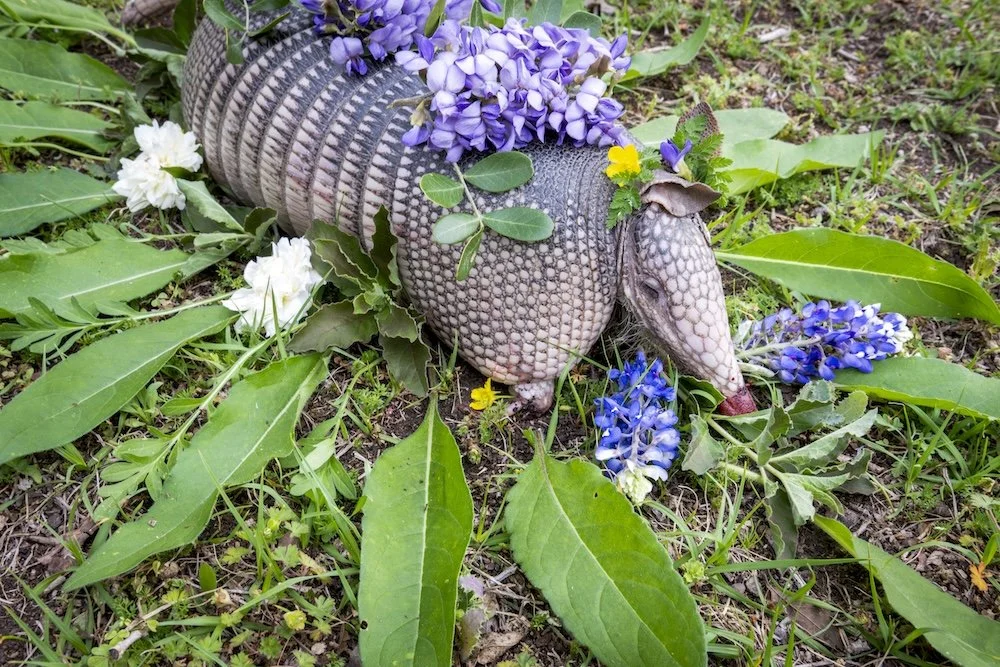
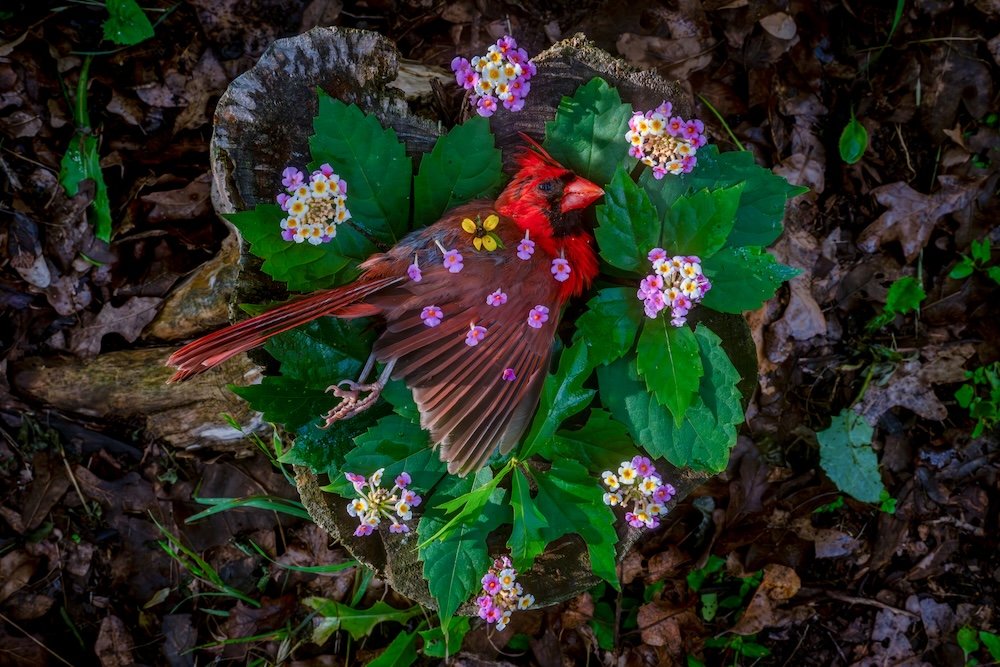
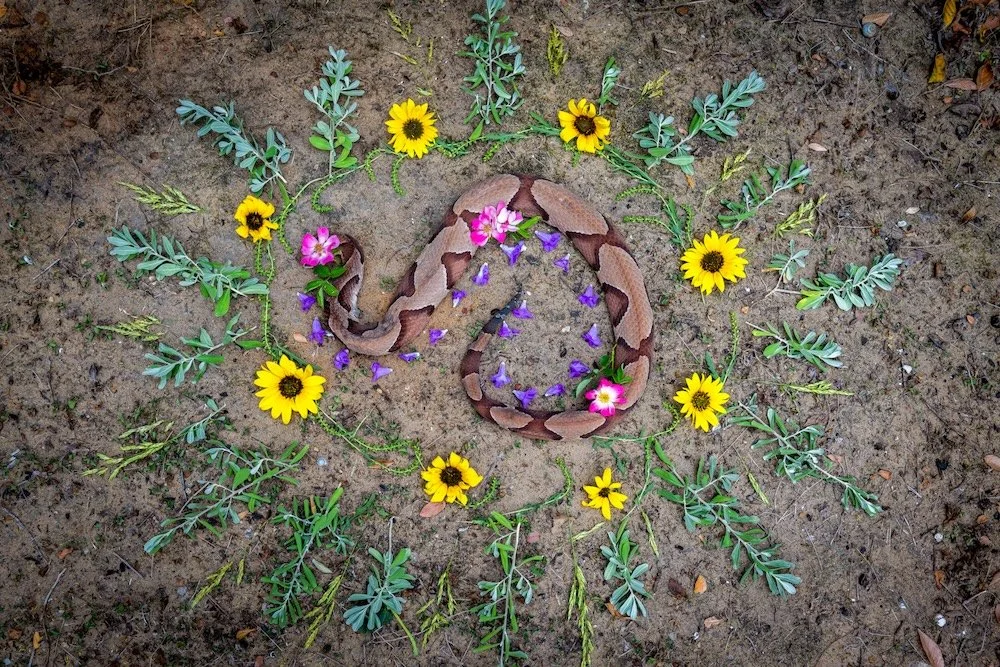
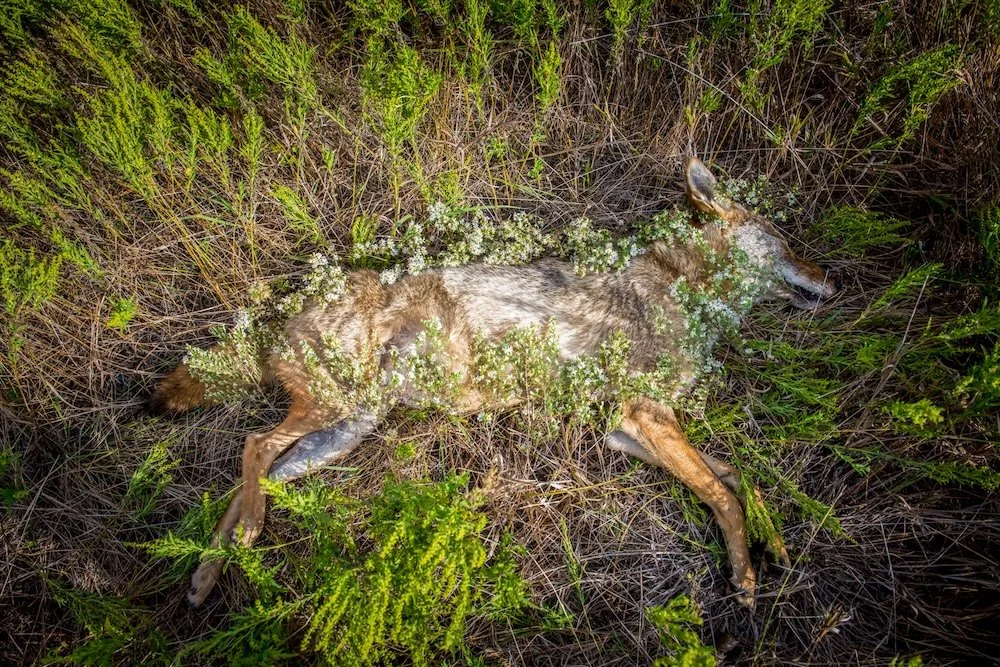
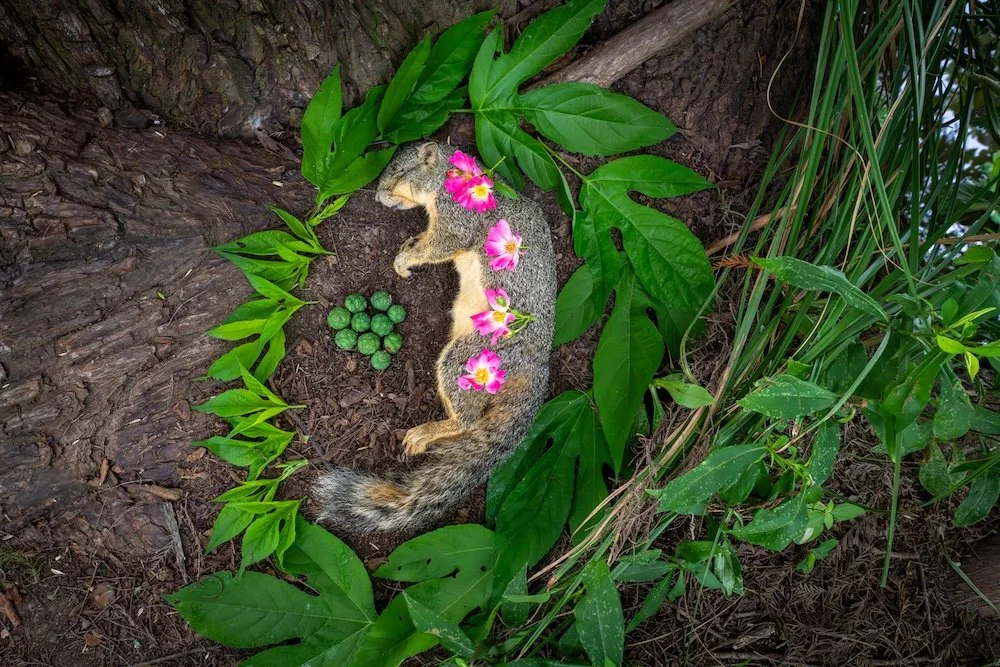
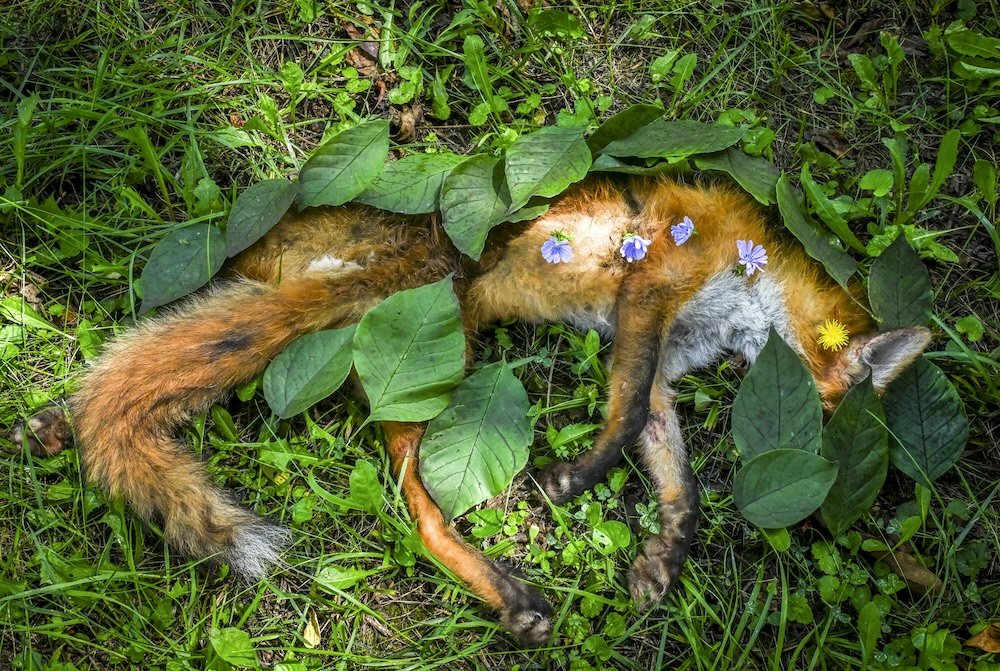
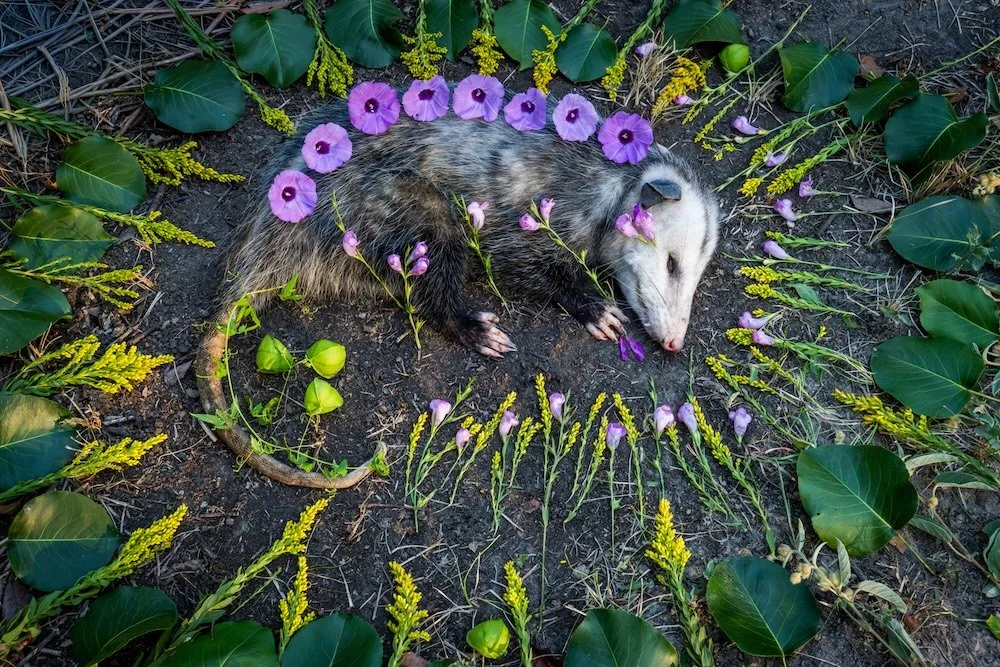
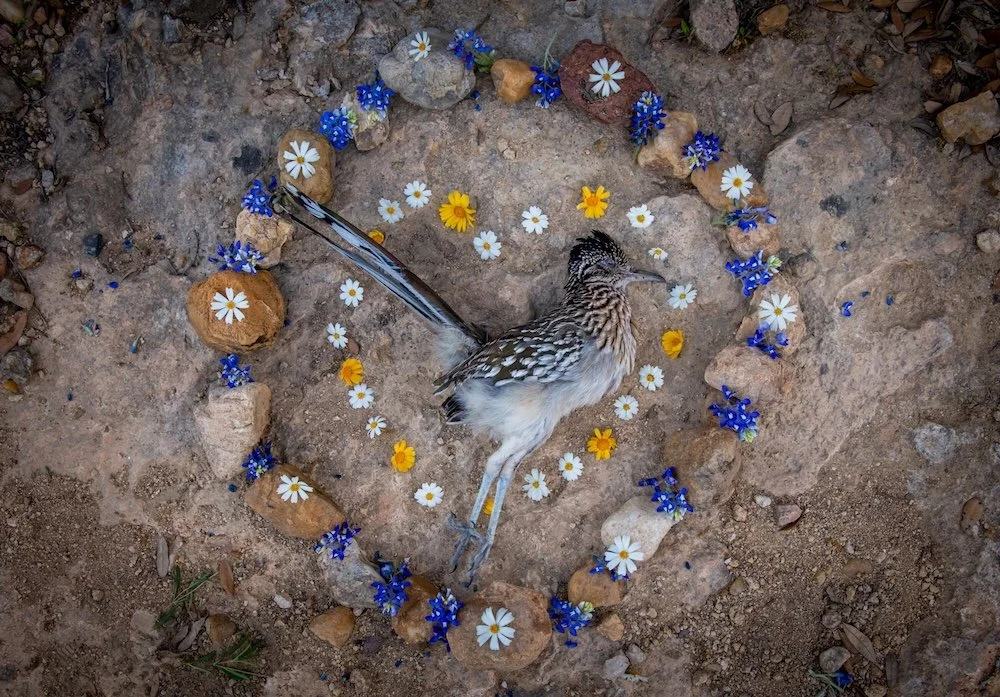
I recently became familiar with the roadkill memorials of, Amanda L. Stronza. She was kind enough to send me some photos and text for this report. Her incisive portraits of roadkill are in a word, beautiful. She has made high art out of roadkill, but with dignity, care, respect and love. She entreats us to see them as individual creatures and not just another roadkill. Here is what she wrote about her “project” titled, See Them All:
“When I say “project,” I am referring to everything around the memorials. That includes moving the animals from the concrete or asphalt—I use just old blankets and towels—and finding quieter, softer places for their bodies to rest and decay or be taken by vultures. If they are in good condition, I take them home to my yard.
I adorn each animal with flowers, branches, grasses, anything I can find, and I say I’m sorry. I usually say it silently, with love. It’s meant to be an apology for all of us. I try to treat every owl, every raccoon, every snake, skunk, and armadillo, with dignity and respect.
I make photographs of the memorials and write some words about each. I think of the photos as glimpses into the life of the animal, a testament of who they were before they died, and the words are invitations to reflect on what we see. They are something like elegies. Sometimes I offer context, such as how or where I found the animal, what I experienced while making the memorial, and any life history I can read from the remains.
Since 2018, I have created nearly 300 memorials. These include not just wild animals, but also lost or stray cats and dogs.”
There is much more to Ms. Stronza than her See Them All project. Dr. Amanda Stronza is an anthropologist, photographer, professor, and conservation storyteller who uses images, science, and narrative to change how people see and care for wild animals. For more than 30 years, she has worked in the Amazon, Botswana, and other regions around the world, weaving ethnographic and ecological research with intimate portraits of animals and the people who live alongside them.
Click on each photo to read the elegies by, Ms. Stronza. Read and see much more at her website, HERE: https://www.amandastronza.com
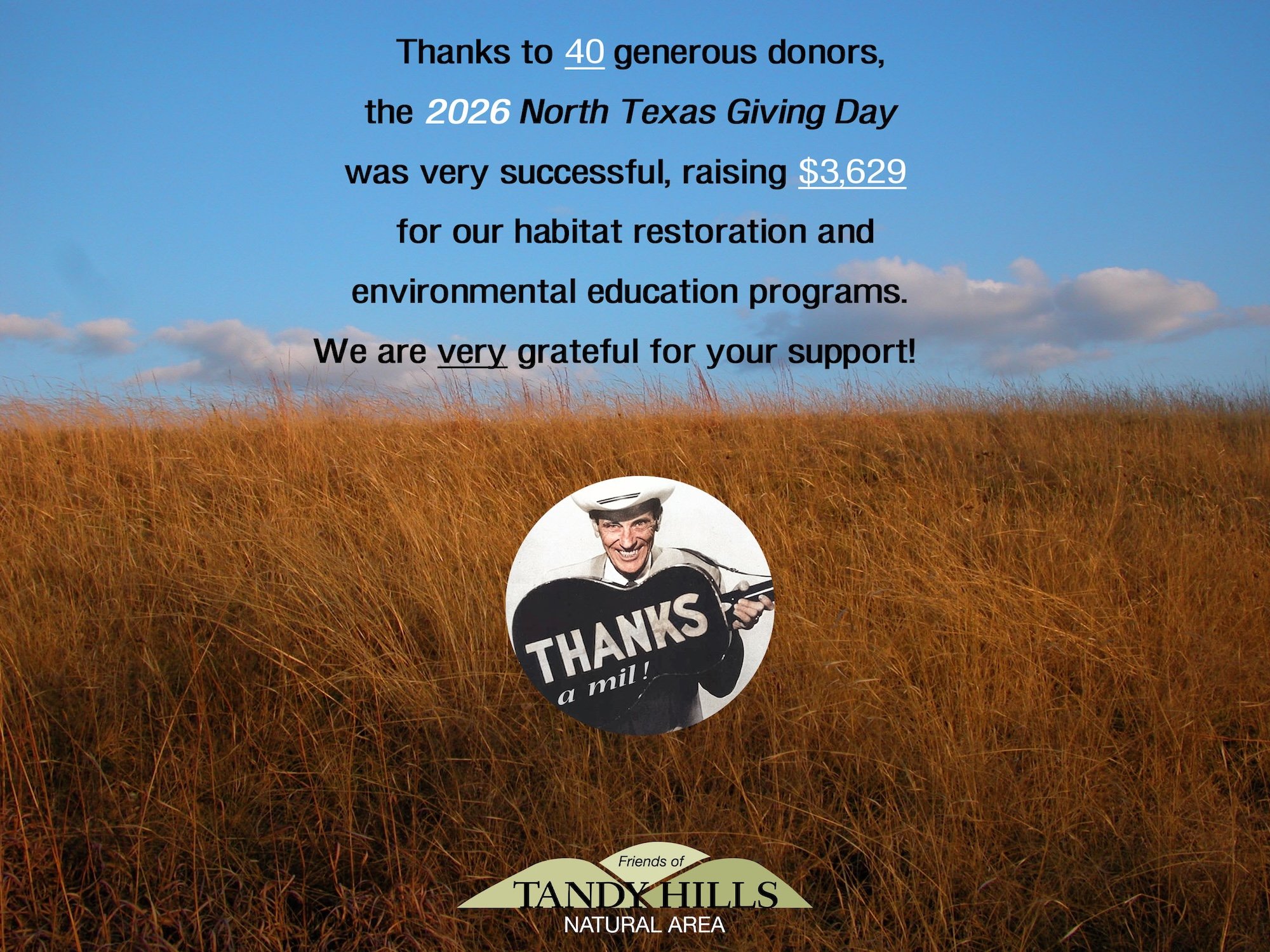
6) Giving Day Report - 2026
We are VERY grateful for the support this year. If you forgot and still want to contribute, you can always make donations at the Giving Day site or our website HERE:
7) Prairie Sky / Star Party report
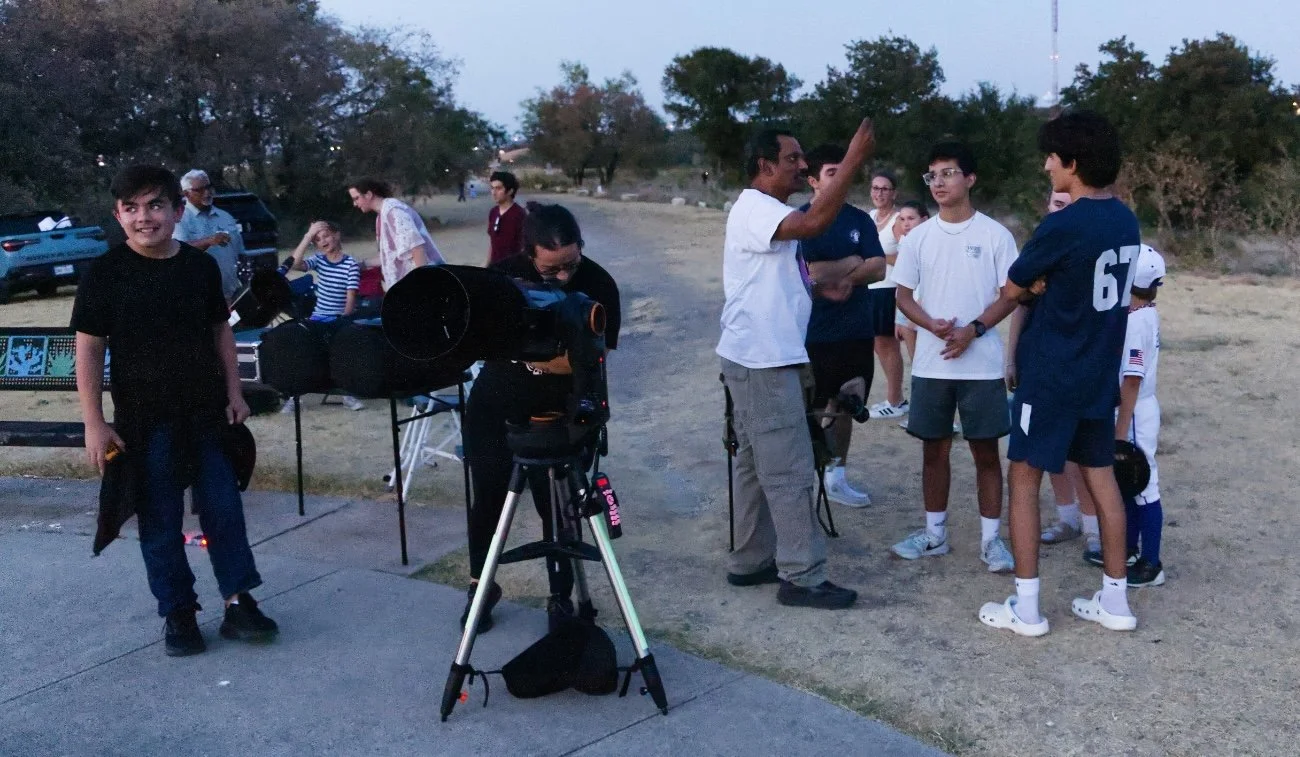
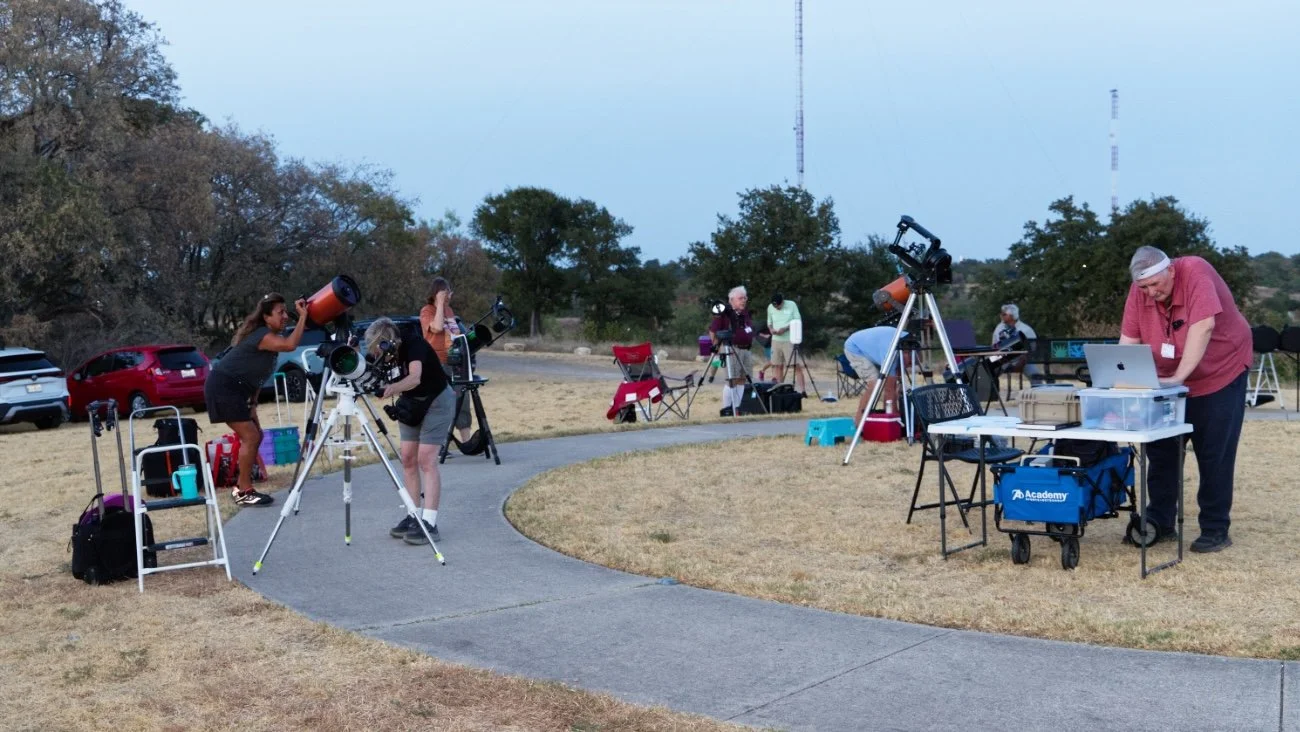
It was a great night for a star party in September. There were 15 scopes set up and an enthusiastic crowd of 50+ members of the public despite the summer heat. But the BIG news is that, a TCU astronomy professor, Dr. Doug Ingram was visiting and he and his class of 100 students will be attending the October star party. Additionally, the astronomy class from Lamar High School will be present, as well. It should be an astronomical super bowl party!
See the complete 2026 schedule, HERE.
Fort Worth Astronomical Society representative, John McCrea, has the forecast for the next star party on October 17th:
“For our October 17th Tandy Hills/FWAS star party, we will have some new fall constellations and a preview of some winter ones as the constellations continue their westward journey. The center of our galaxy can be found in the constellation, Sagittarius (the Archer). Some of the more familiar summer constellations remaining are Scorpius (the Scorpion), Lyra (the Lyre) and Cygnus (the Swan). Among the new fall constellations visible will be, Cassiopeia (Queen of Ethiopia), Pegasus (the Winged Horse), Andromeda (daughter of Cassiopeia and Cepheus), Perseus (Rescuer of Andromeda) and Pisces (the Fish). The summer triangle (Vega (25 LY), Deneb (1,411 LY), and Altair (17 LY) will still be visible. Our circumpolar friend Ursa Major (the Great Bear) will be low over the northern horizon.
The sun will set at about 6:53 PM on October 17th and we will have a 6.8-day old waxing crescent moon located in Sagittarius. The solar system’s greatest jewel, Saturn (♄), about 787 million miles away, will be in Pisces, and will be up all evening. Neptune (Ψ), at 2.8 billion miles away, will also be in Pisces. Mercury (Ȣ), at 83 million miles away, will be low in the west in the constellation Libra (the Scale). Venus will set with the sun.”


8) Prairie Proverb - Archimedes
“Eureka! I have found it!”
Become a Friend HERE: https://www.tandyhills.org/donate
Prairie Notes© is the official newsletter of Friends of Tandy Hills Natural Area, a 501 (c)(3) non-profit organization. All content by Don Young except where otherwise noted.