Prairie Notes #235 - Silphium Summer

Prairie Notes are monthly photo/journal observations from Tandy Hills Natural Area by Founder/Director, Don Young. They include field reports, flora and fauna sightings, and more, mixed with a scoop of dry humor and a bit of philosophy.
They are available free to all who get on the FOTHNA email list.
Silphium Summer
Prairie Notes #235
July 1, 2026
1) Silphium Summer
2) Field Report - June
3) New Species Report - June
4) Newsworthy & Noteworthy
5) PrairieSky / StarParty Report
6) Prairie Proverb - Dr. Harrison Ford
1) Silphium Summer
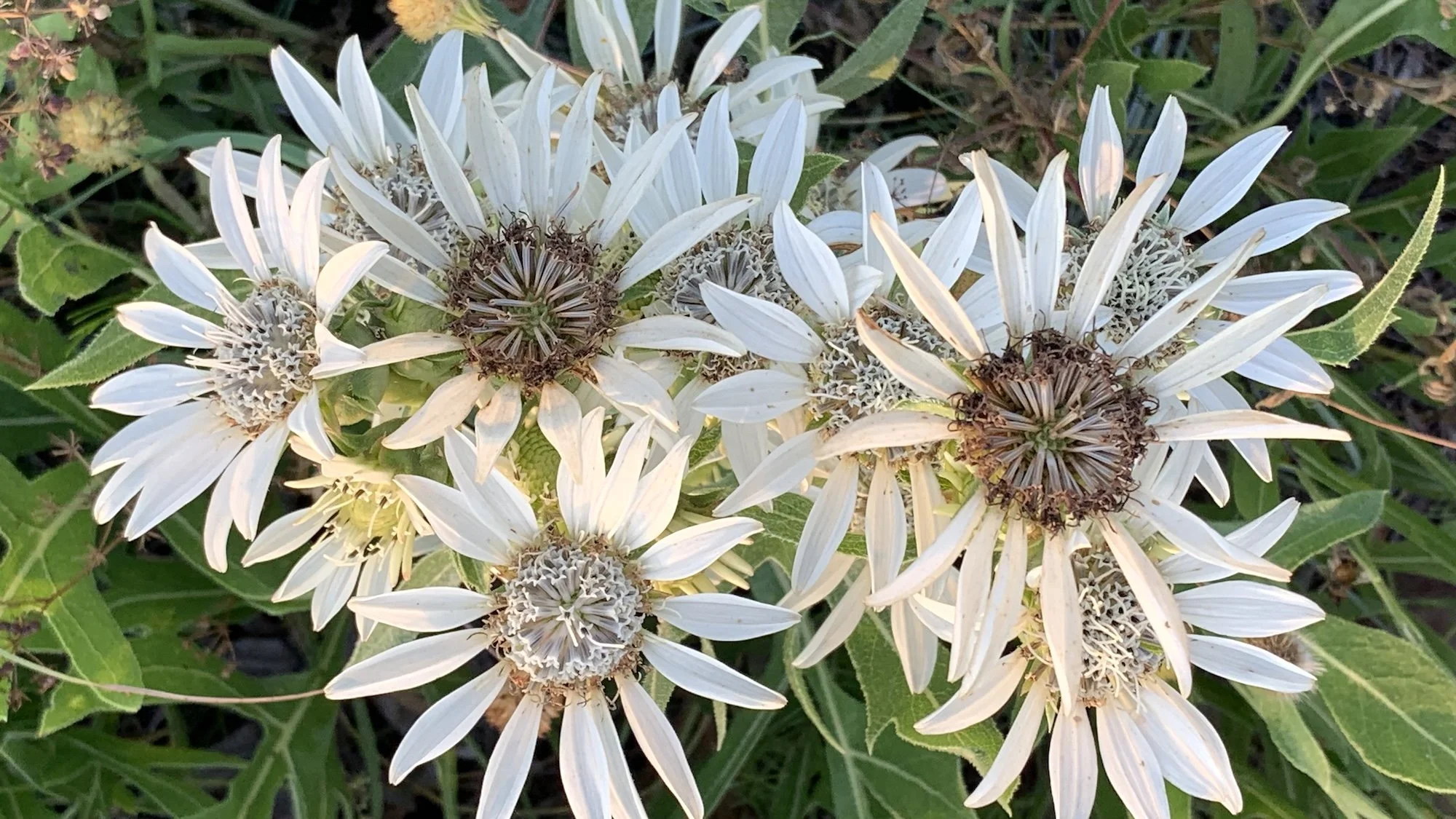
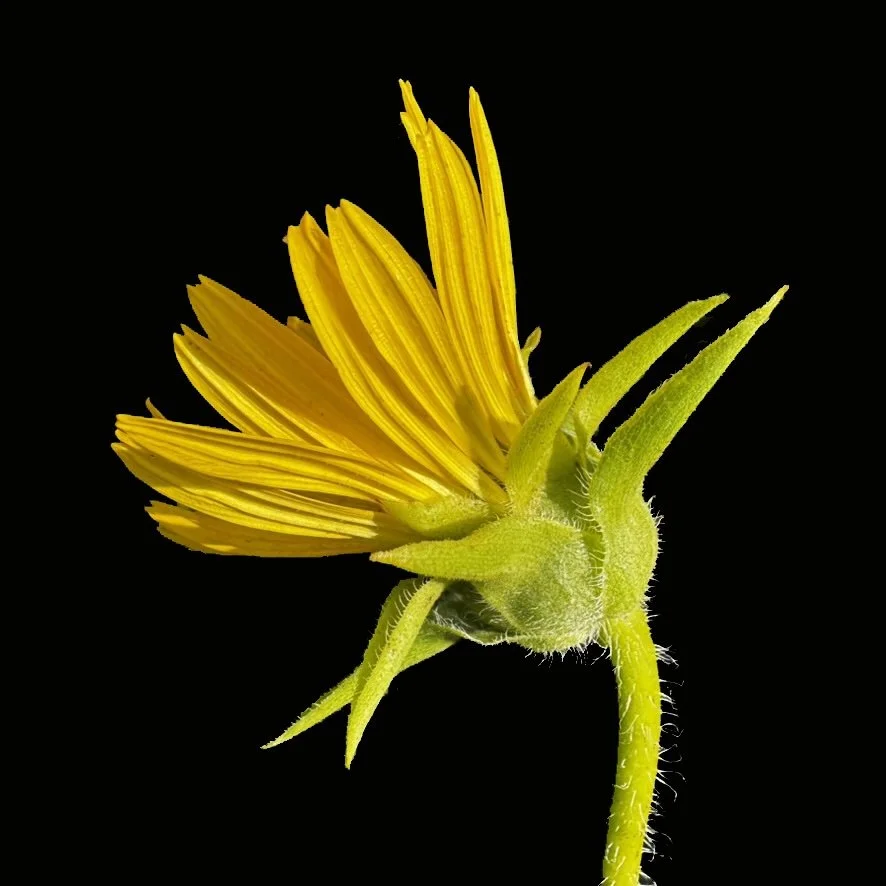
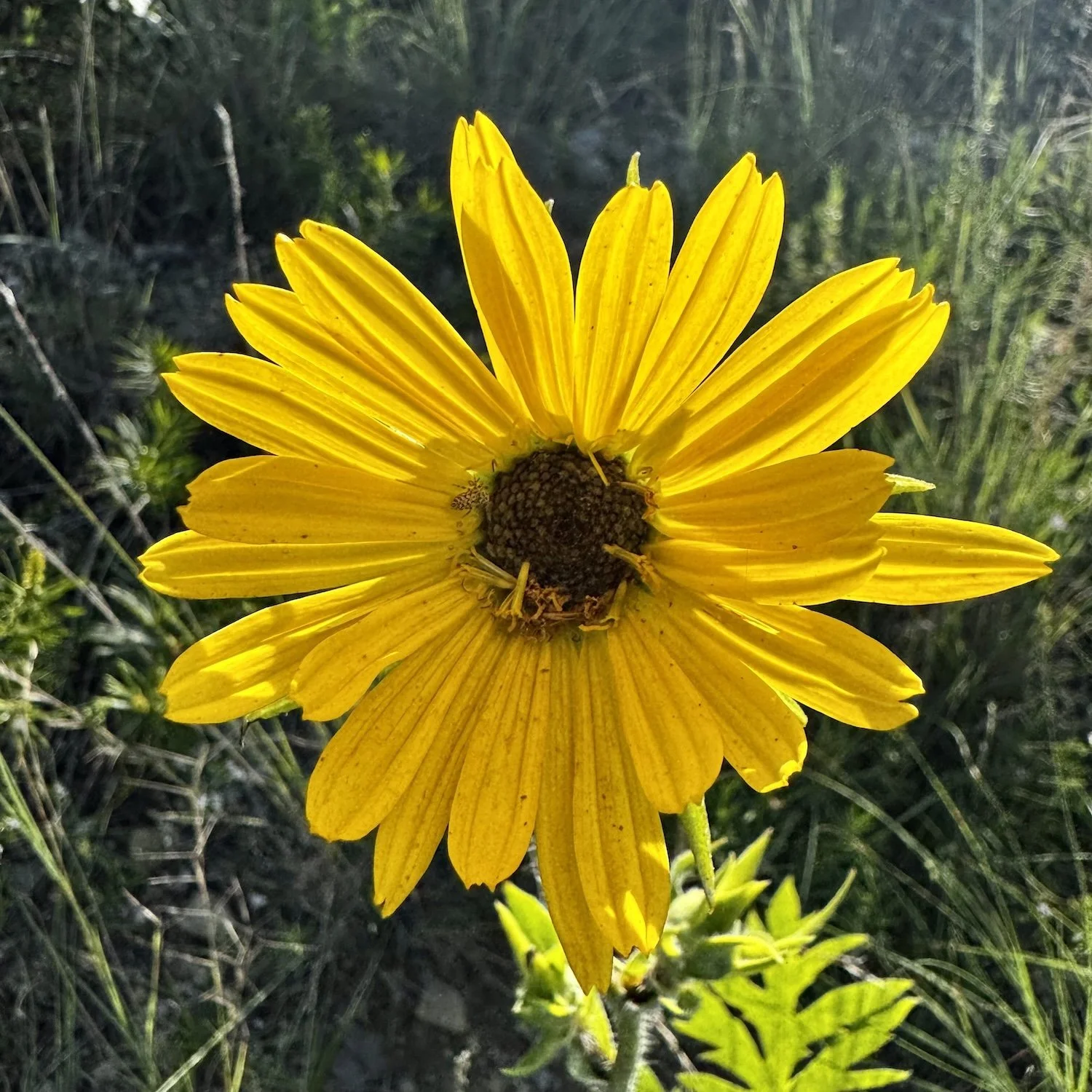
They stand like kings and queens on the summer prairie, bending gently in the breeze. Tall perennials with rigid, rough, deeply filigreed leaves. We know them more commonly as, White Rosinweed (Silphium albiflorum) and Compass Plant (Silphium laciniatum). Both are in the sunflower (Asteraceae) family but they are not common sunflowers. Their Latin name, Silphium, is an ancient African word, “Silphion” adopted by the Greeks to name a different, resinous plant that is extinct.
S. laciniatum has bright yellow flowers and a much wider range than its evolutionary descendant, S. albiflorum, which has white flowers. S. albiflorum, is also endemic to N. Central Texas. That makes it pretty darn rare and threatened due to ever-expanding development in this region. Both species are a crucial nectar source for summer insects.
Additionally, both species have very long taproot systems allowing them to survive any weather extremes, grazing, even fire. Like many other prairie plants, they are long-lived, up to 100 years in some cases.
Then, there are hybrid(s). Dr. Bruce Benz of Texas Wesleyan University in Fort Worth, has been studying Silphiums since 1997. He and his students have spent countless hours documenting and researching Silphiums across the NTX region. Dr. Benz assures me that the pale yellow flowers I see on some individuals are not simply color variants but, indeed, they are hybrids between the two species. “After all, he said, they are each other’s closest relative.”
According to iNaturalist, the hybrids are still being referred to as Compass Plant (S. laciniatum.) That may change as more research is completed. I can confirm that there are more of the hybrids this year than I have ever observed. But as Dr. Benz also noted, the S. Albiflorum population at Tandy Hills is no longer reproducing and may be in decline. However, that is not the case at other local prairies. The reasons for that are unclear.
I wrote in more detail on this topic in Prairie Notes #175. Check it out HERE.
As always, thanks for reading these Prairie Notes and supporting Friends of Tandy Hills Natural Area. Your donations are welcome HERE.
DY
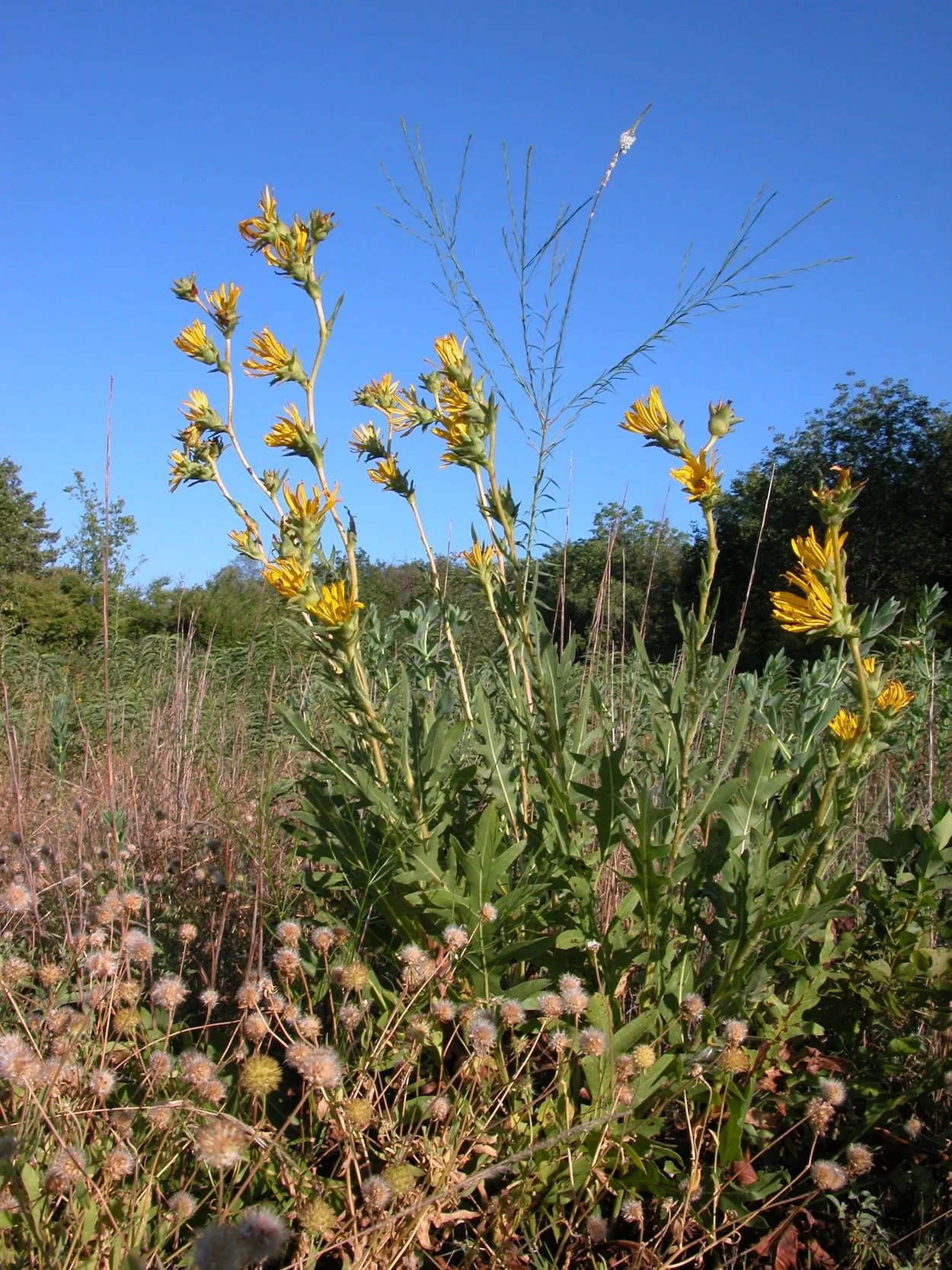
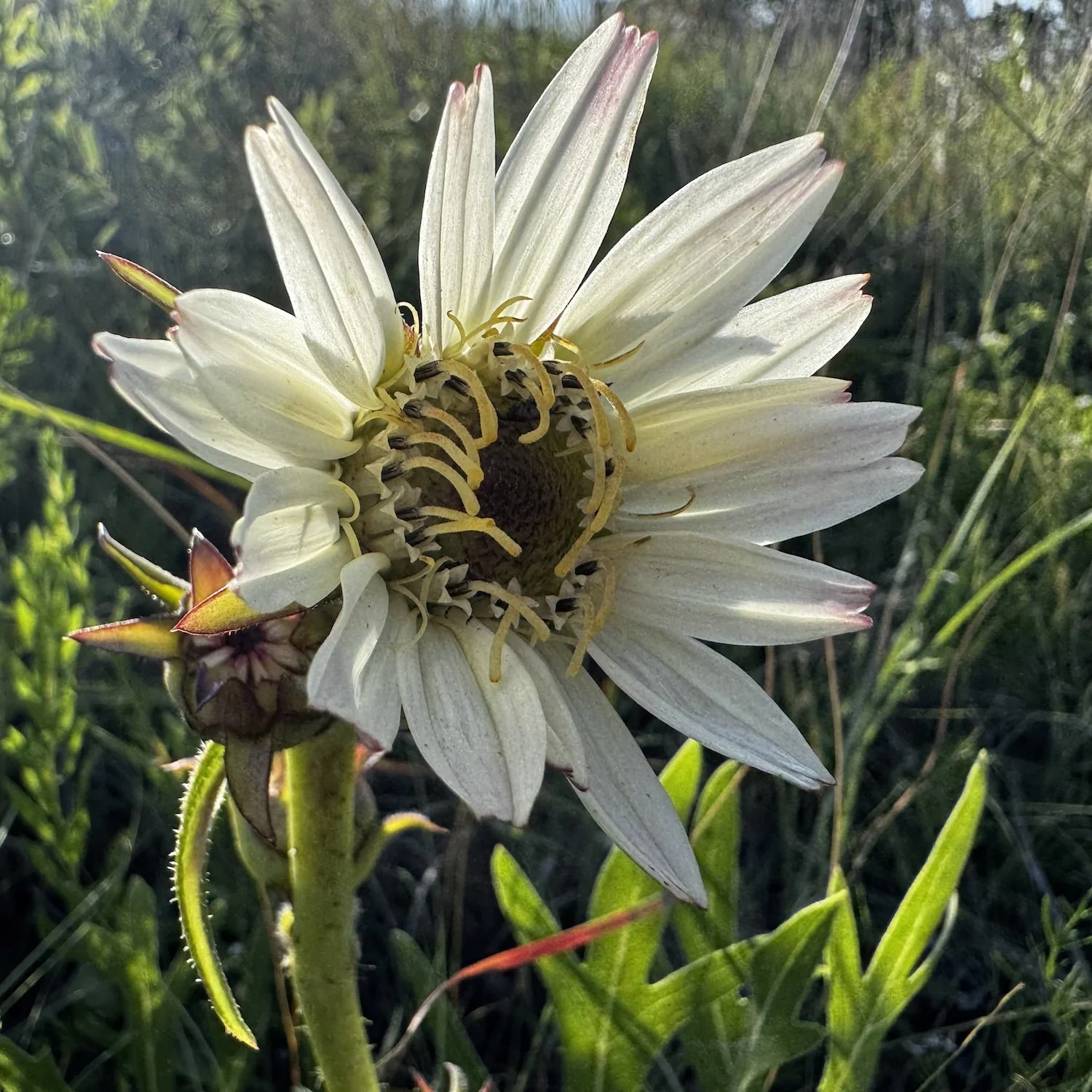
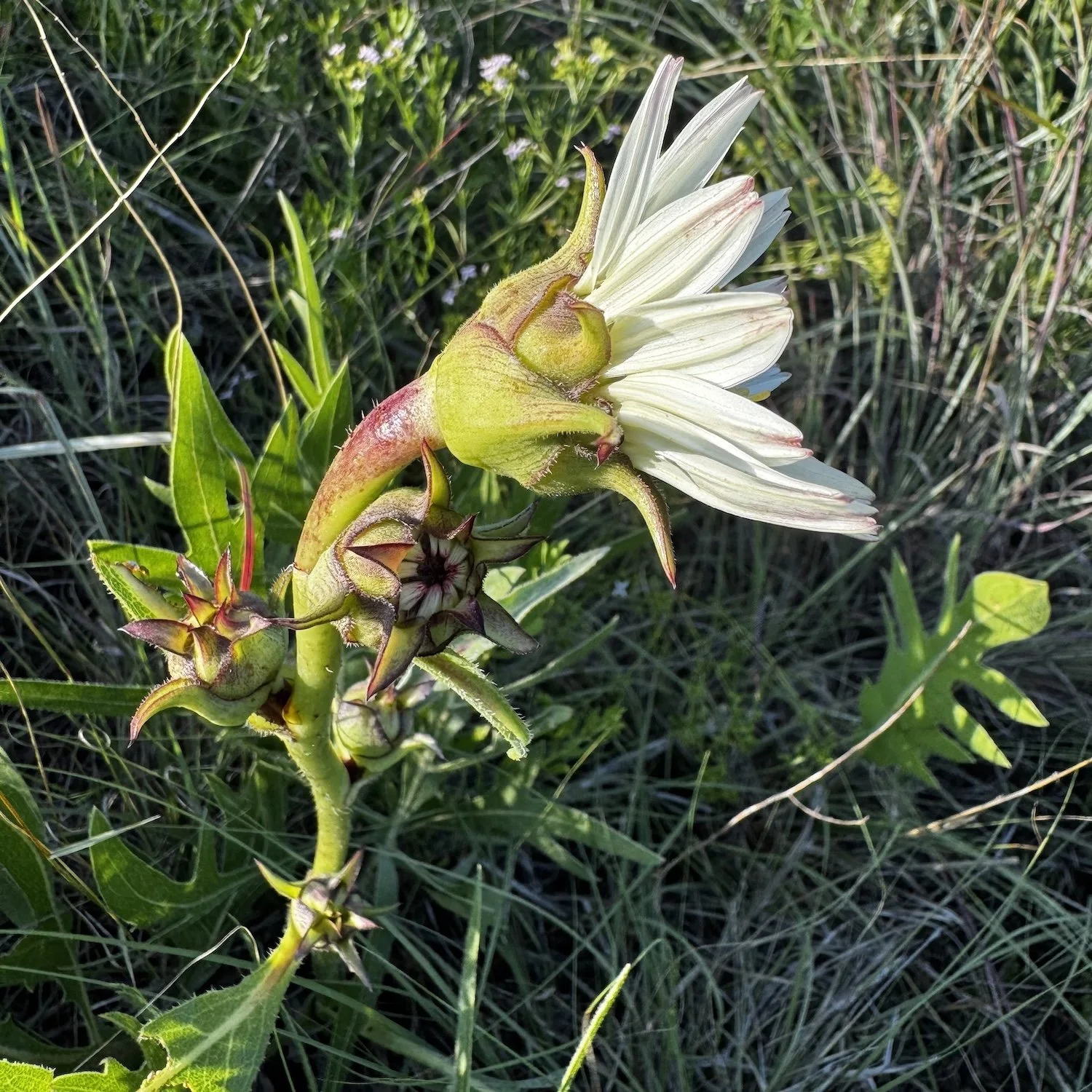
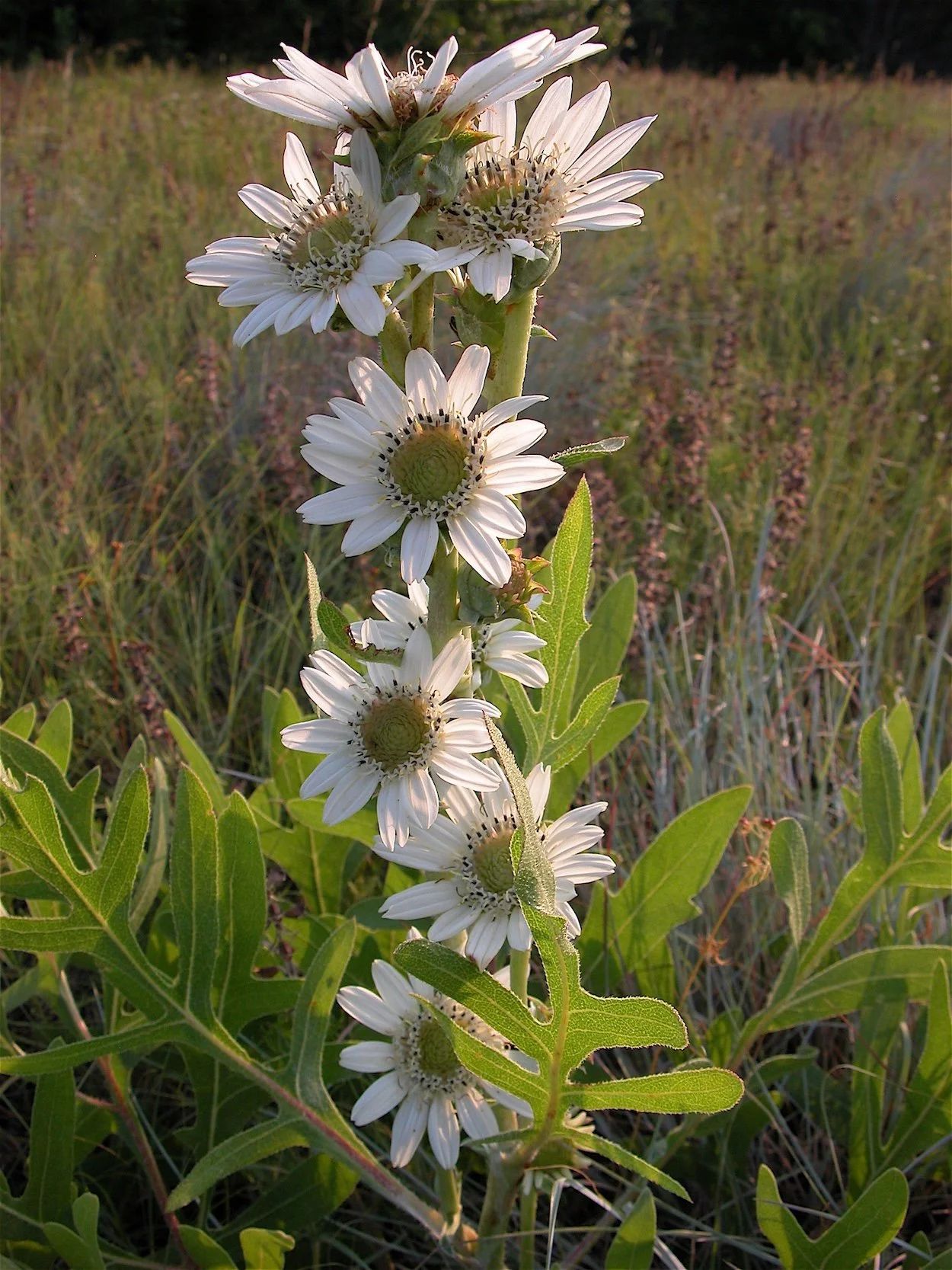
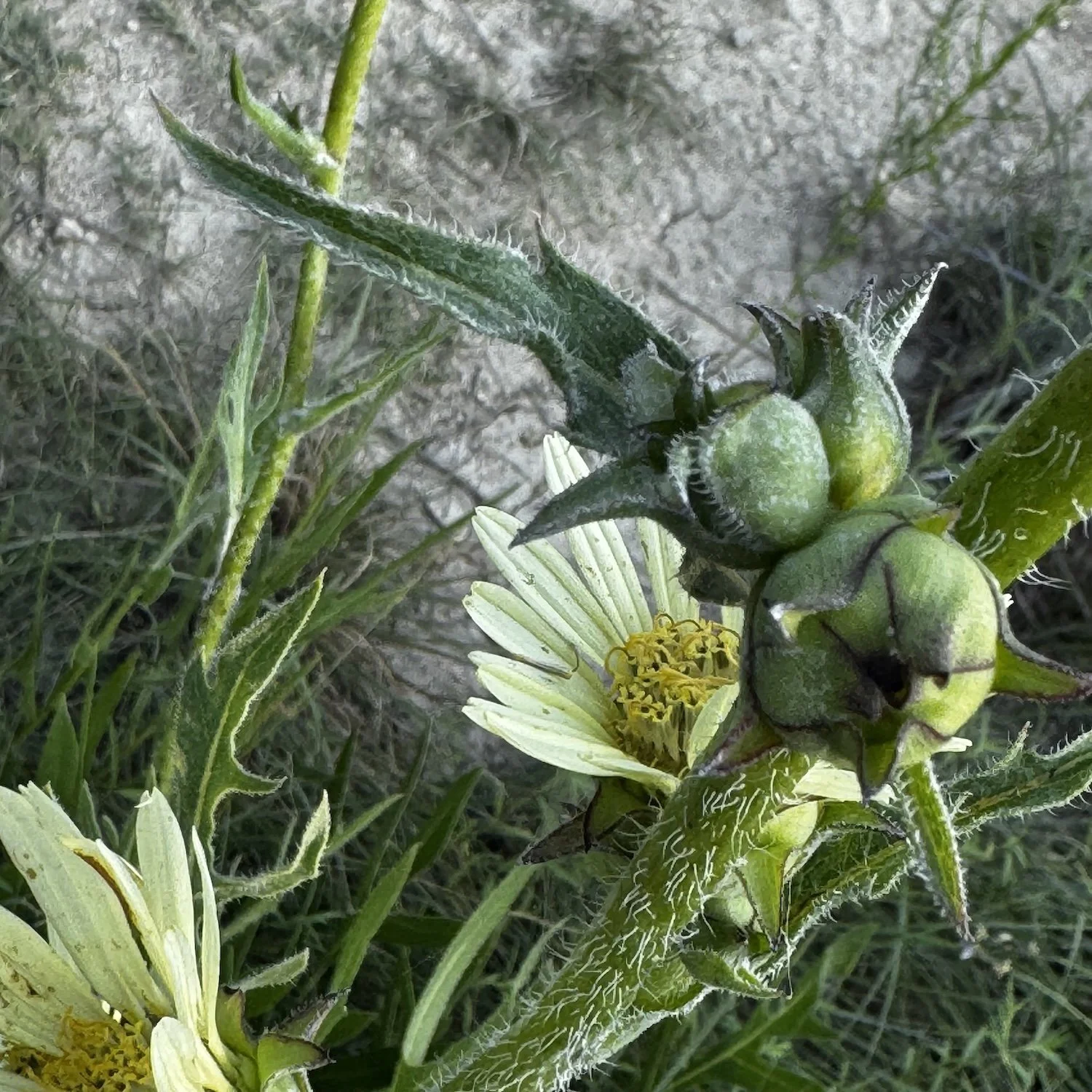
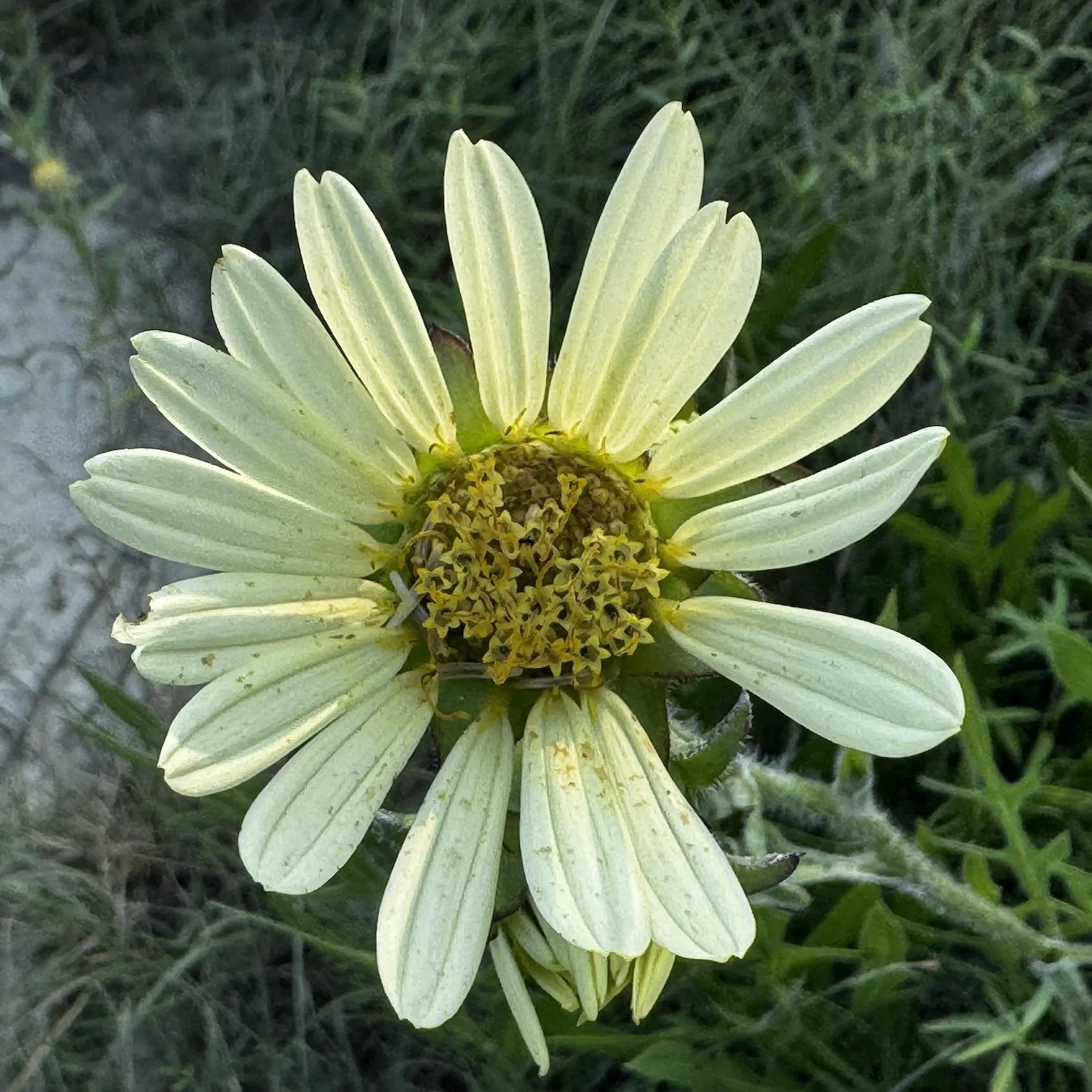
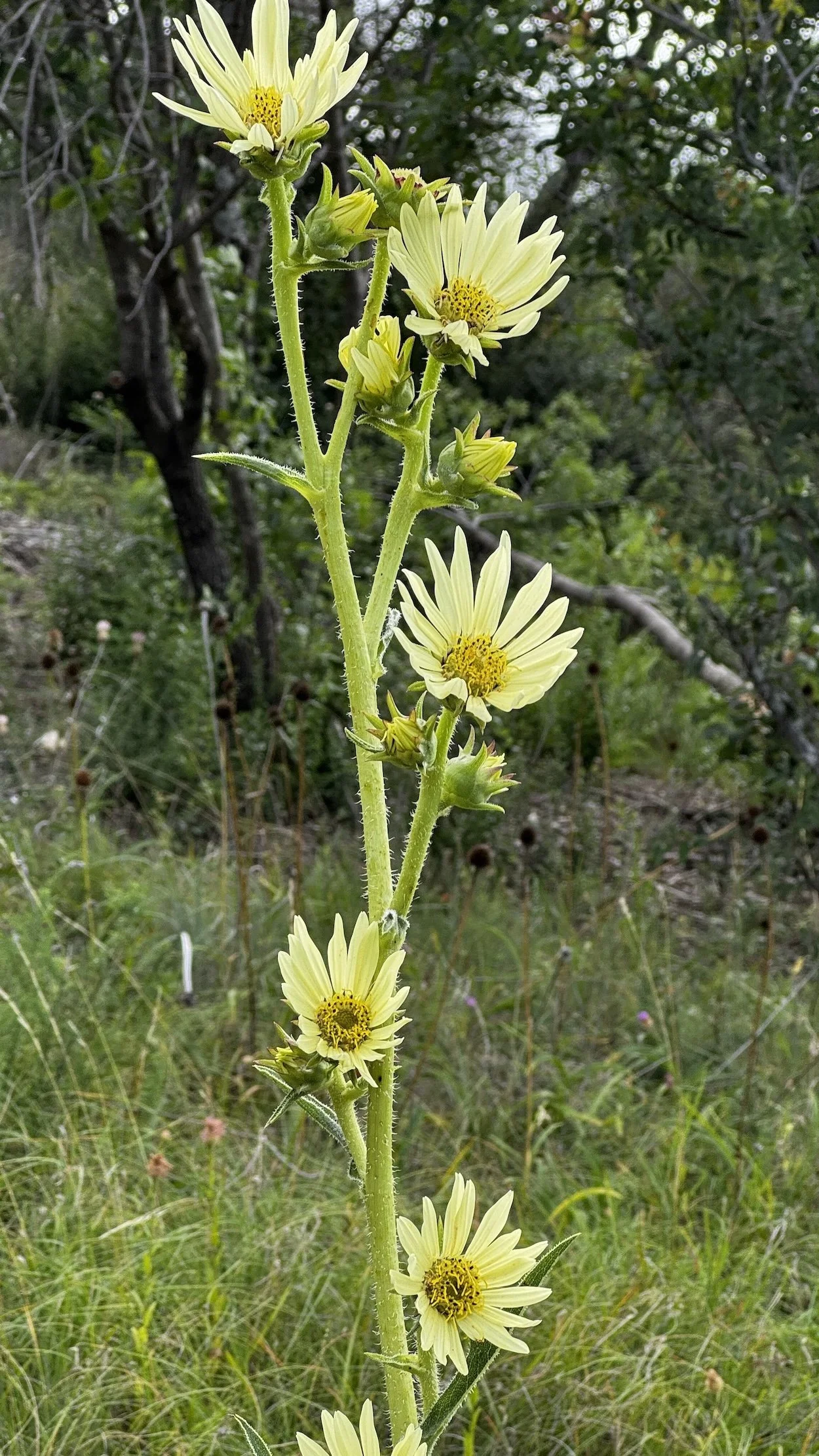
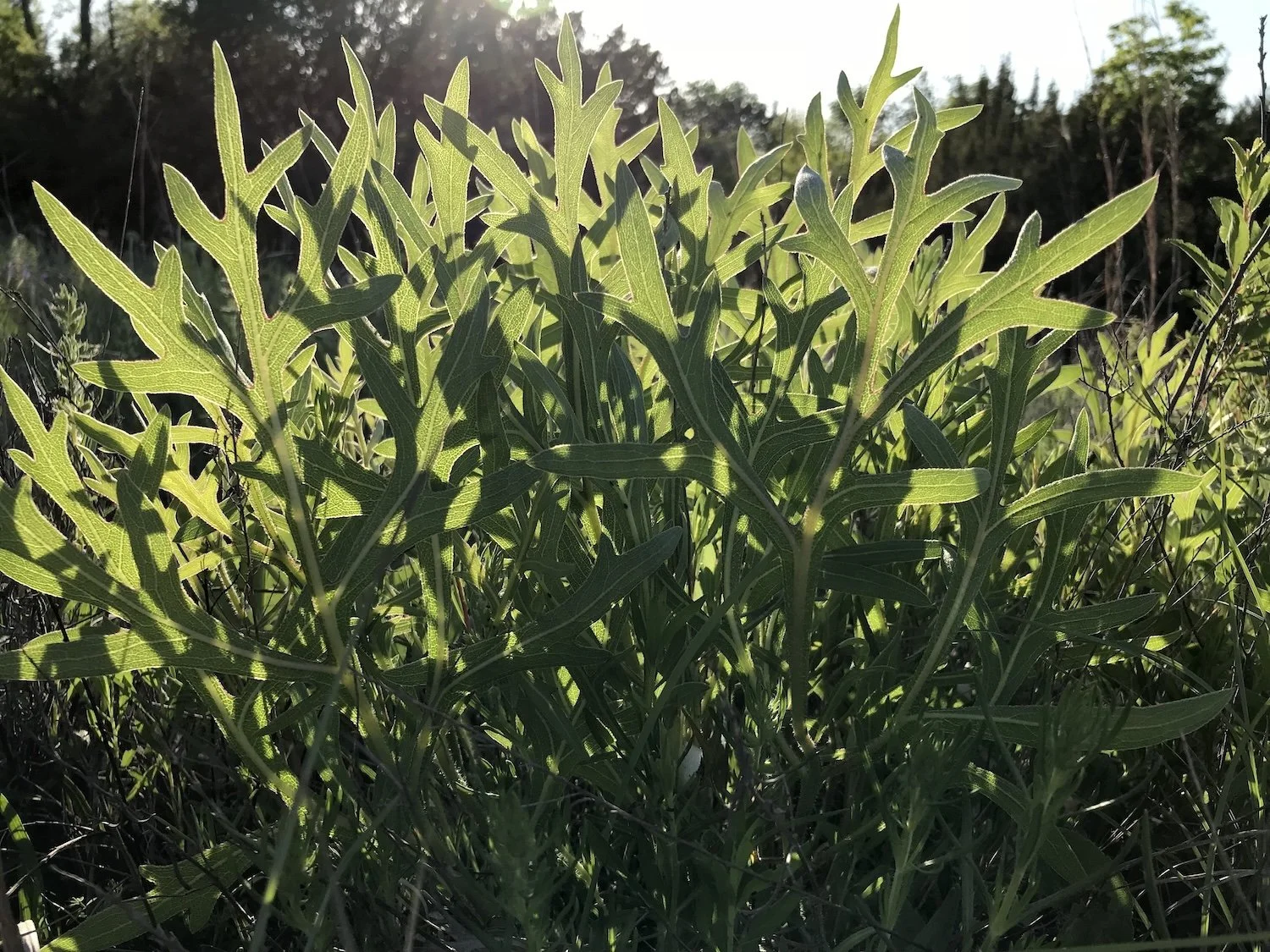
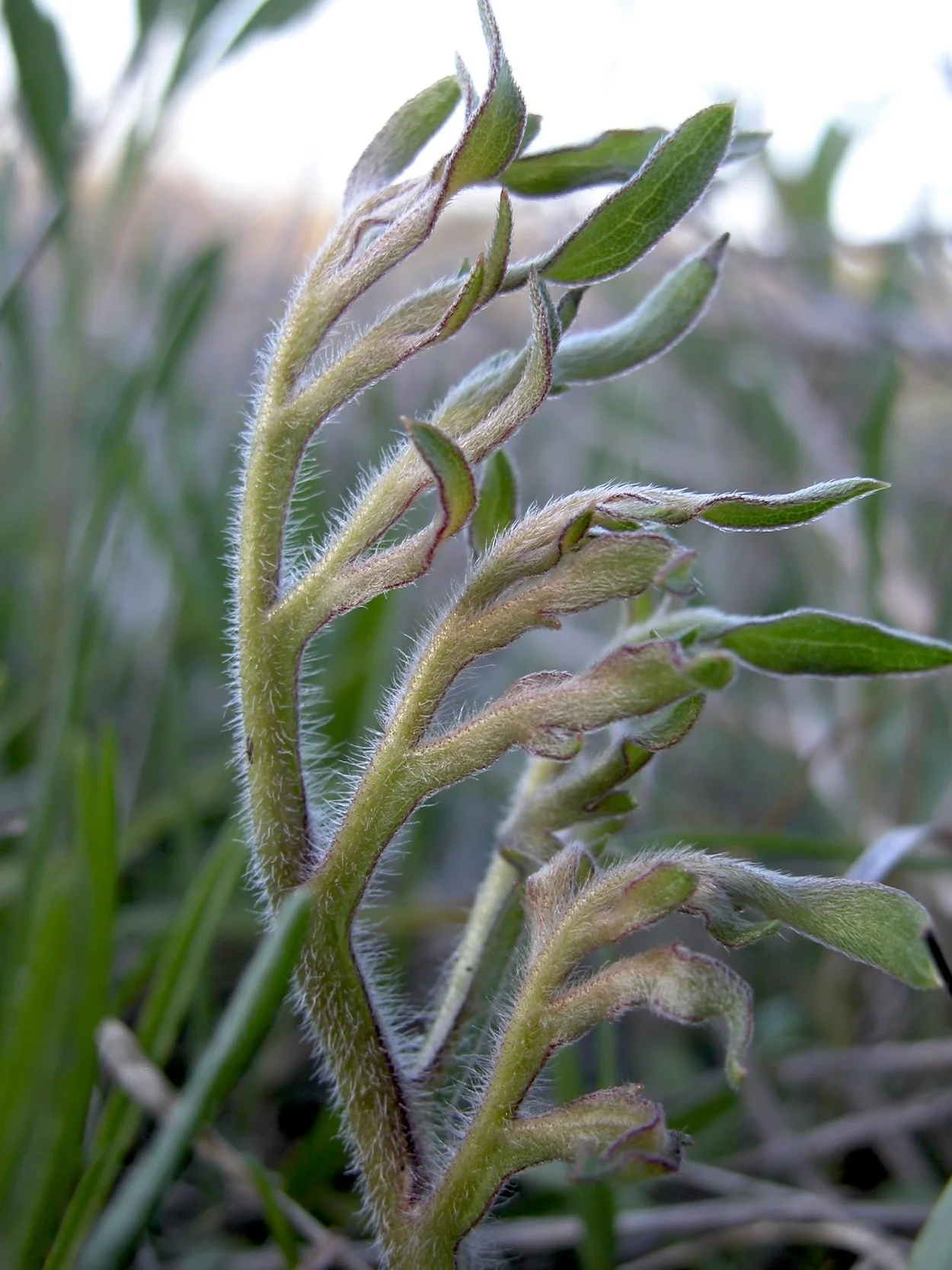
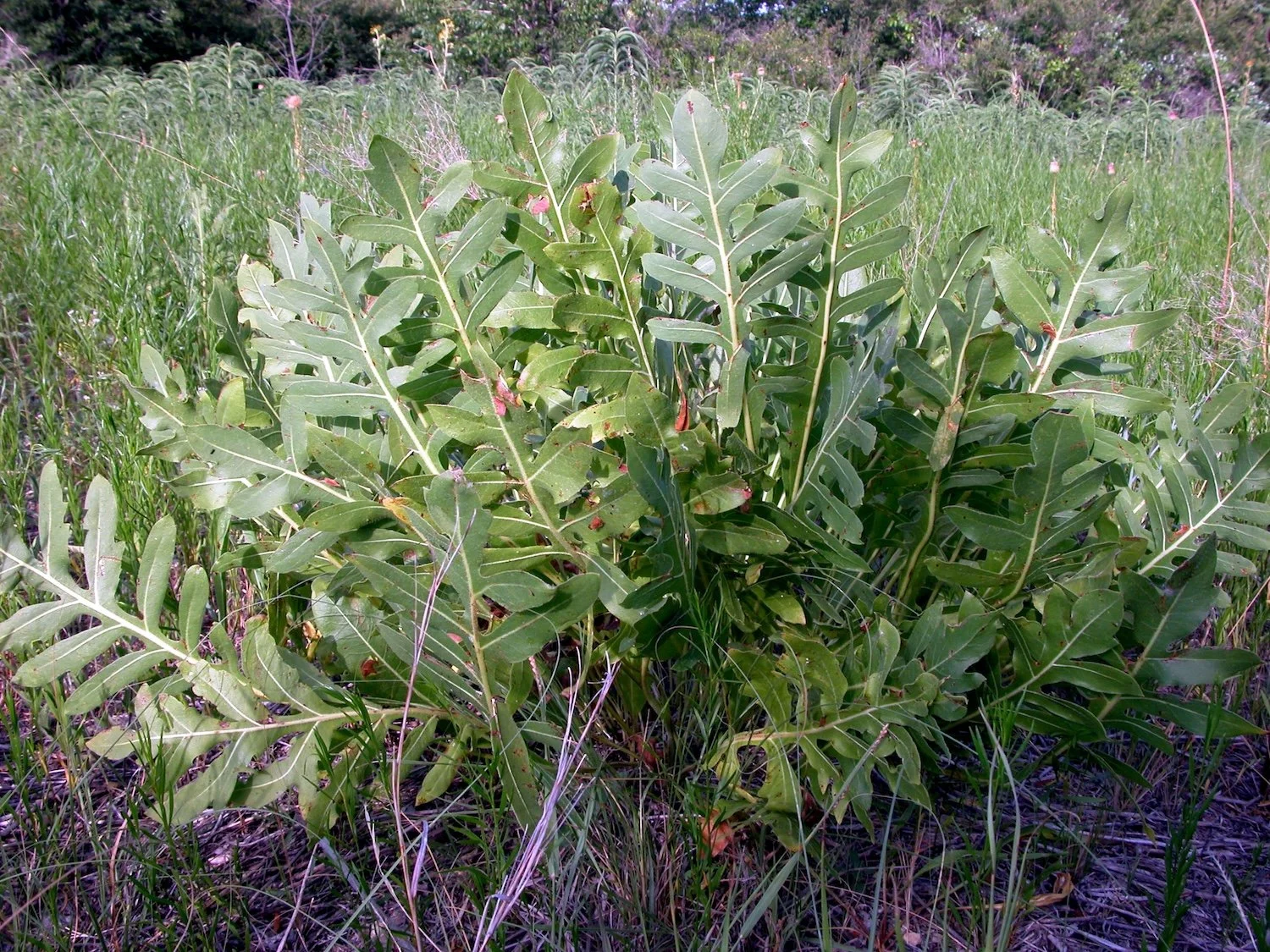
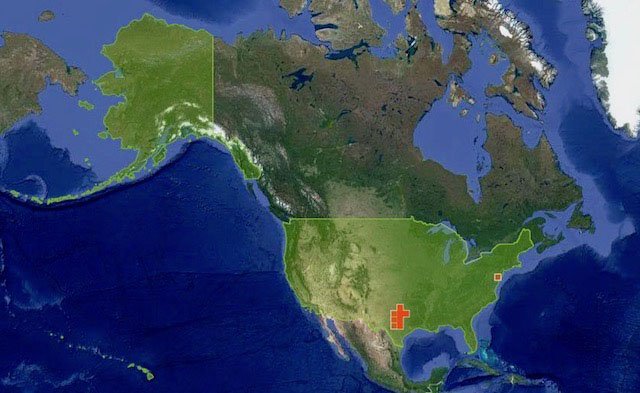
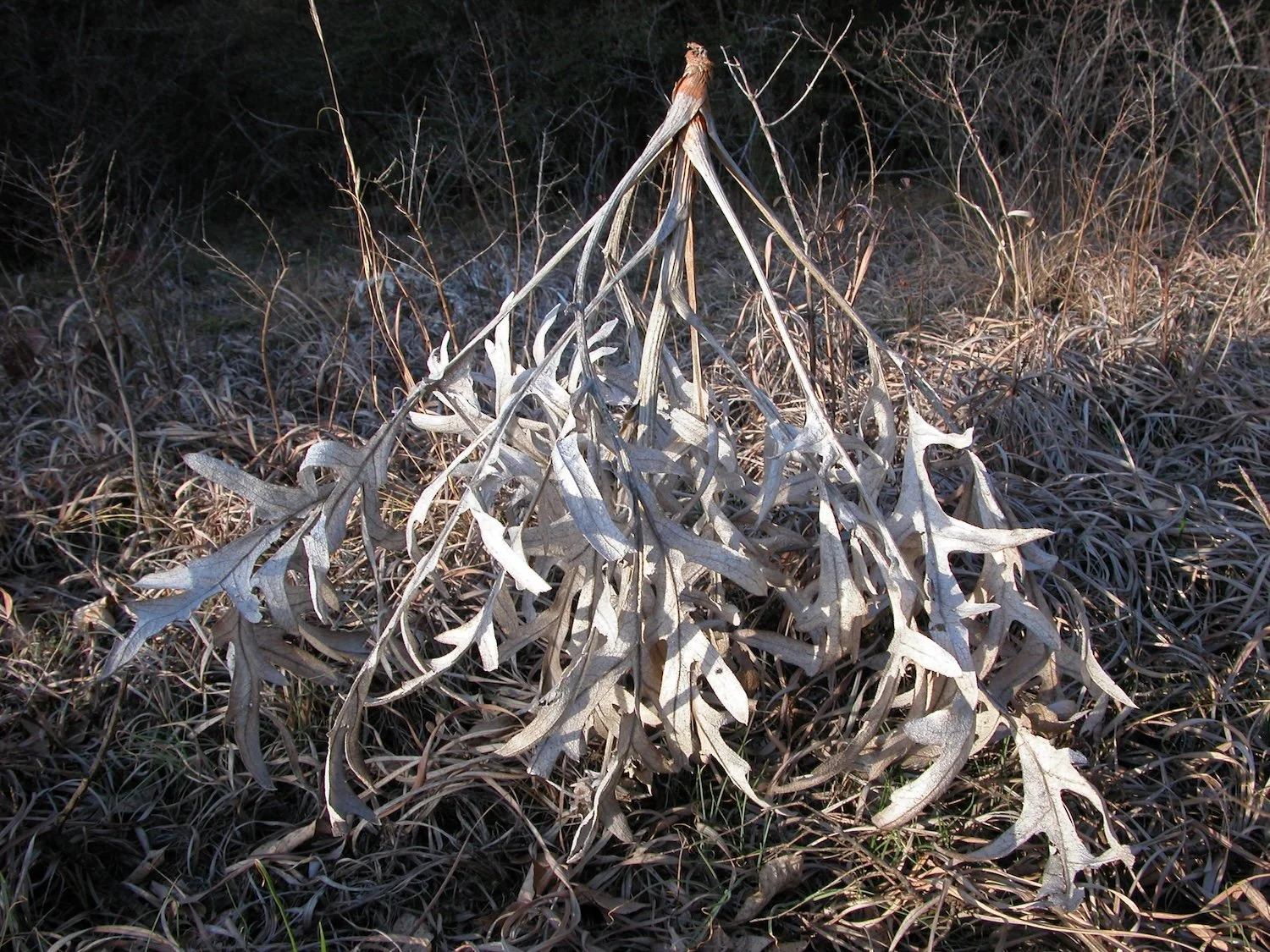
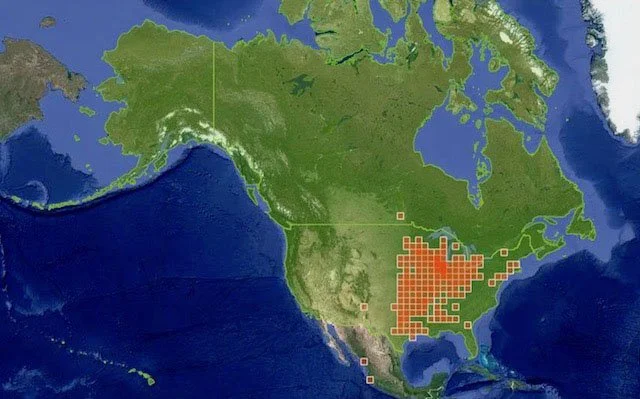
A lovely patch of White Rosinweed (Silphium albiflorum) just off the eastern trail. This species is endemic to north Texas.
2) Field Report - July
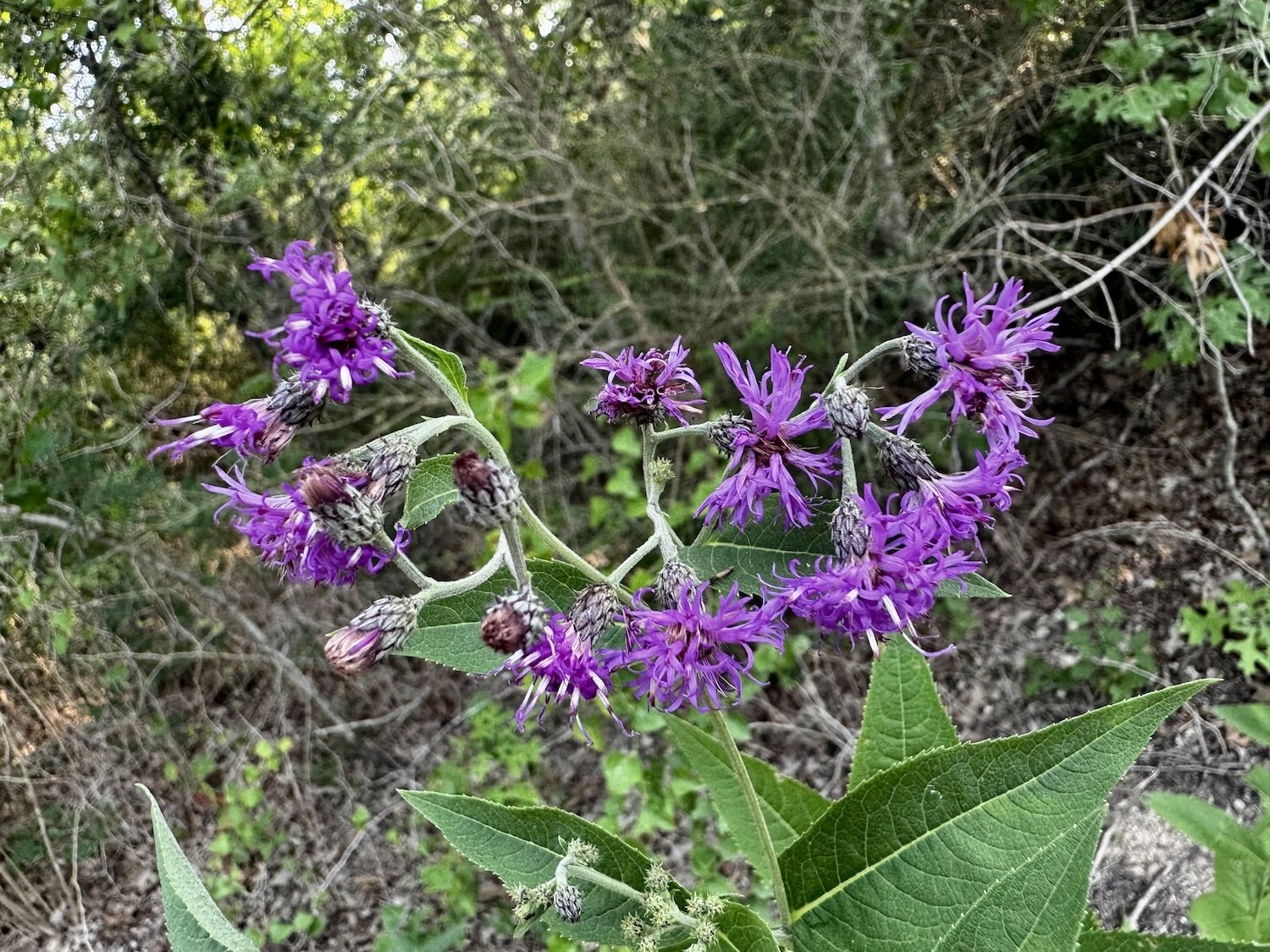
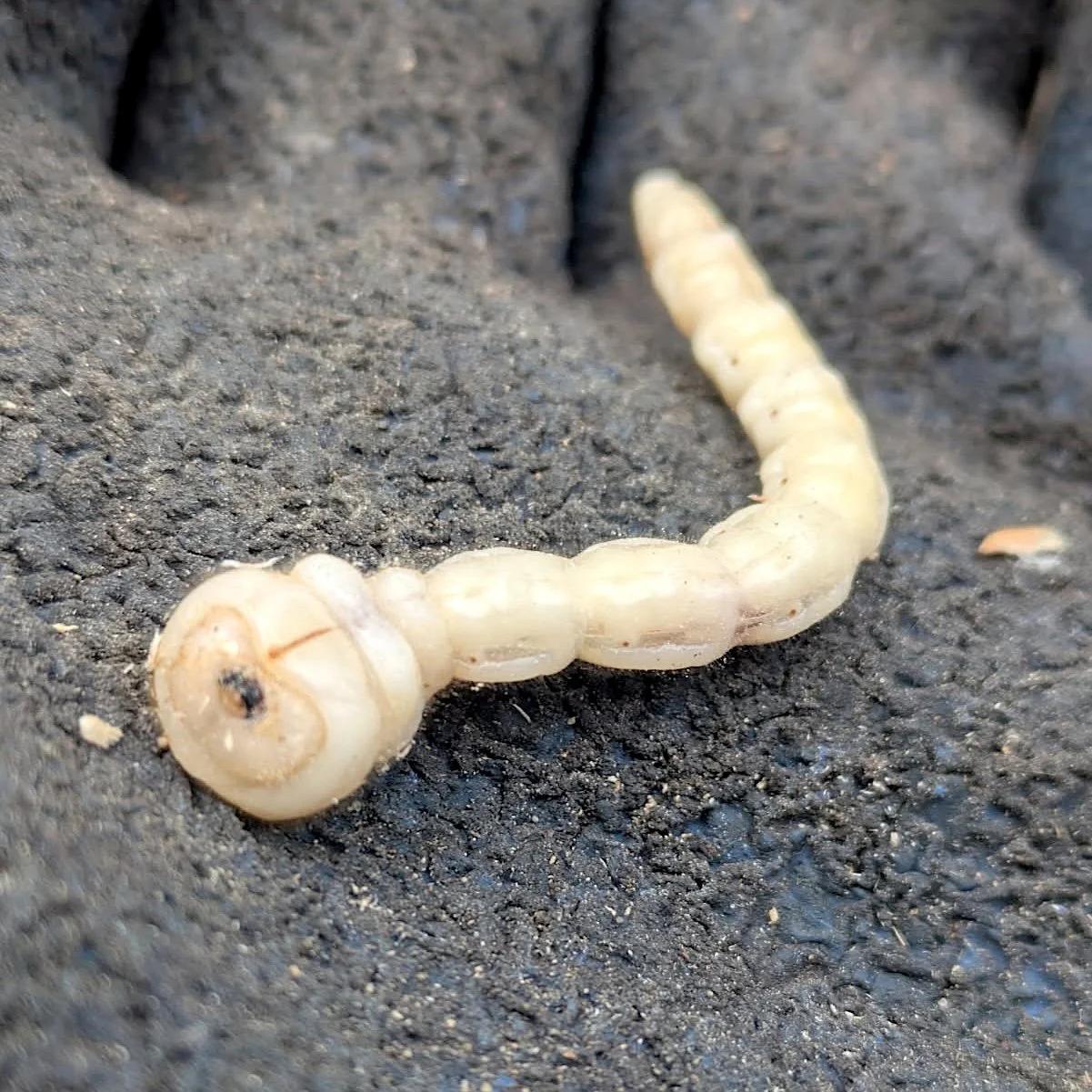
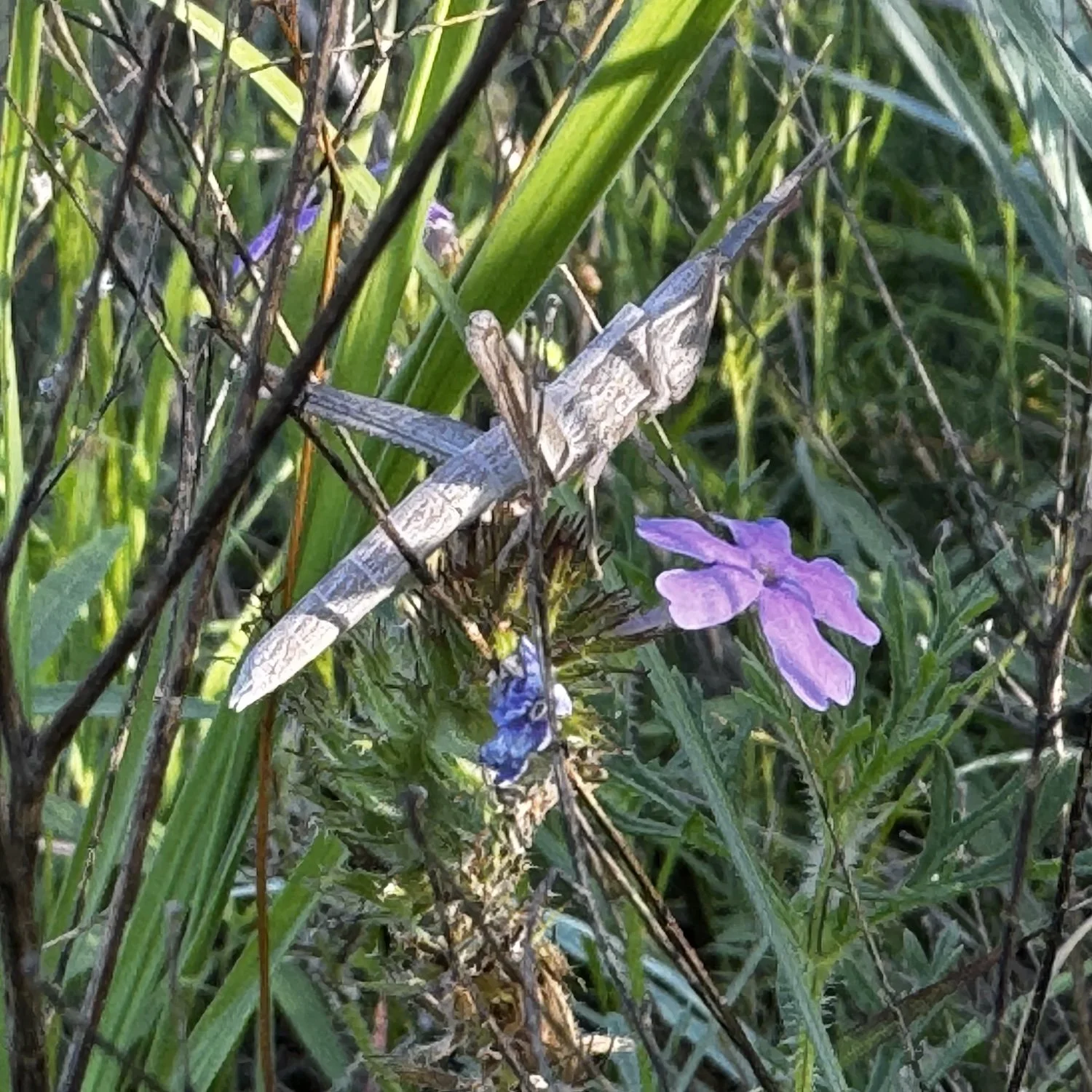
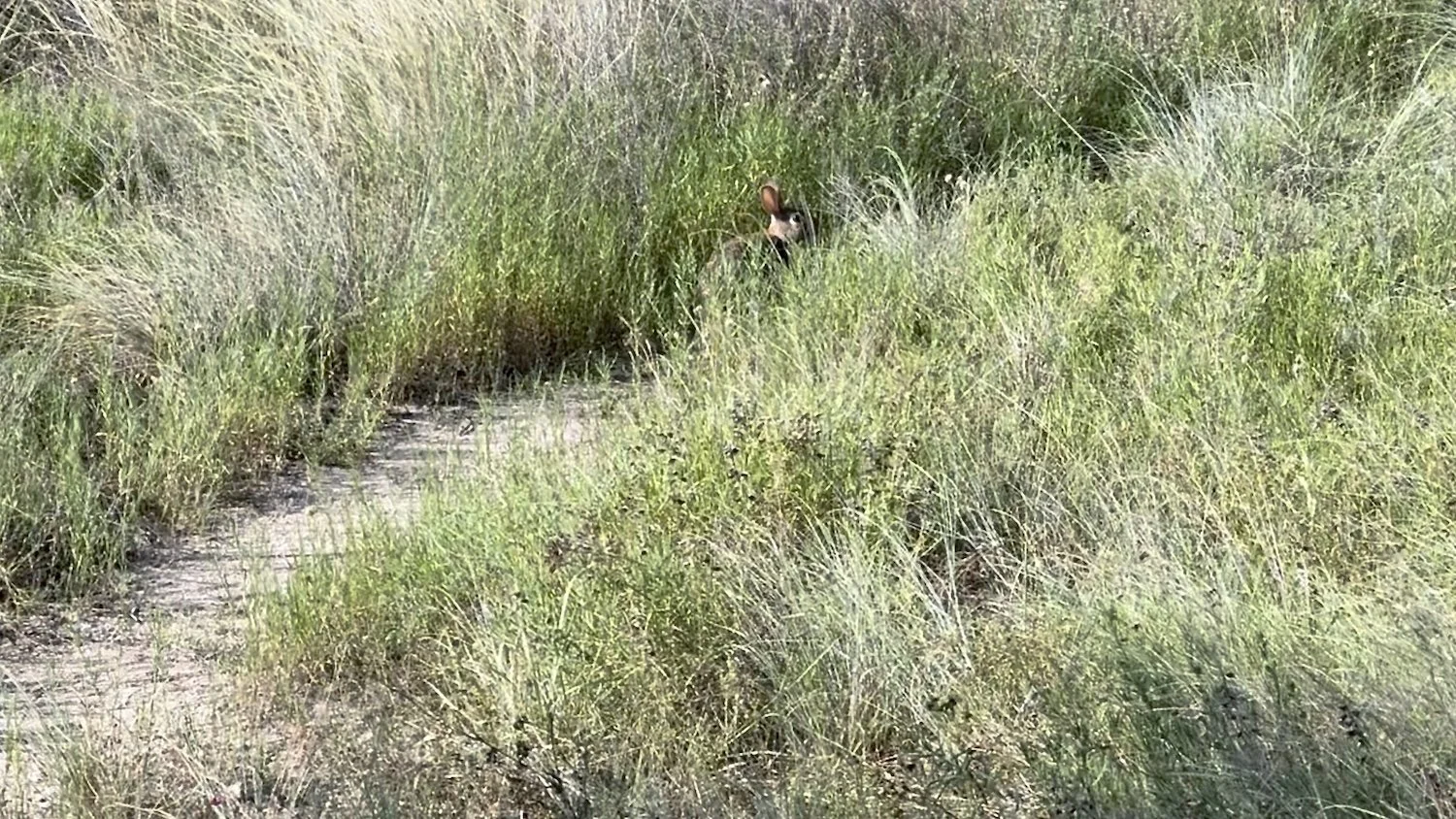
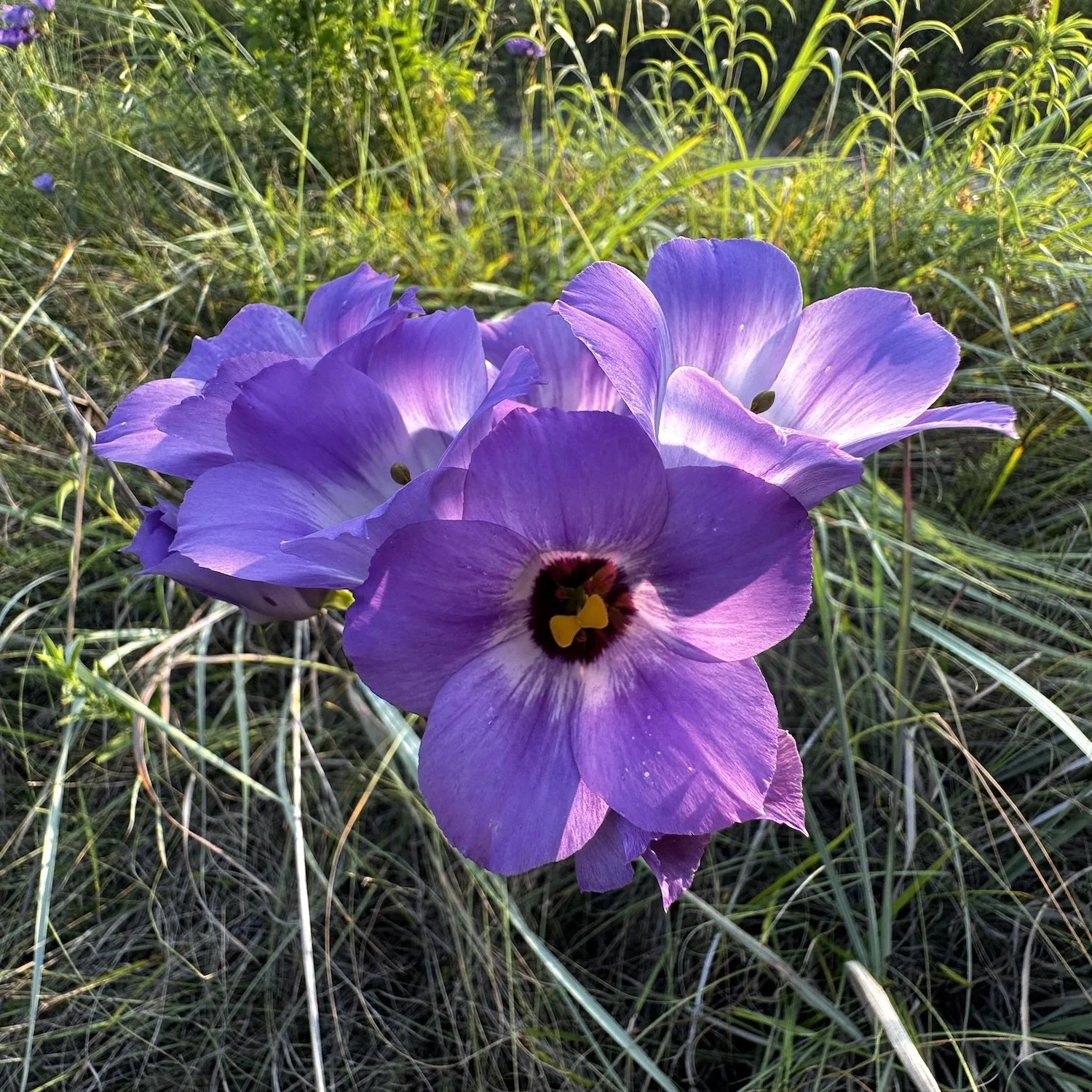
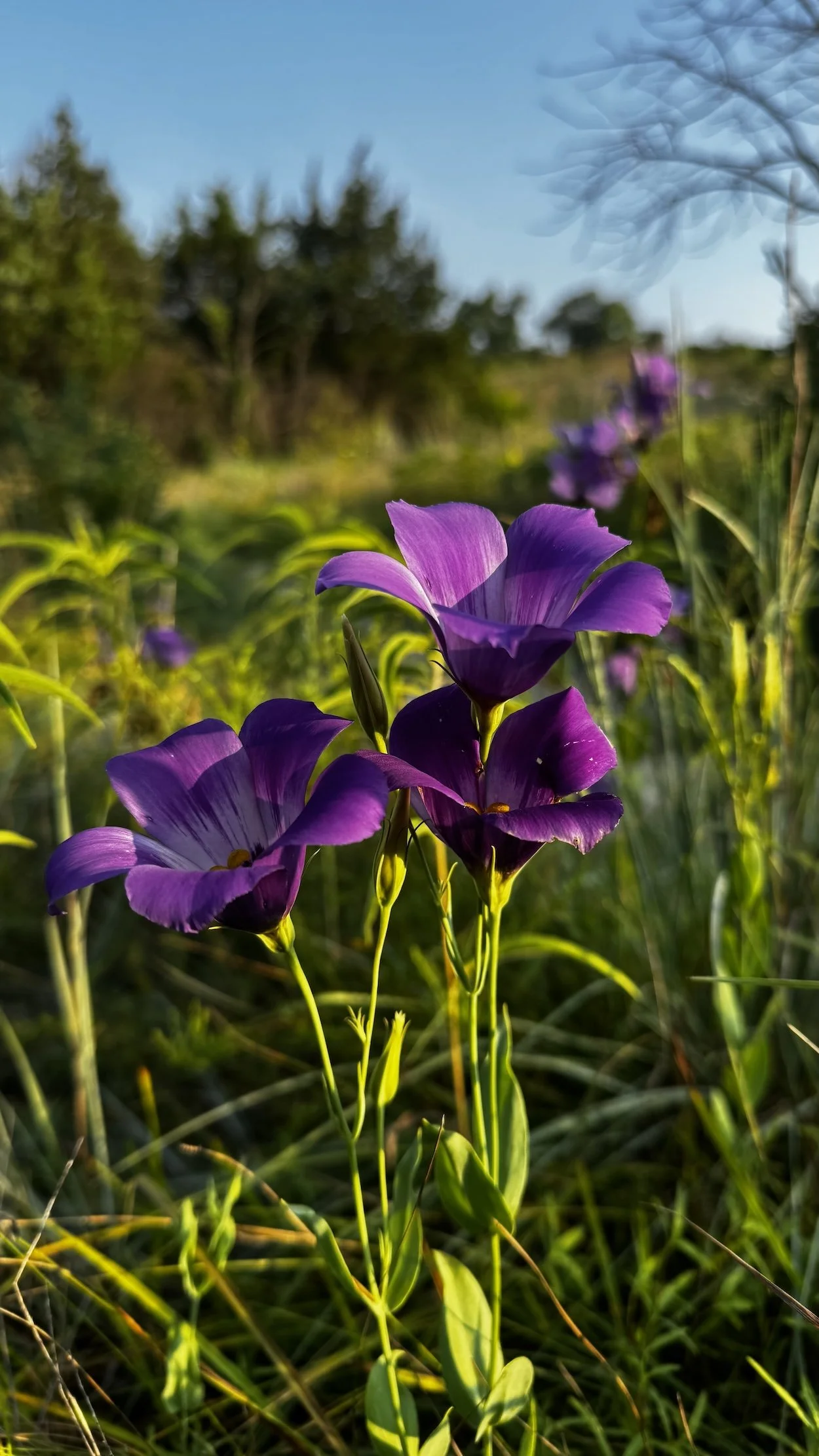
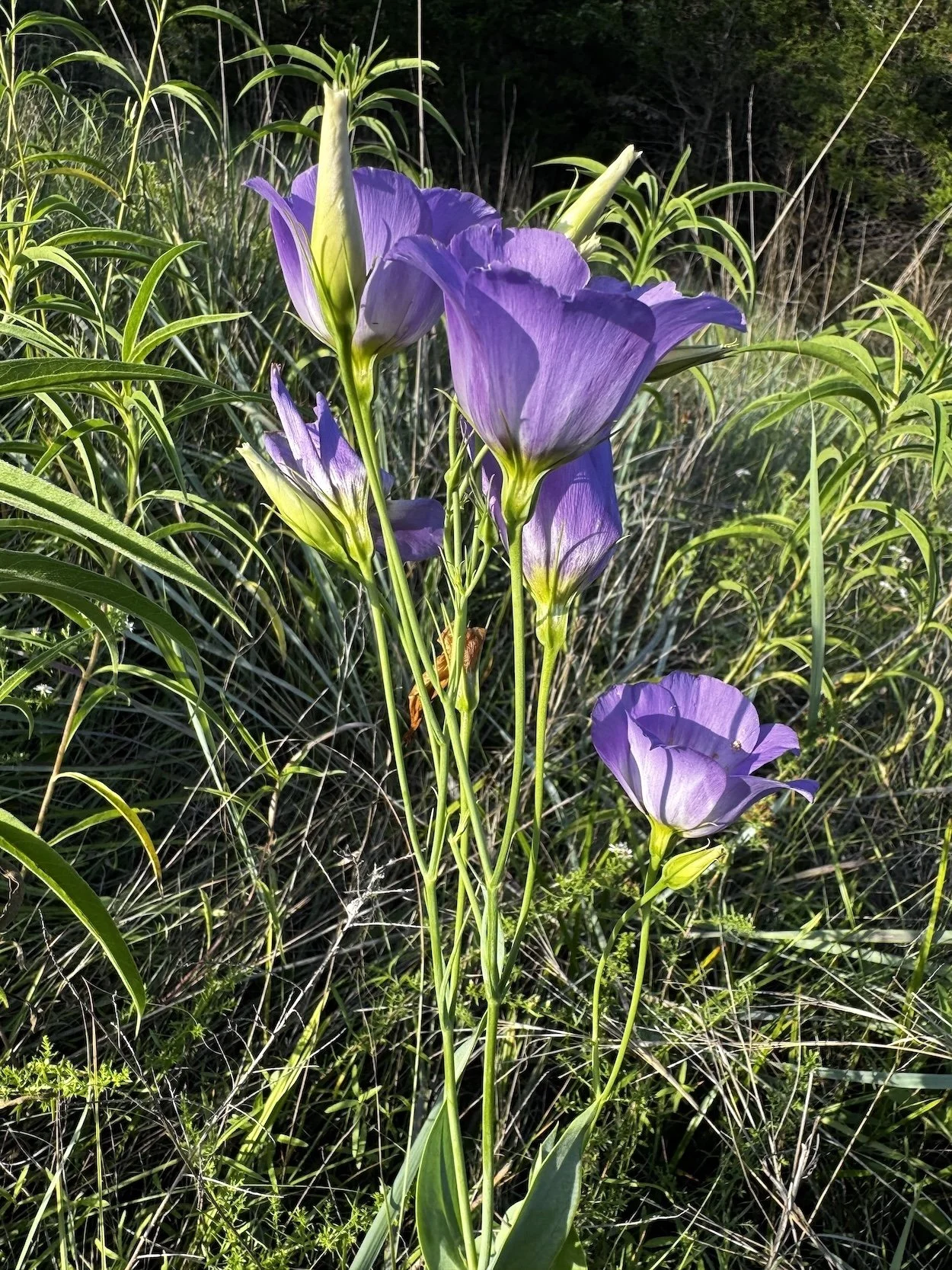
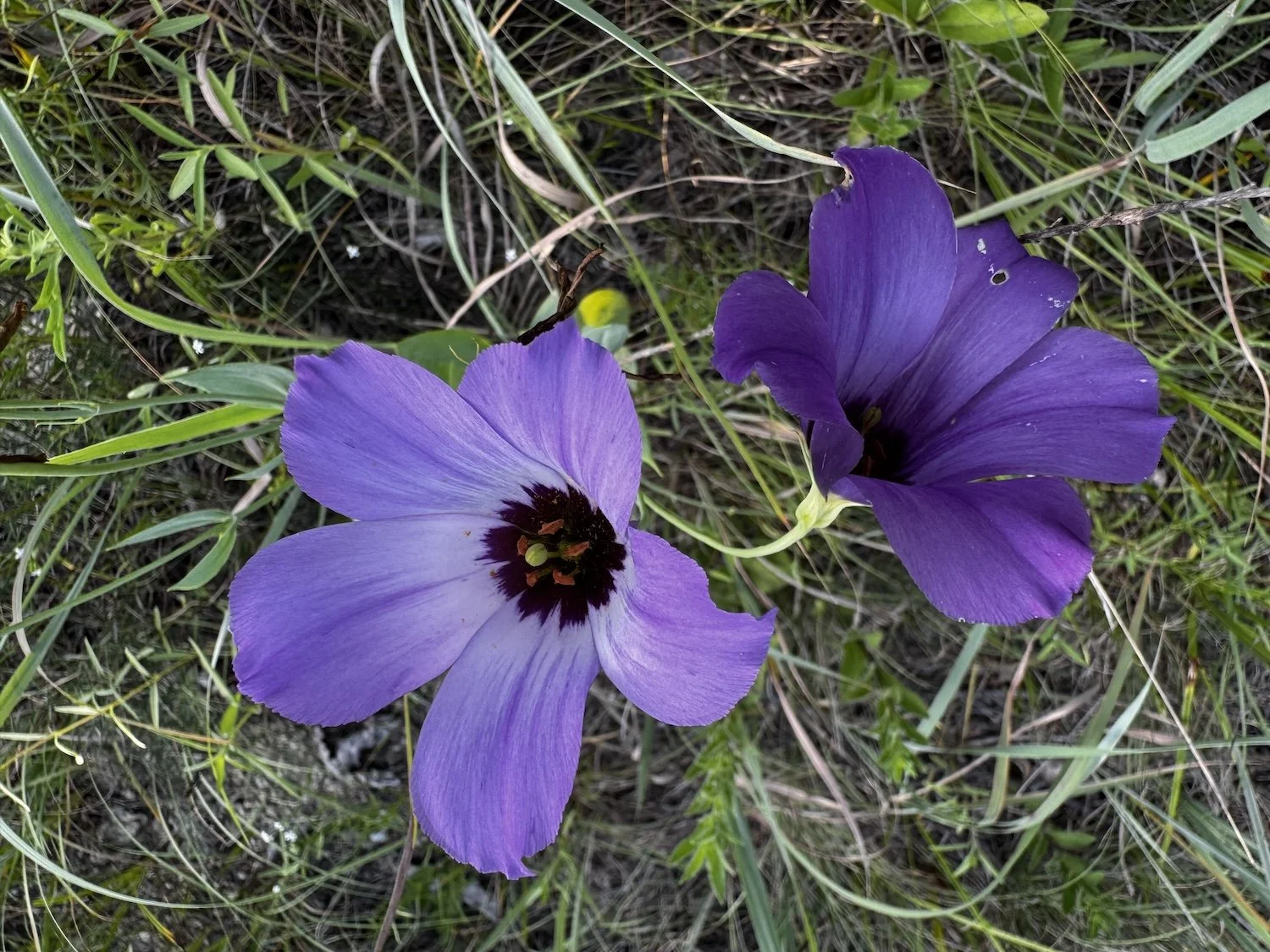
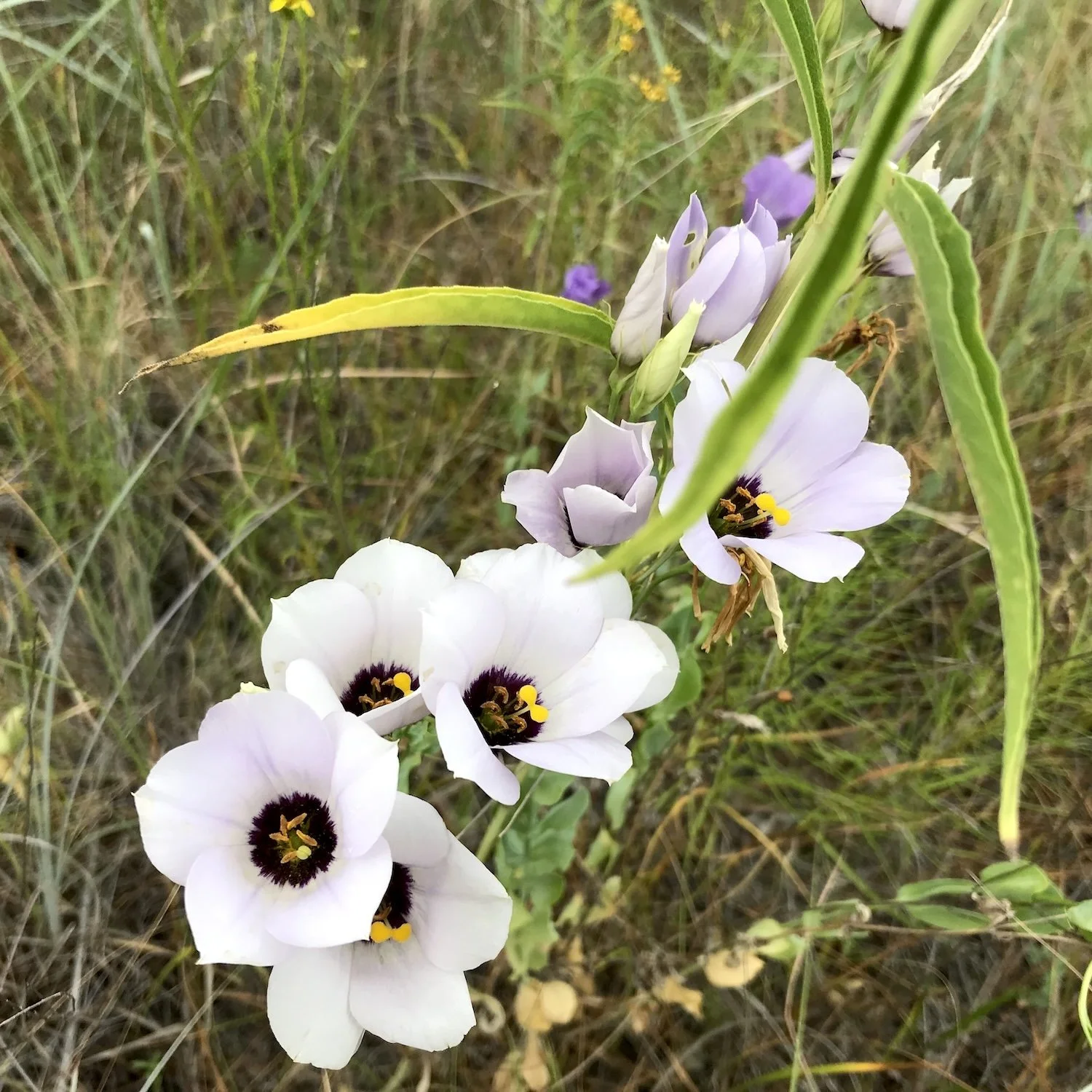
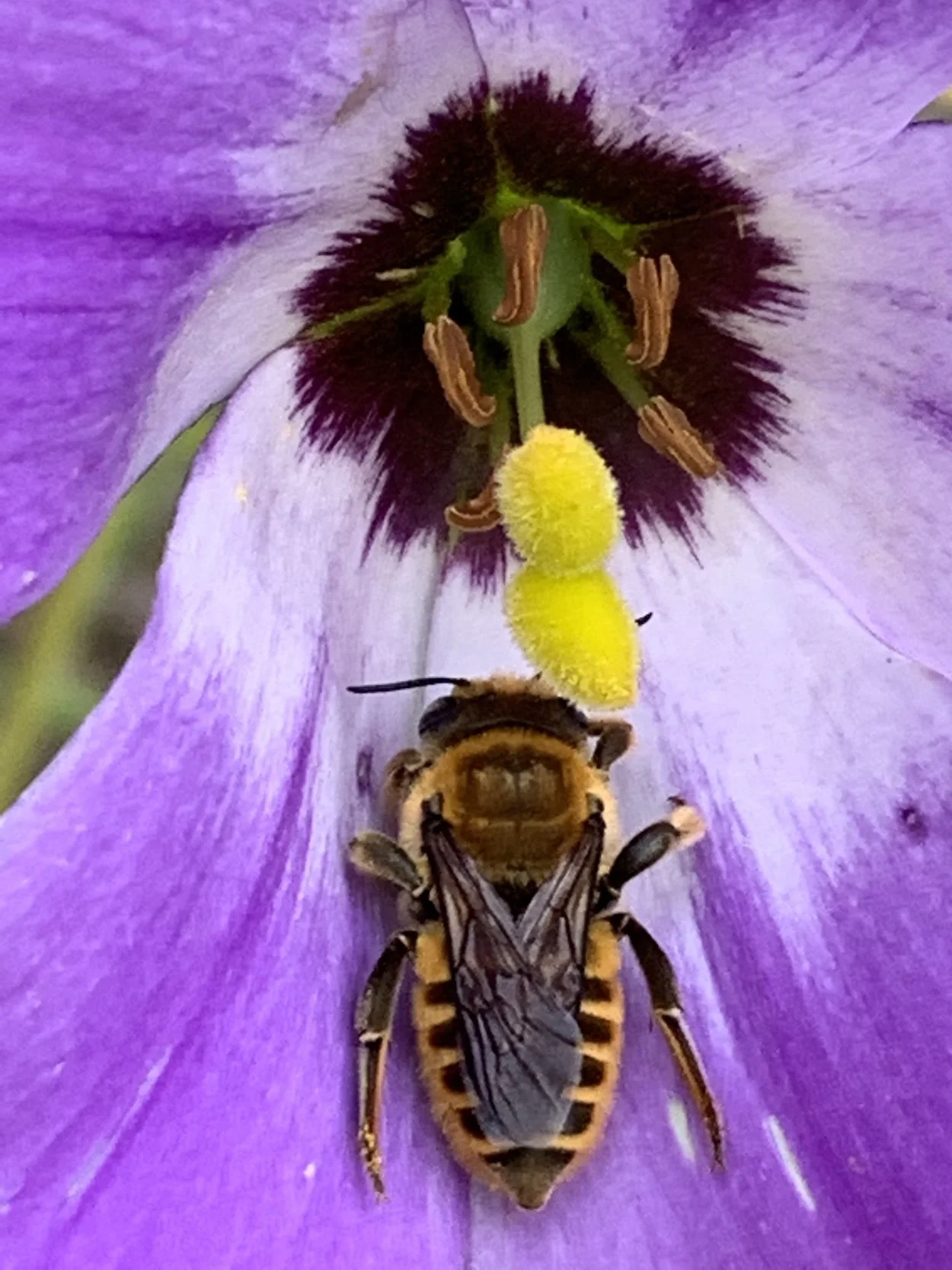
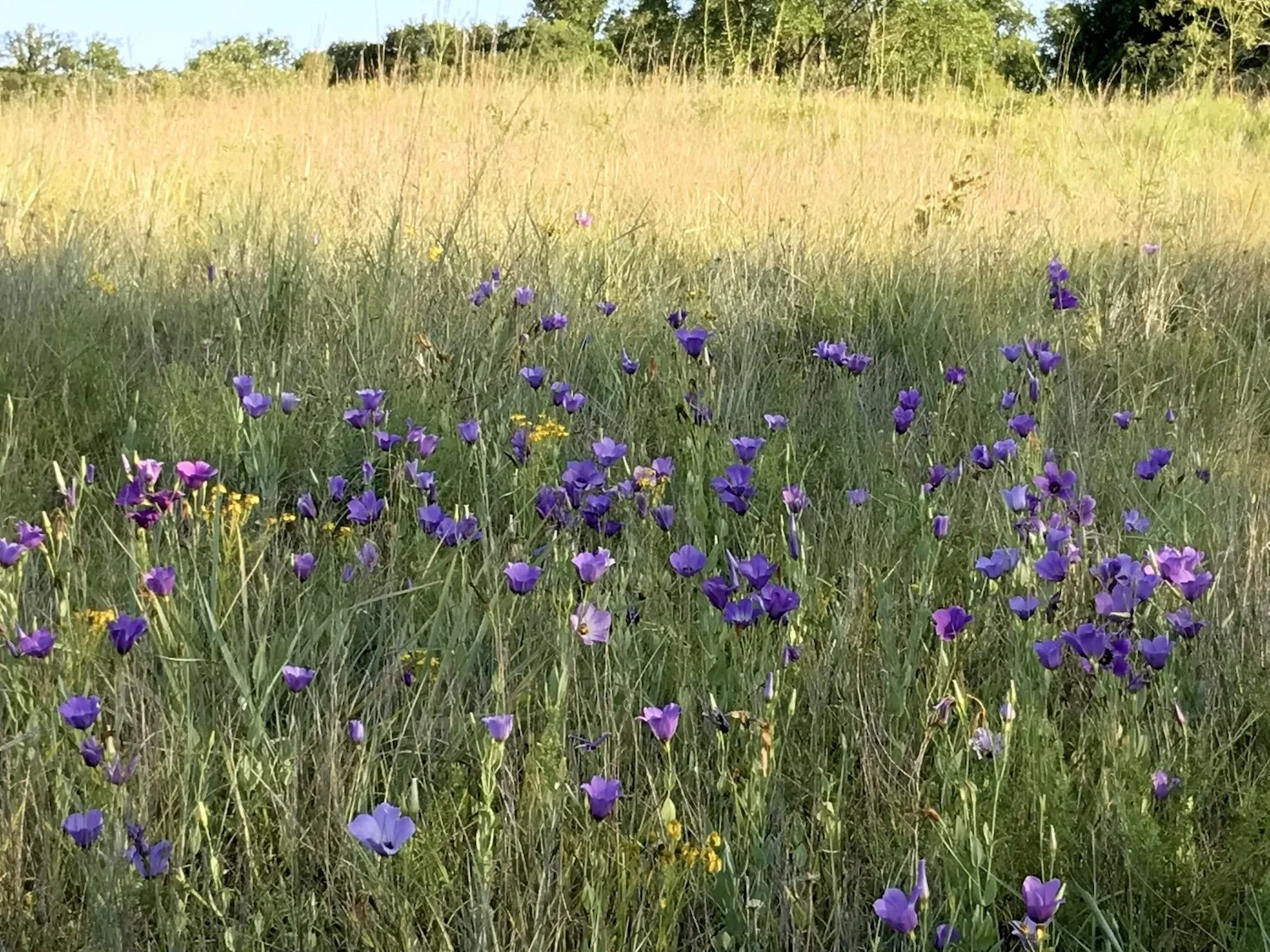
With a little help from some raindrops, the prairie wildflower hits kept on coming throughout June. Every week another new species started blooming. Not just the usuals but a variety of natives. Hot weather-loving plants like, Narrow-leaf Gumweed, Texas Bluebells, and the aforementioned, Silphiums, were ubiquitous across the hills. And, as you can see below, it’s not just about plants. Insects, birds and mammals are on the move, busily trying to survive the summer heat.
As of press time, all the species below were still blooming, including the popular, Bluebells. I urge you to come on in and do a little, “prairie bathing” before the good old summertime gets too, hot and cranky.
The June 2nd sunset was gob-smackingly beautiful!
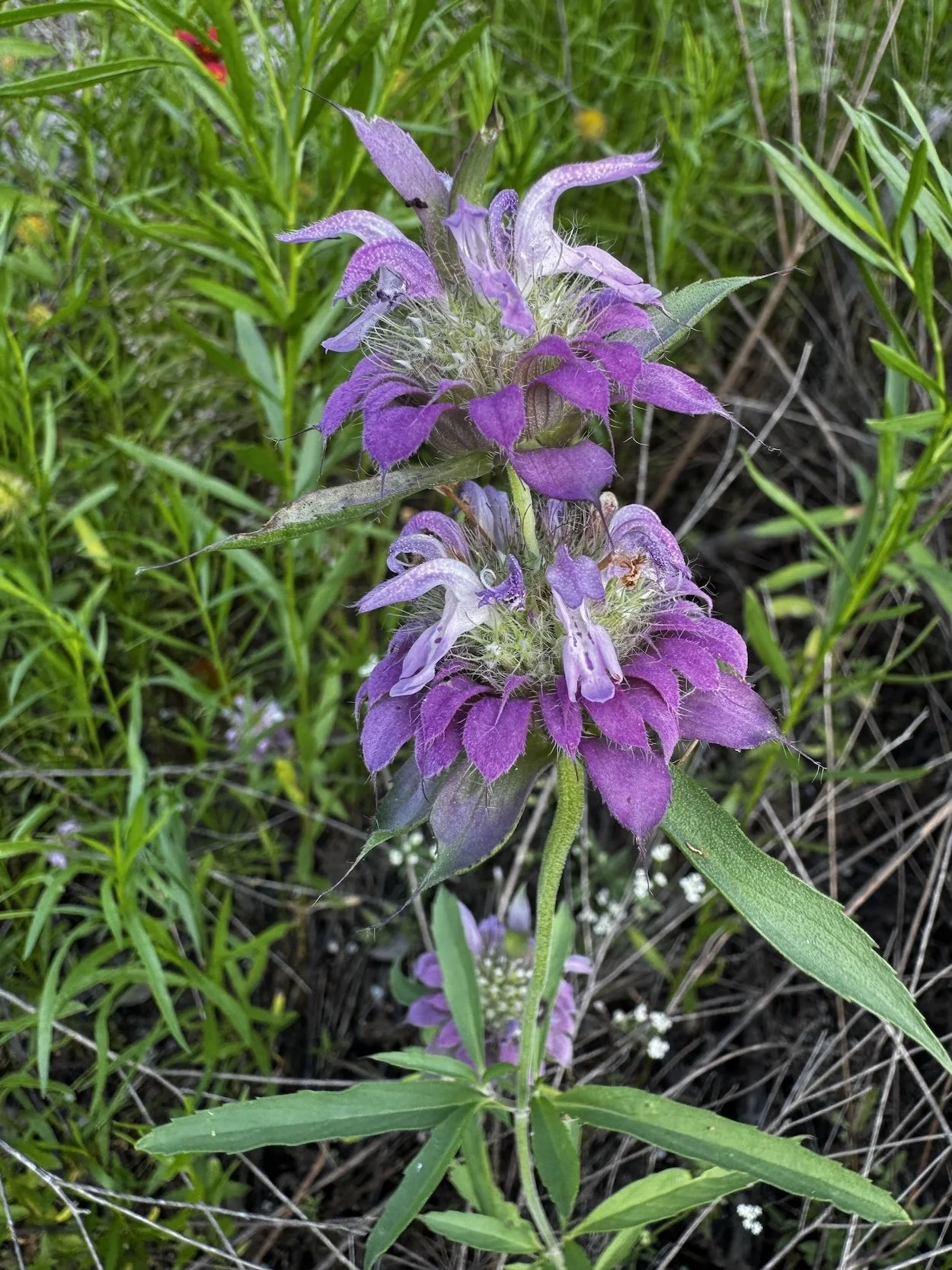
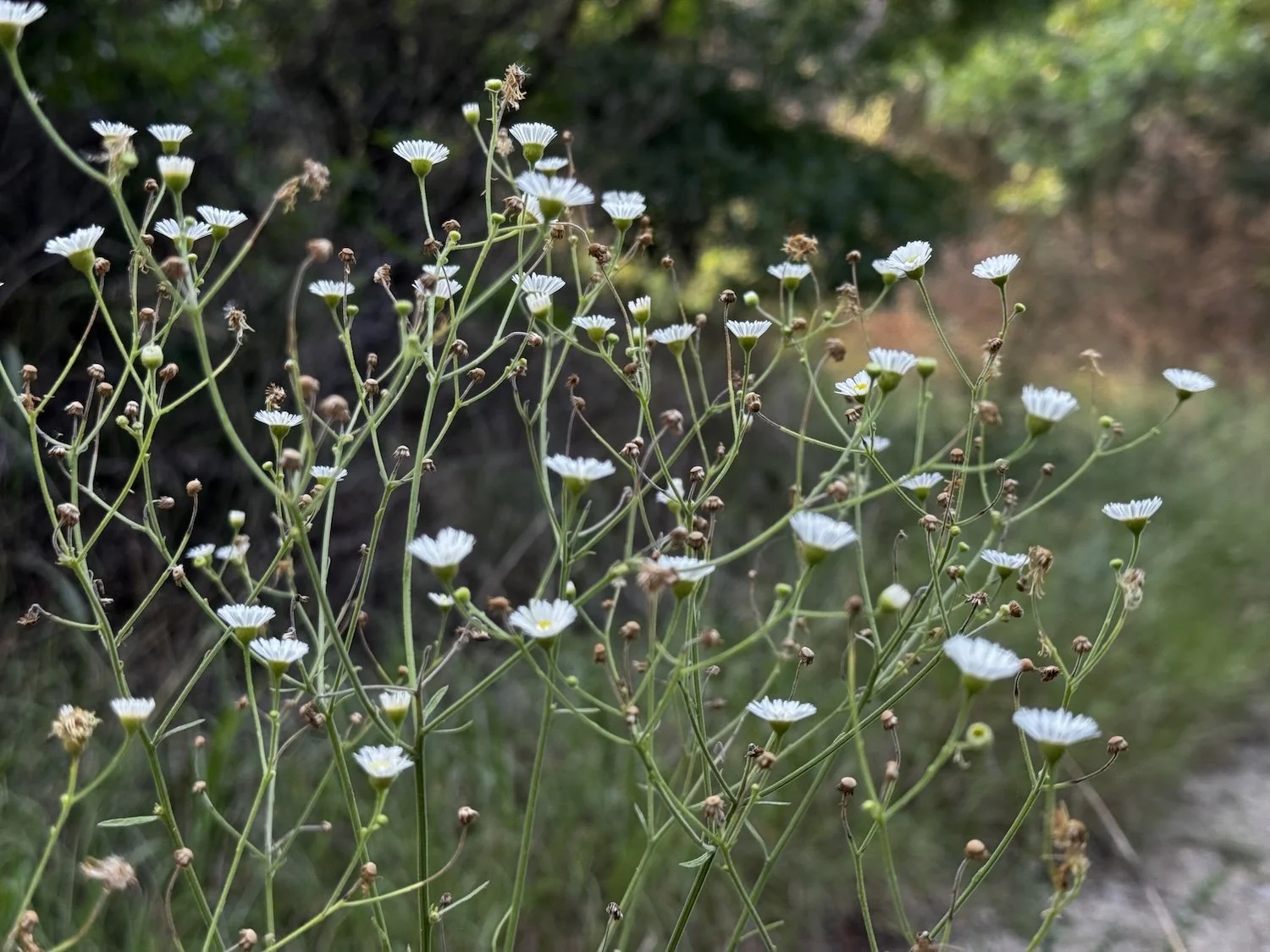
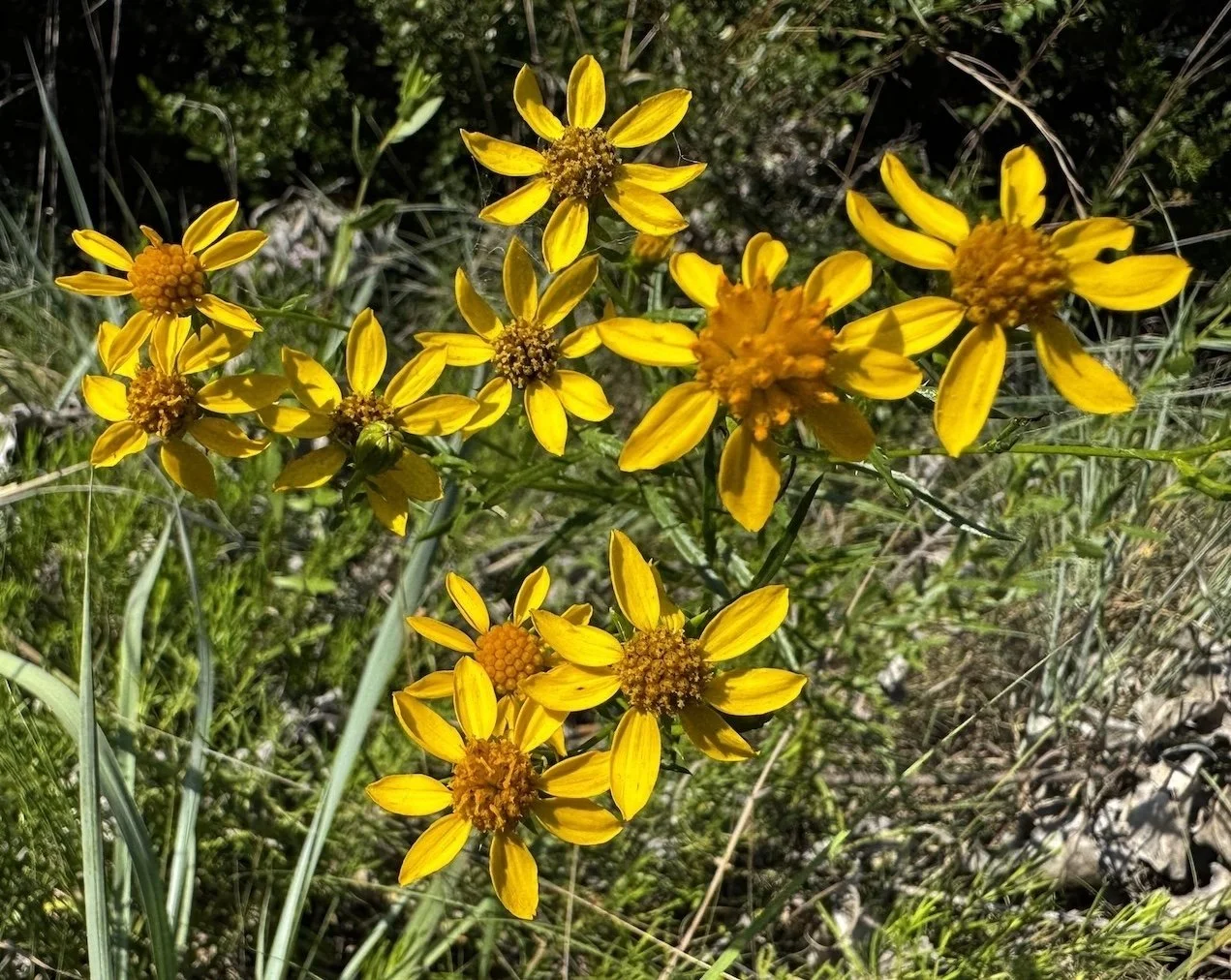
Few plants can take the summer heat like the durable, Narrowleaf Gumweed (Grindelia lanceolata). This was an exceptional example.
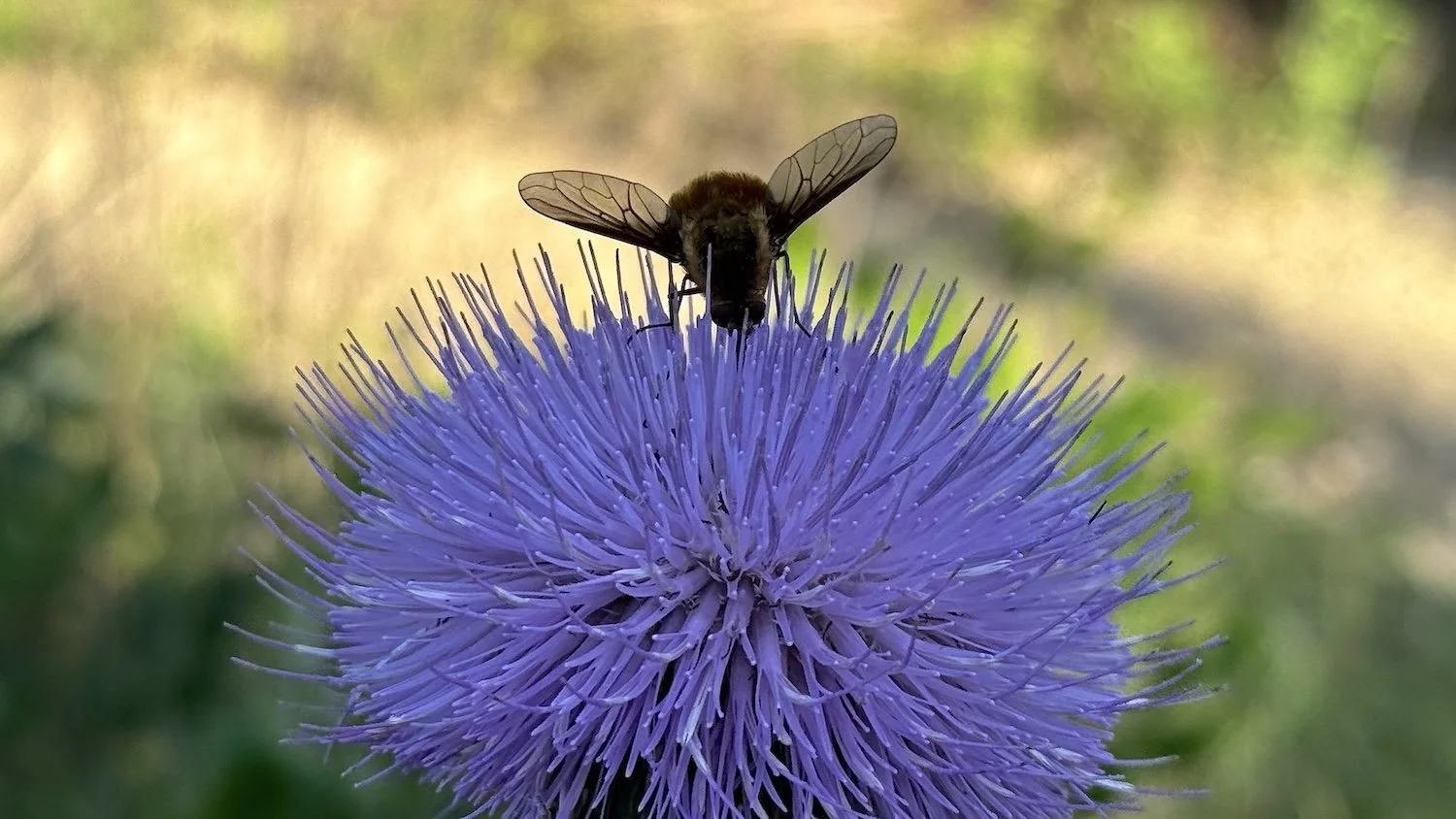
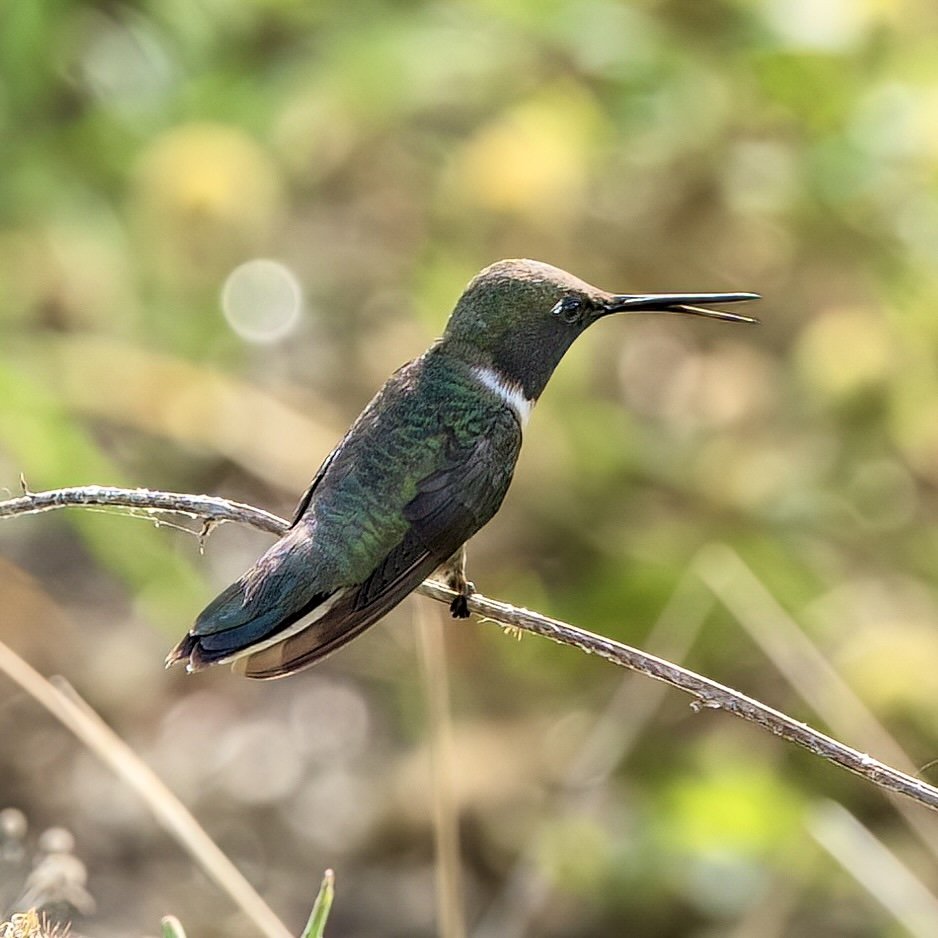
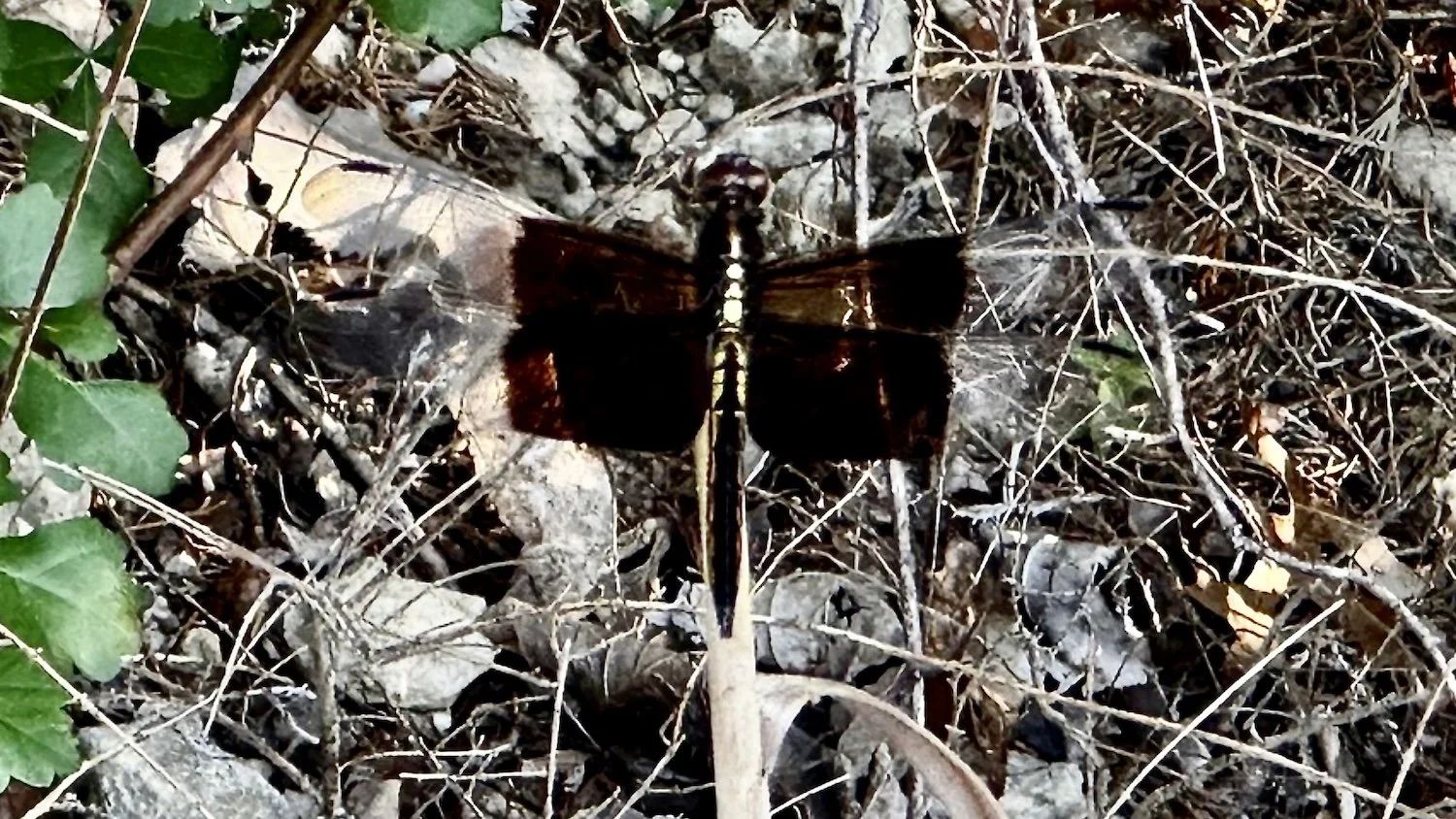
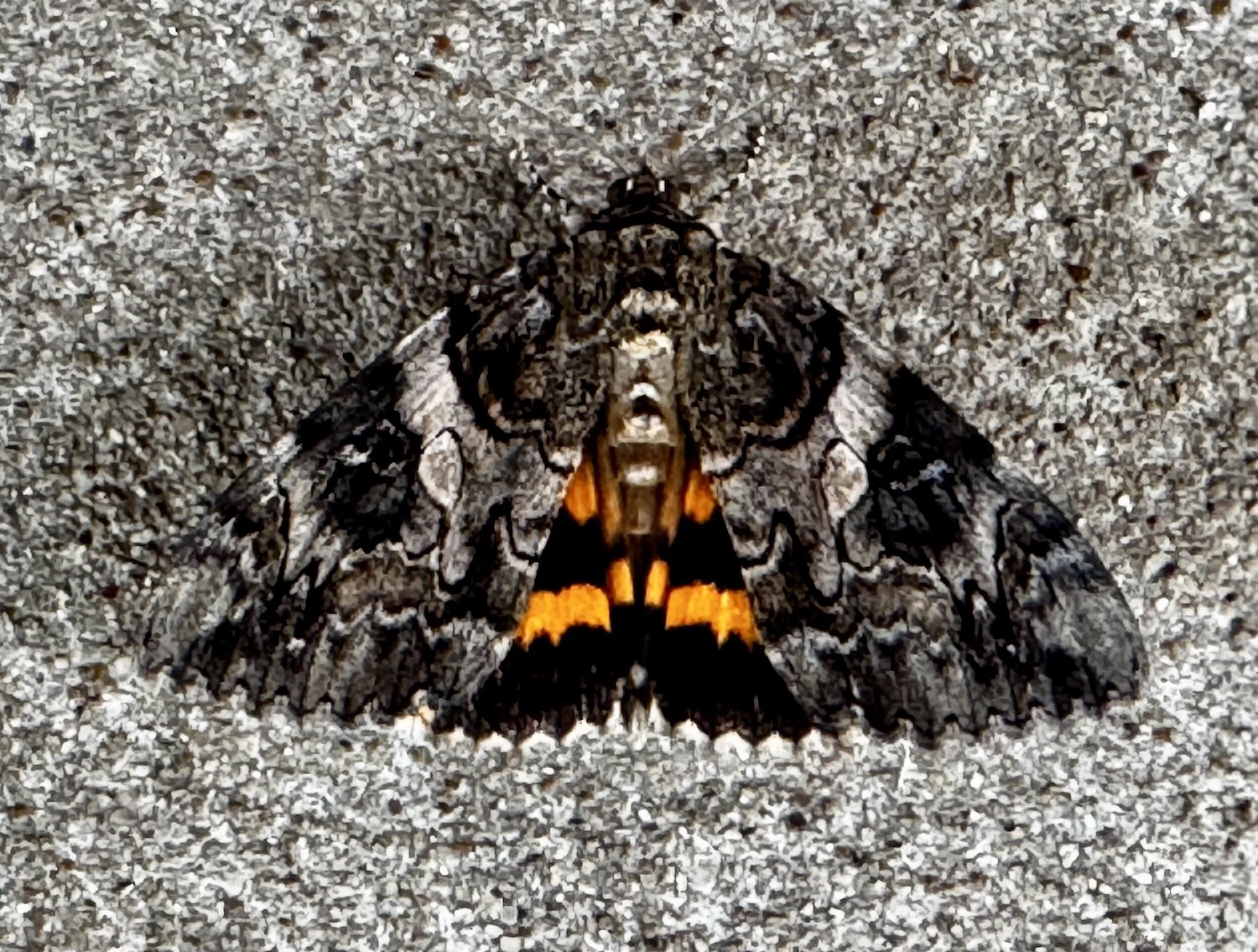
Where there’s a rainbow there must be rain. We did get some on June 6, 2026.
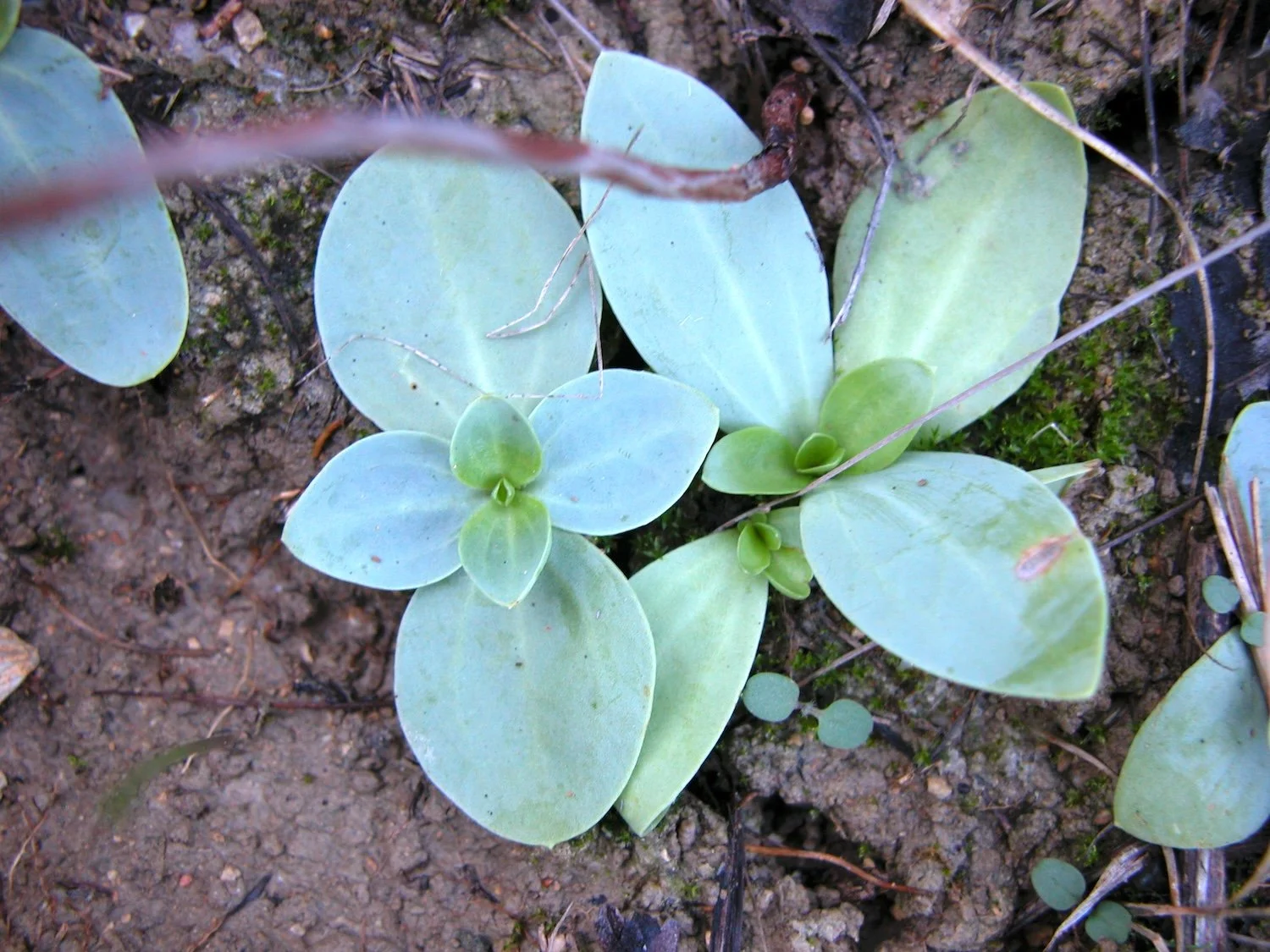
Prairie Indian Plantain (Arnoglossum plantagineum), up-close is a marvel of nature.
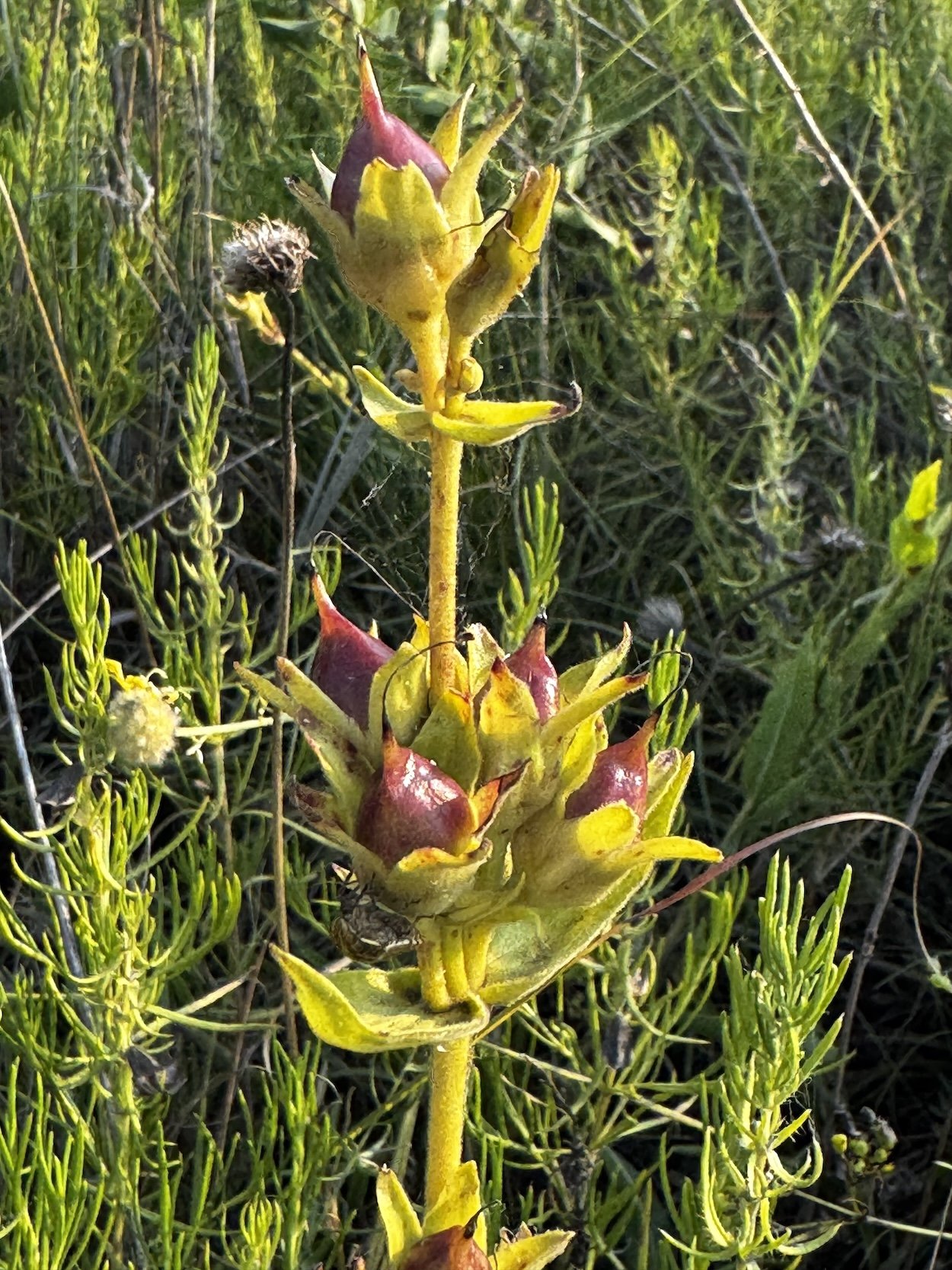
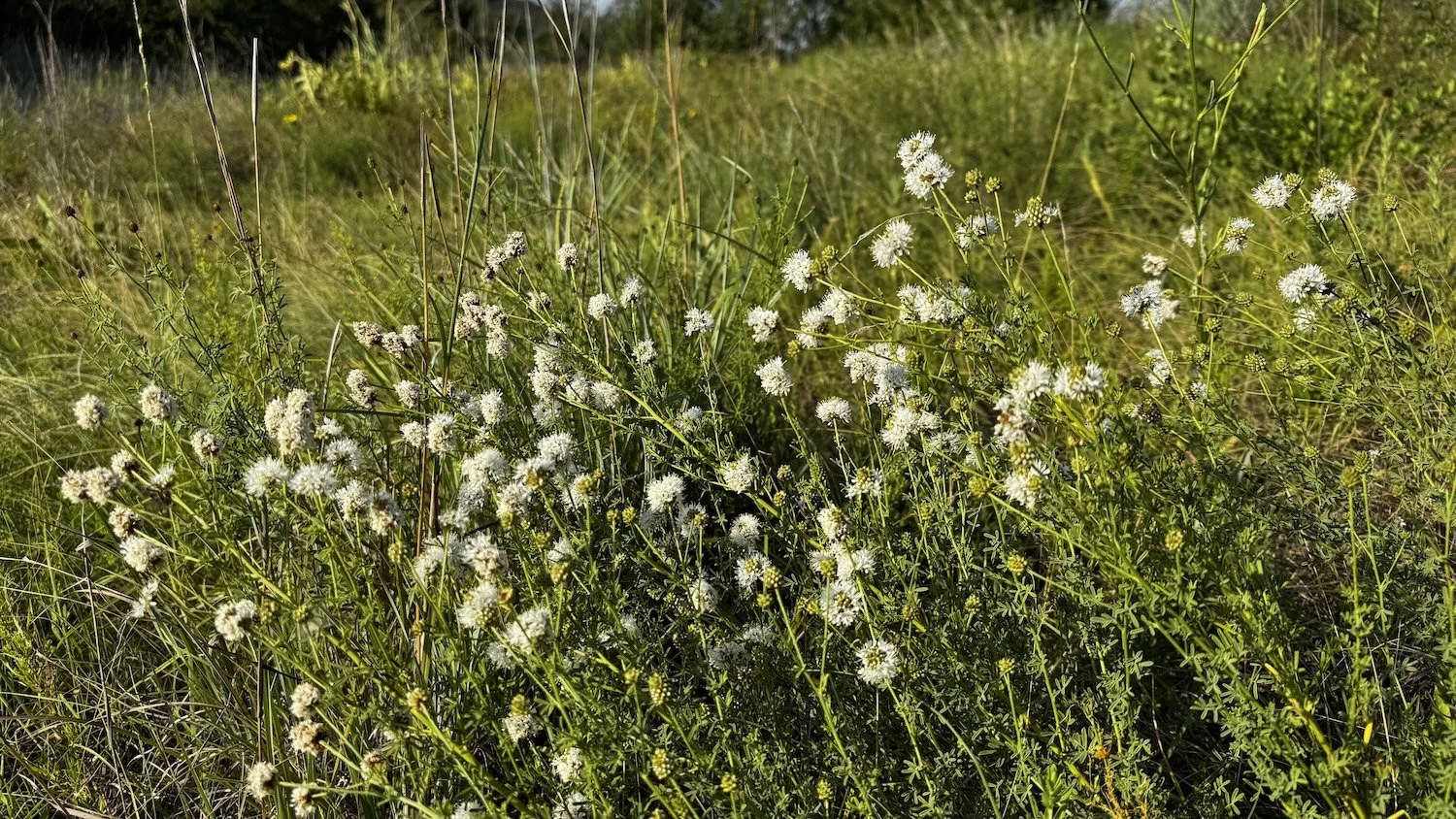
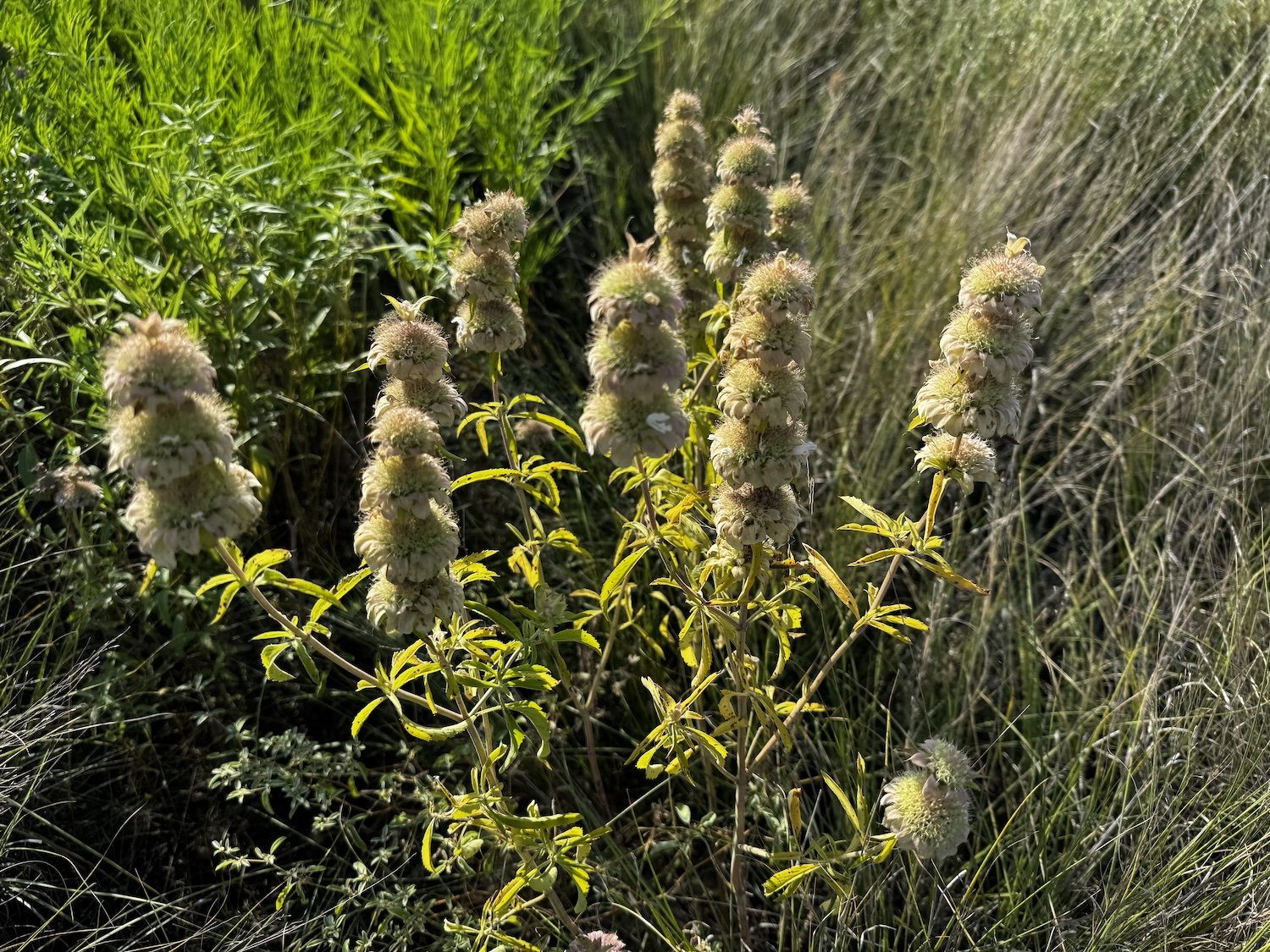
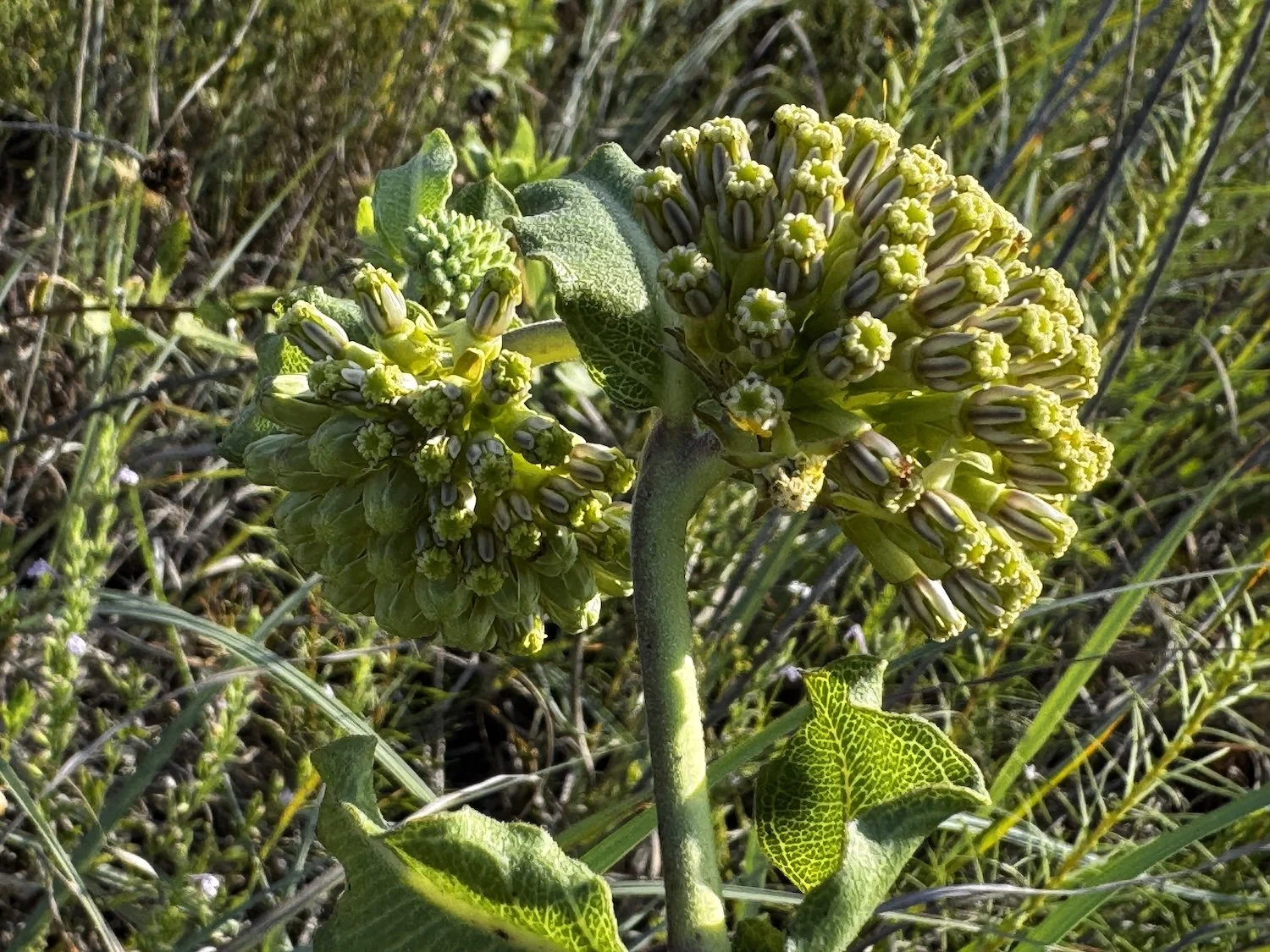
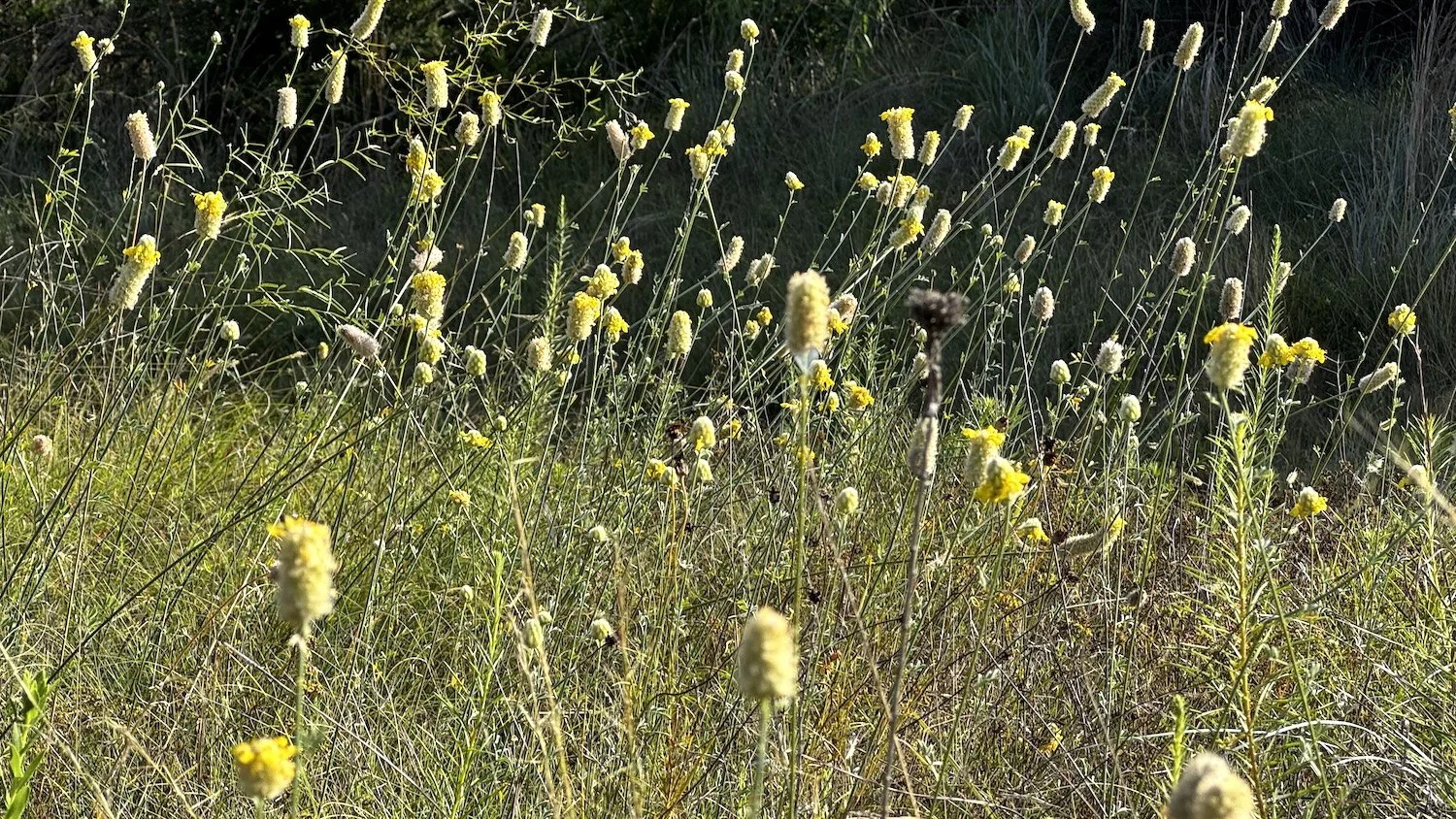
This is the largest colony of, Golden Prairie Clover (Dalea aurea), I have ever seen here. It’s normally just a few plants. There are about 100 here. 6/24
How many American Basketflowers (Plectocephalus americanus) can you count on this hill? 6/03
A mysterious sunset on June 14 streaked above the Prairie.
3) New Species - July
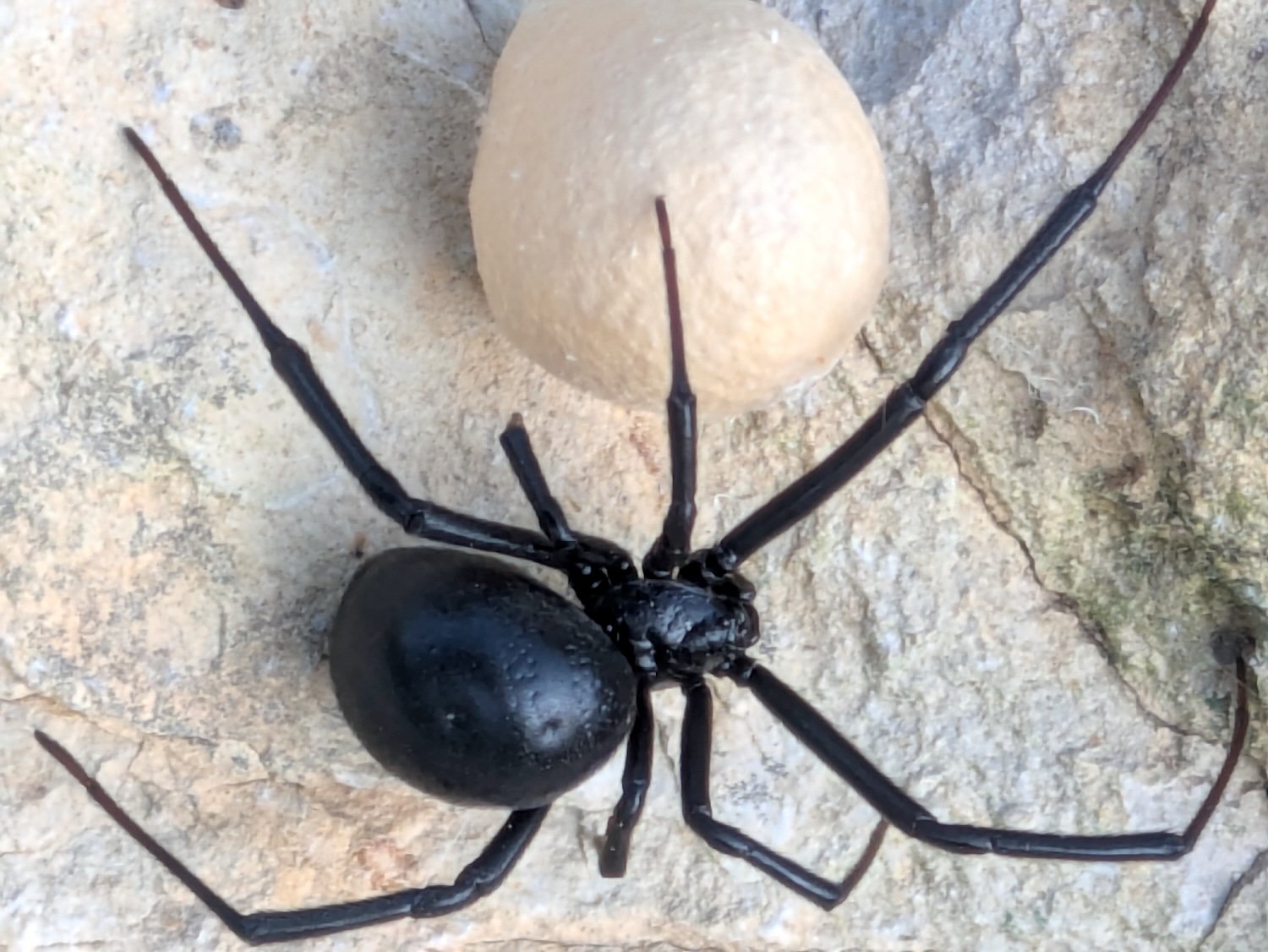
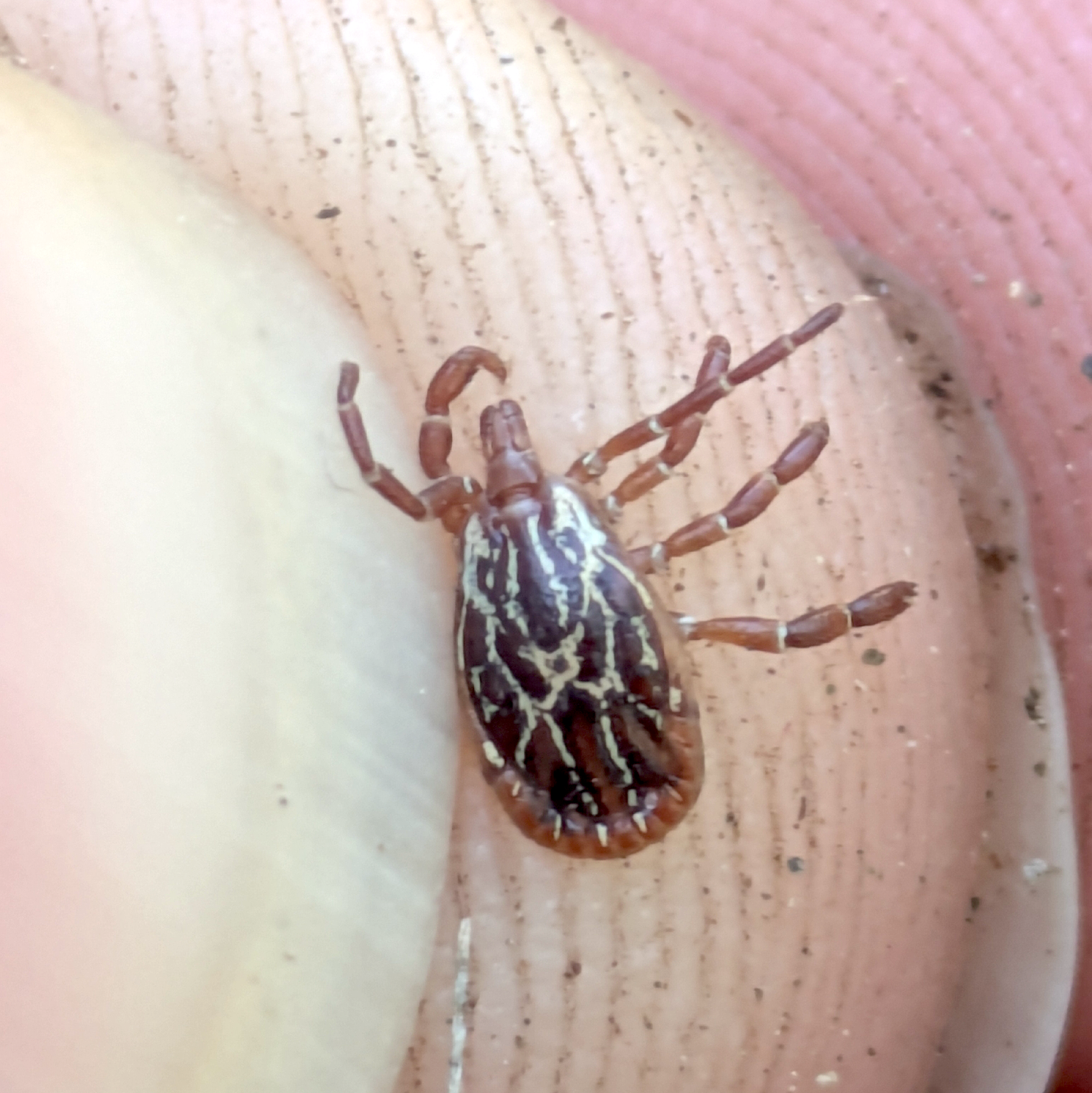
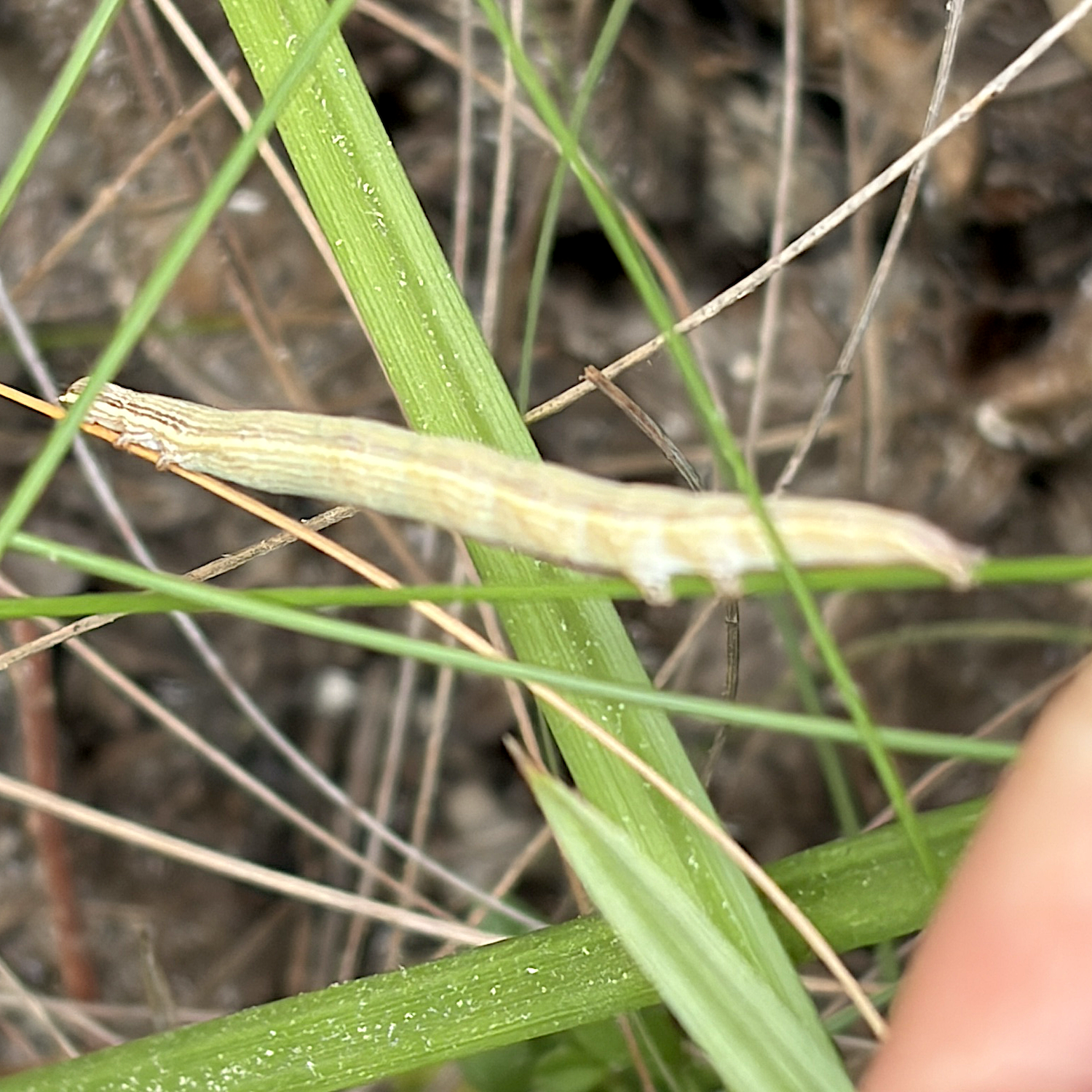
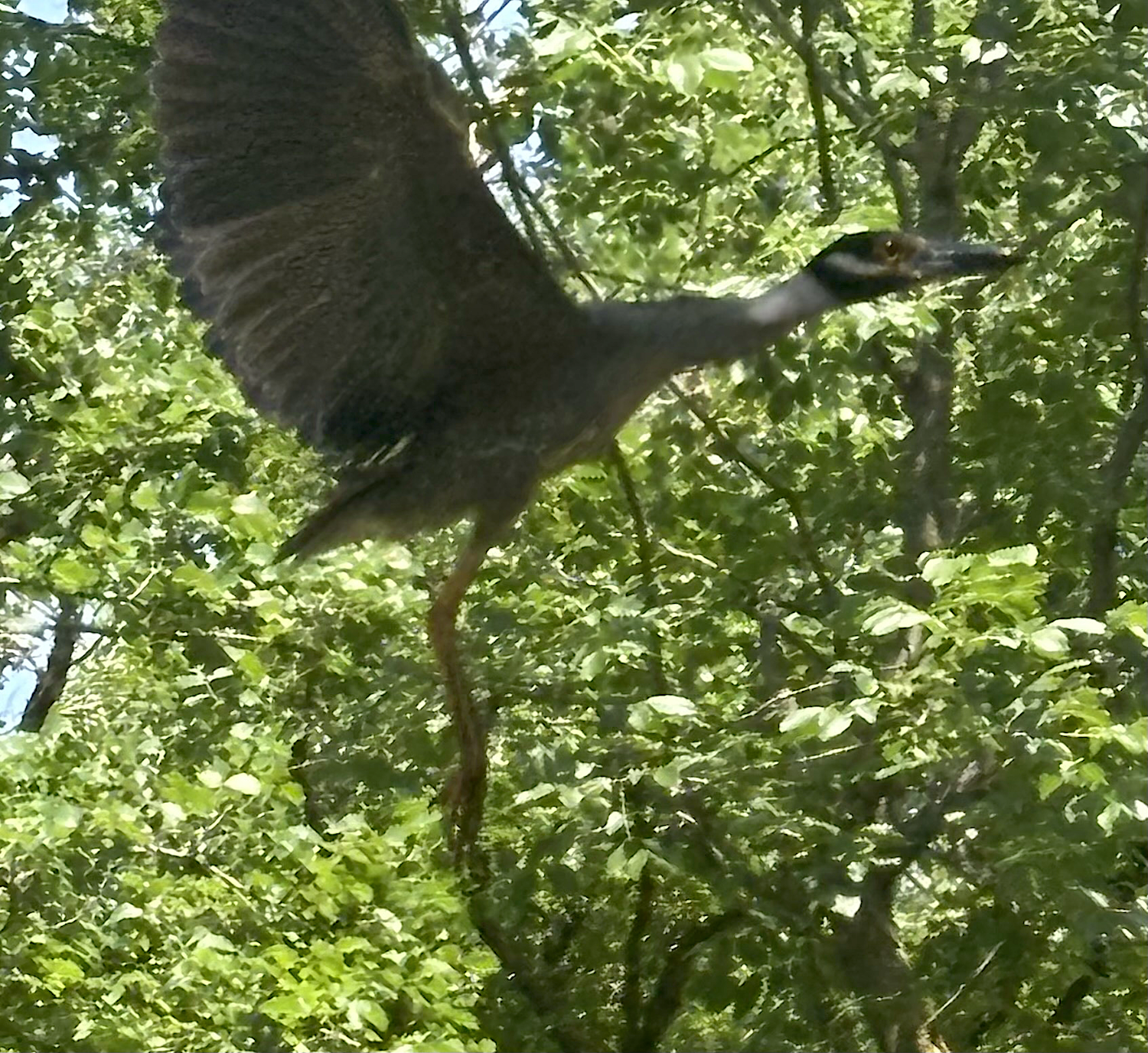
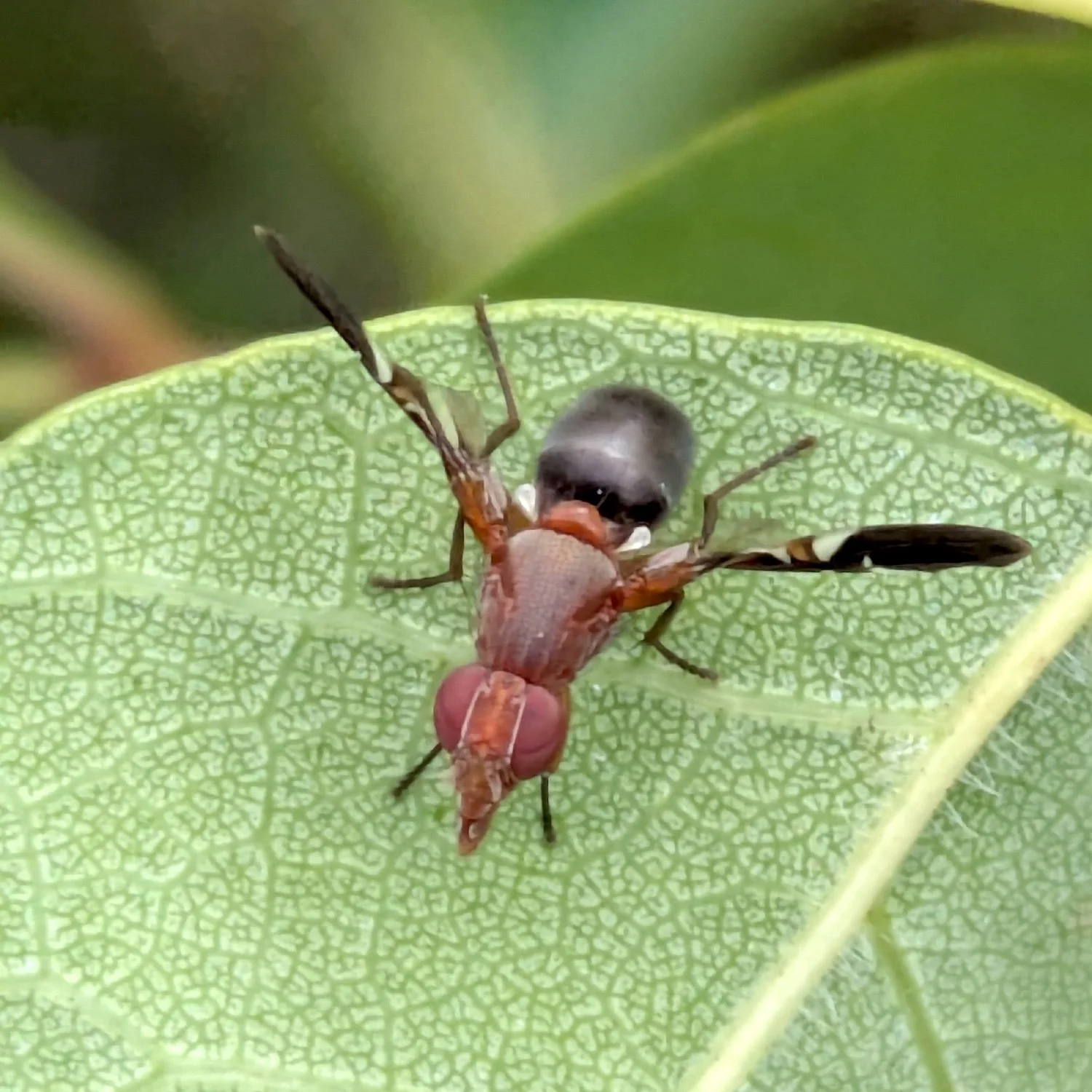
It was slim pickins’ in June, for new species. The species count went from, 2776 on June 1st to 2784 on June 30th. See a few notables below and see them all at the Tandy Hills iNat Project Page HERE.
4) Newsworthy & Noteworthy
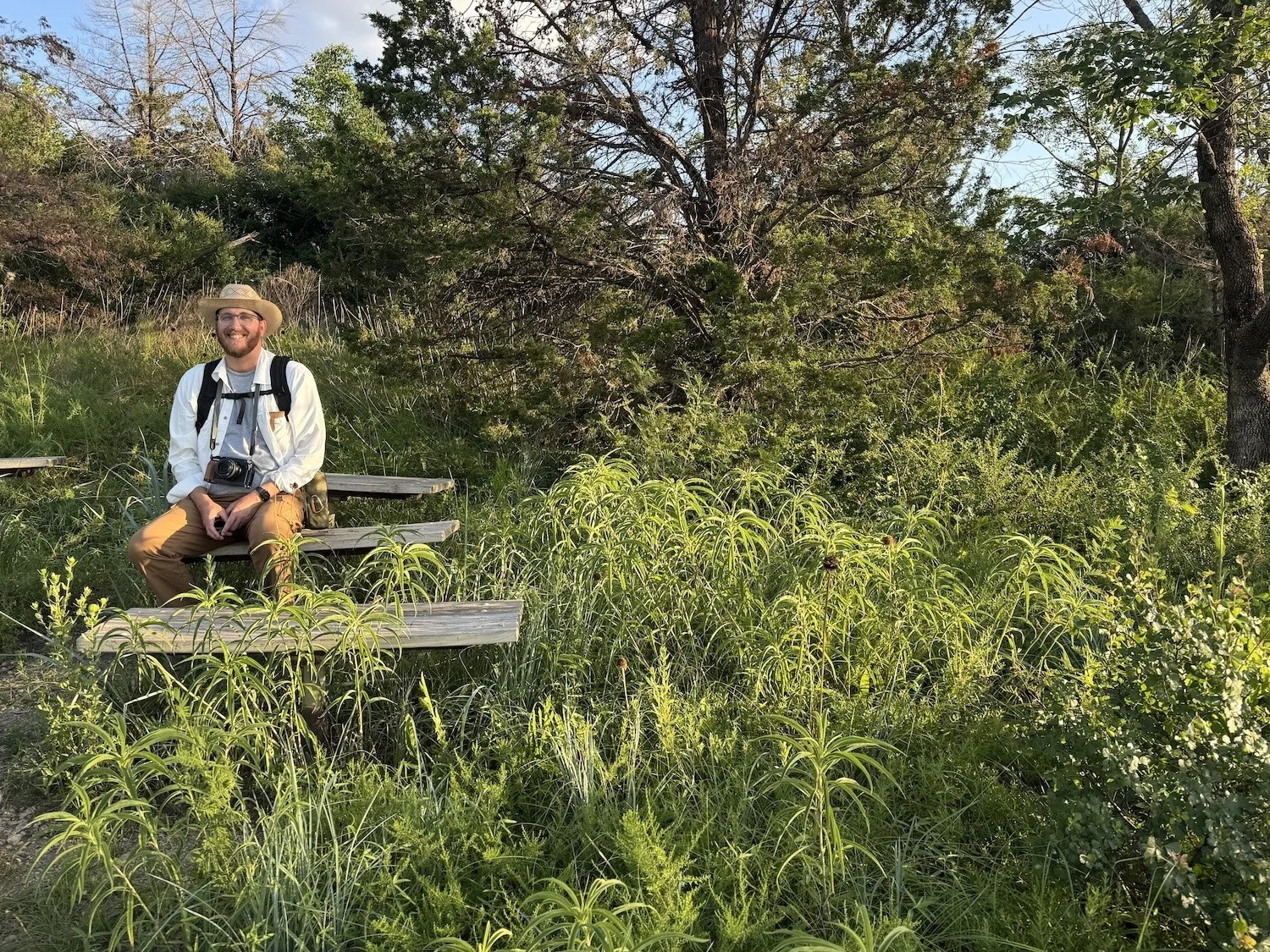
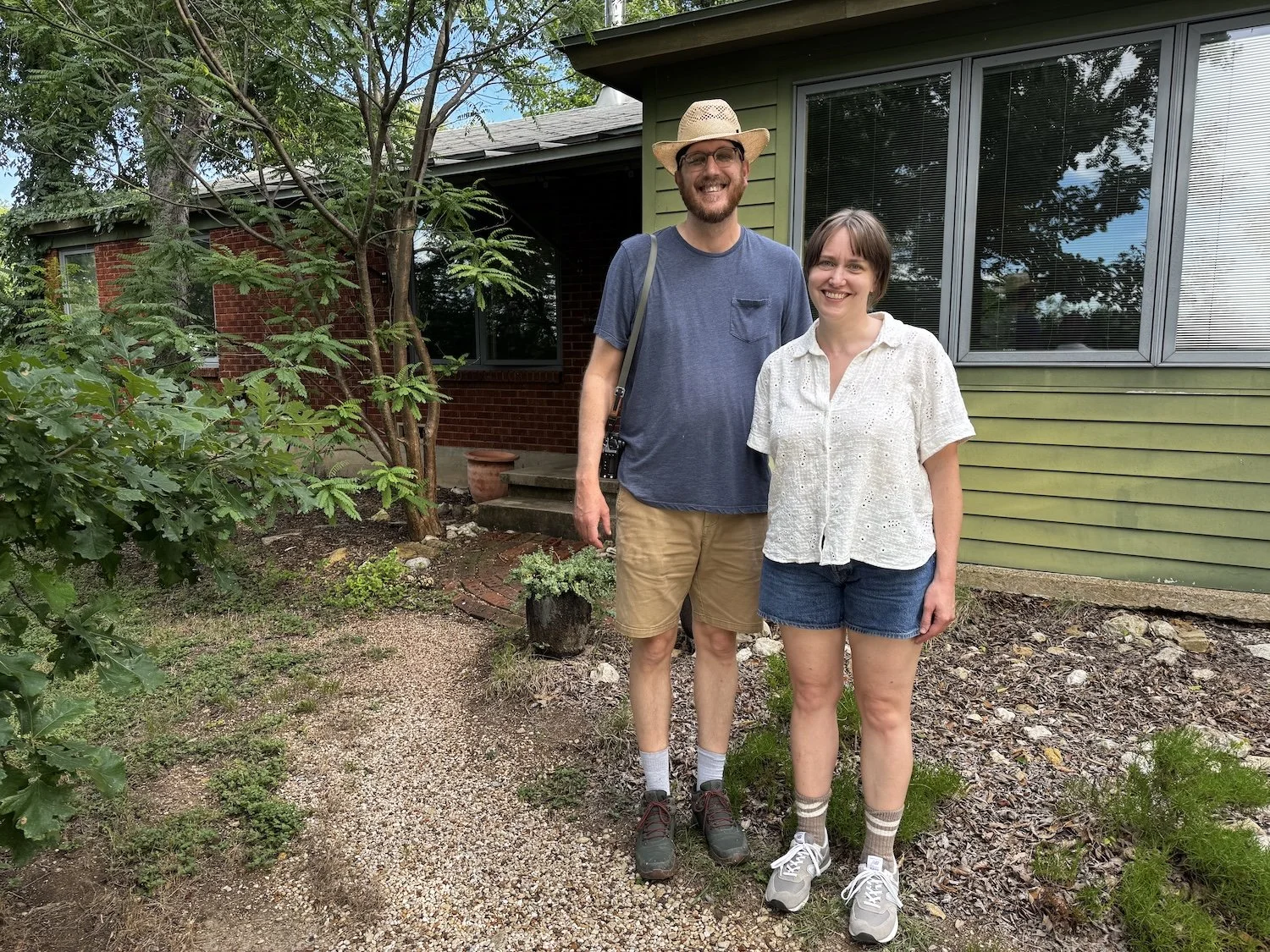
>>>>>>> Jason Reed, Professor of Photography at Texas State University (TSU) in San Marcos, first visited here in June, 2025. He returned to Tandy Hills in late June, 2026. Last year, Tandy Hills was his first stop on a fact-finding trip for an upcoming book and visual arts exhibition on prairies and prairie keepers. This time he brought along his colleague, Molly Sherman, also a professor at TSU, with an update on their exciting project. According to Jason:
“I am expanding my photo and storytelling project about the remnant prairies along I-35 with my colleague at Texas State University, Molly Sherman. Over the next two years, we plan to work with about ten different people and organizations that are working to restore, study, and save the prairielands from Texas to Minnesota. The idea for the project is that we will be using the stories and photographs made by the researchers and conservationist who are out in the field daily. This will culminate in a publication series and exhibition in 2028 at The Contemporary Museum in San Antonio, which we then hope to travel to sites throughout the prairie.”
They spent a few hours with Debora and I, conducting an oral history about the history of Tandy Hills and our role in preserving it. Afterwards, they looked through thousands of my photographs taken over the years, documenting the place and our stewardship here.
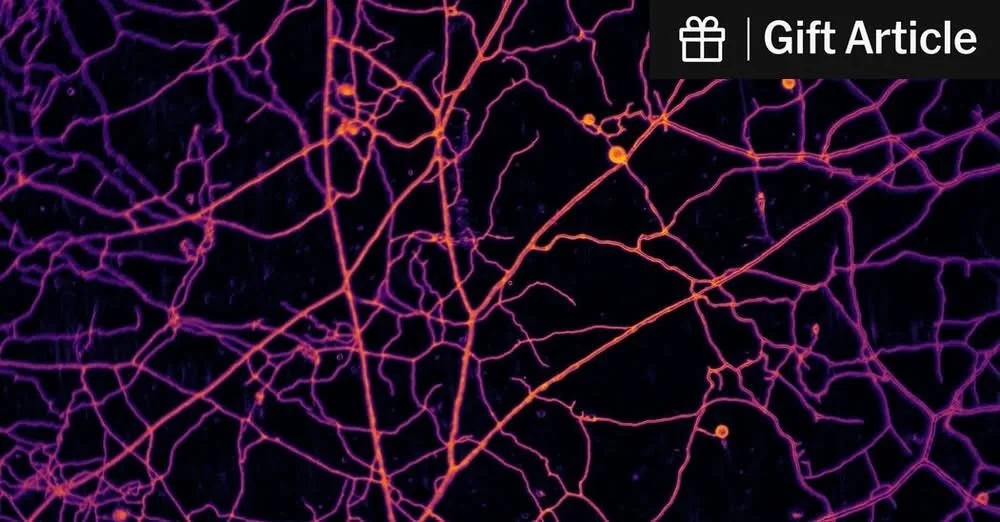
>>>>>>> Prairie folks have known for years that grasslands are equal or better at carbon sequestration than forests. A new study reported in the New York Timesin June, emphasizes that point. (Are you listening, Fort Worth Mayor Parker?)
"The study revealed particularly dense fungal networks beneath the world’s grasslands, adding to the evidence that these ecosystems, which tend to receive less conservation protection than forests, serve as significant carbon sinks for the planet."
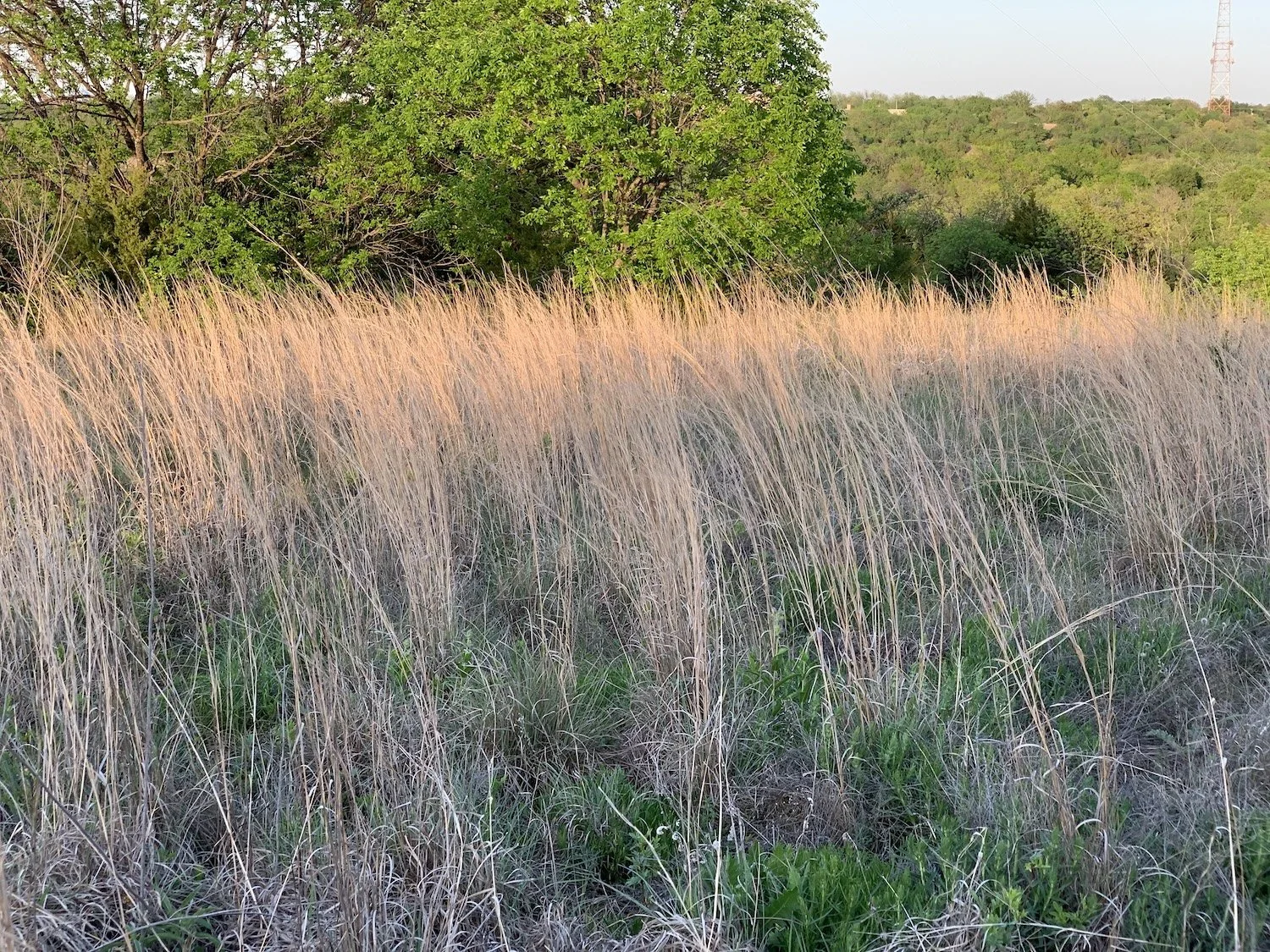
Grasses are one thing we have tons of at Tandy Hills. With at least 75 different species, Tandy Hills is helping clean the air, prevent flooding, providing refuge for fauna and, astounding the public with wildflowers. The link above is a free article to the NY Times article. It’s well worth your time.
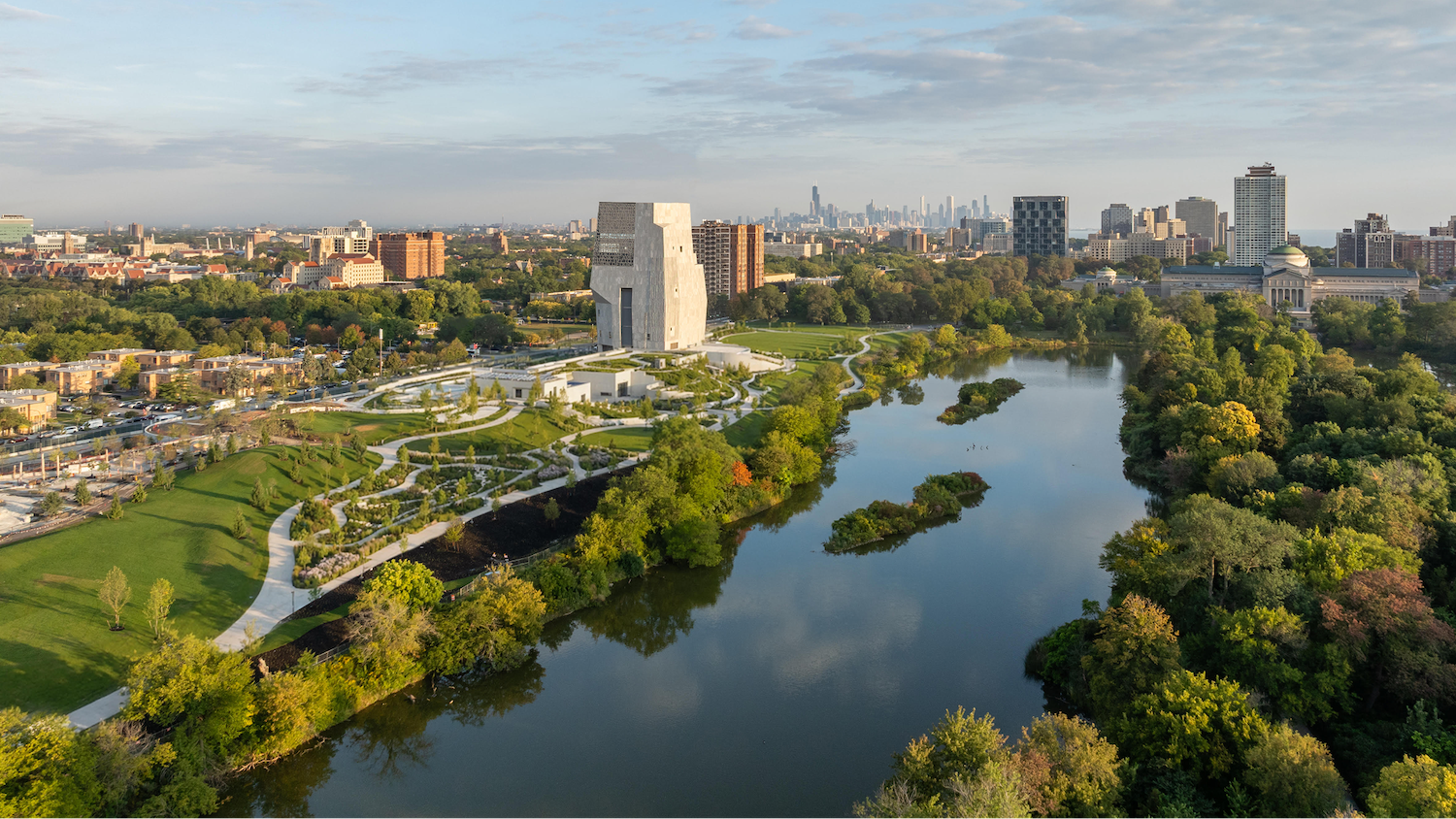
>>>>>>> The Obama Presidential Center in Chicago opened to the public on June19th, 2026. It is an amazing example of sustainability, inside and out. No fossil fuels. 100% of its energy is from renewable sources; Cleaning and landscaping supplies are all eco-friendly; Geothermal system keeps temps steady in all weather; Most notably, more than 10,000 native plants are part of the landscaping. Watch a short video about the Bombus Plant Nursery that provided the native plants HERE.
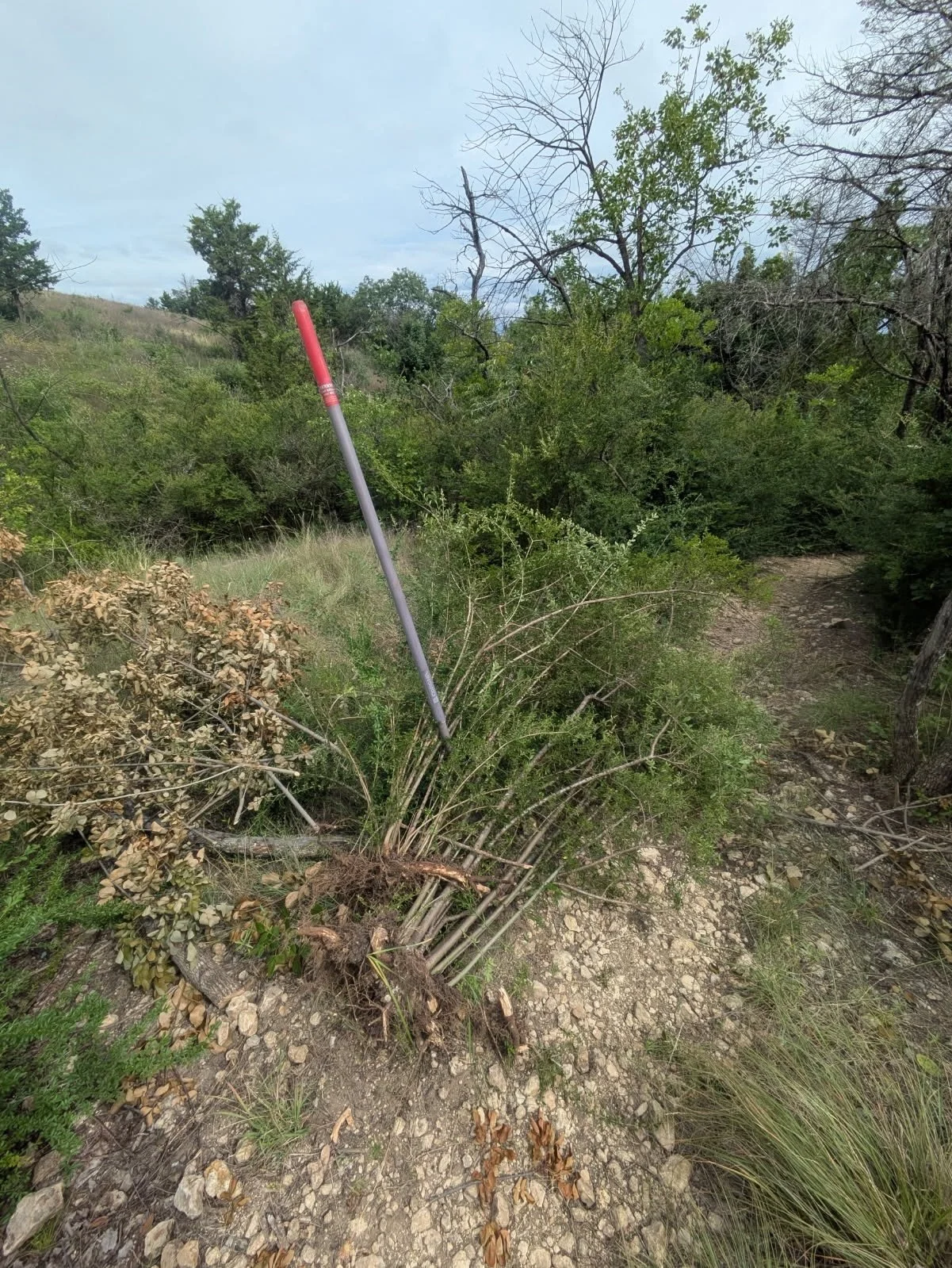
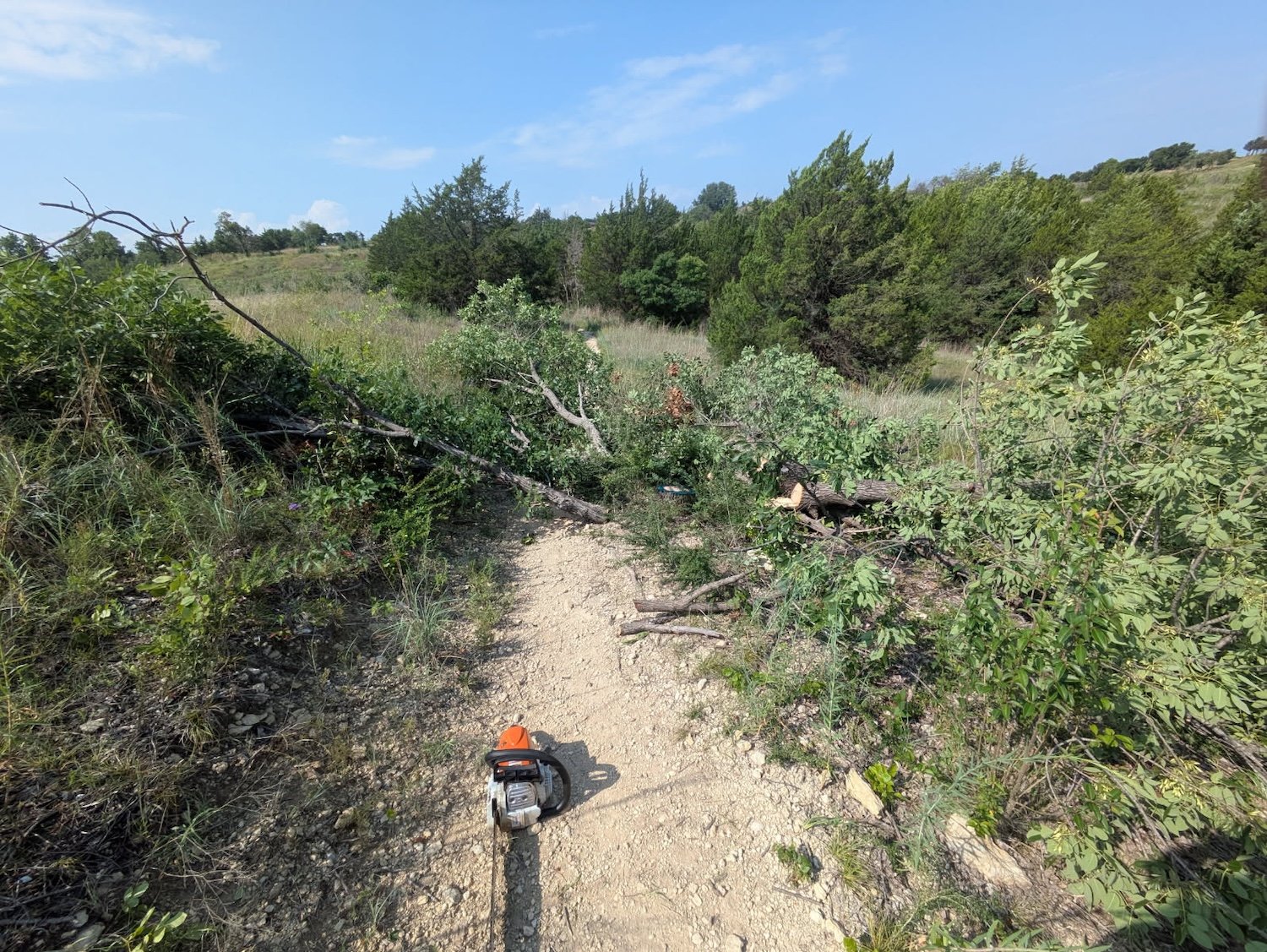
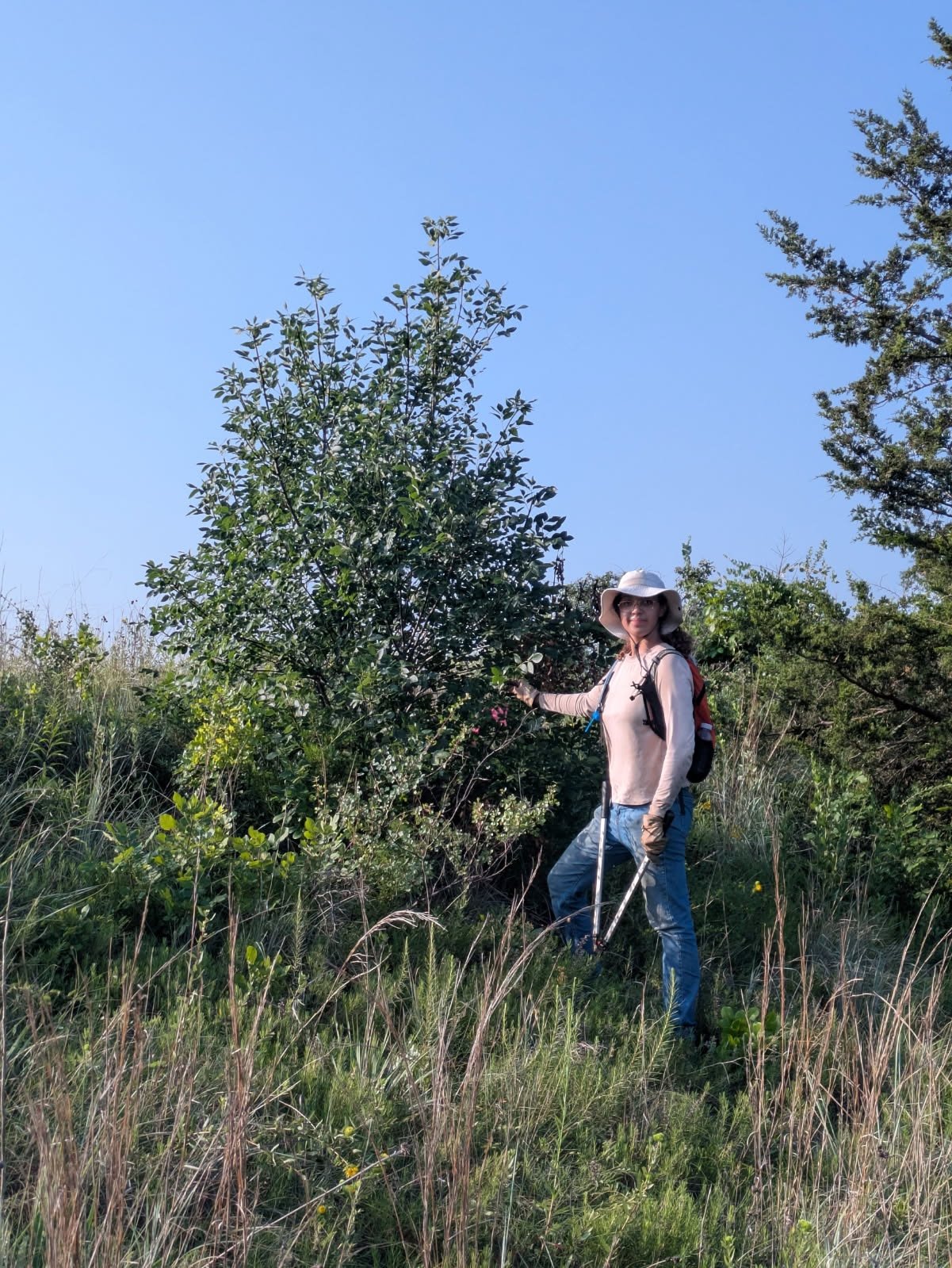
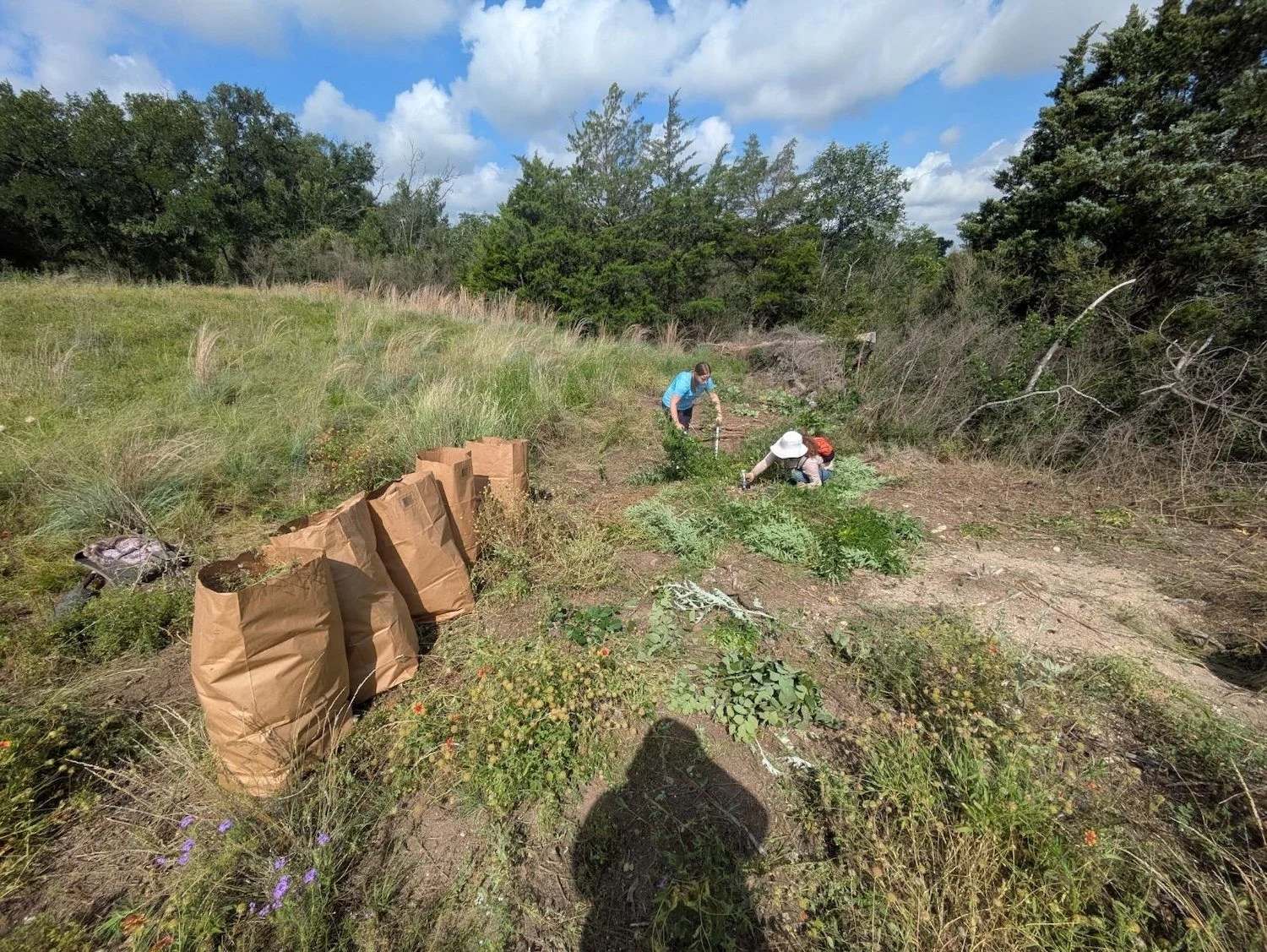
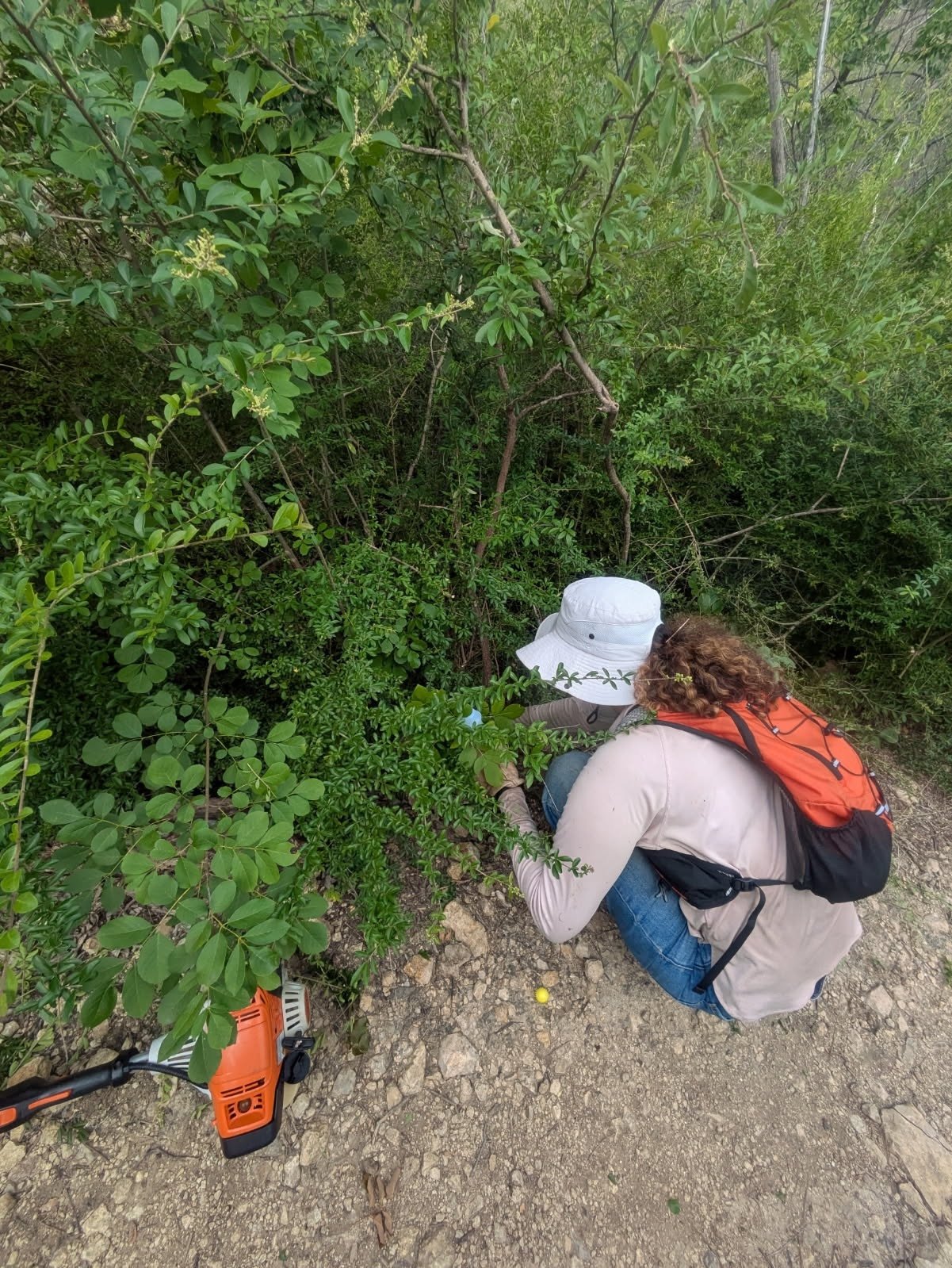
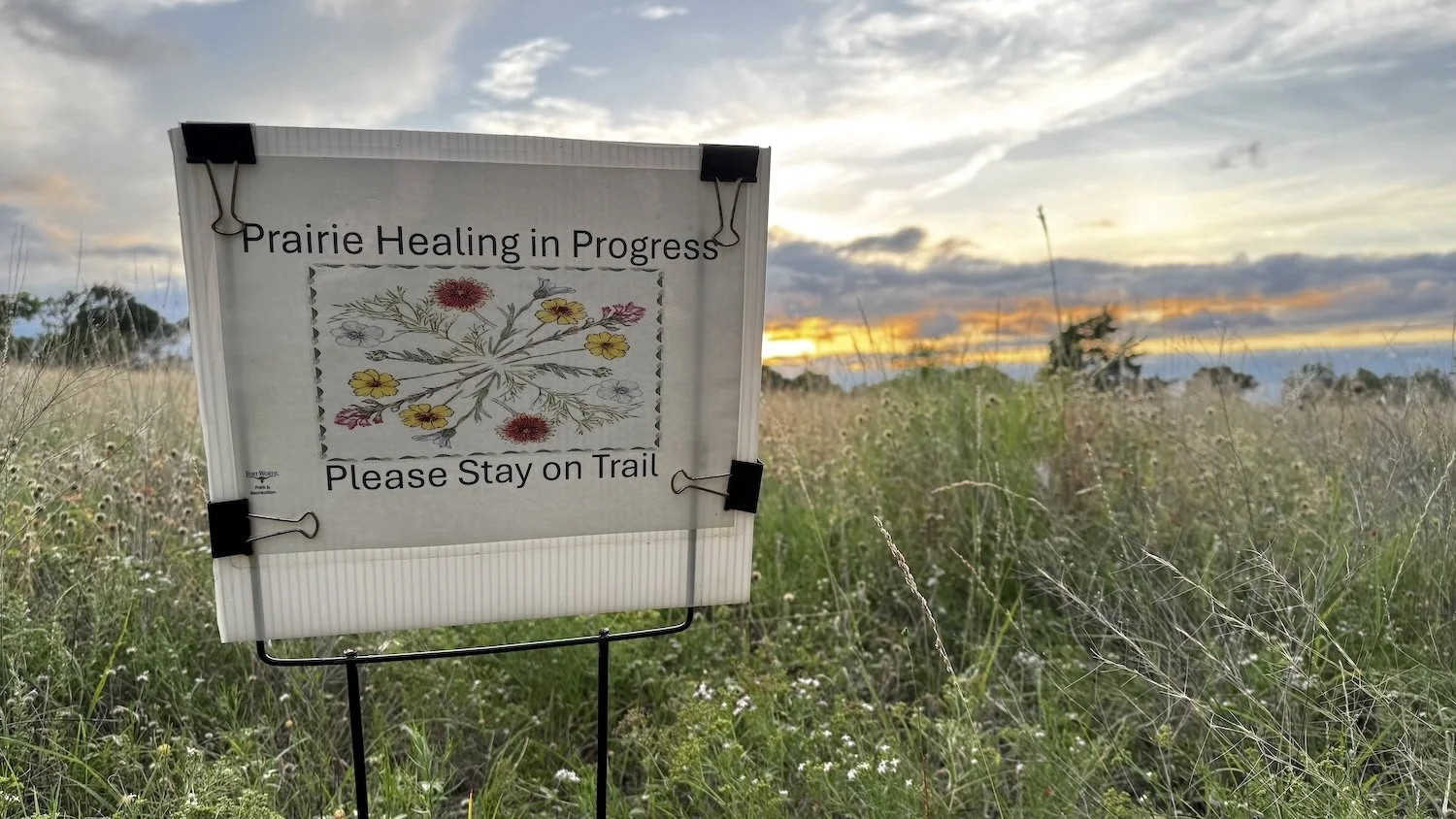
>>>>>>> The Tandy Hills Land Management Team continued on their never-ending job of controlling weedy and woody species. Olivia, Paige, Josh and Keandre are here 4 days a week managing the land. Not a fun job but, we persevere with your generous and vital donations.
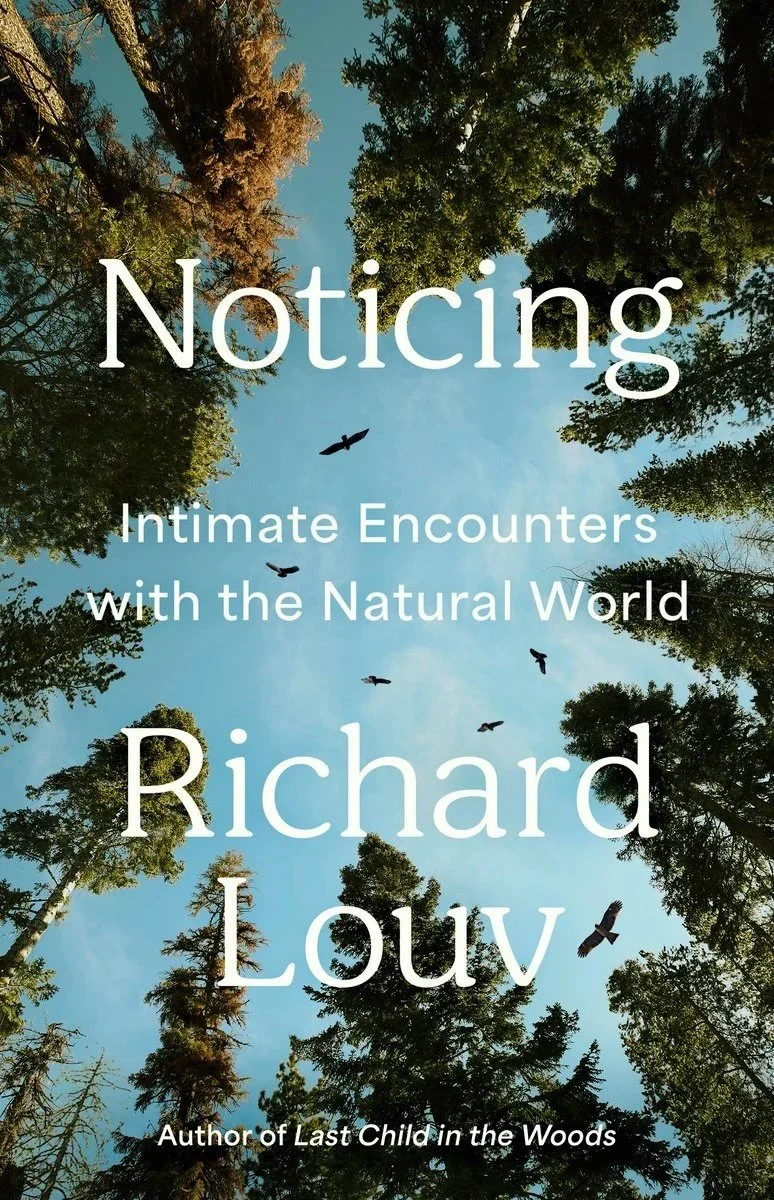
>>>>>>> Richard Louv, the author of the acclaimed, Last Child in the Woods, has a new book titled: Noticing: Intimate Encounters with the Natural World. From the publishers website:
“Long beloved for his insightful, inspiring nature writing, Richard Louv returns with his most personal book yet. Noticing is about discovering who you are by exploring the natural world. Louv shows how, by tapping into the thirty or more human senses we have, readers can develop skills--sensory, scientific, artistic, and spiritual--to see and experience the otherworlds of nature.
Through personal essays, rich with descriptions of the California wilderness around his home in the most biodiverse county in the nation, Louv draws on wisdom from influences as far-reaching as neuroscience, nature photography, Indigenous traditions, and mindfulness to foster what he calls "bioenchantment." He offers a new, deeper understanding of what it means to see a tree, know a fox, and to become fully human.”
From Noticing: Intimate Encounters with the Natural World. Courtesy of Algonquin Books / Little, Brown and Company, an imprint of Hachette Book Group. Copyright (c) 2026 by Richard Louv.
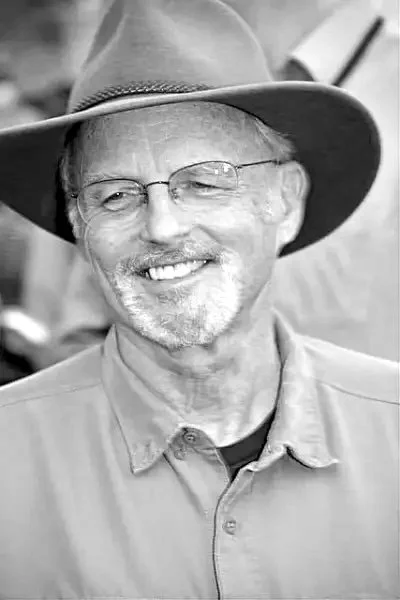
>>>>>>> Amy Martin has penned an excellent report about hiking in summer weather. She offers good advice on how to prepare and where you can find cooler trails in the DFW region. There are a couple of trails at Tandy Hills where you can be in the shade for most of your hike. Read her report in Green Source DFW, HERE.
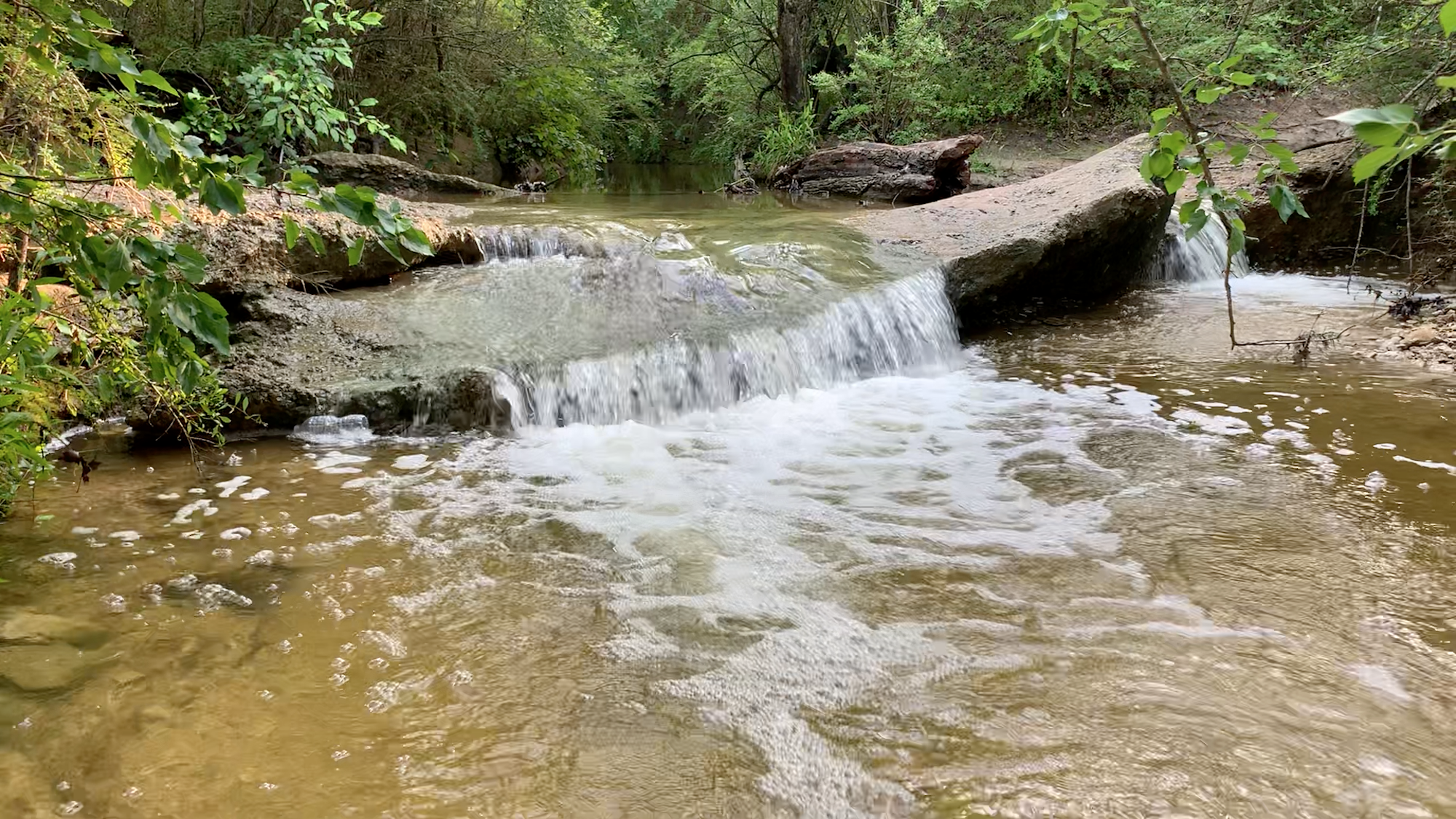
Tandy Falls after a good rain is a refreshing way to spend a summer day. No alligators to worry about. . .
5) Prairie Sky / Star Party report
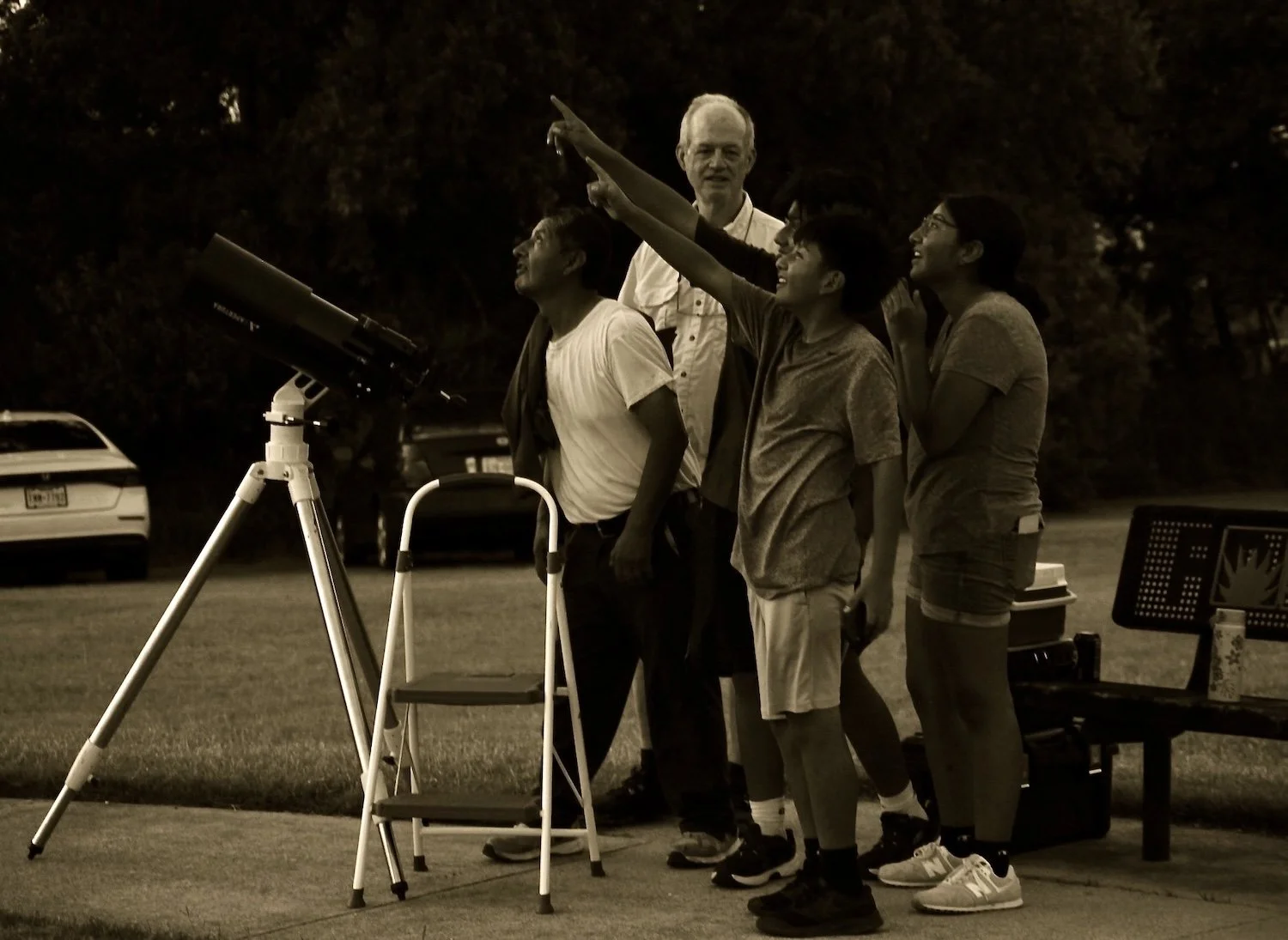
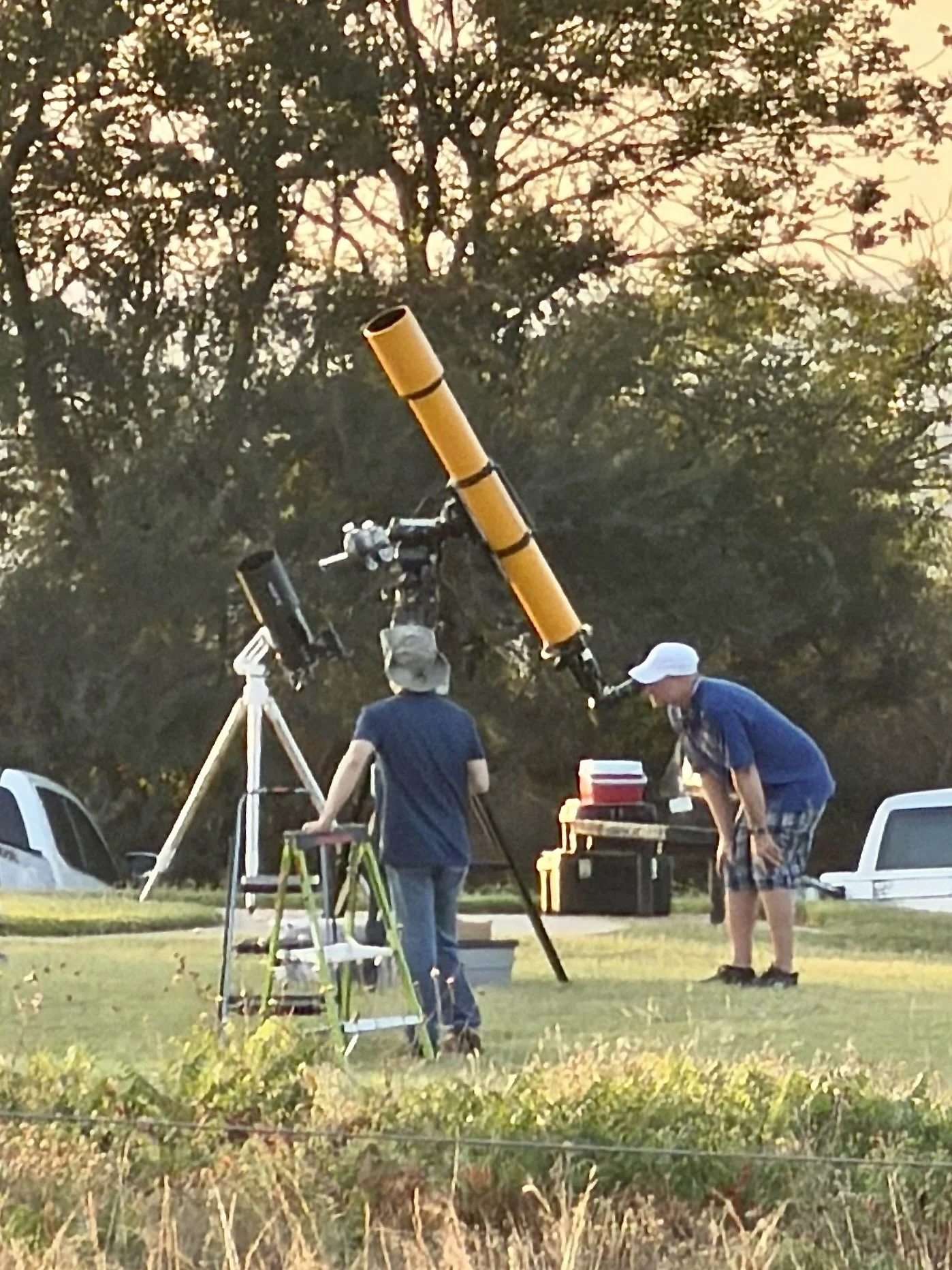
It was perfect weather for the Star Party on June 20th. Thirty-five members of the public were in attendance; there were two, See Starscopes, and one Dwarf Mini in the mix of 11 total scopes. We also had two members of Code Blue, keeping an eye on photographers. See the complete 2026 schedule, HERE.
Fort Worth Astronomical Society representative, John McCrea, has the forecast for the next star party on July 18th:
“For our July 18th FWAS/Tandy Hills star party, we will enjoy a summer under the stars with some of our favorite constellations. The center of our galaxy can be found in the constellation, Sagittarius (the archer). Also, visible will be some of the well-known constellations such as: Scorpius (the scorpion), Lyra (the lyre), and Cygnus (the swan). The remaining are Ursa Major, Cancer, Virgo, and Hercules. The Summer Triangle (Vega, Deneb, and Altair) will be visible.
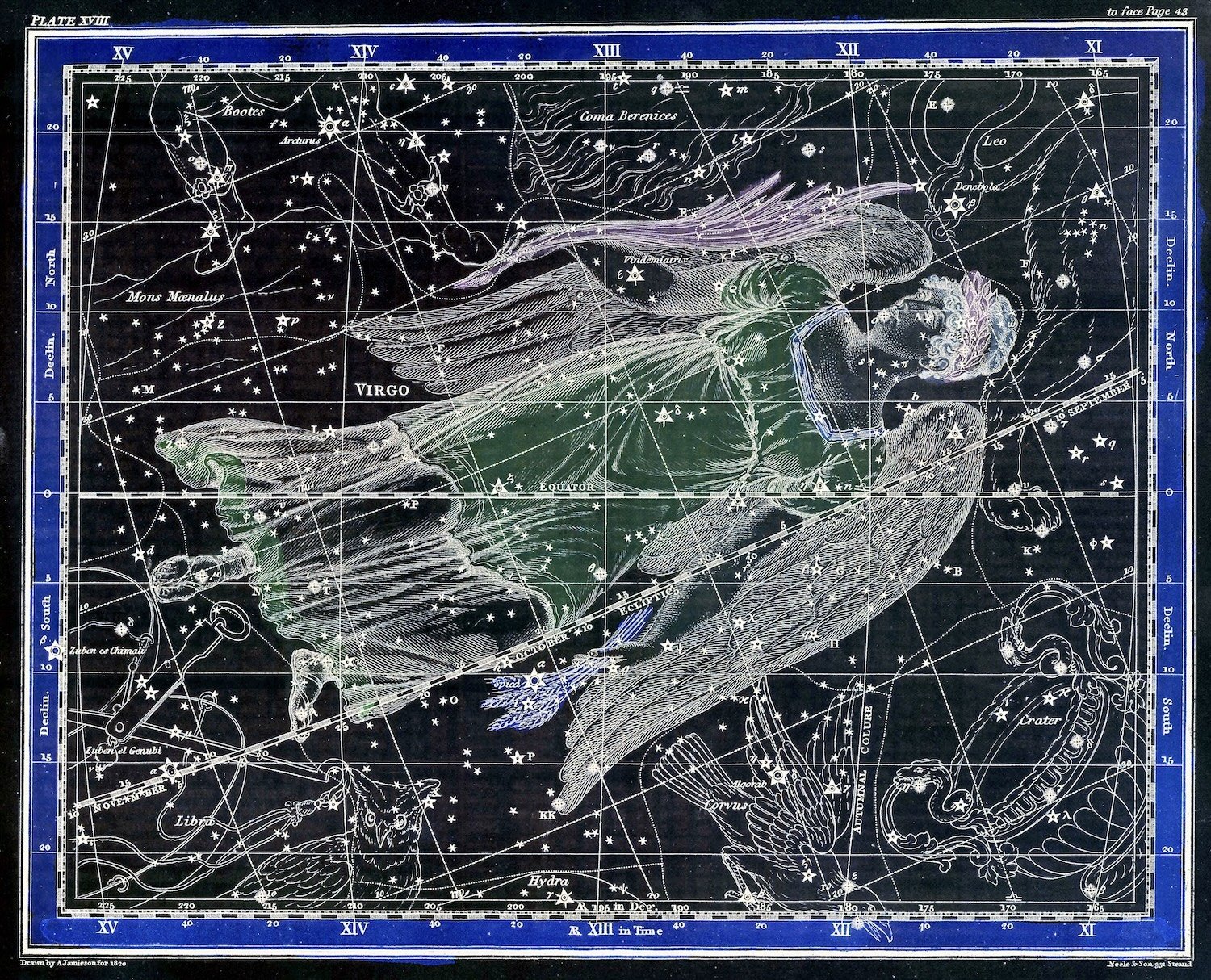
The sun will set at about 8:36 PM DST on July 18th. The moon will be a 5.1-day old waxing crescent in the constellation Virgo (the virgin). Venus will be the only planet visible tonight and in the constellation Leo (the Lion). It will be slightly above and to the left of Regulus.
The globular cluster, Ω-Centauri will barely be visible. It will be at 204O compass heading (southwest) or RA 13hr 28’, Dec -47O 37’.
Note of interest: July 3rd is the aphelion of the Earth, when the Earth is farthest from the Sun in our orbit around the Sun.

6) Prairie Proverb - Dr. Harrison Ford
“Humanity is a part of nature, not above it”

Become a Friend HERE: https://www.tandyhills.org/donate
Prairie Notes© is the official newsletter of Friends of Tandy Hills Natural Area, a 501 (c)(3) non-profit organization. All content by Don Young except where otherwise noted.