Prairie Notes #232 - Bee vision

Prairie Notes are monthly photo/journal observations from Tandy Hills Natural Area by Founder/Director, Don Young. They include field reports, flora and fauna sightings, and more, mixed with a scoop of dry humor and a bit of philosophy.
They are available free to all who get on the FOTHNA email list.
Bee vision
Prairie Notes #232
April 1, 2026
1) Bee Vision
2) Field Report - March
3) New Species Report - March
4) A Trout Lily Beacon
5) Somewhere Under the Rainbow
6) Newsworthy & Noteworthy (LOTS!)
7) PrairieSky / StarParty Report
8) Déjà Vu All Over Again
9) Prairie Proverb -Comrade Nature
1) Bee Vision
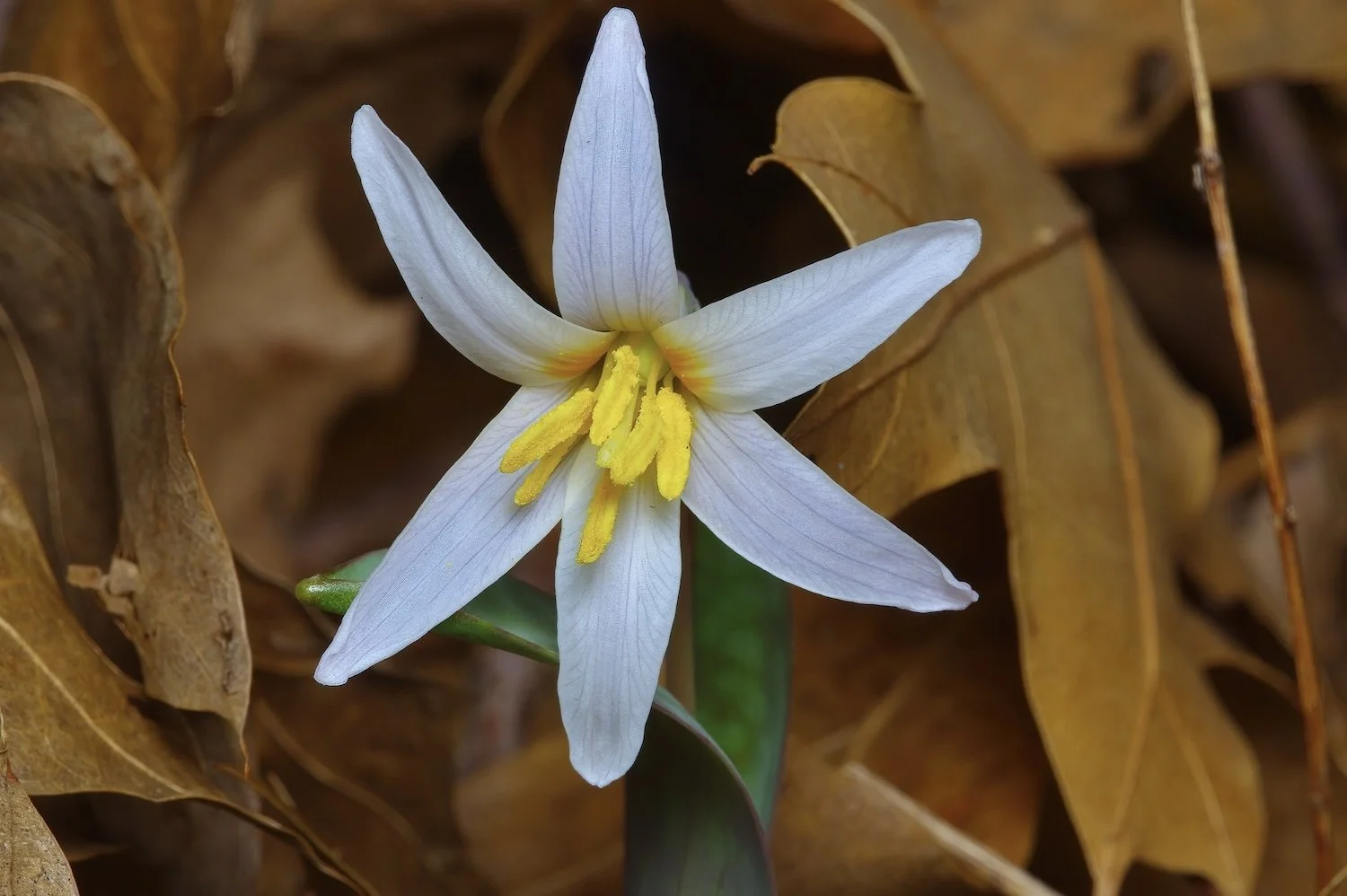
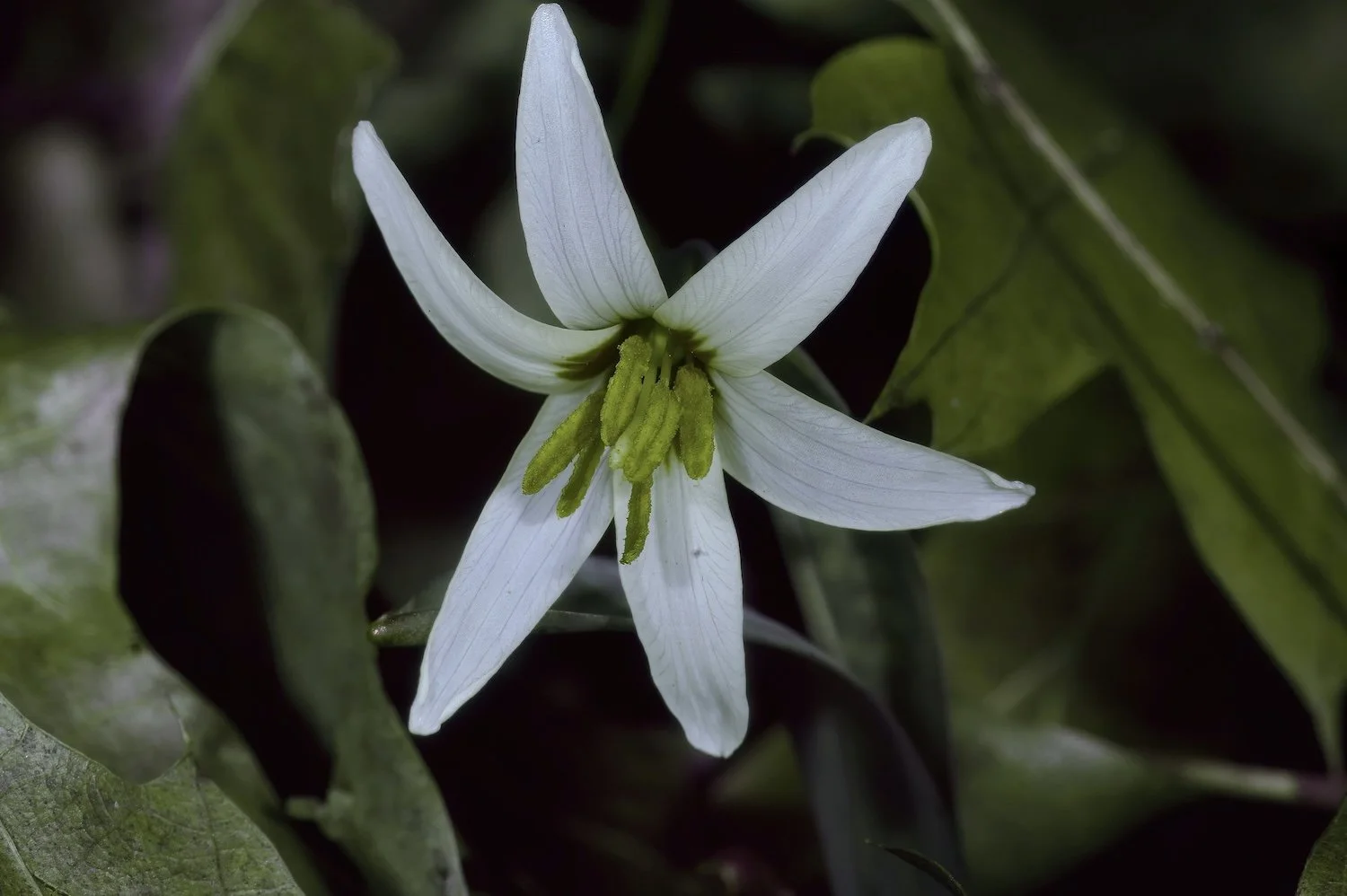
Bees are amazing. So are wildflowers. Together, over a span of 250 million years, they have evolved allowing both of them to survive and thrive. In a word: Symbiosis. Wildflowers have evolved along with them in all kinds of ways to entice the pollinators using their scents, colors and nectar quality. Kind of like when you see a friend waving frantically at you from across the room. The wildflowers create targets or roadmaps along with runways to get the pollinators attention.
Insect pollinators including, bees, dragonflies, wasps, butterflies, flies, and moths have amazing, compound eyes. Besides their two big, compound eyes, they have 3 smaller ones in between them called, ocelli that work together to create a wide-angle, mosaic-like view of the world. They also have highly evolved antennae which serve as their primary olfactory organs to "smell". But their super-power is the ability to see ultra violet light (UV light), sometimes referred to as Bee Vision, something humans cannot do.
Enter, Michelle Wong. I first met Michelle and her sister, Lynn Chen, a couple years ago as they were hiking into Tandy HIlls to search for Trout Lilies. Both made striking figures with their specialized equipment , big hats and Michelle’s cute dog. I learned that Michelle is a professional photographer with a specialty in UV photography. I had previously seen photos of plants and some insects that change color when viewed under UV light. But I was blown away by Michelle’s work.
She began her exploration of UV photography when walking her dog one night, she realized that moths managed to find flowers to pollinate in darkness. After a lot of research and getting her equipment updated she could “see” as the bees and moths do. She utilizes either a special UV flashlight or a specially-adapted, full-spectrum camera with UV pass and suppressed filters to take her photos.
In 2021, the Lady Bird Johnson Wildflower Center published an article titled, A Different Light, that includes photos and comments by Michelle. You can find that article HERE.
All photos and photo comments by, Michelle Wong, and used with permission.
As always, thanks for reading these Prairie Notes and supporting Friends of Tandy Hills Natural Area. Your donations are welcome HERE.
DY
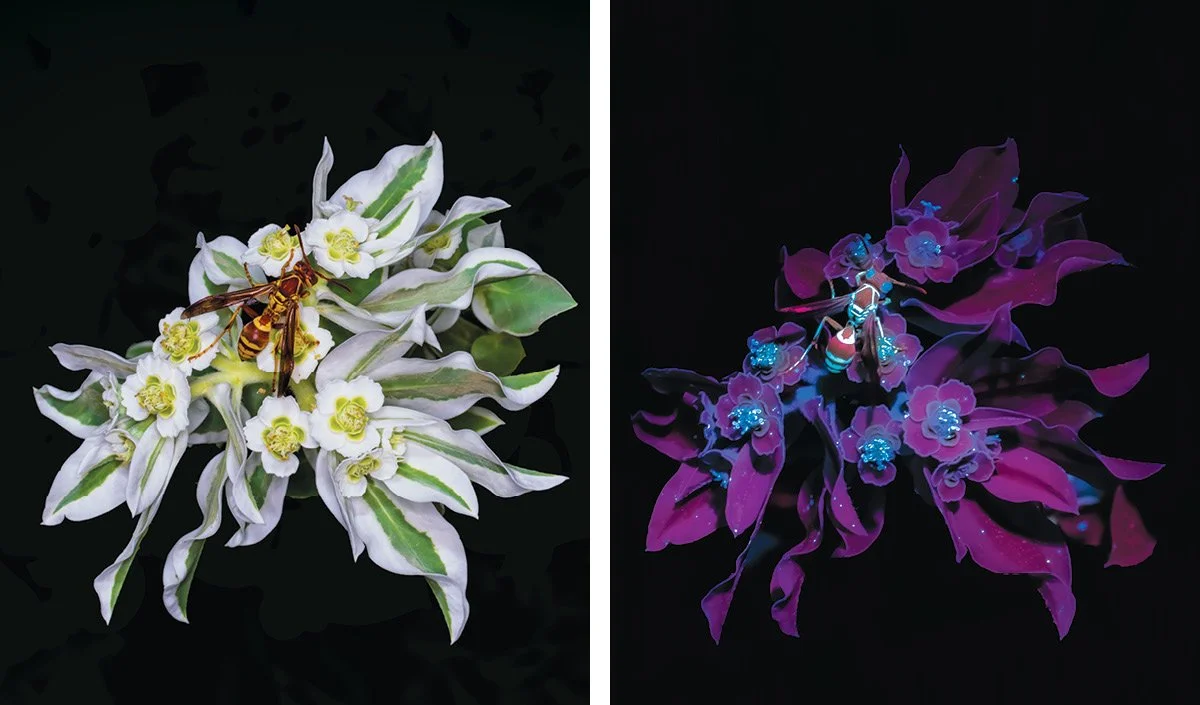
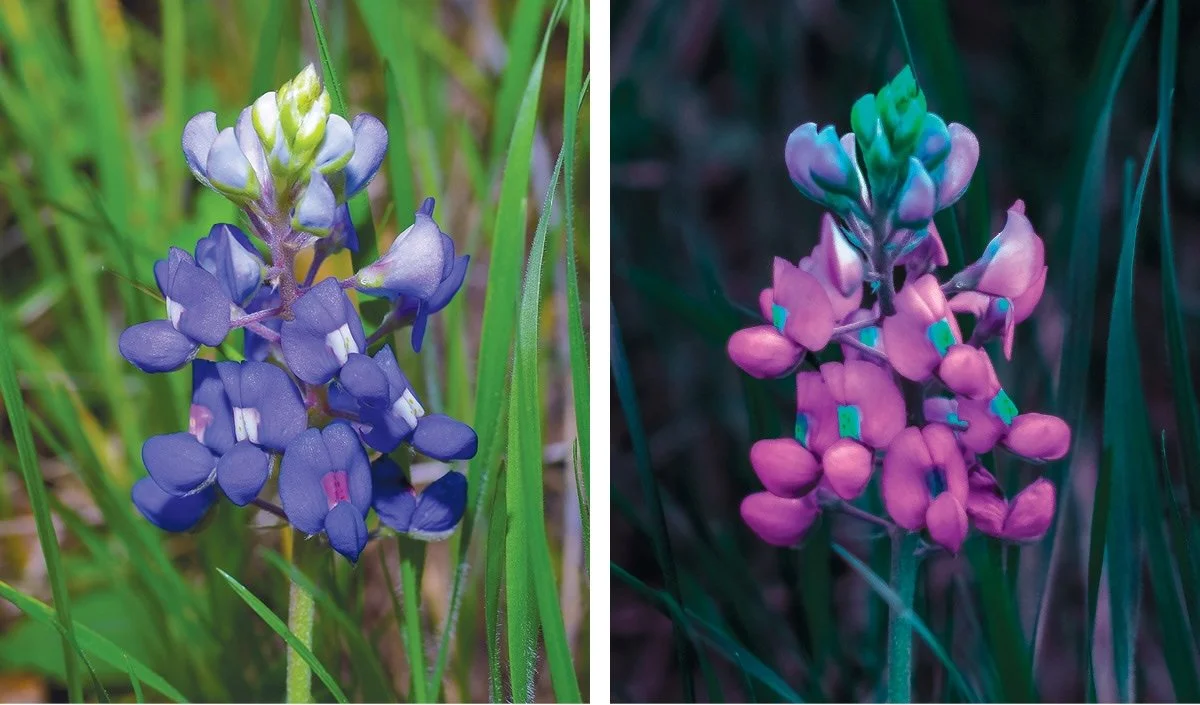
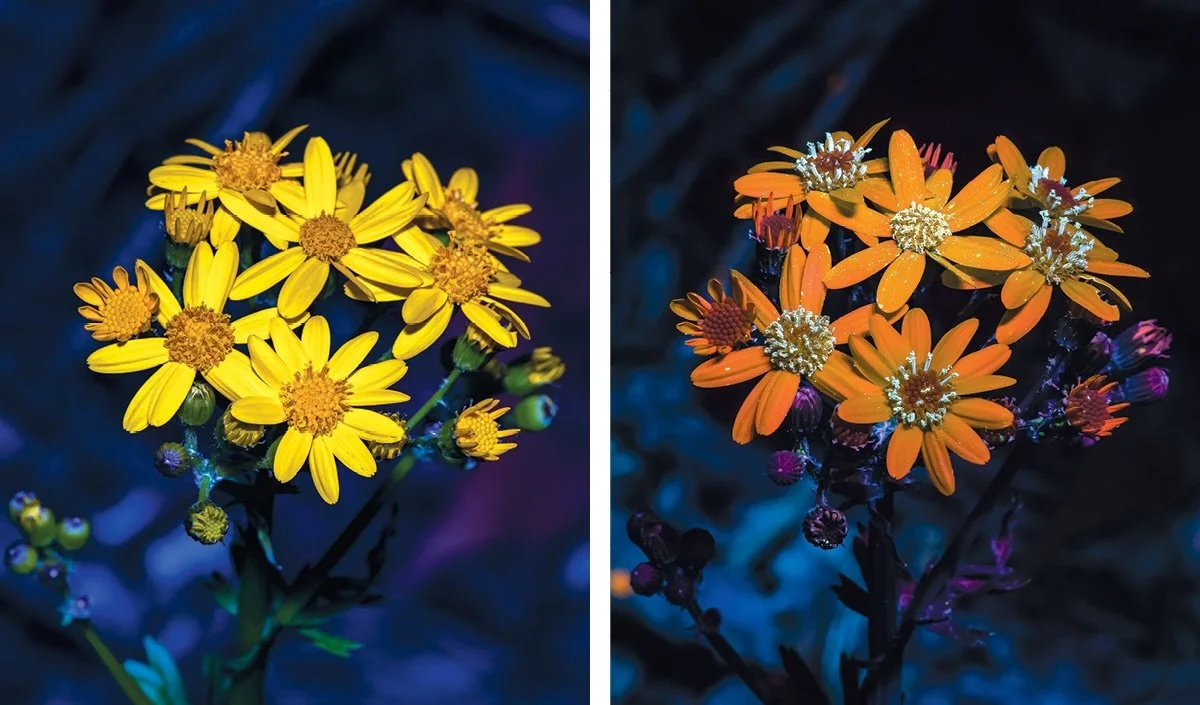
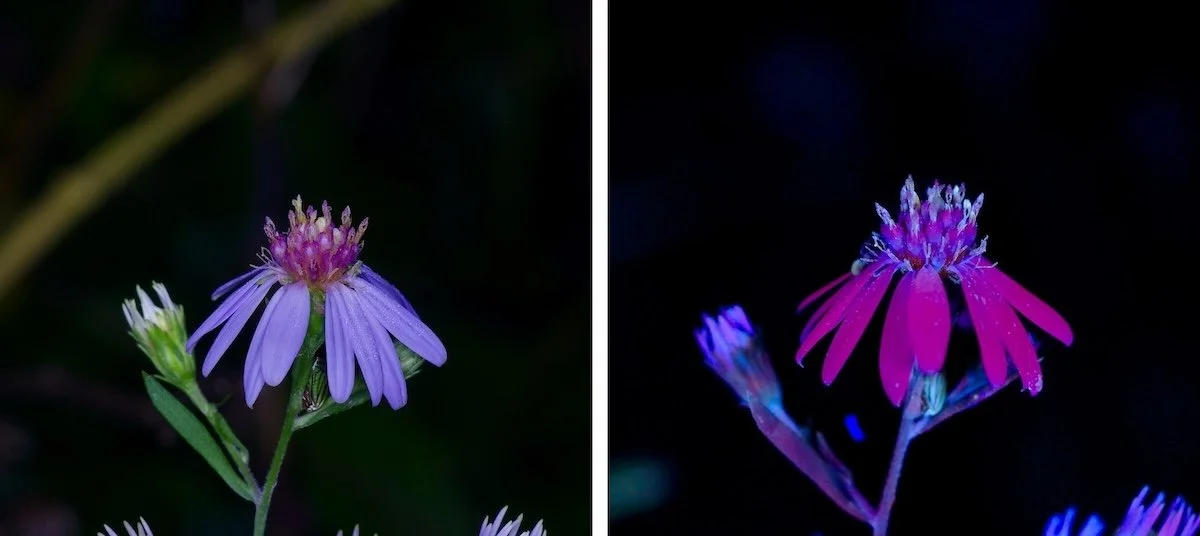
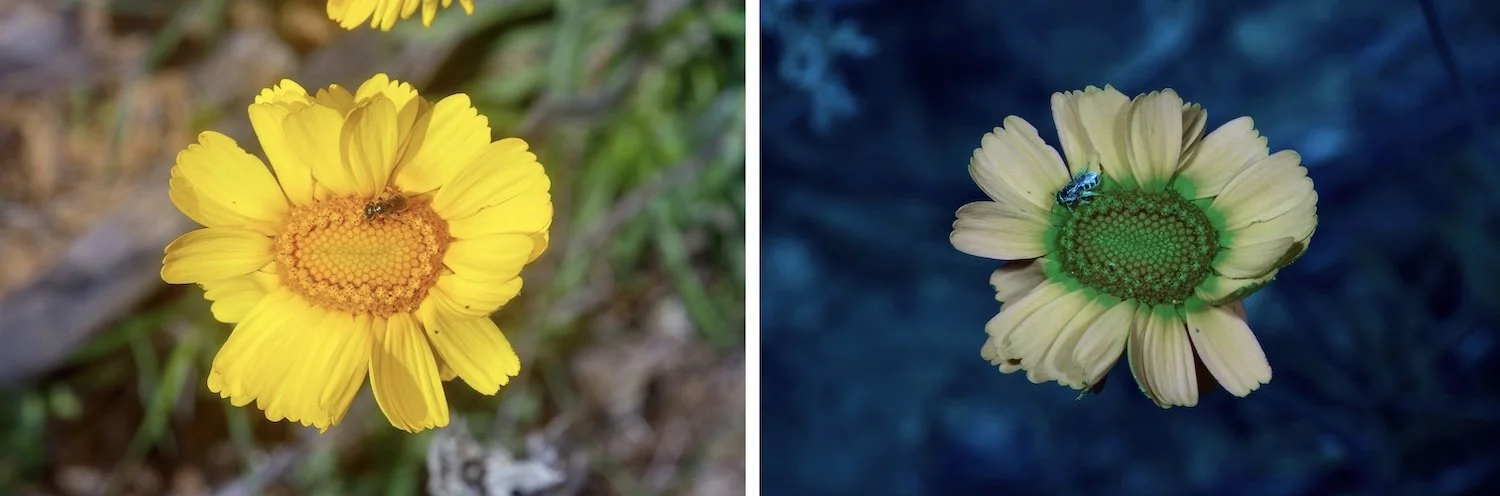
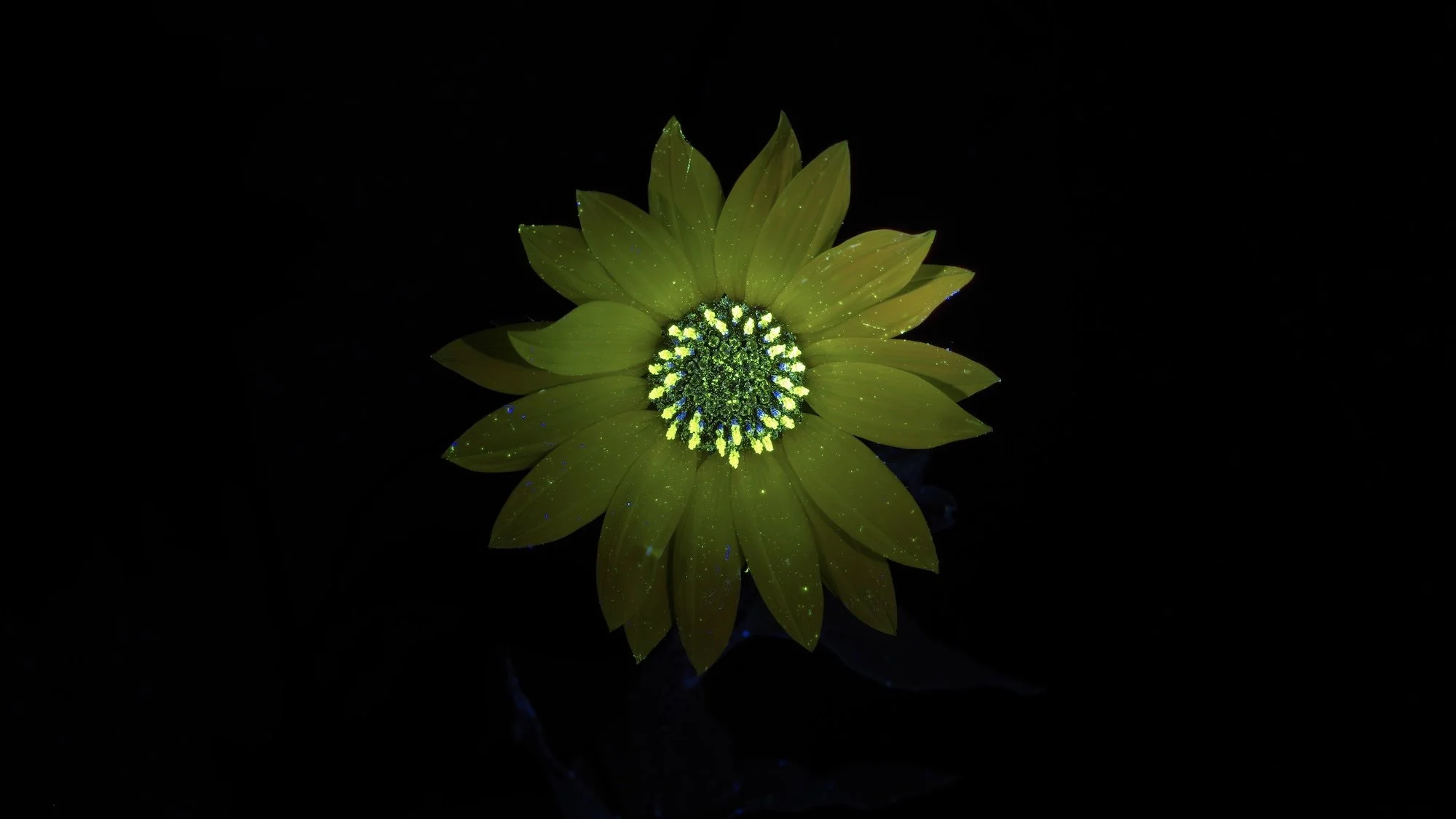
A Common Sunflower (Helianthus annuus) using UV-induced visible fluorescence photography. Sunflower Moths (Homoeosoma ellectellum) are highly attracted to common sunflowers, particularly during the early flowering stages. These moths lay eggs on the flower heads, and their larvae (caterpillars) feed on the pollen and developing seeds. Both are common at Tandy Hills.
2) Field Report - March
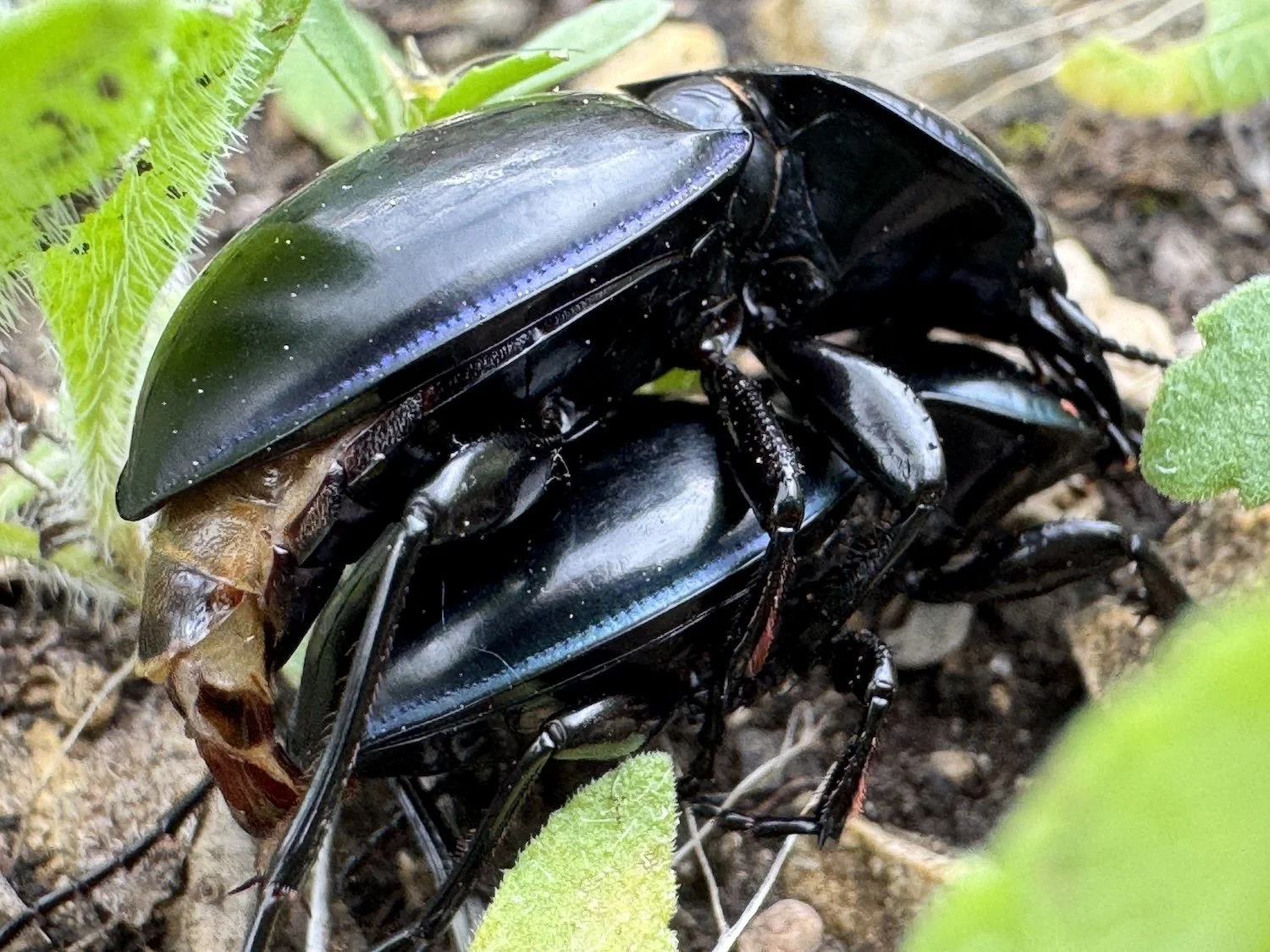
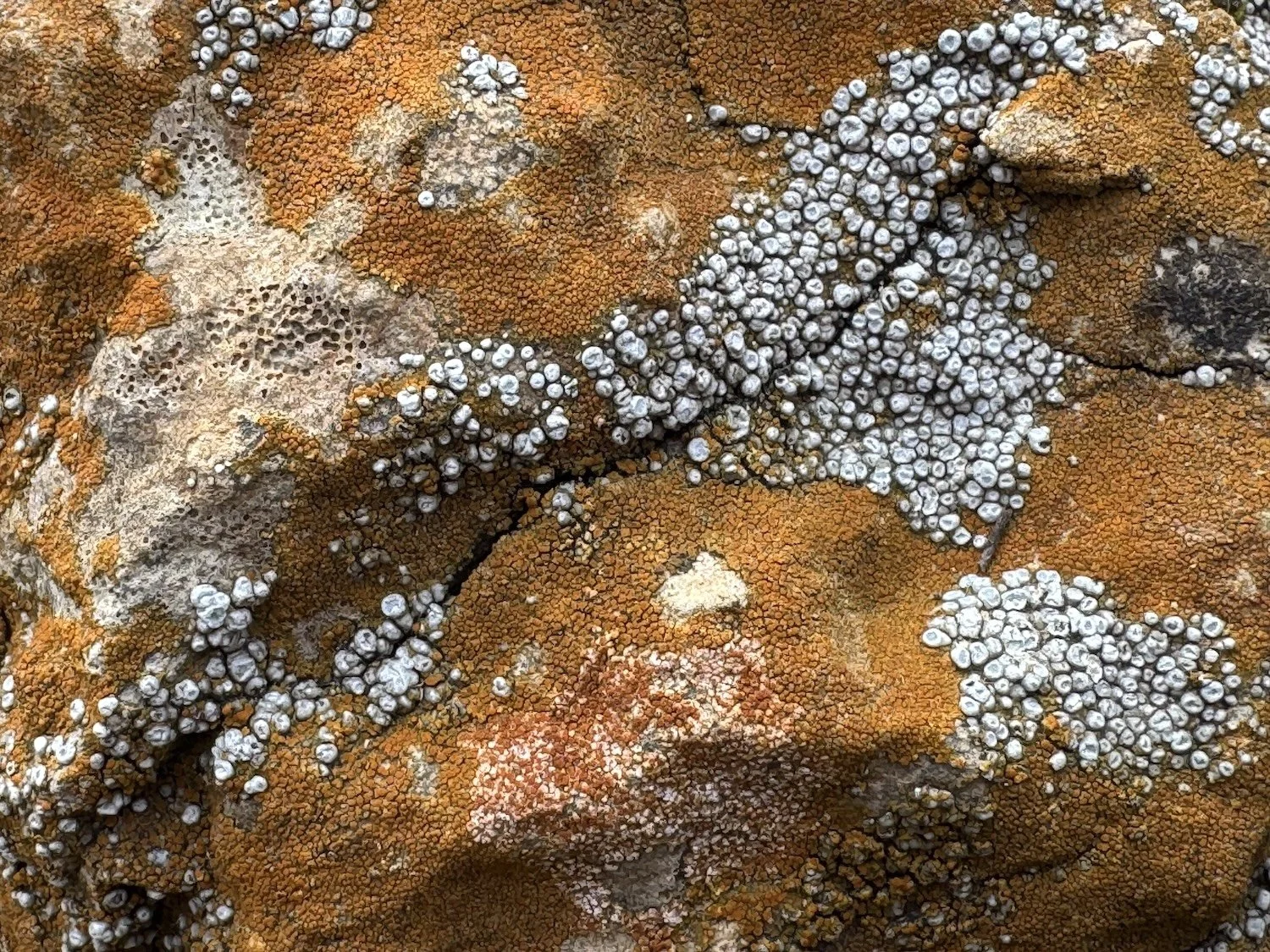
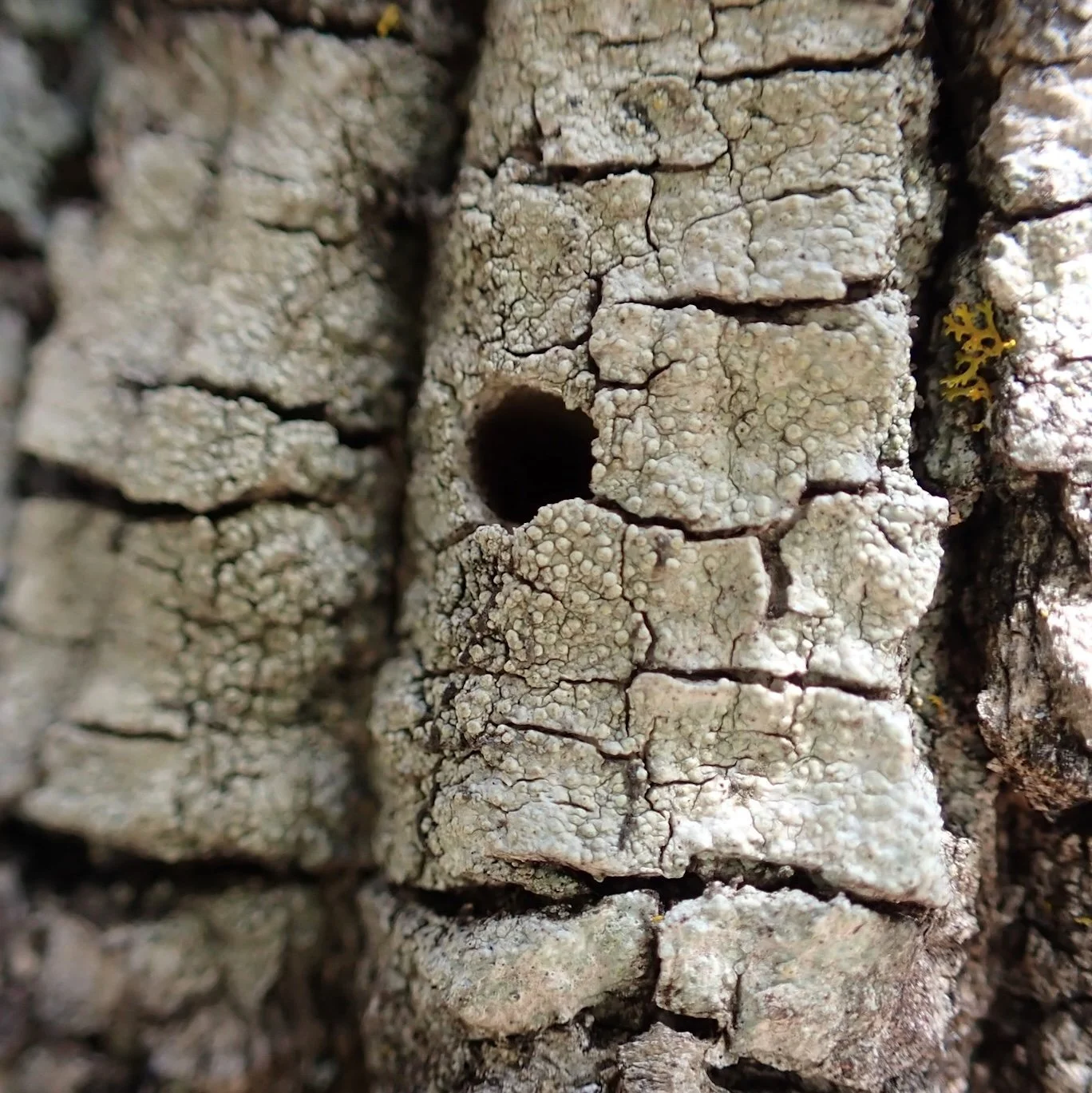
There was a lot to see in March at Tandy Hills. I was a bit worried a few weeks ago that the prairie would not come back from the burn and the late freeze. I was mistaken. The meadows are growing more lush by the minute. The harbingers of spring are all blooming and many other species are popping up, too. The tall winter grasses have finally given up the ghost and started to fall back to Earth. Critters are on the wing and foot. (Check out this VIDEO of two Blue-bordered Ground Beetles mating on the prairie.) Strange-looking lichens and fungi are taking advantage of the rain we had. The creeks were still flowing as of March 25th. Interns are steadily working to remove invasive species. Come on in and see what all the fuss is about. It’s almost too much!
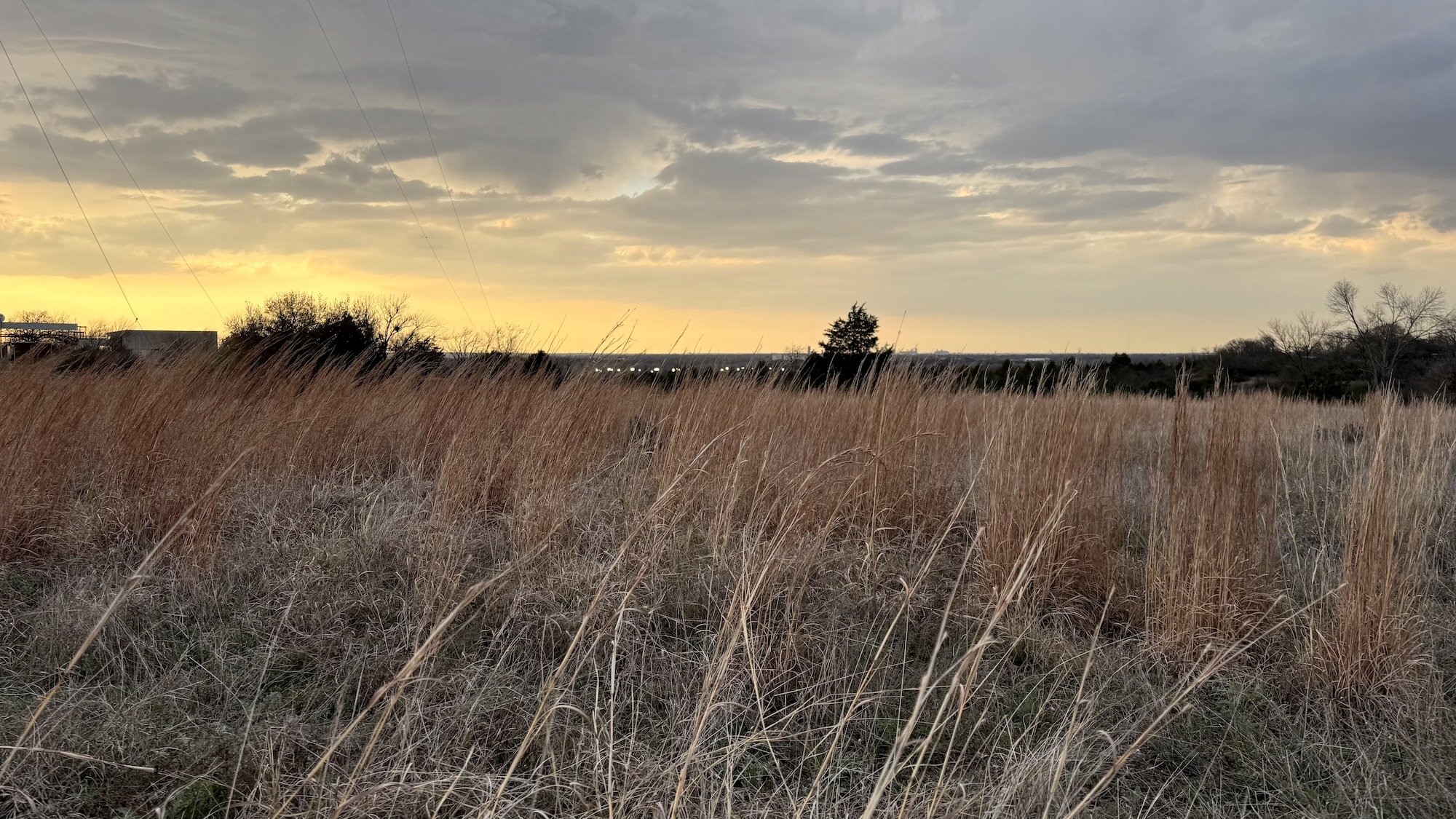
A late winter scene on Broadcast Hill. March 6th. For one thing, the colors returned to the prairie.
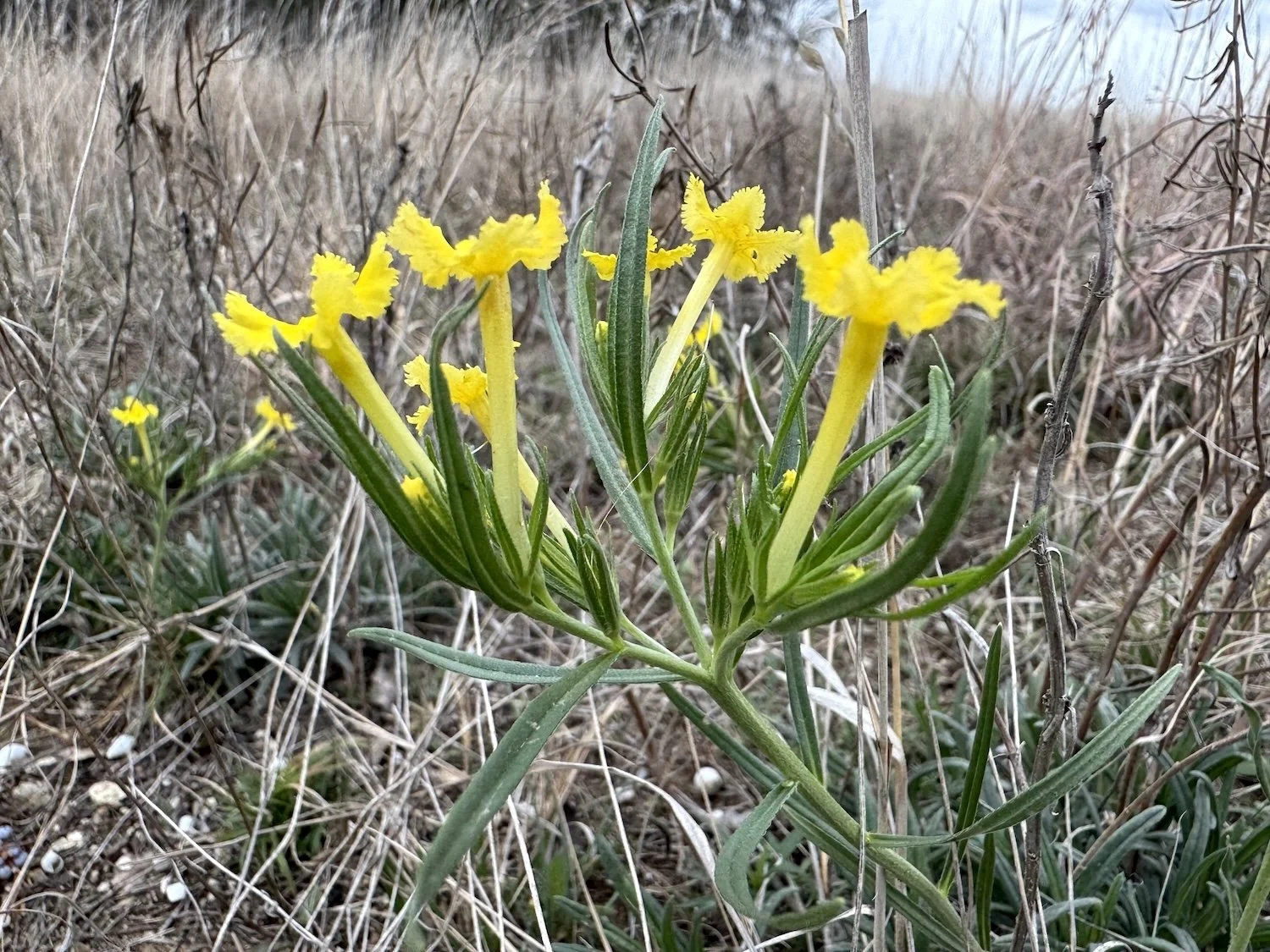
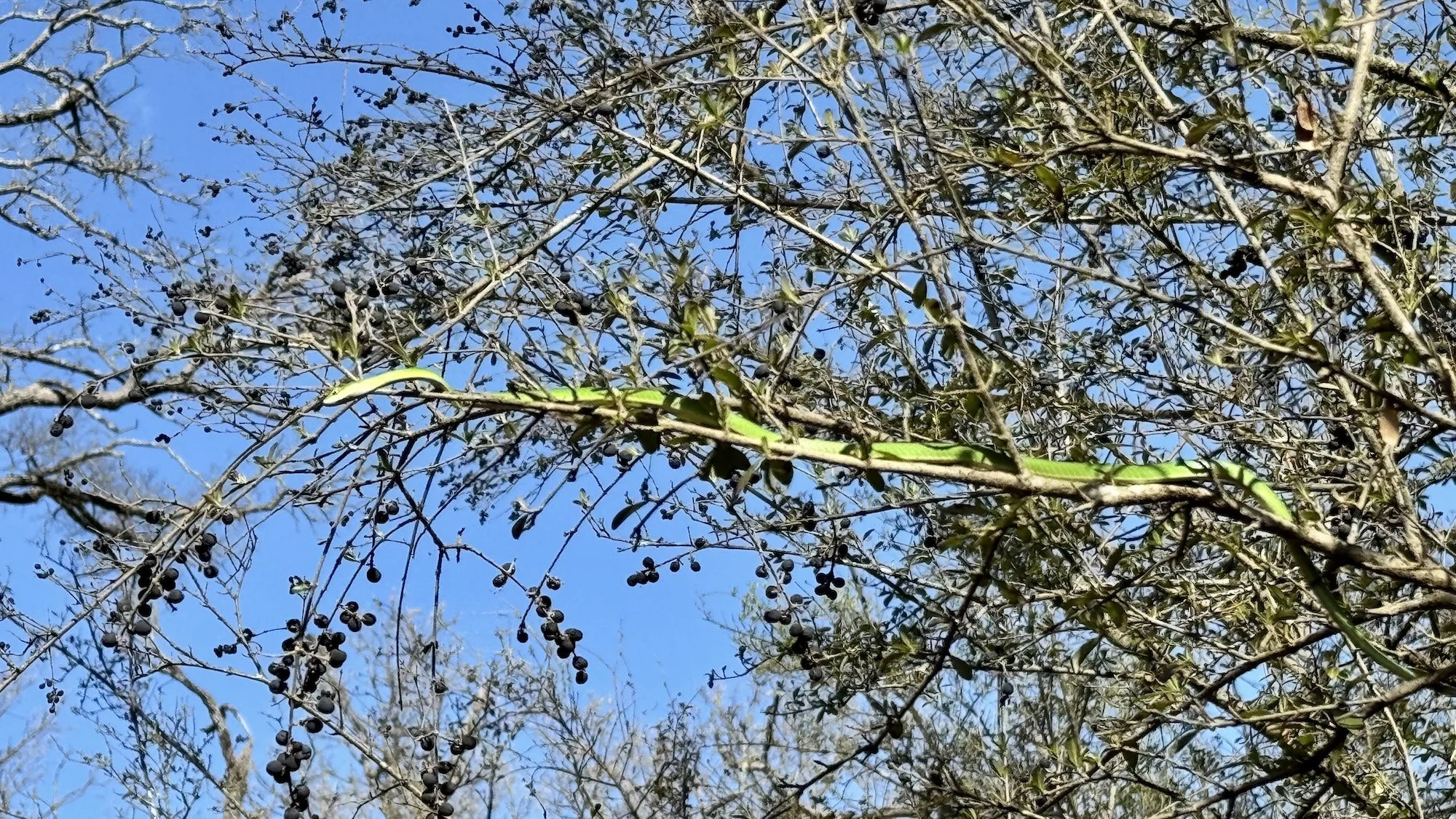
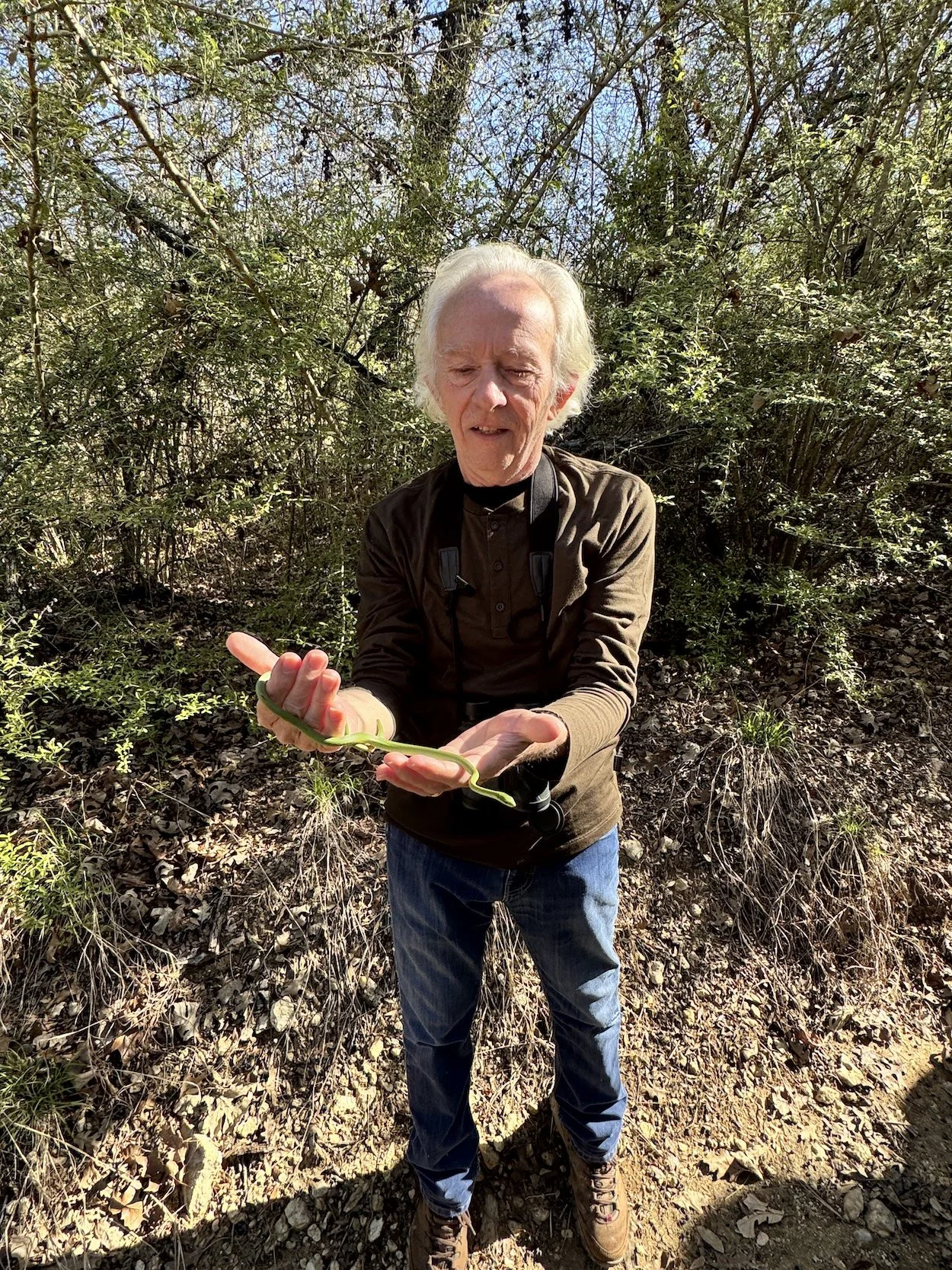
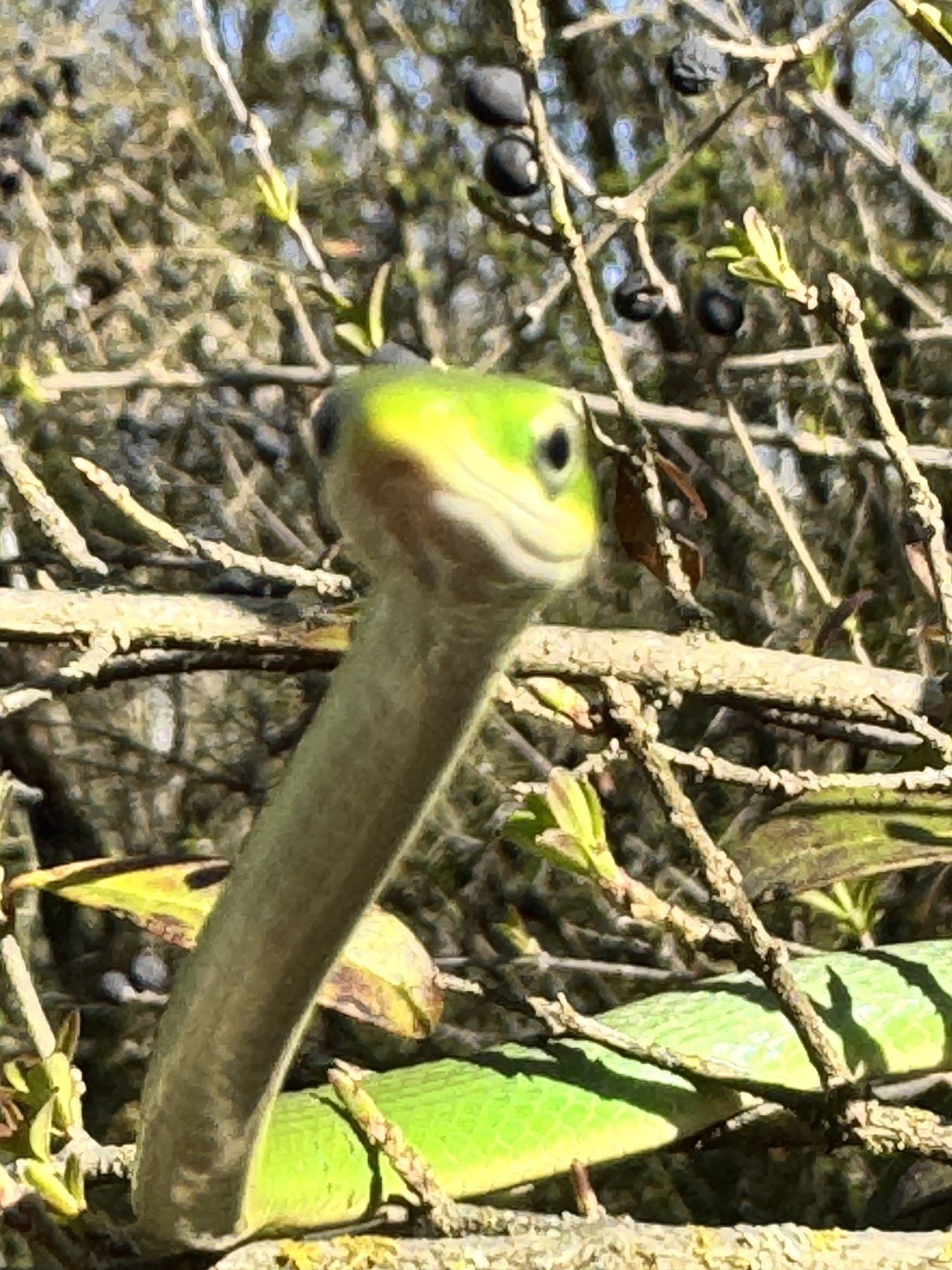
A Rough Greensnake hanging over the trail during the bird walk on 3/15. It was about 4’ long and 1/4” diameter.
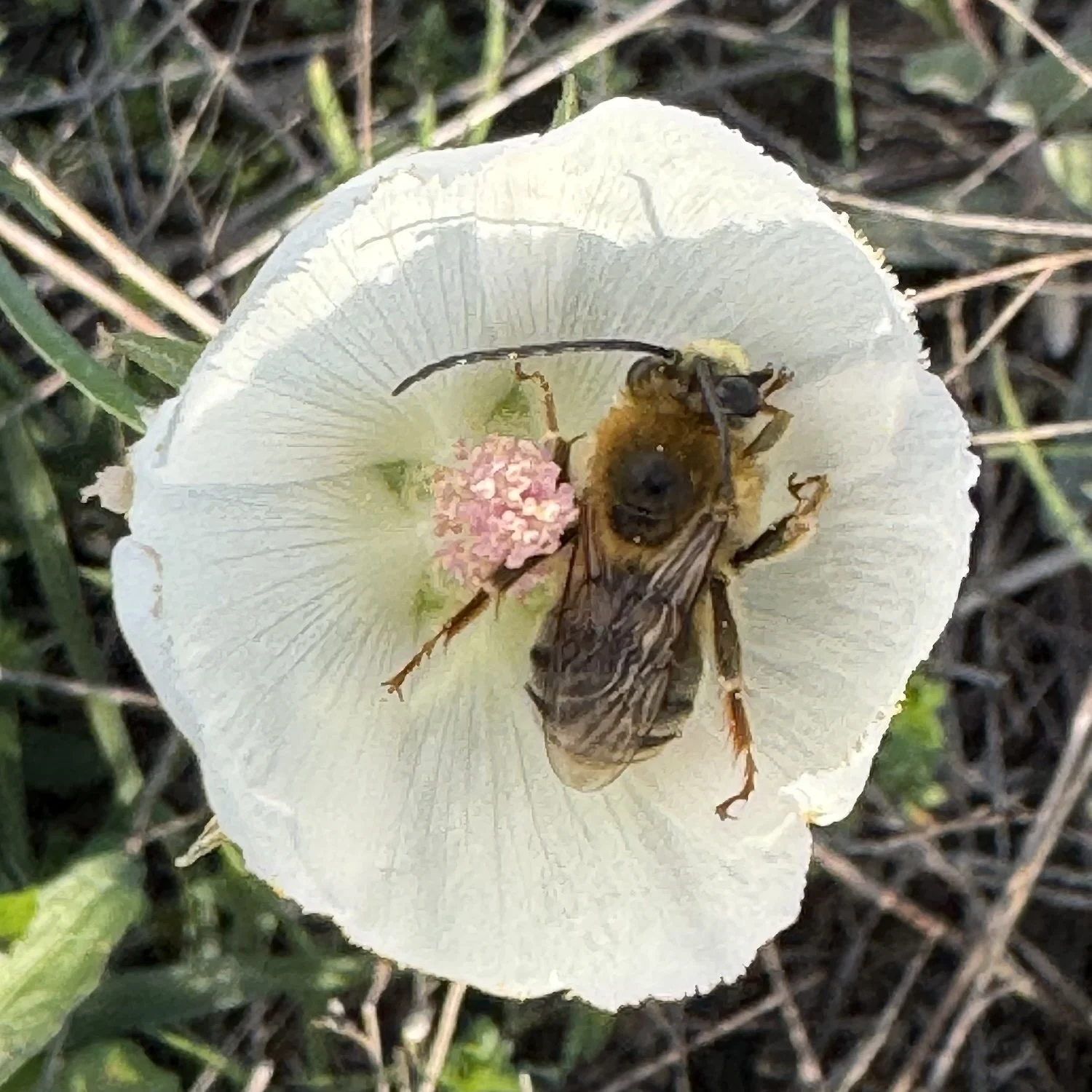
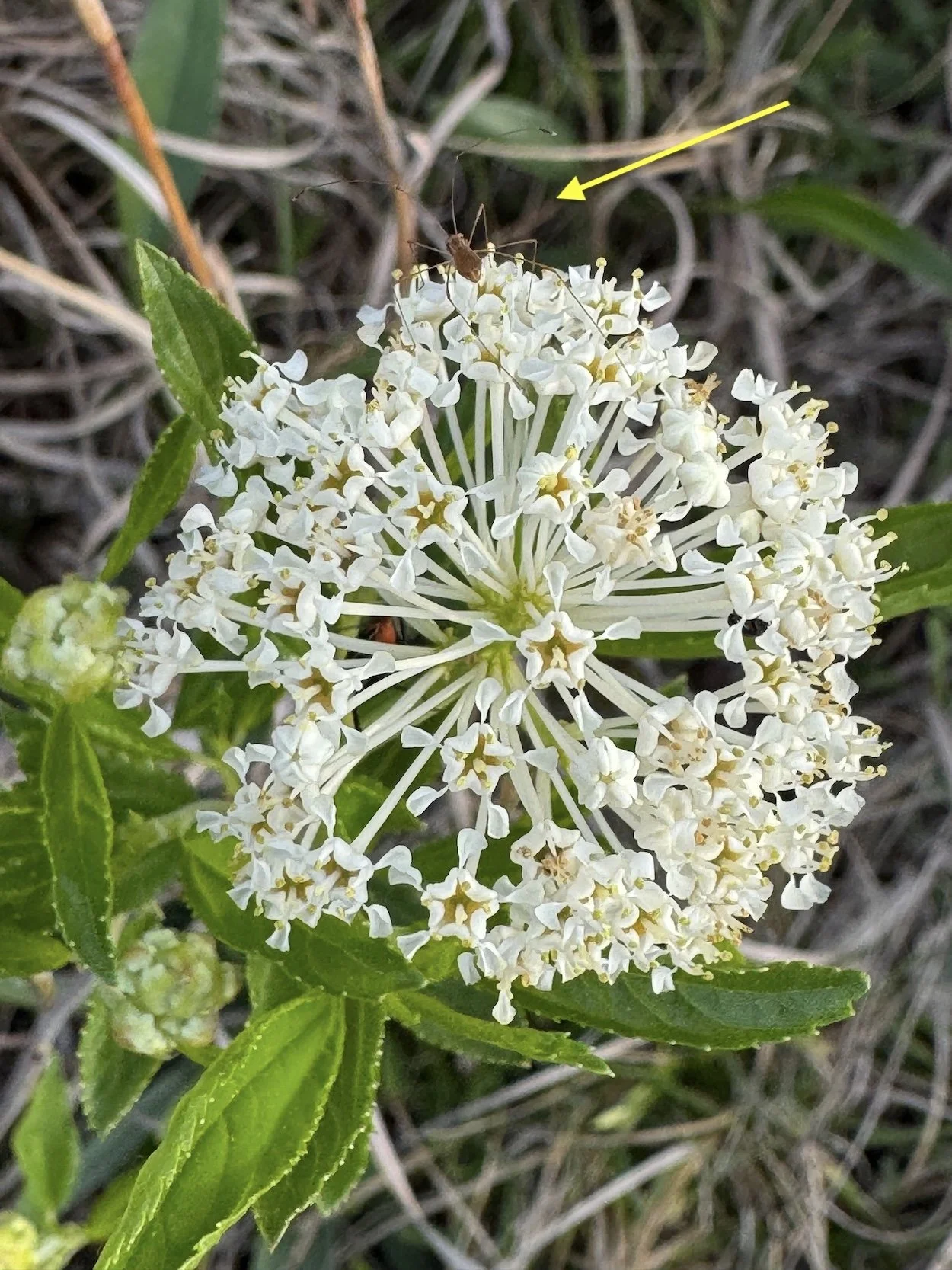
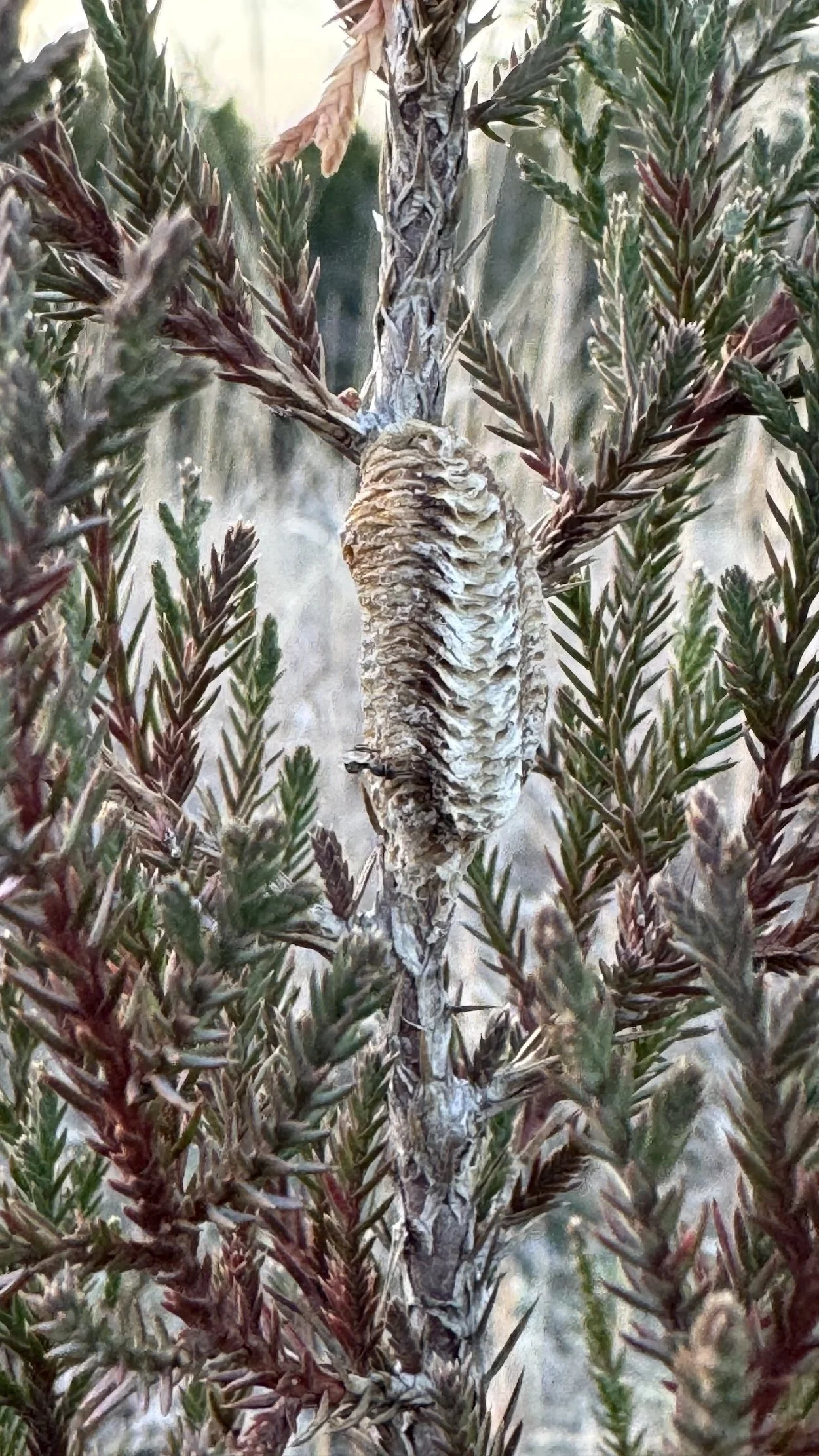
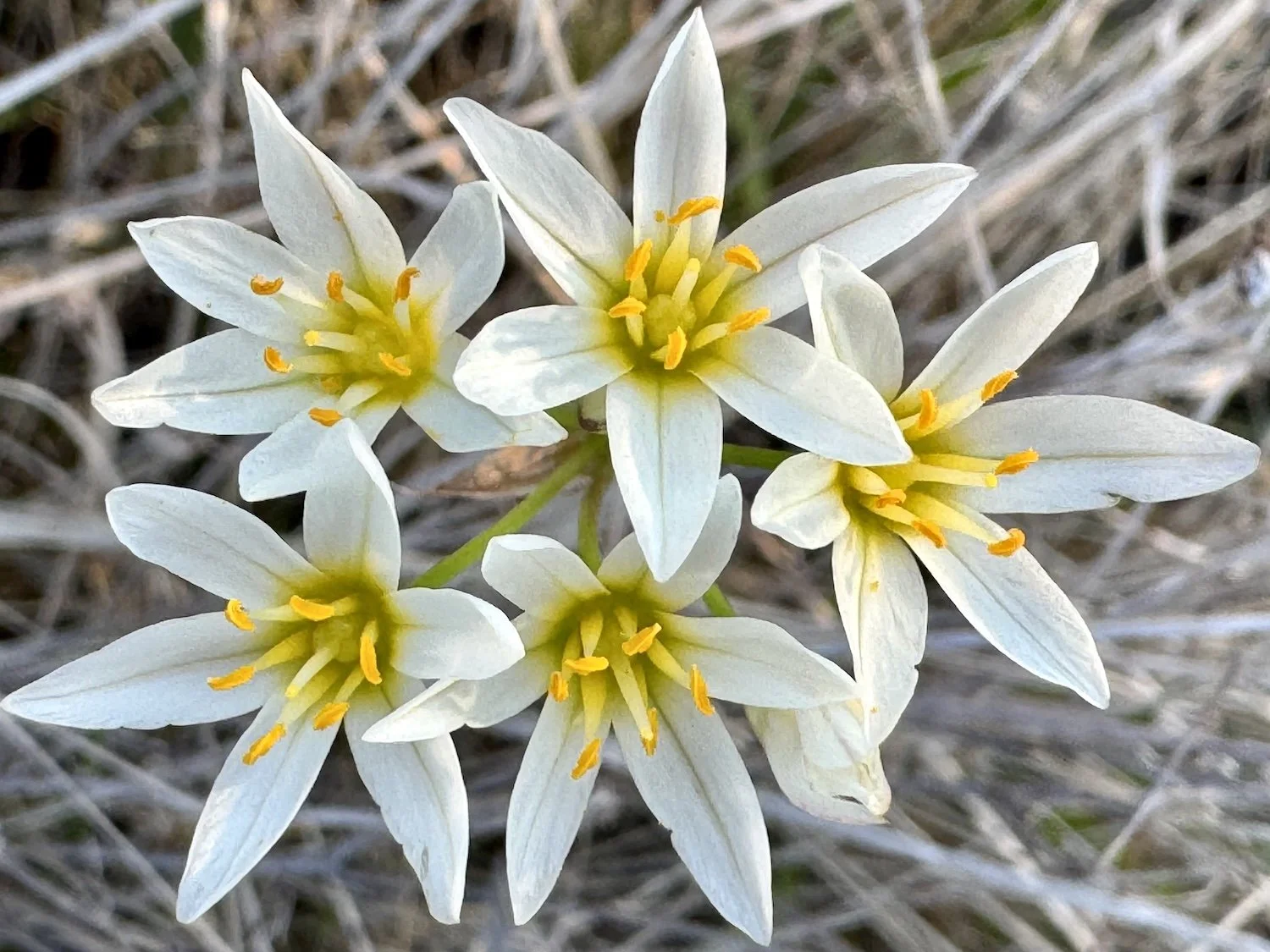
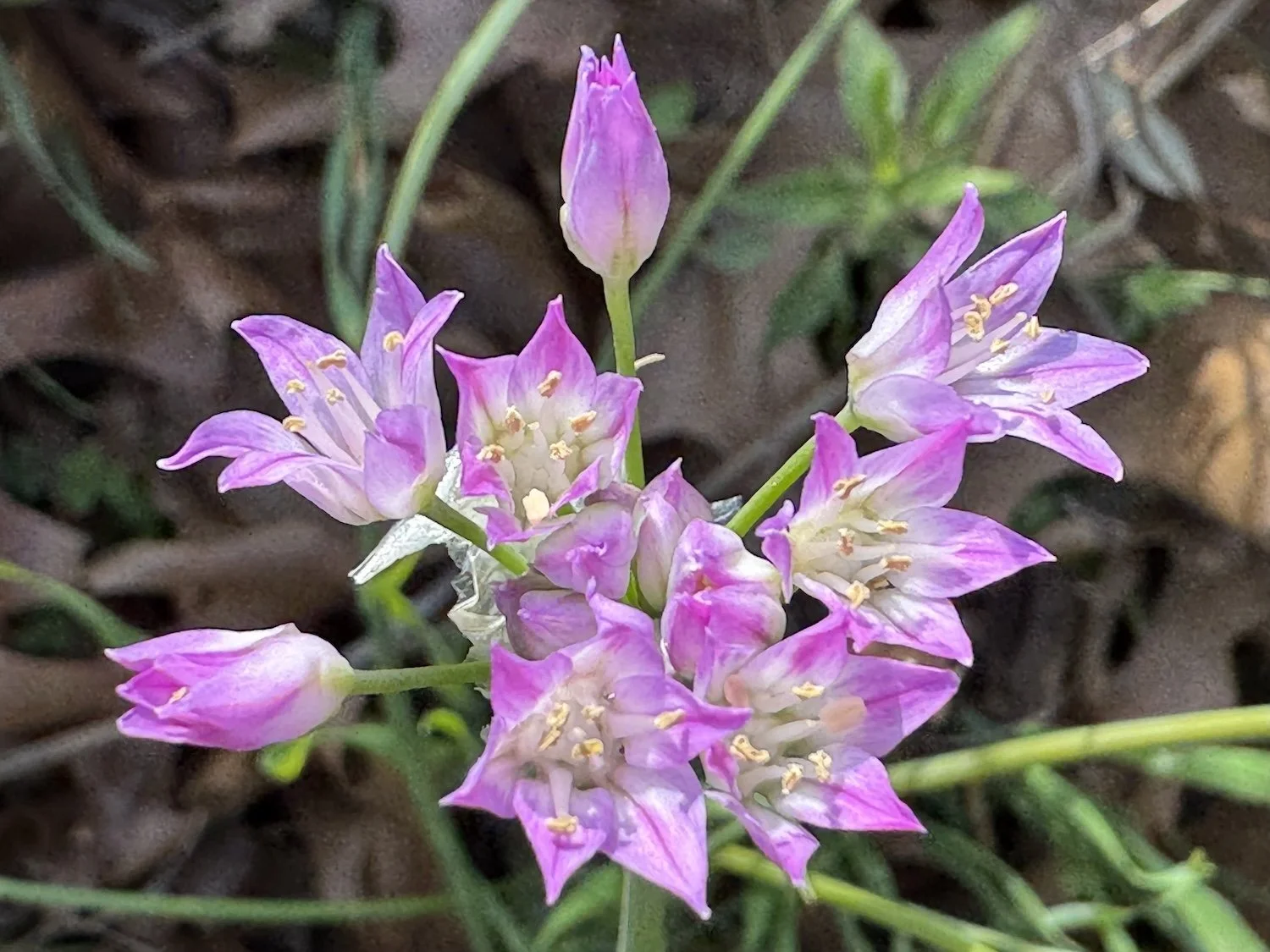
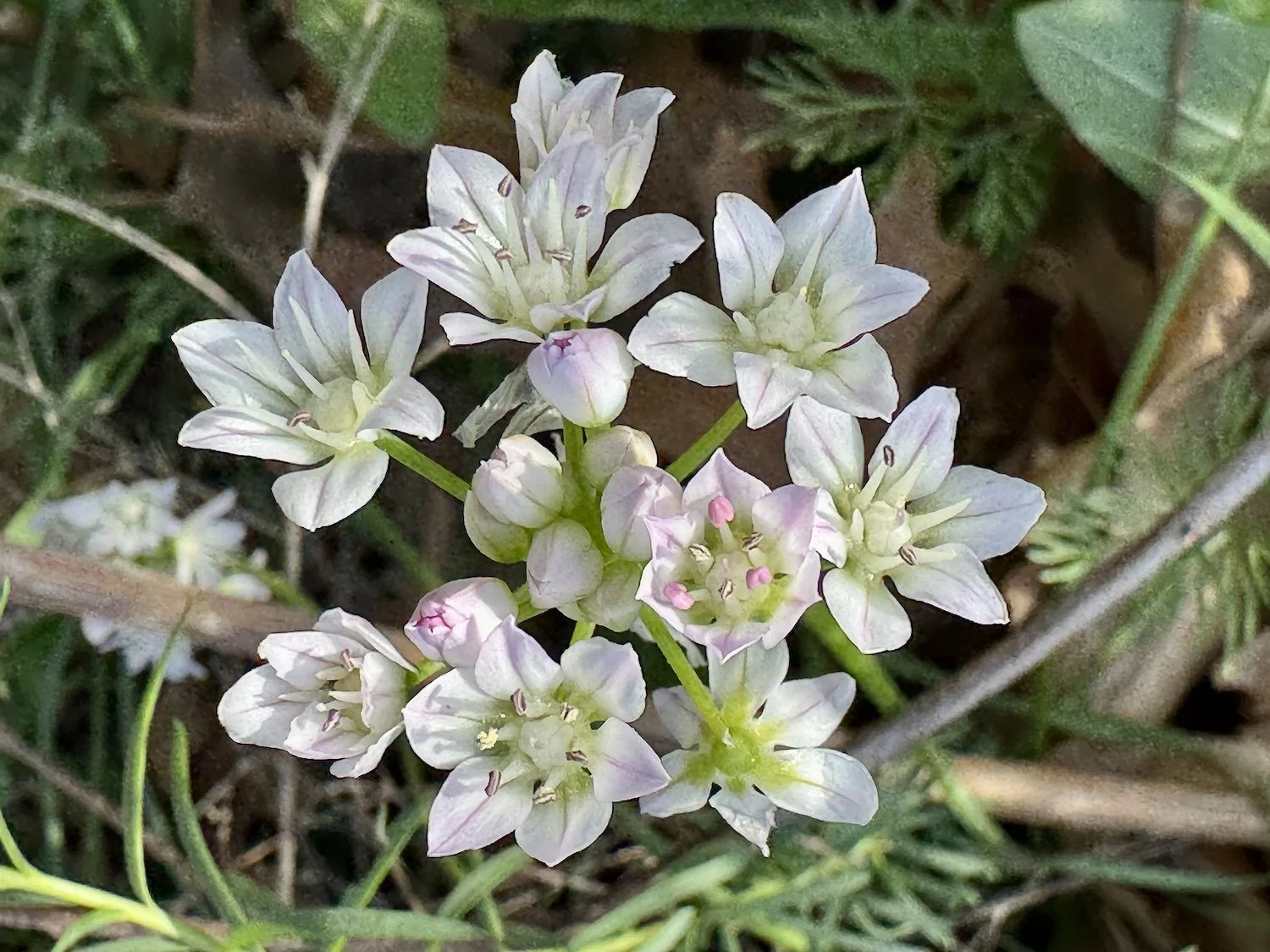
Crowpoison (Nothoscordum bivalve), also know as, false garlic, is very common. It is also quite remarkably beautiful.
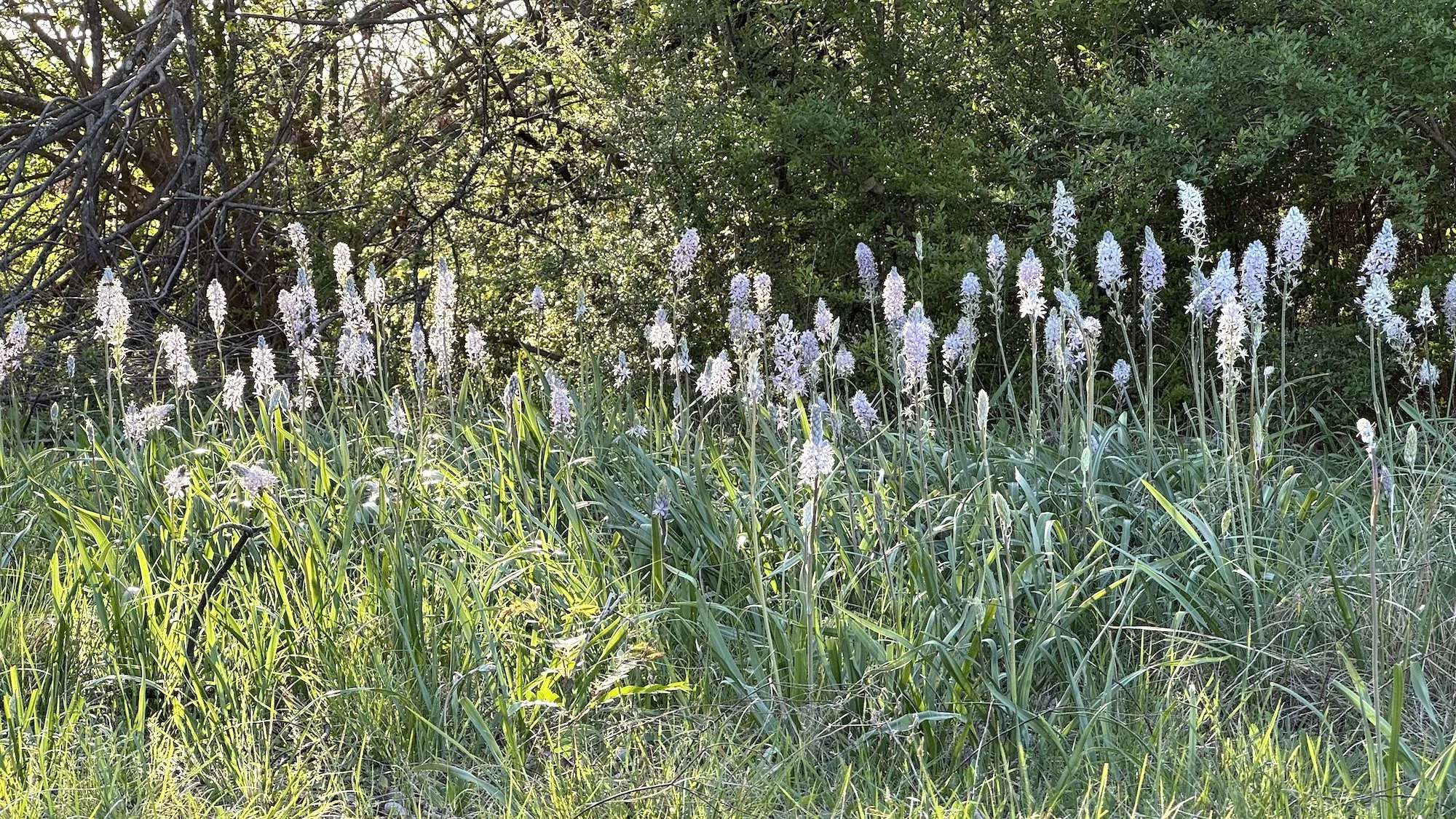
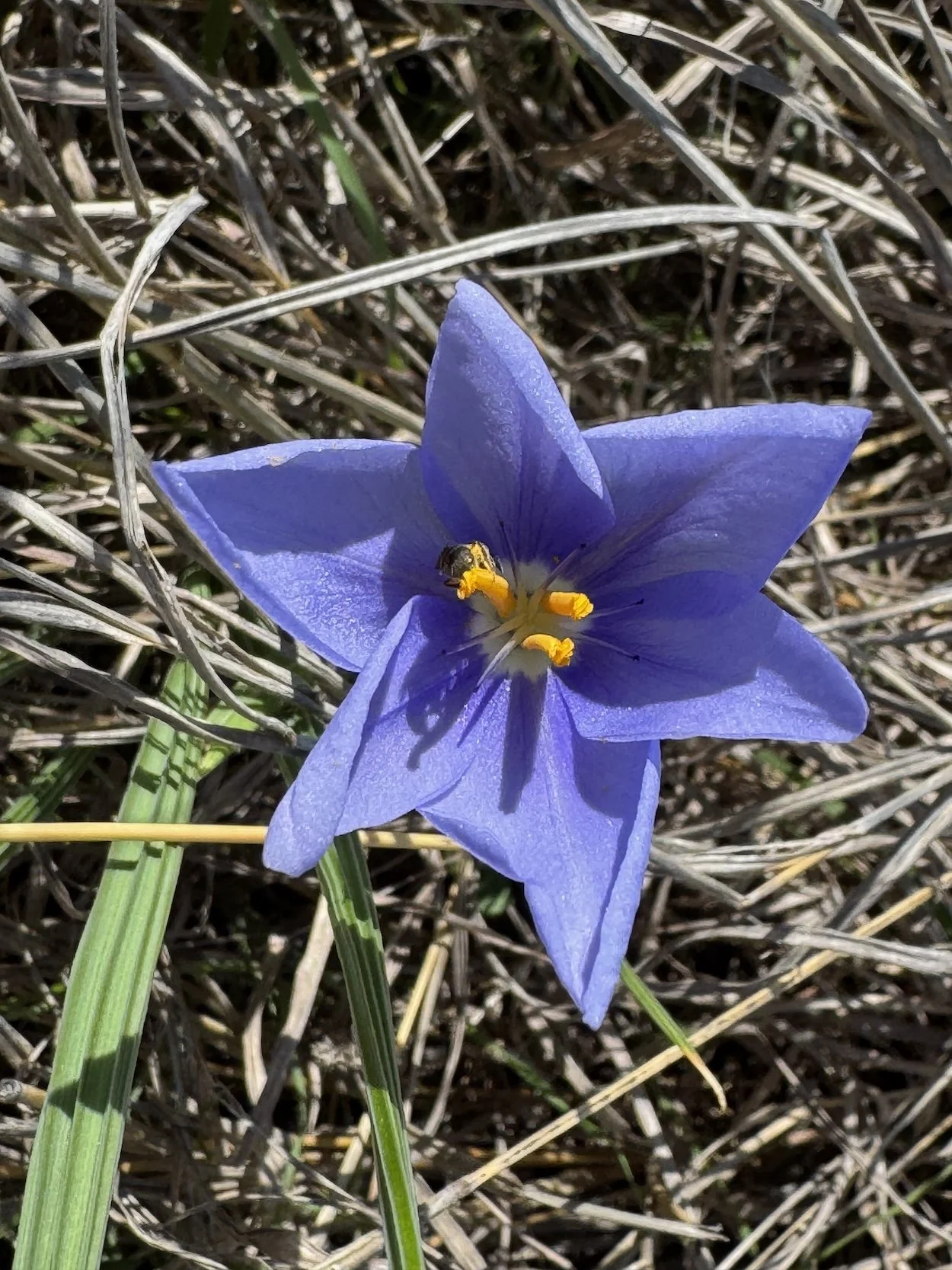
Atlantic Camas (Camassia scilloides) aka: Wild Hyacinth, in a secret alcove, are having an unbelievable year.
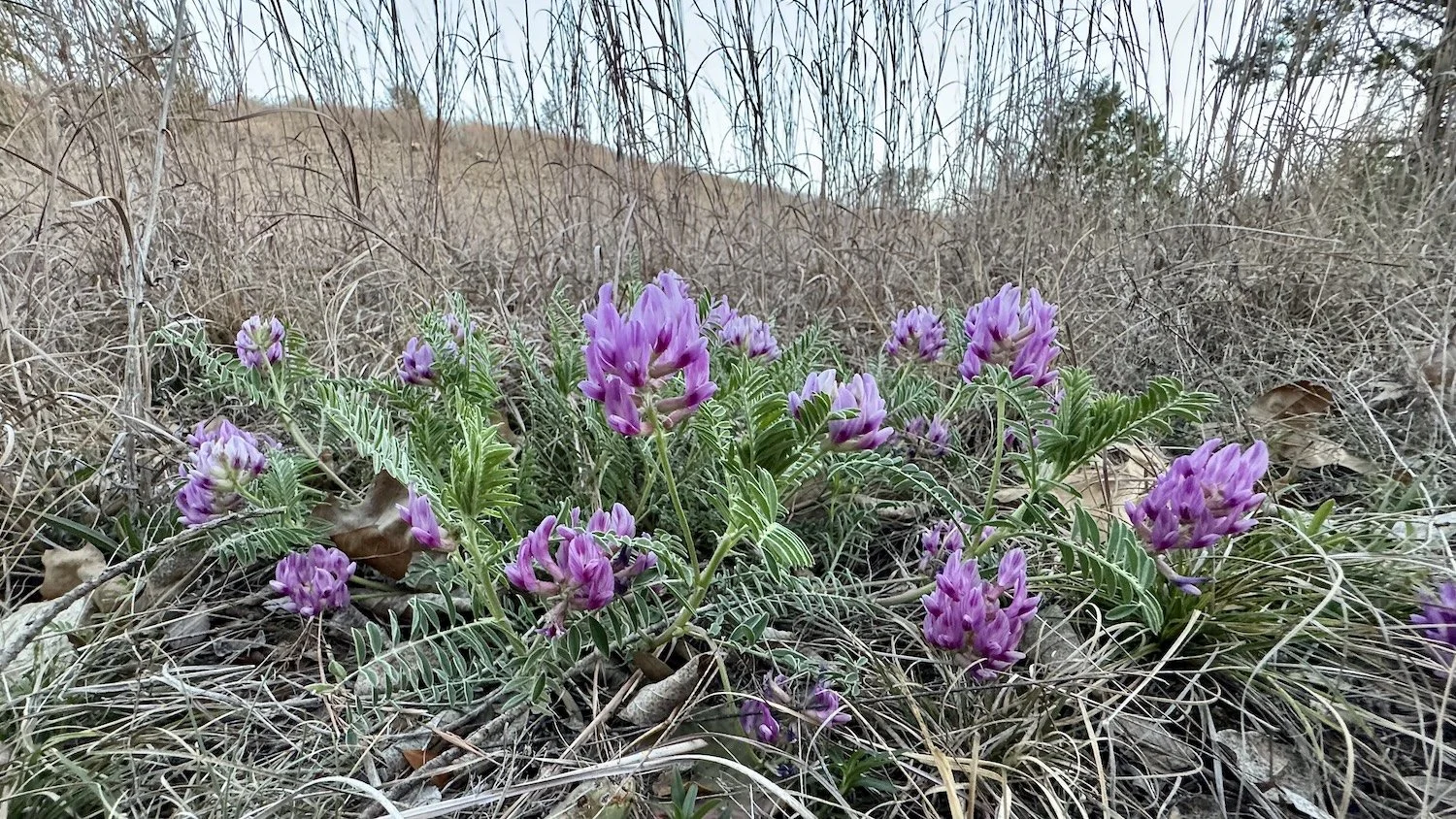
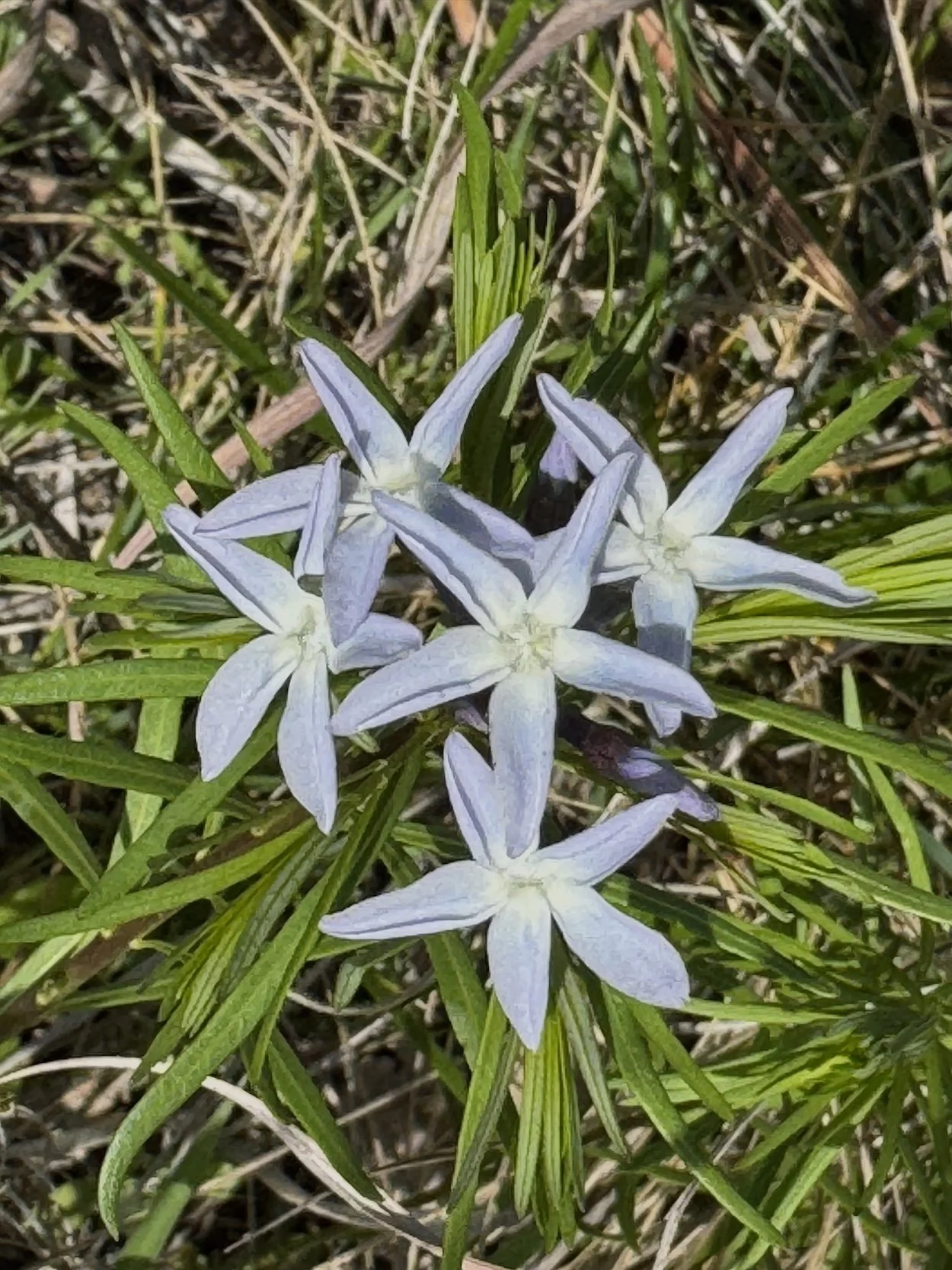
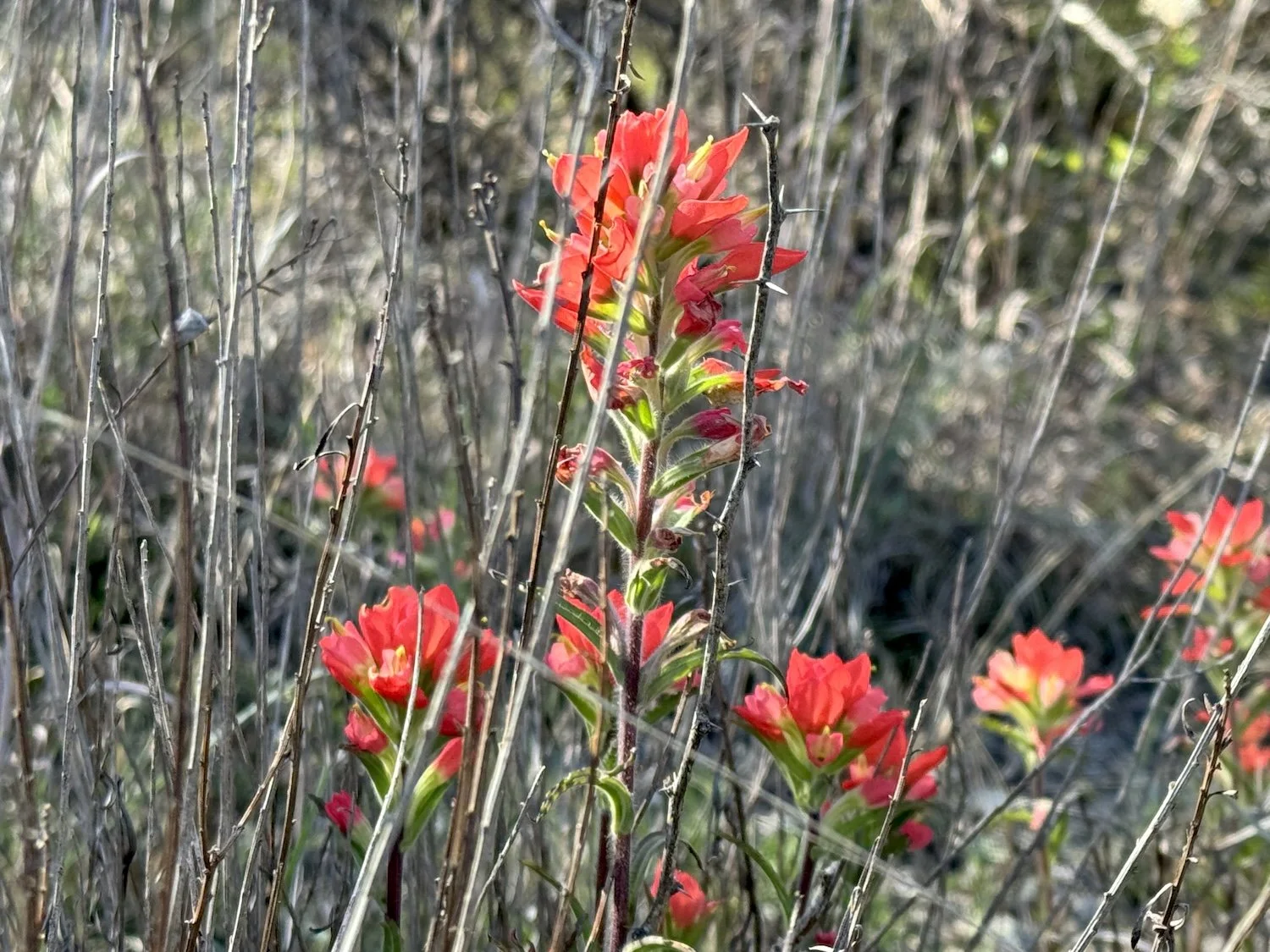
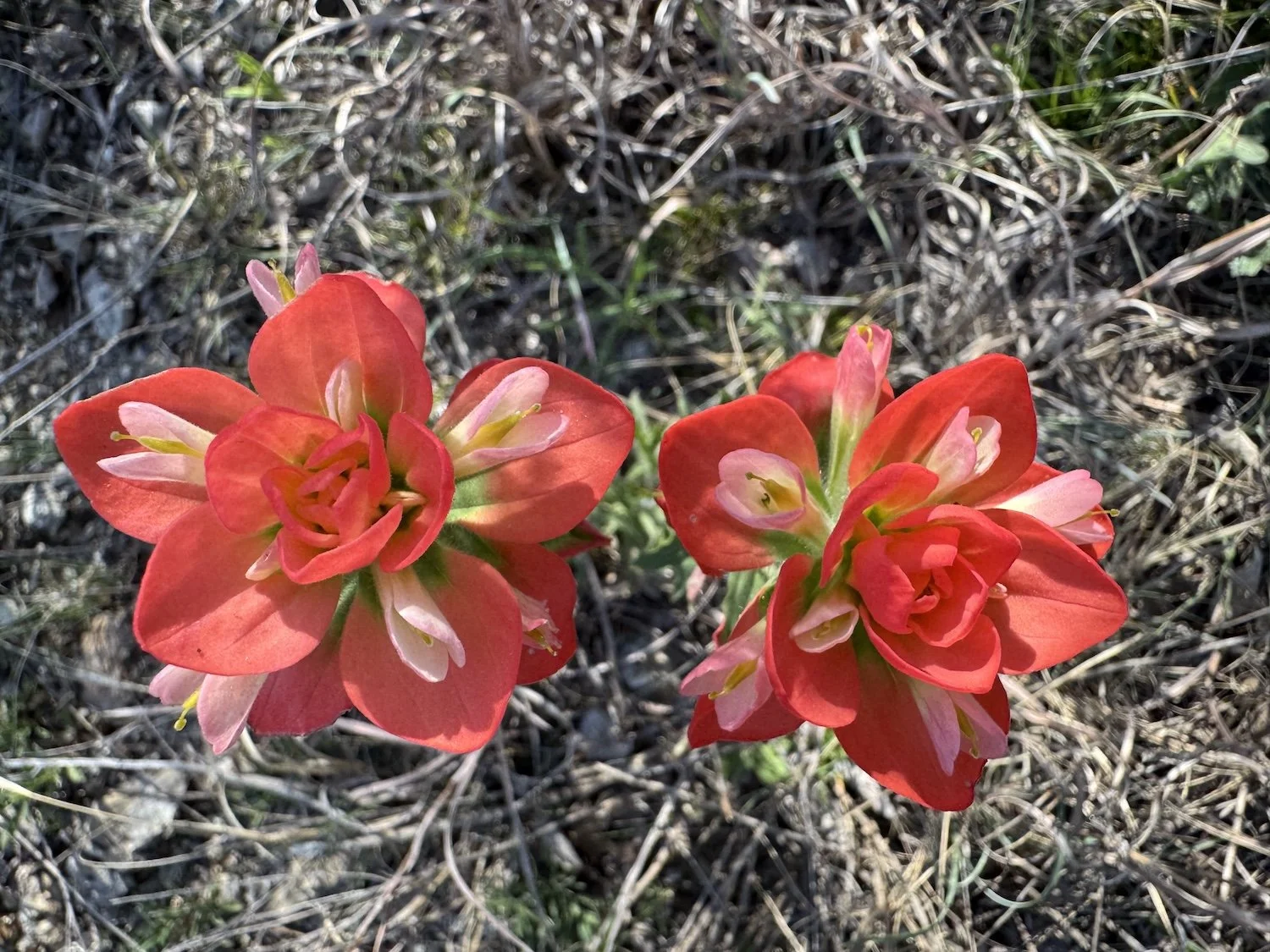
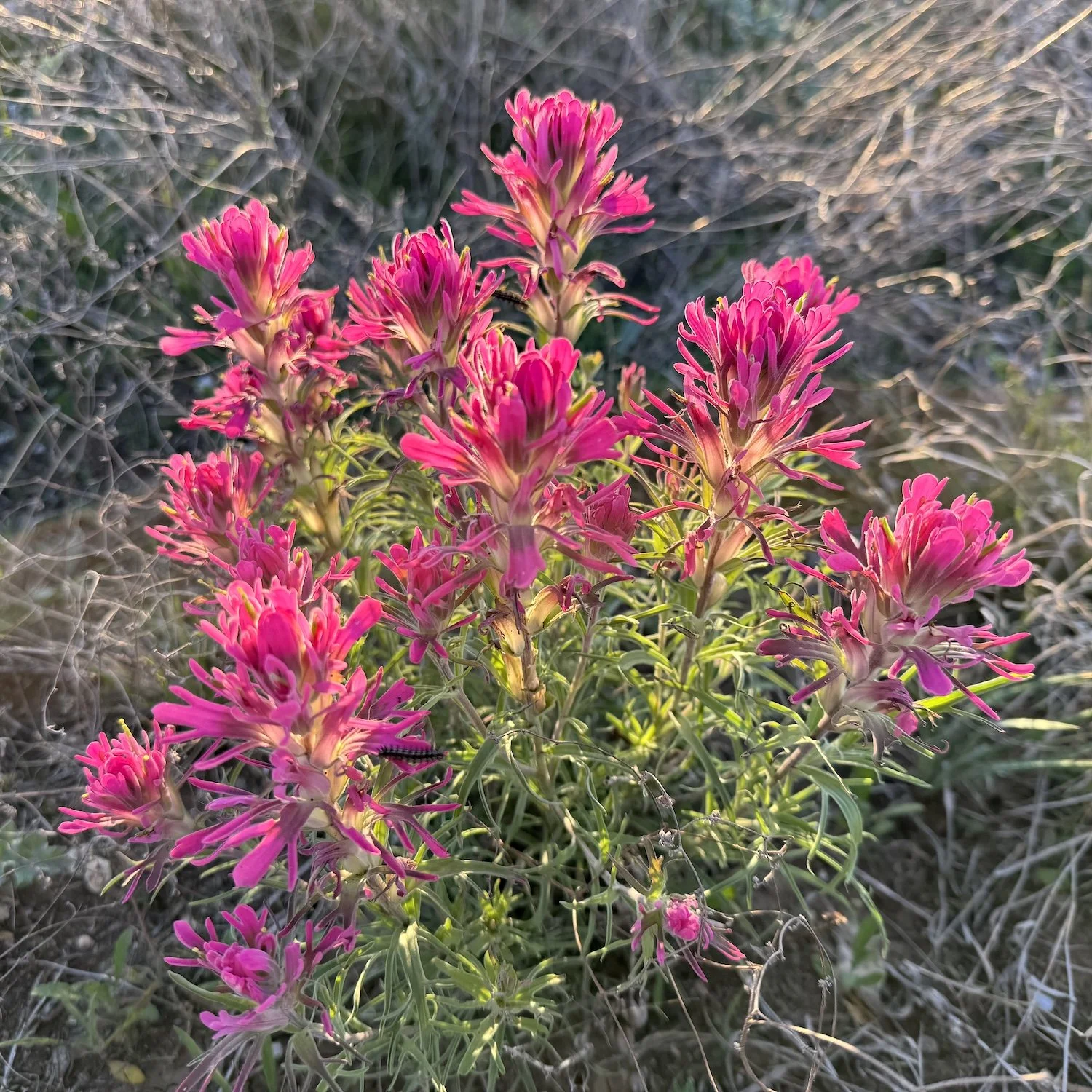
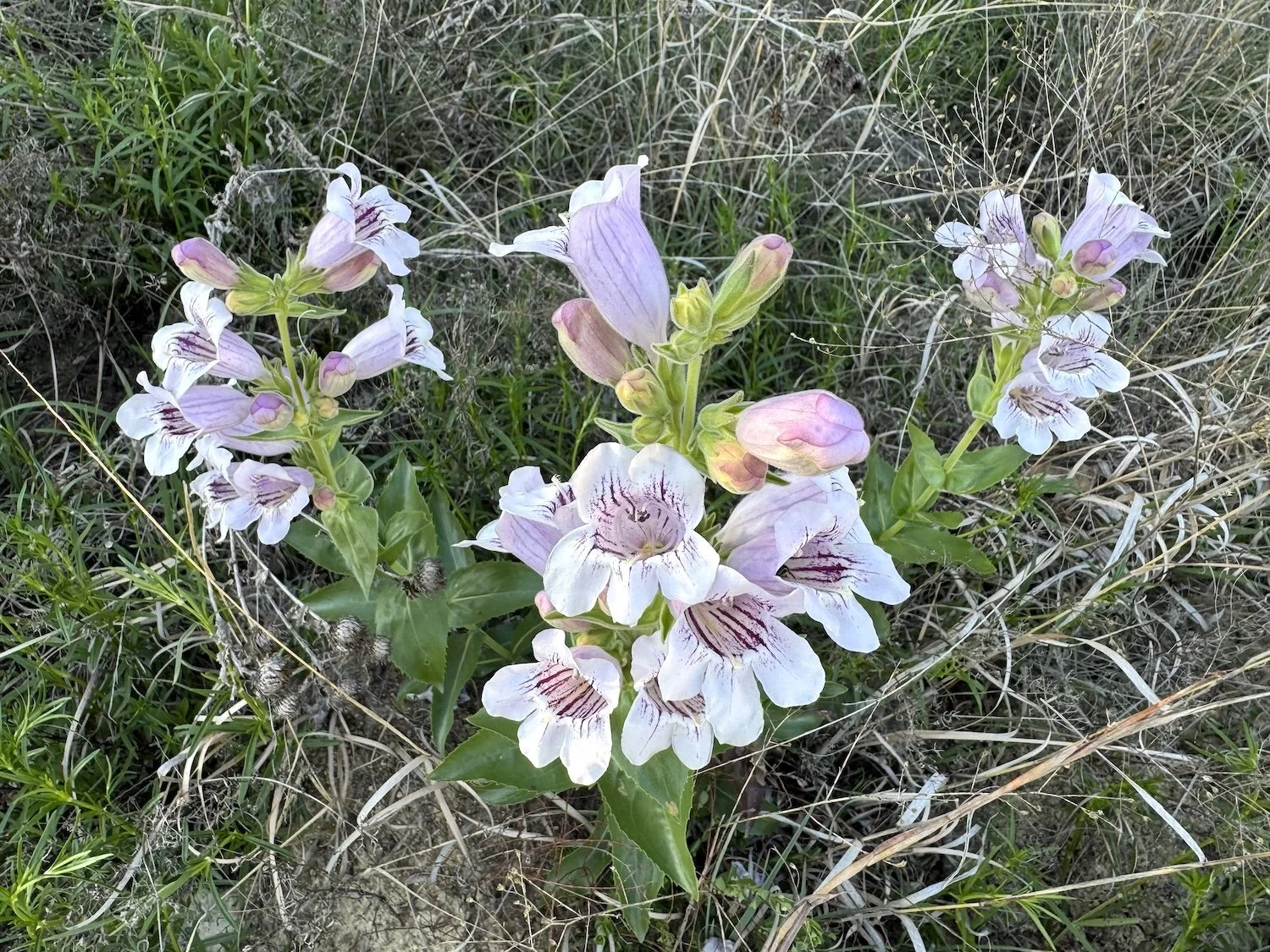
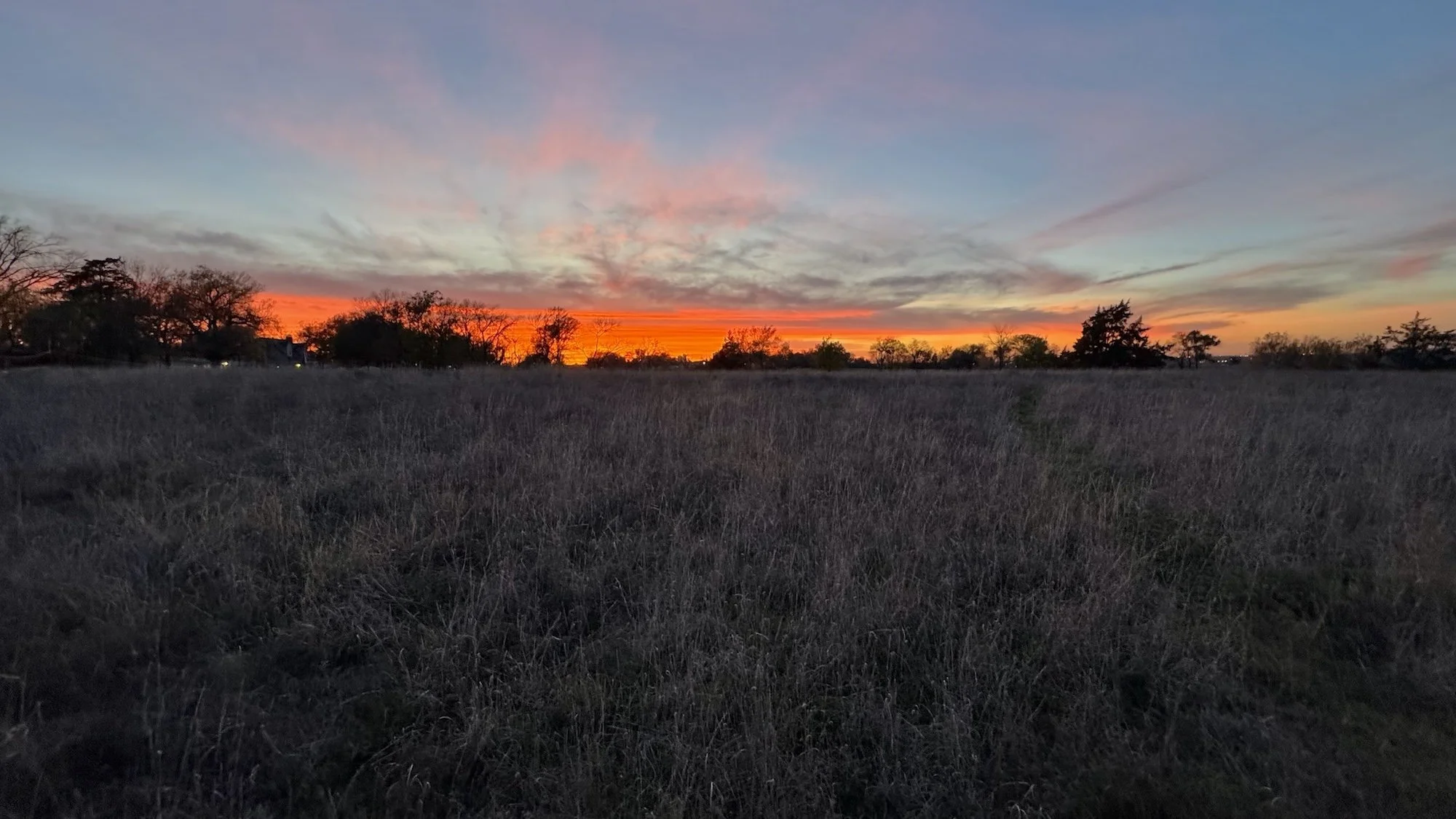
March 17th sunset was phenomenal.
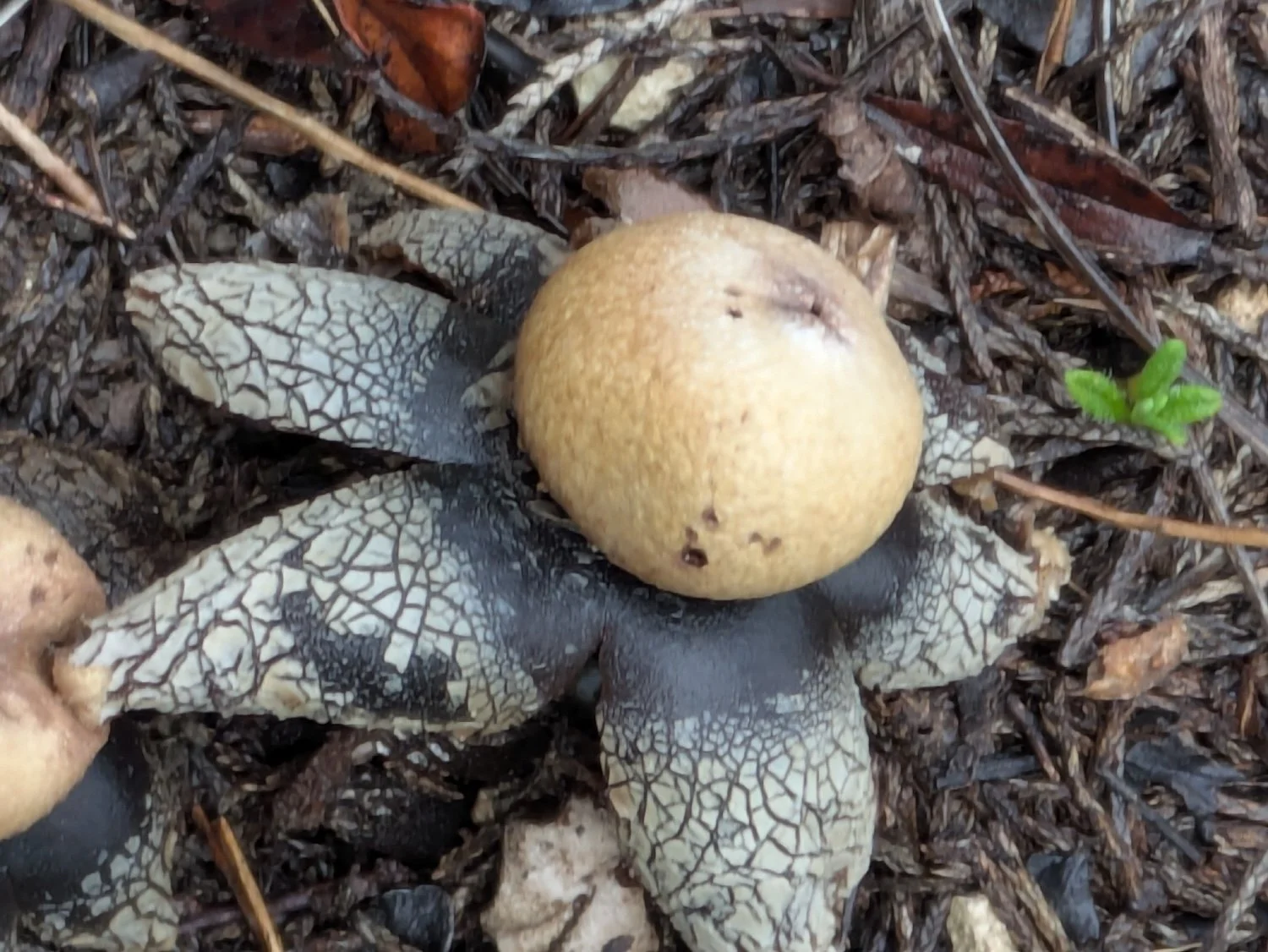
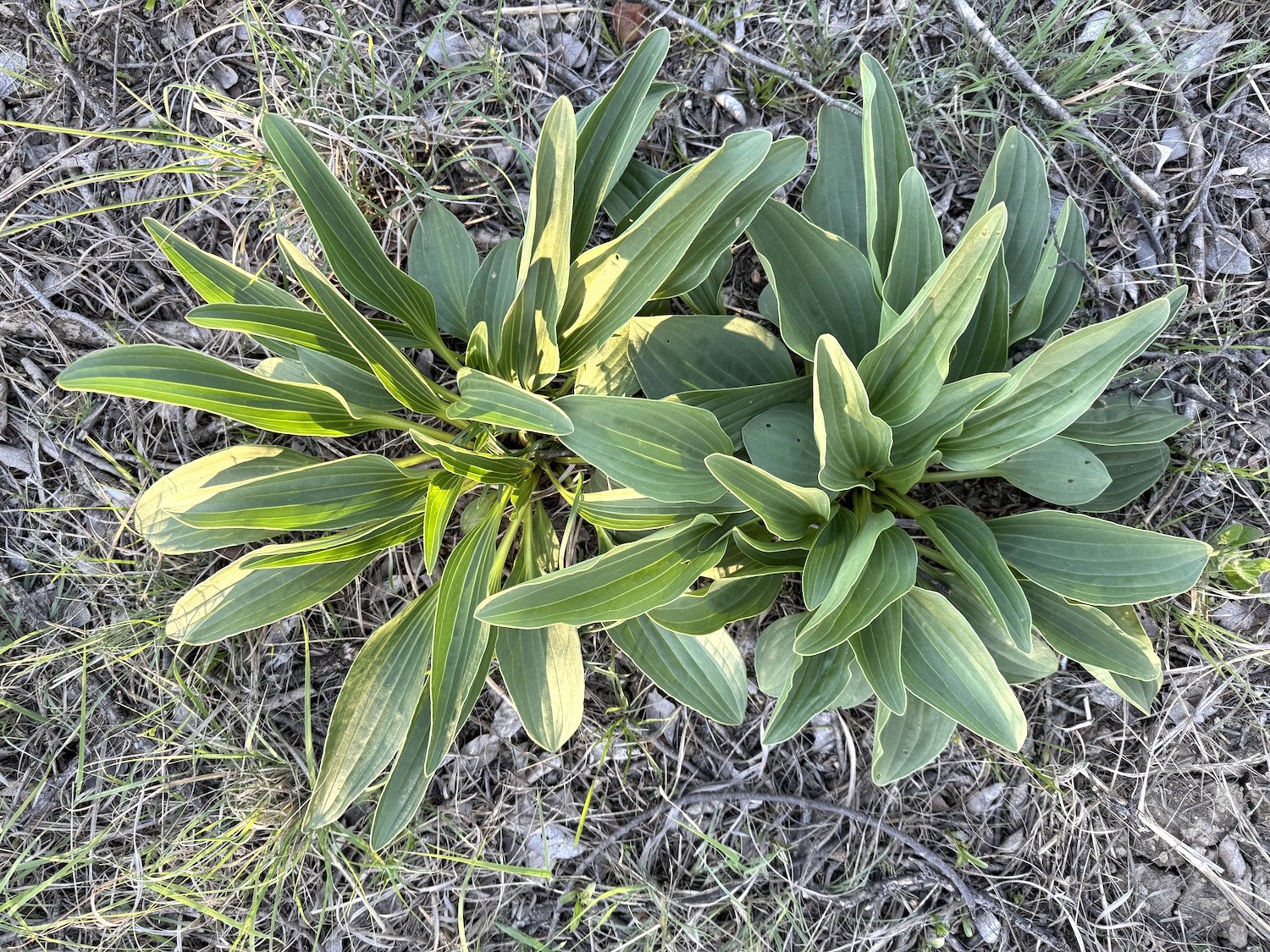
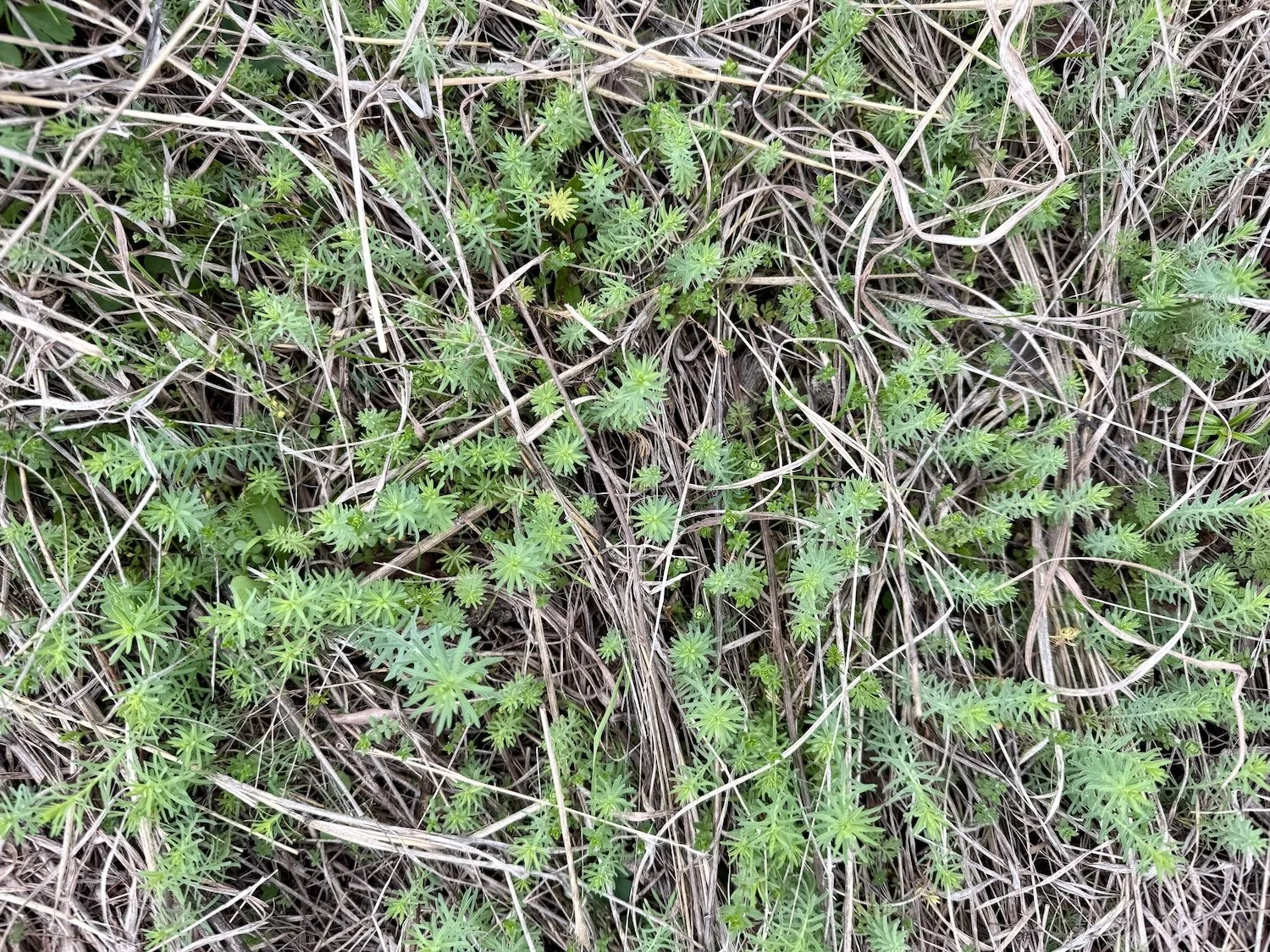
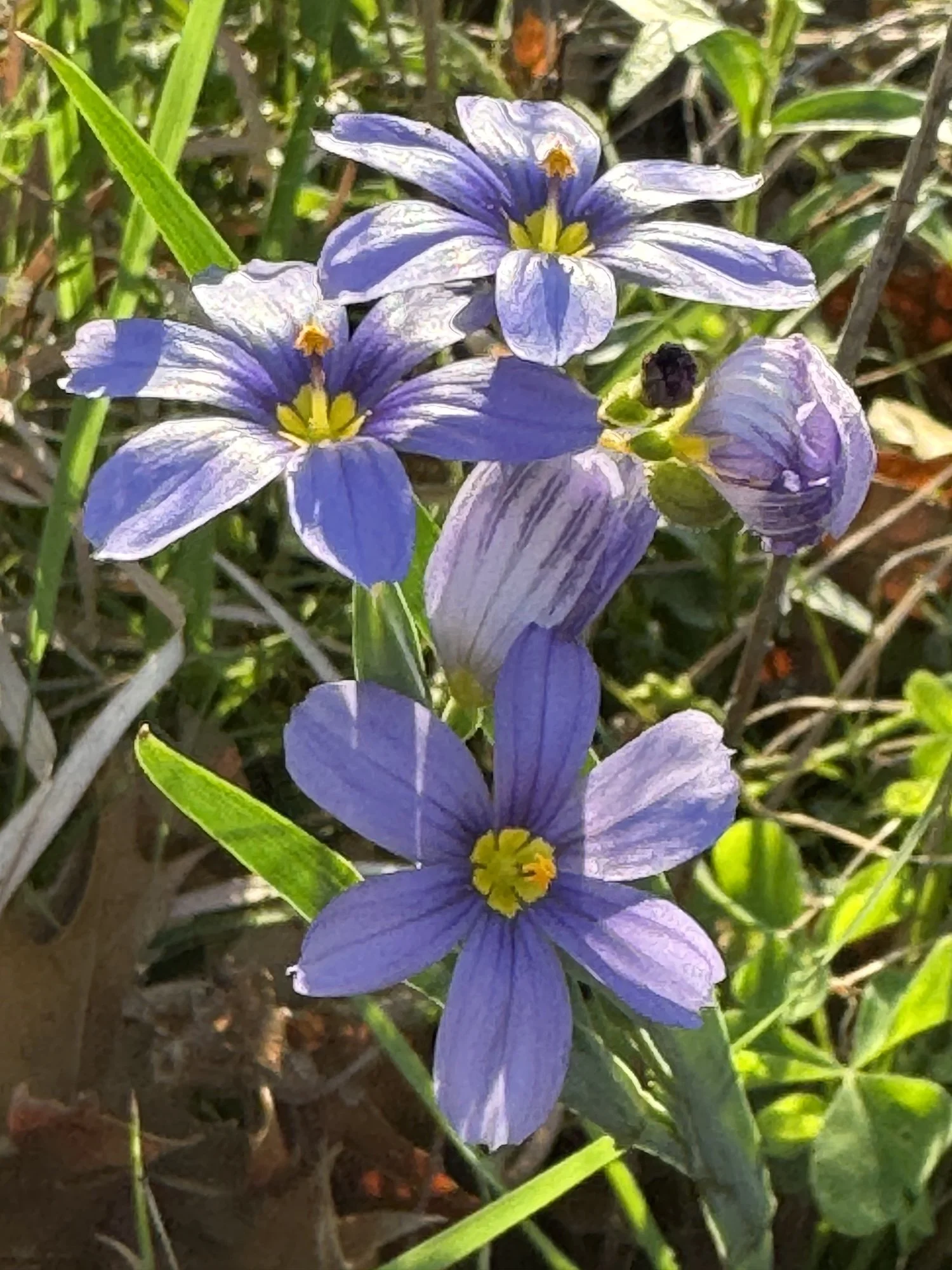
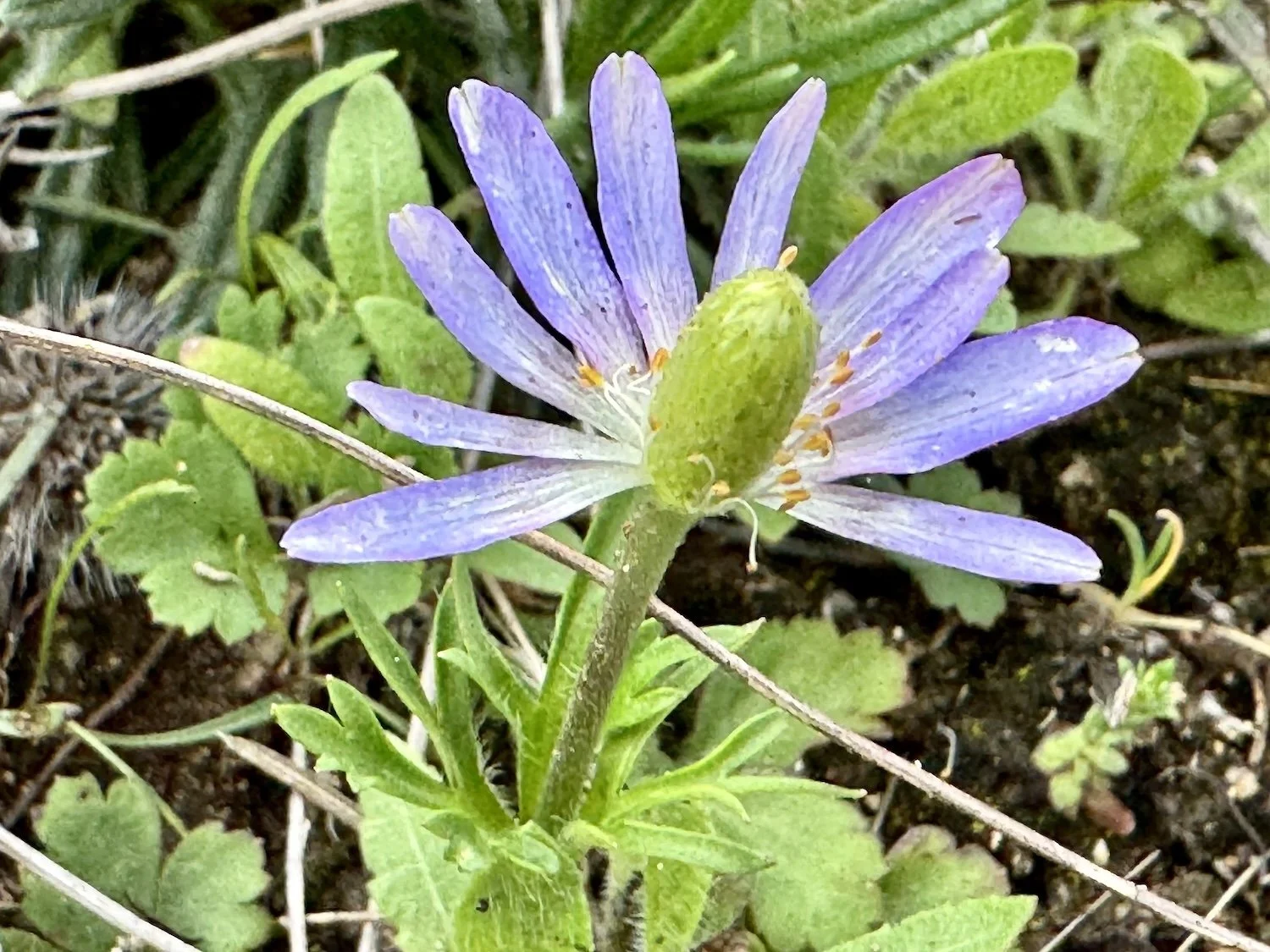
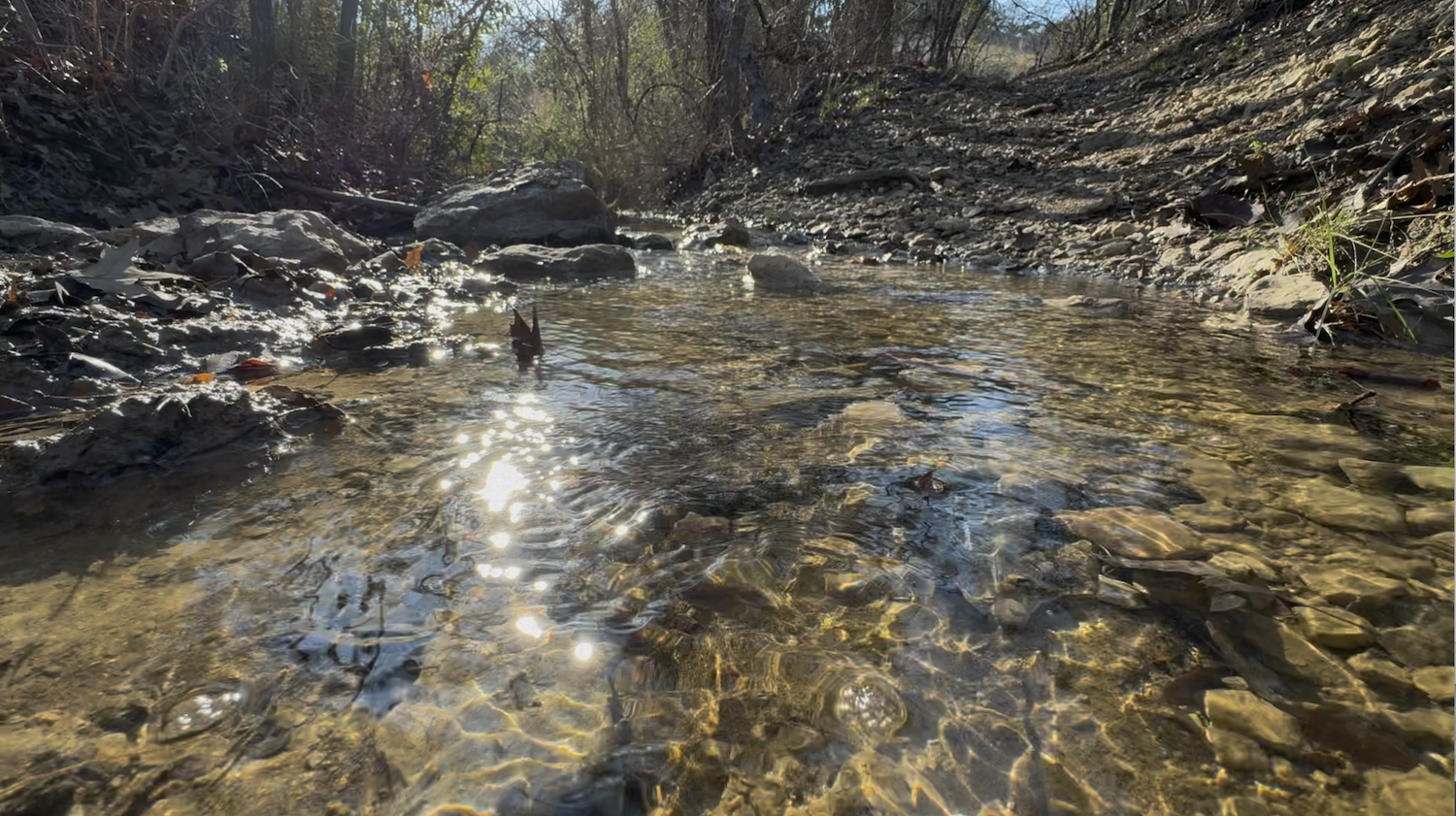
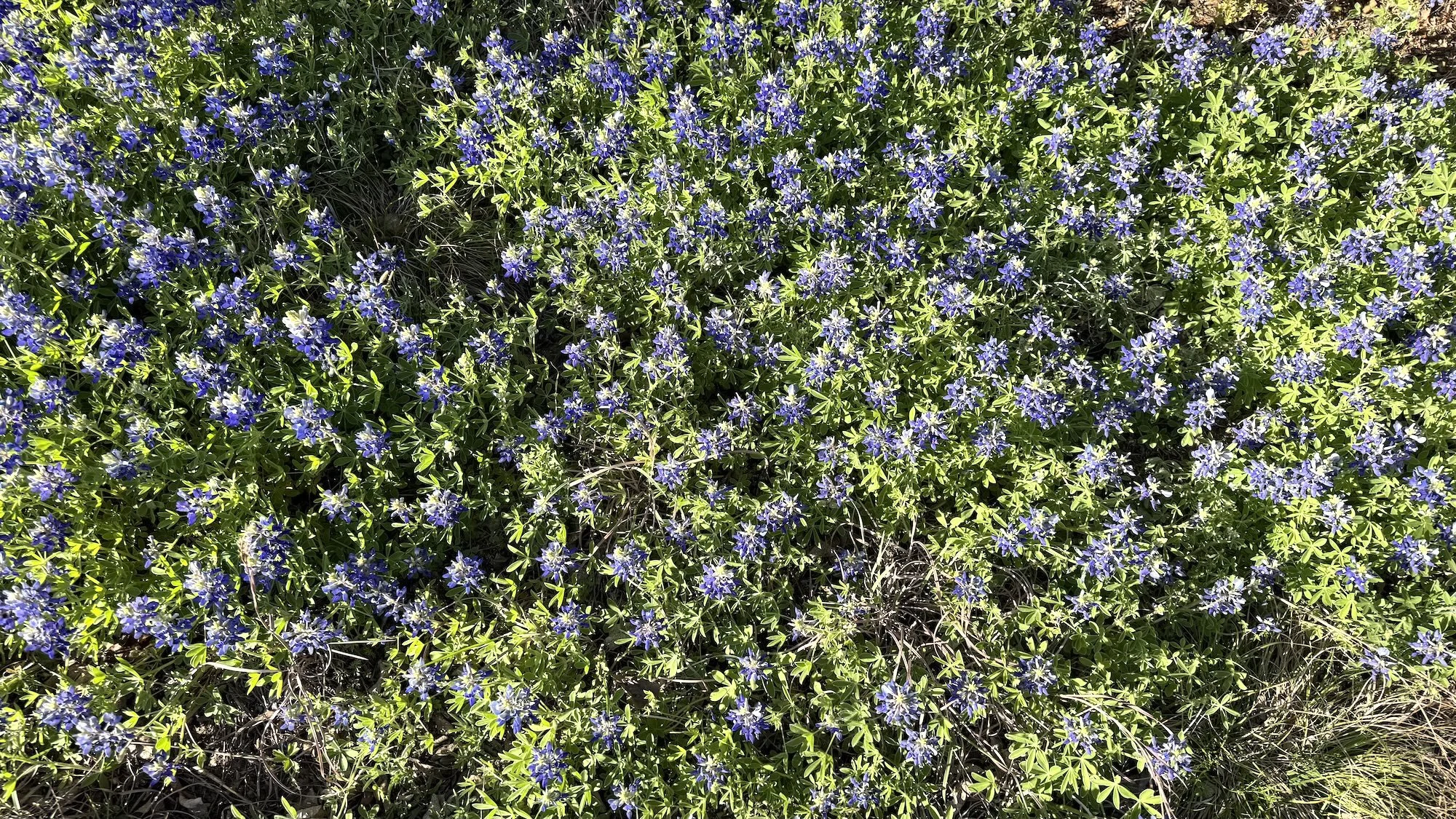
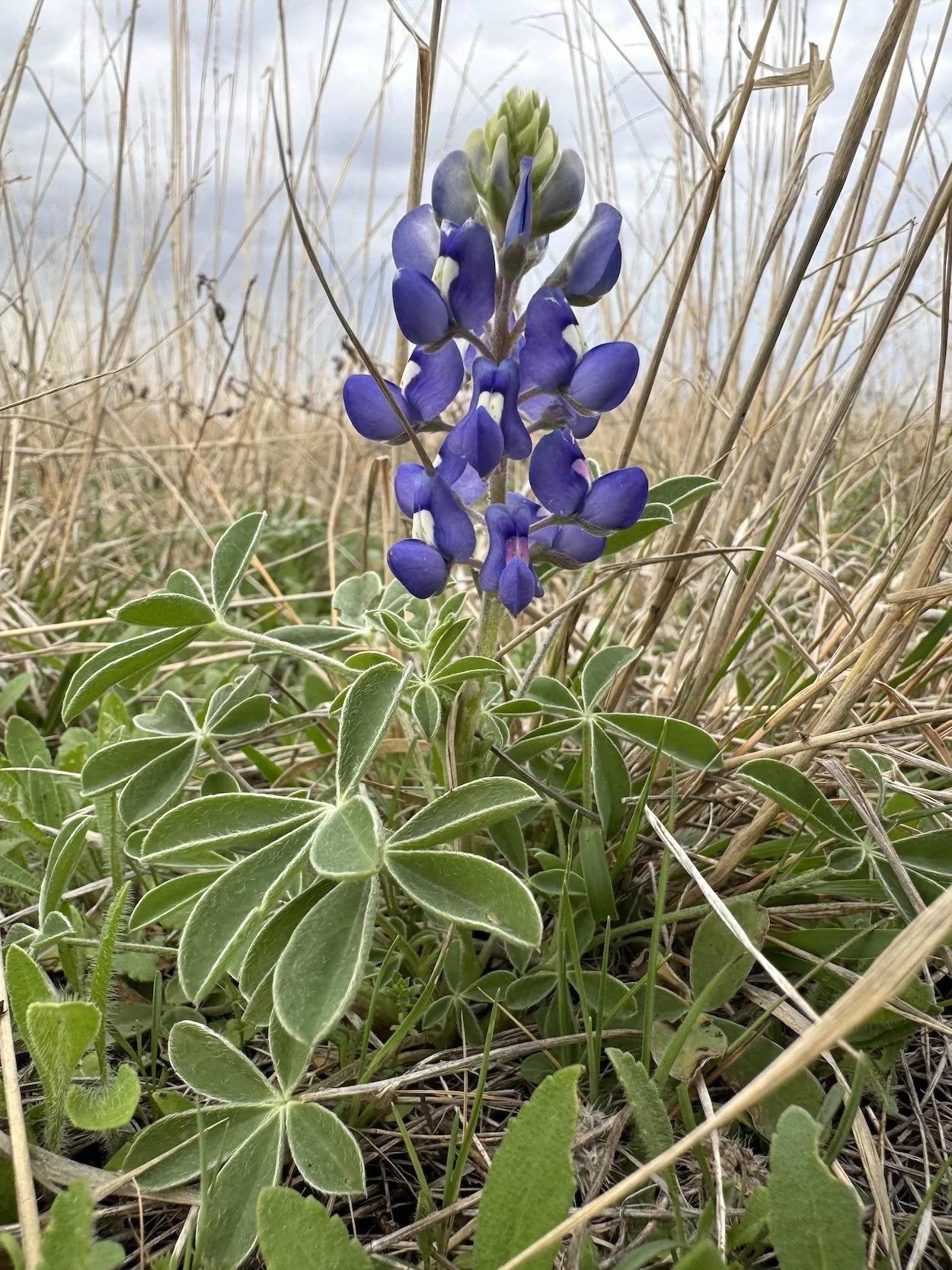
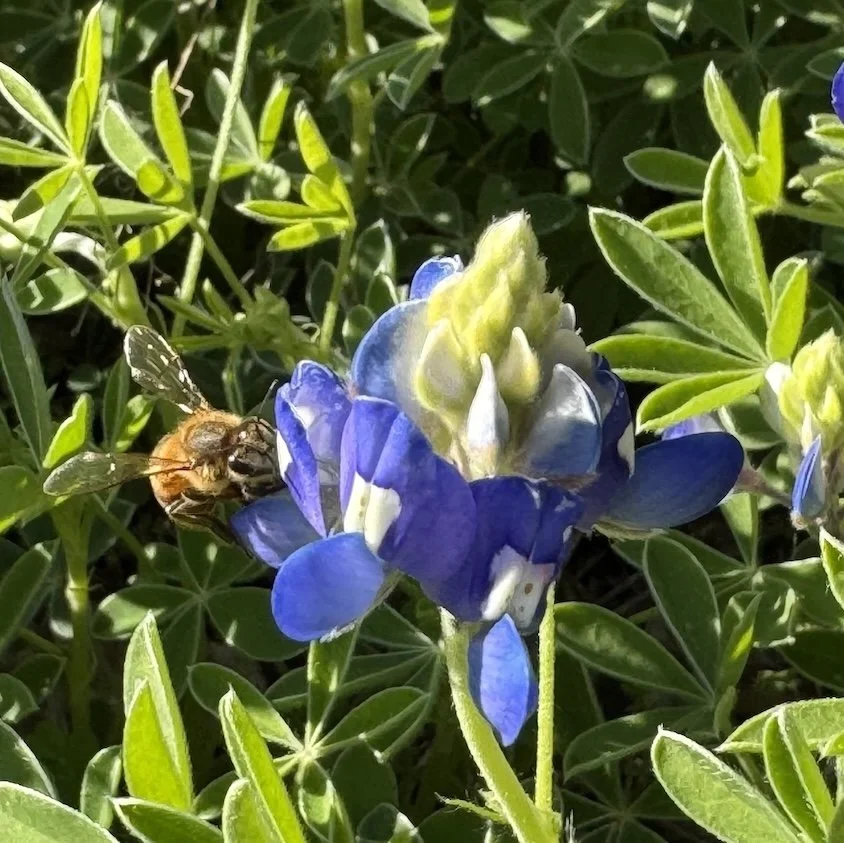
Tandy Hills has almost no Texas Bluebonnets but, Broadcast Hill has a few healthy colonies. I took this pic on March 19th.
3) New Species - March
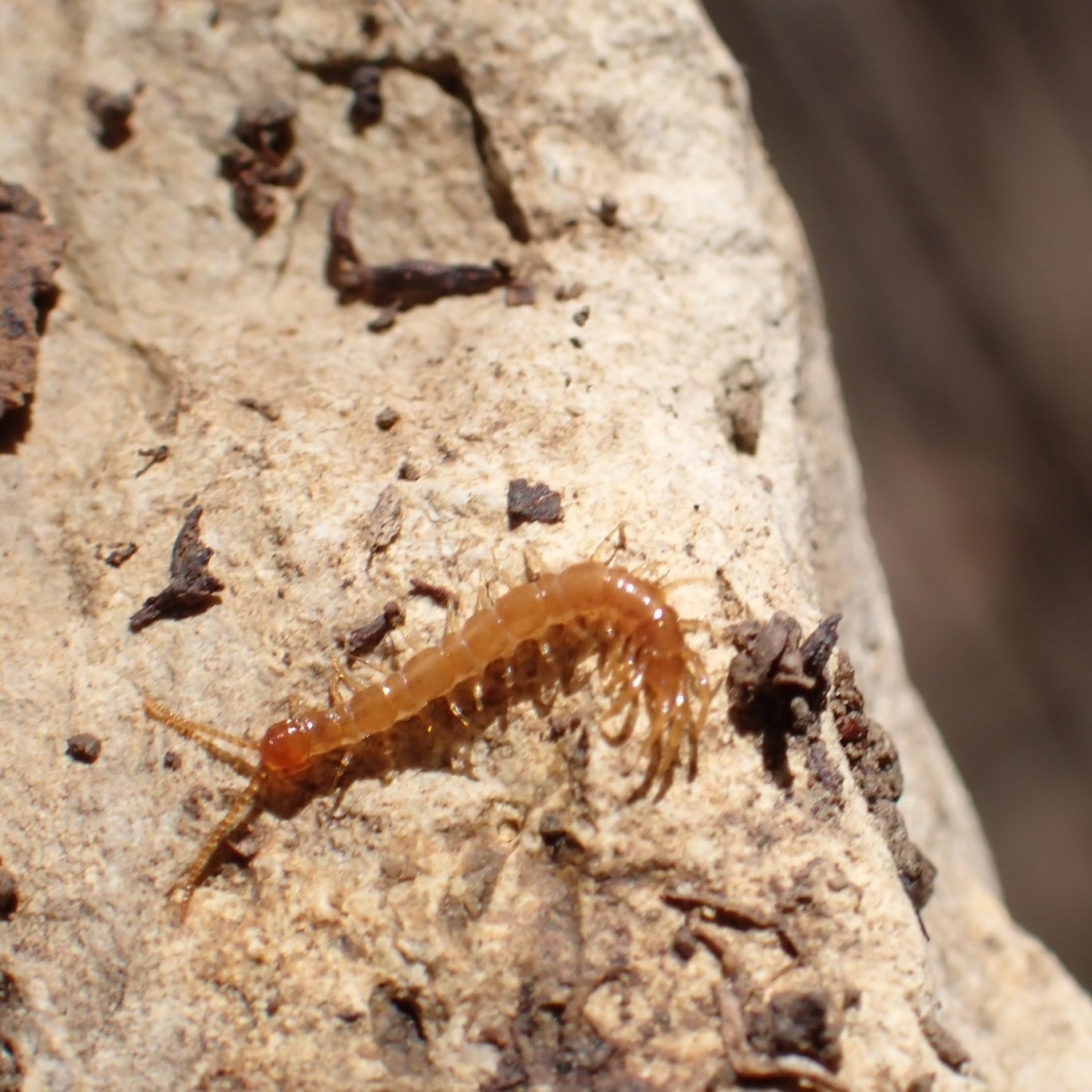
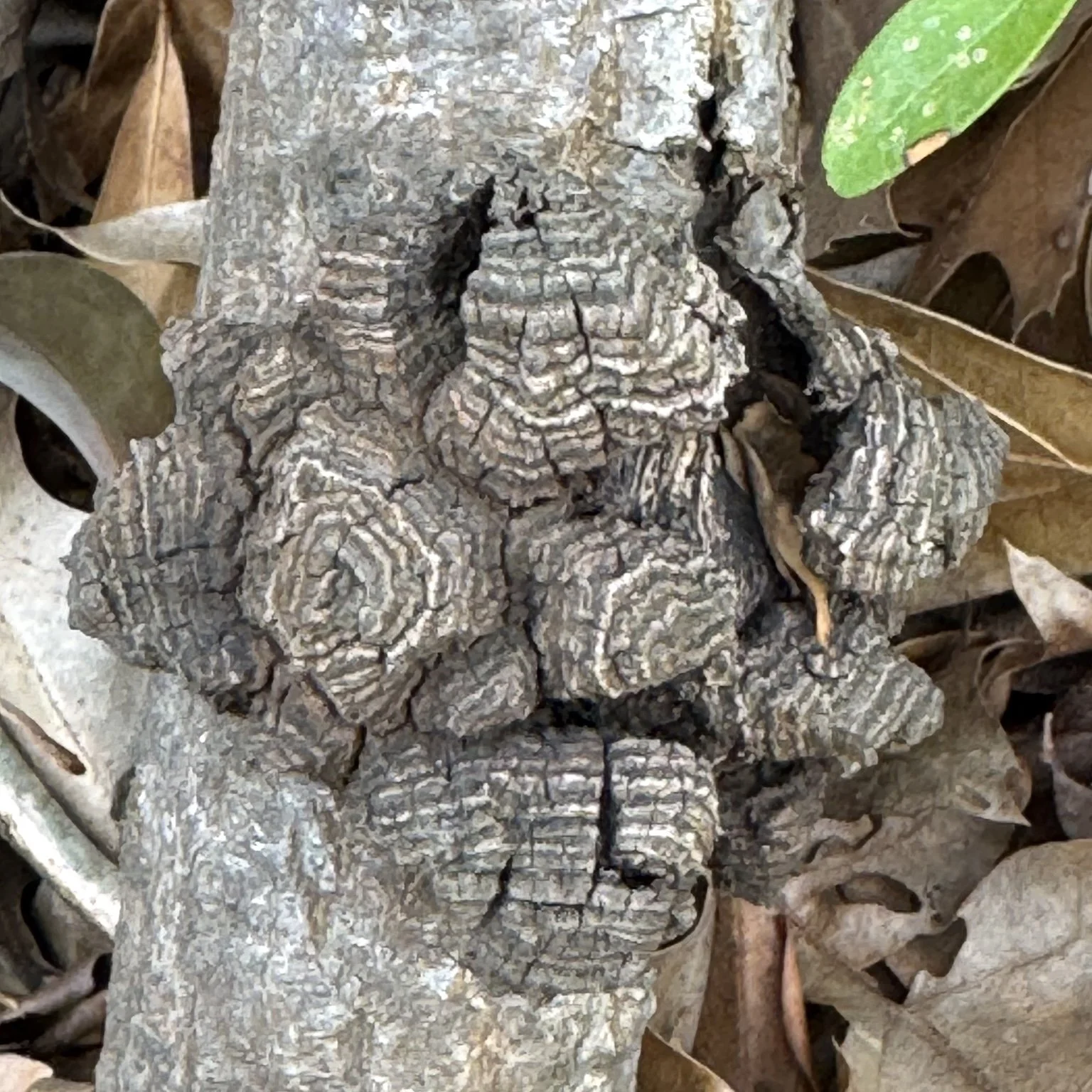
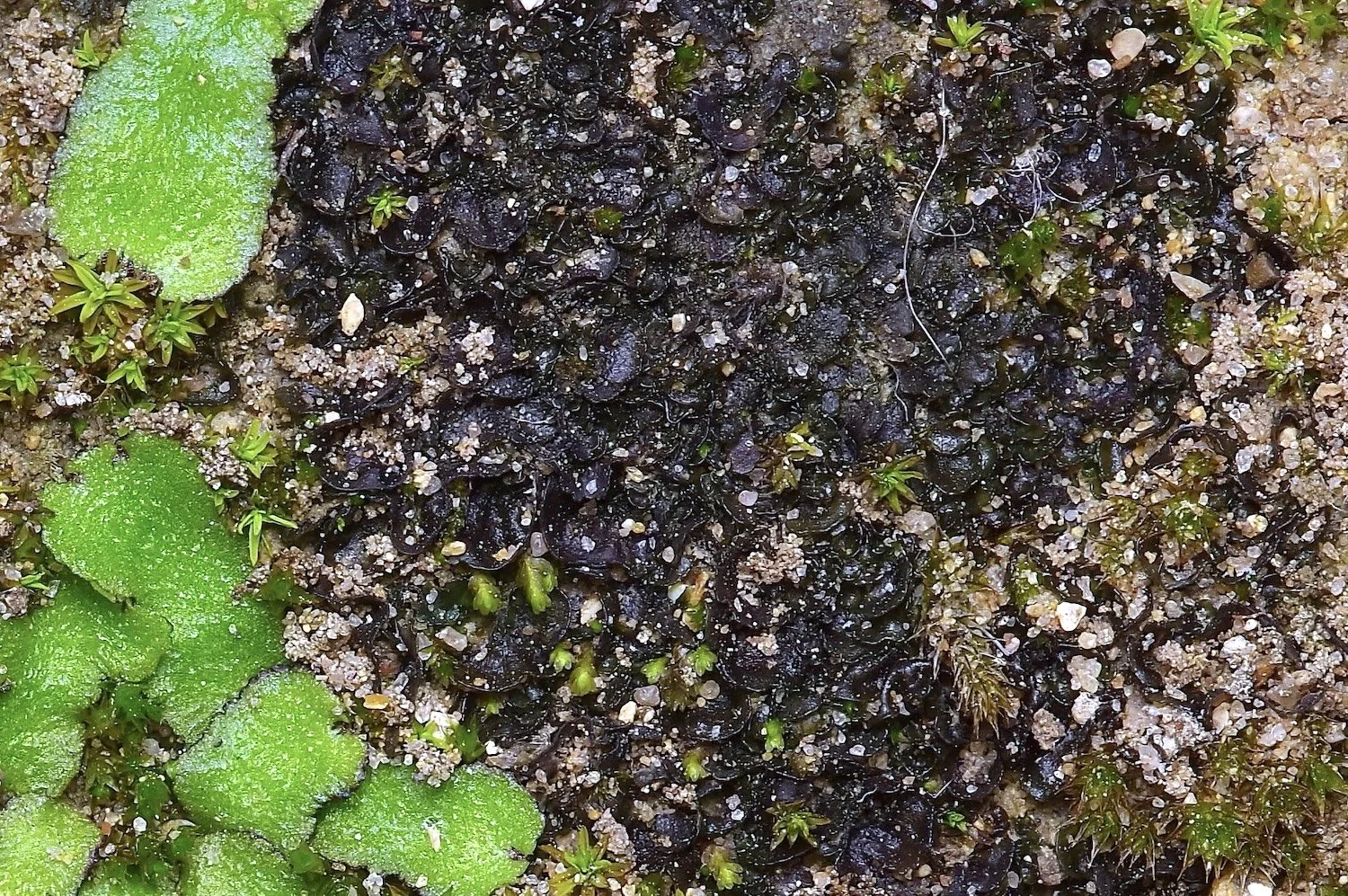
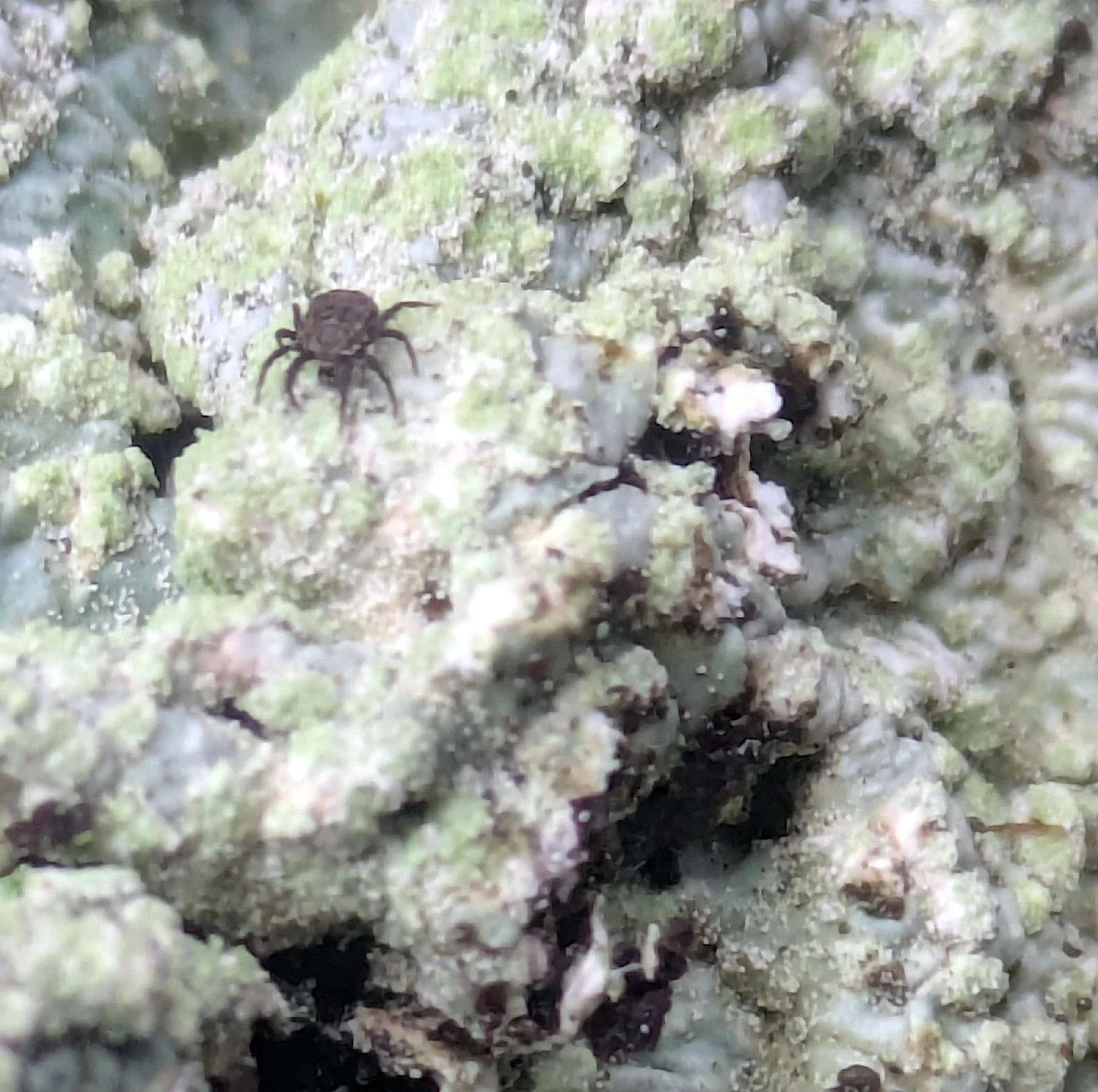
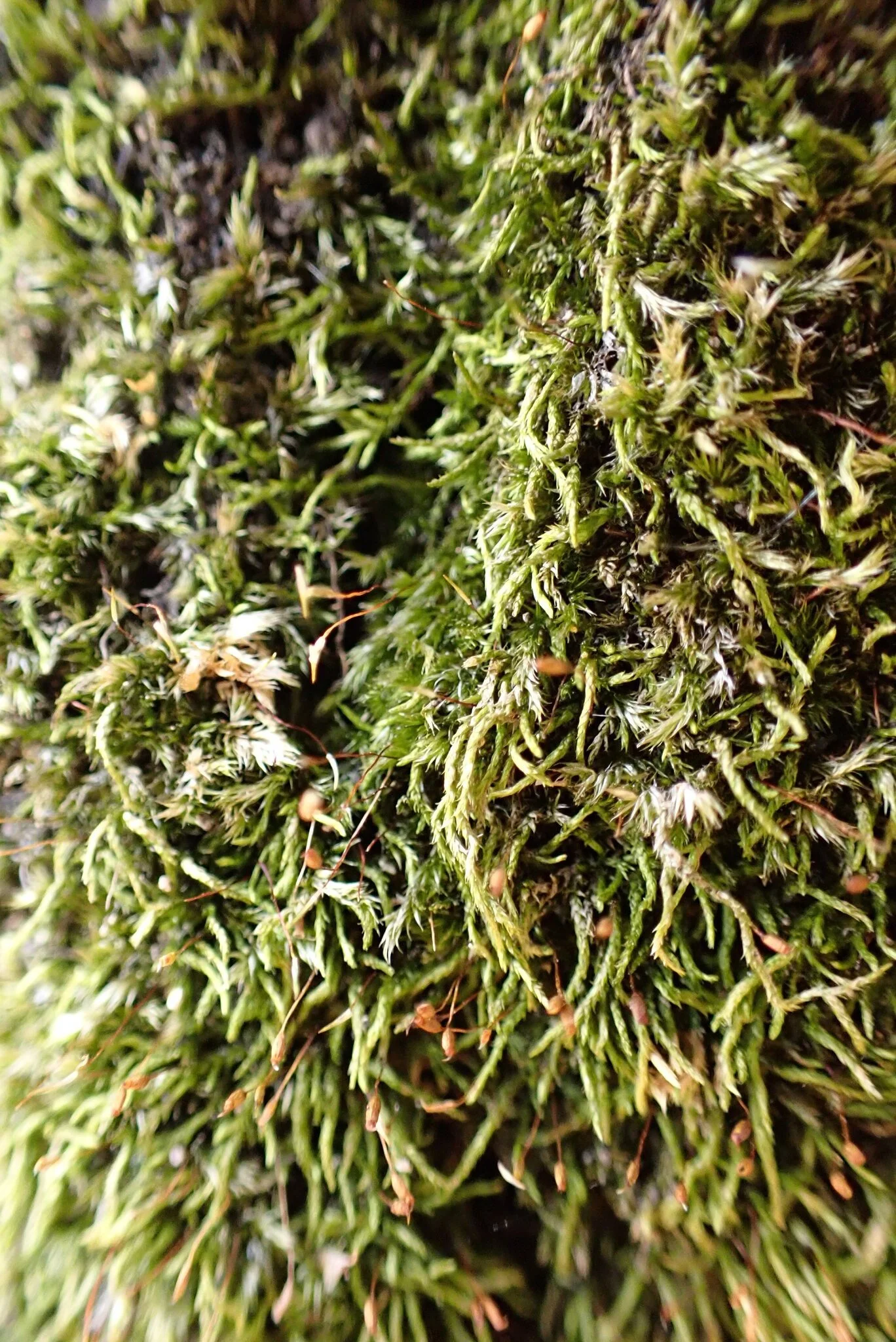
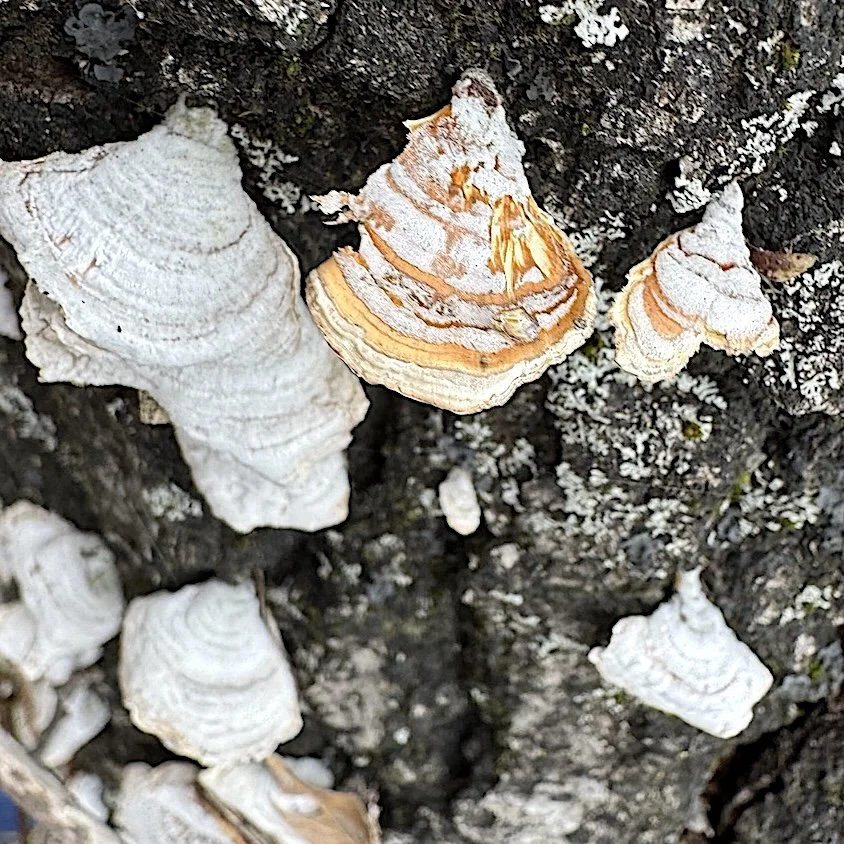
Big month for new species. More people are looking than ever, including, Lynn Chen, who specialized in Lichens and Fungi again in March. The species count increased from 2569 to 2598 in March. The most notable was, Southern Dewberry (Rubus trivialis), which is common elsewhere in the region but never documented here, until now. See them all at the Tandy Hills iNat Project PageHERE.
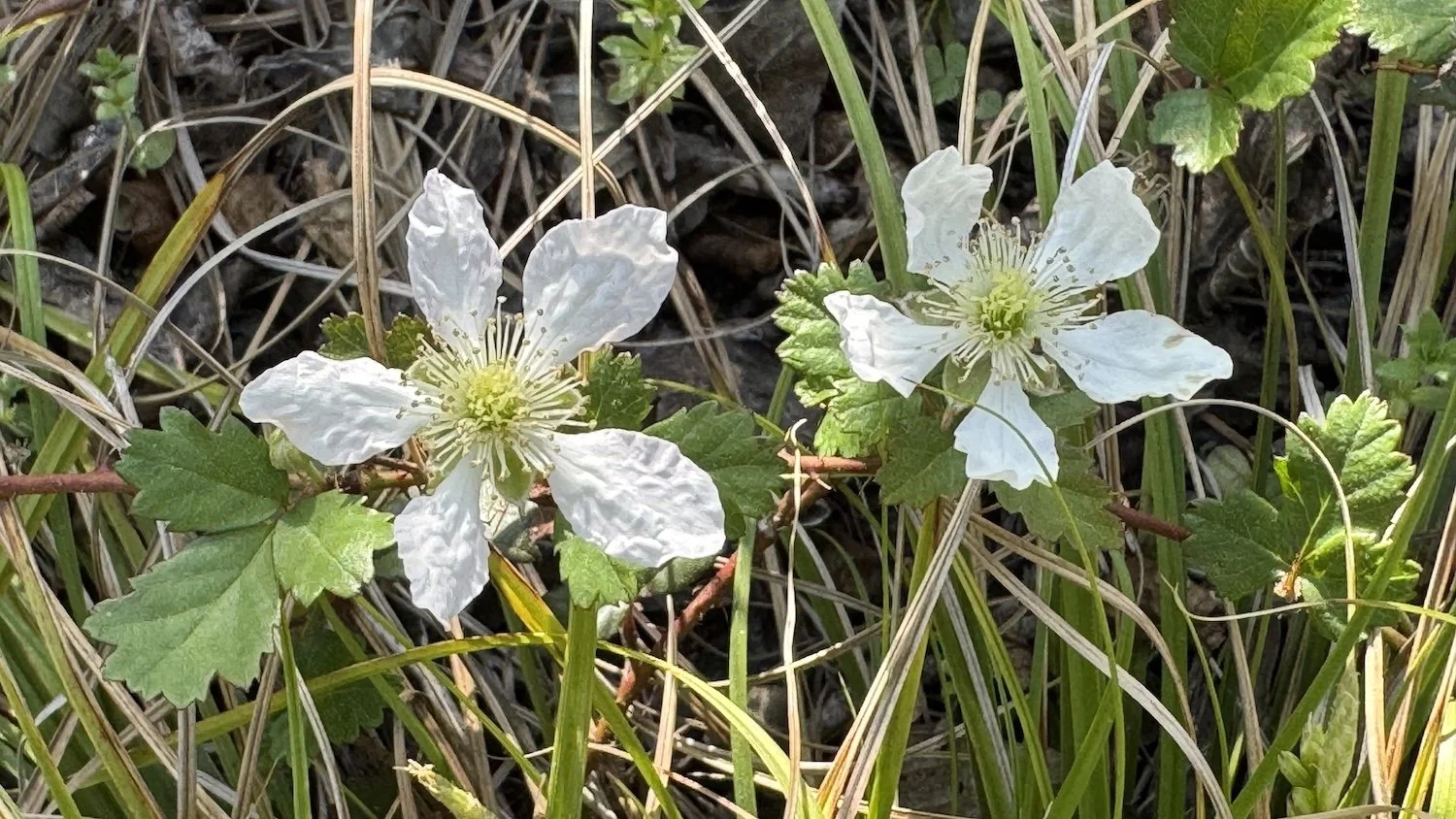
Southern Dewberry (Rubus trivialis), observed by, Don Young. Surprisingly, it is quite common at other FW natural areas but never noticed here before now.
4) A Trout Lily Beacon
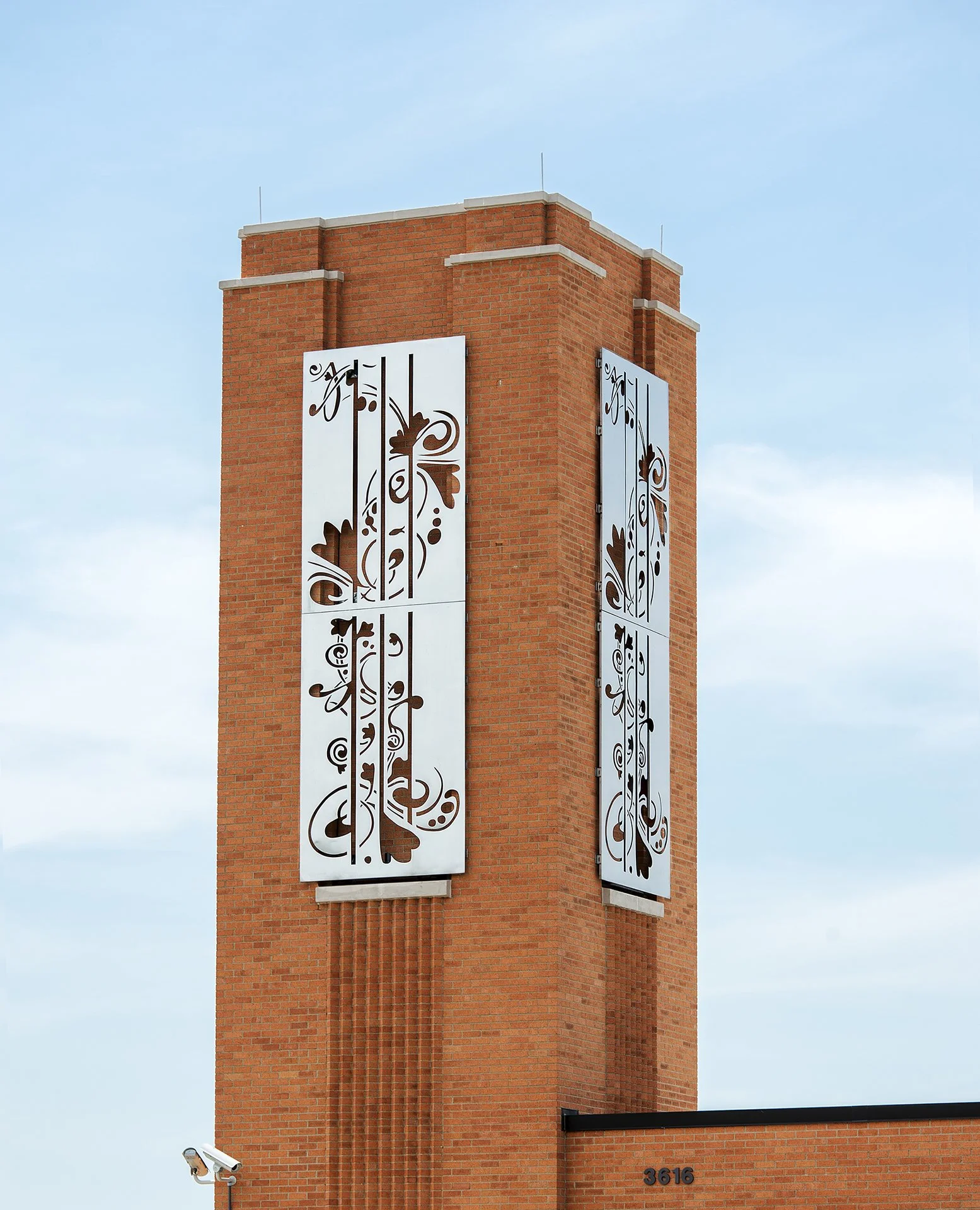
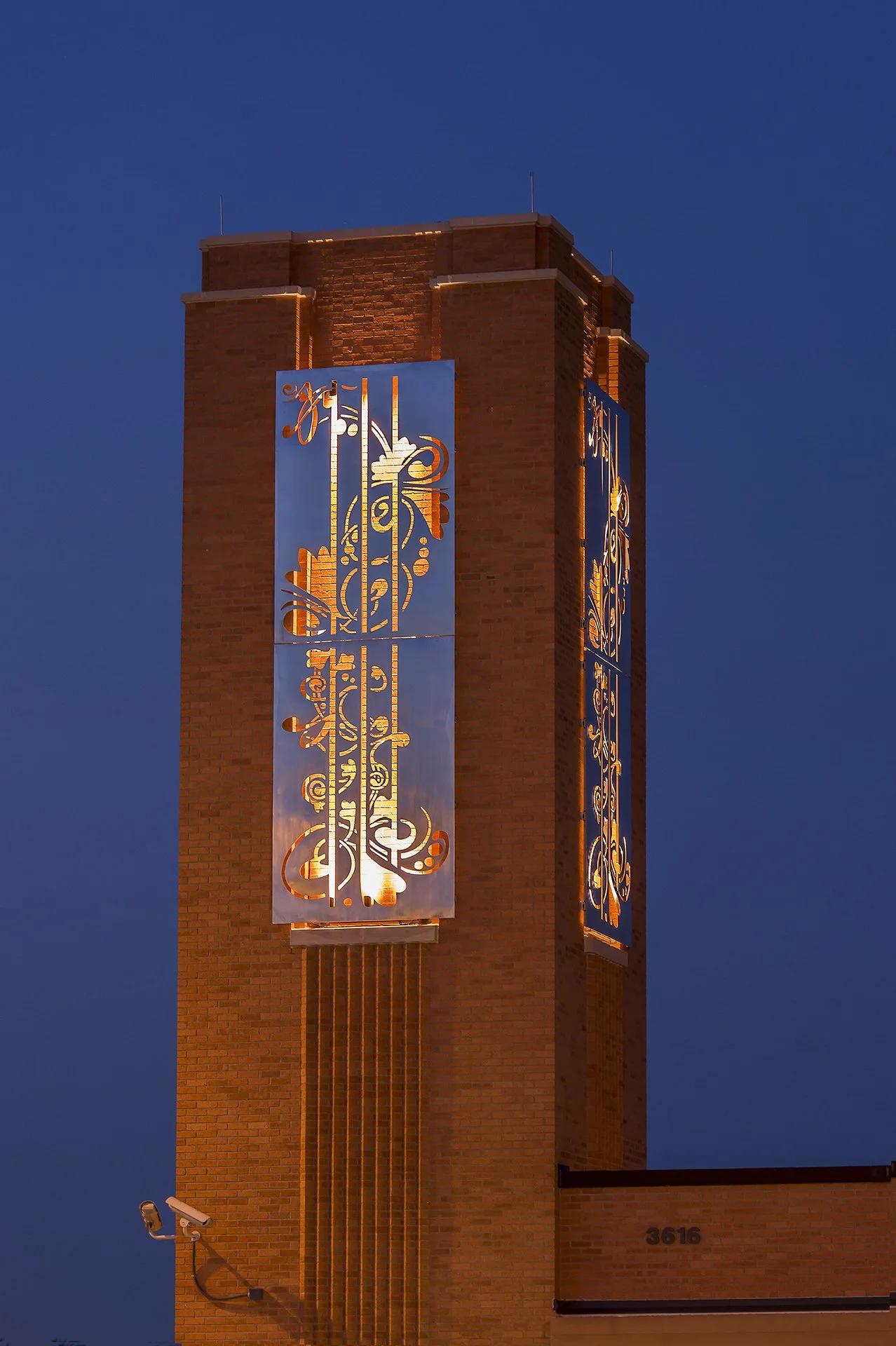
I’m a bit late reporting this, but…In 2013, the Fort Worth Public Art (FWPA), unveiled a new artwork titled, Regrowth, by, San Antonio-based artist, Tommy Fitzpatrick. It’s installed atop the tower at the Fort Worth Police Crime Lab on east Lancaster. The abstract design is inspired by one of our signature wildflowers, the amazing, Trout Lily. Here’s a blurb from the FWPA website:
“Elegantly silhouetted organic forms inspired by the once abundant North Texas prairie wildflower known as the trout lily seem to grow upward through vertical lines that reference the interurban rail line that was once a vital part of the East Lancaster corridor. Located on three sides of the tower and backlit at night, the work has become a welcoming beacon in the neighborhood.”
When the lights come on at dusk it really comes alive. Check out these photos below and this LINK.
5) SOmewhere Under the Rainbow
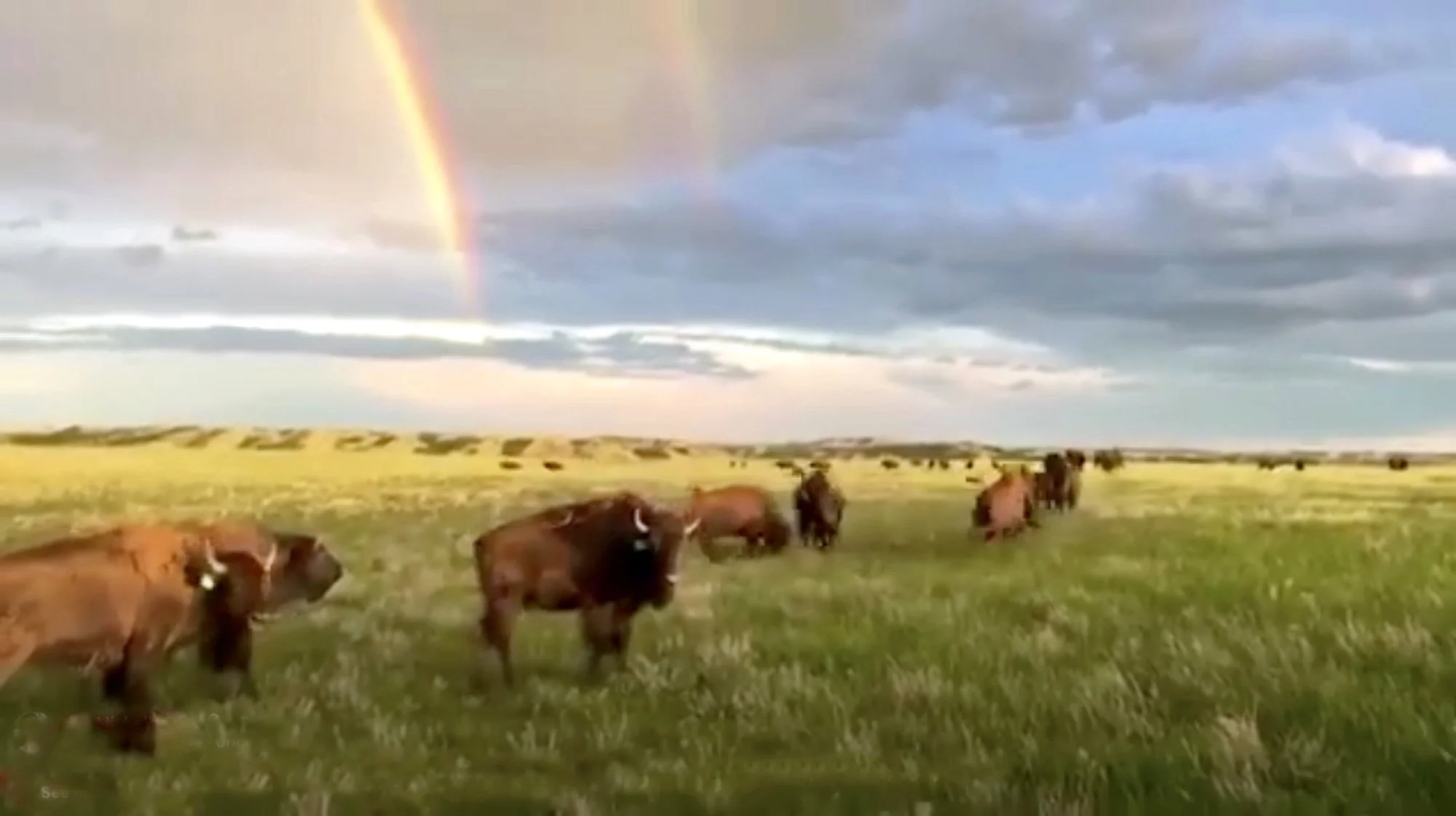
This is one of the most charming videos I’ve ever seen. I spent way too much time trying to find its origin to no avail. I have concerns it might be A.I. Created. Not sure. But it’s still comforting to watch and what I want the world to be instead of the mess it’s in now. Click here to view the short video of young bison frolicking on some distant prairie: https://www.facebook.com/reel/254765697258035
6) Newsworthy & Noteworthy
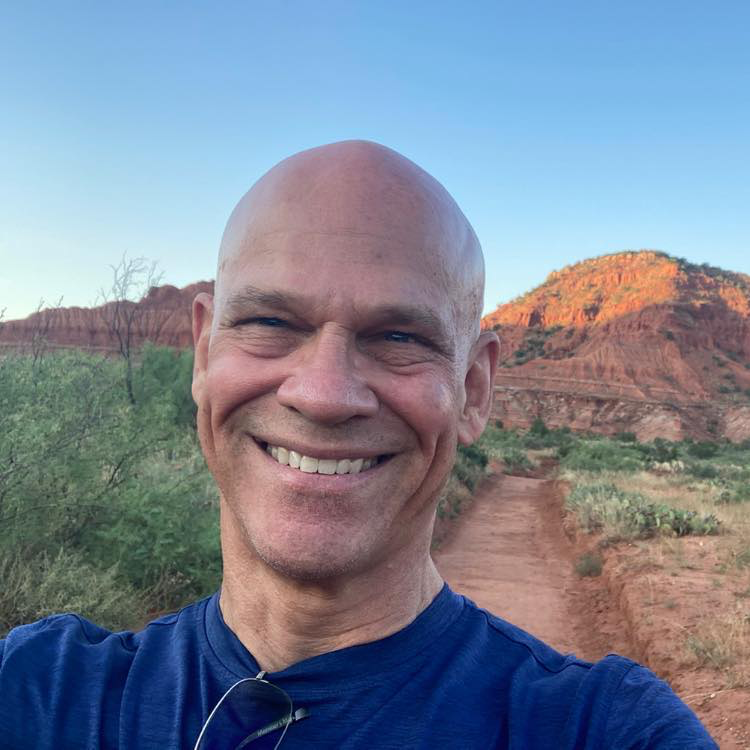
>>>>>>> On March 18th, the Fort Worth Weekly interviewed Don Young about the newly acquired 16 acres on the west side of Tandy Hills. Staff writer, Mark Henricks, did a great job on his report. You can read it HERE:
https://www.fwweekly.com/2026/03/18/growing-tandy-hills/
>>>>>>> Also, in early march, The (FW) Business Press issued a press release about the newly acquired 16 acres. They write glowingly about how The Friends of Tandy Hills have partnered with the city:
“Over the years, the City of Fort Worth Park & Recreation Department has partnered with Friends of Tandy Hills Natural Area to develop a master plan that serves as the guiding framework for managing this unique prairie. Volunteers and staff members have spent years clearing brush and invasive privet for prairie restoration, conducting litter pick-ups, building trails, organizing special events and supporting scientific research and bioblitzes to improve the area for all to enjoy.”
Read all about it HERE: https://fortworthbusiness.com/featured/city-of-fort-worth-park-recreation-department-buys-16-acres-to-expand-tandy-hills-natural-area/
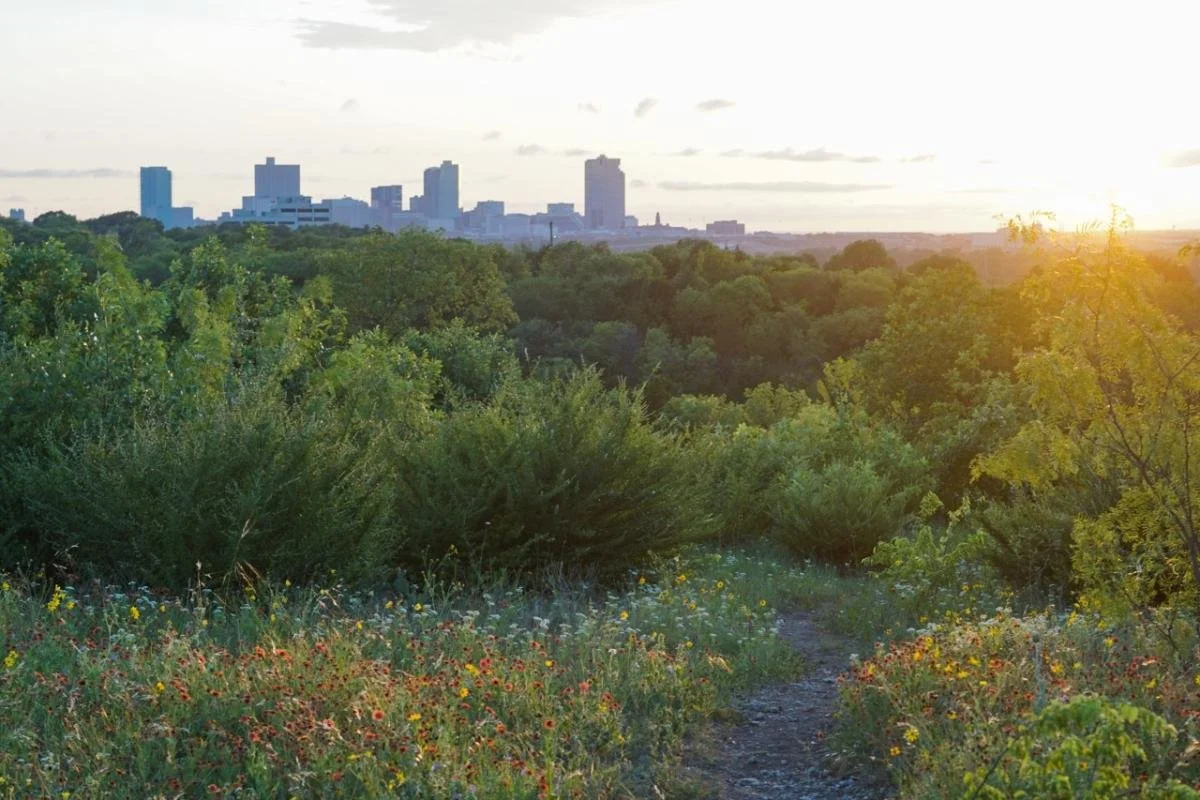
>>>>>>> Not to be outdone by other media, the FW Star-Telegram published two separate articles in late March. They interviewed Don Young in March about recent vandalism by vehicles at Broadcast Hill and other issues. The excellent articles, both by, Samuel O’Neal, cover a lot of ground. You can read them HERE and HERE
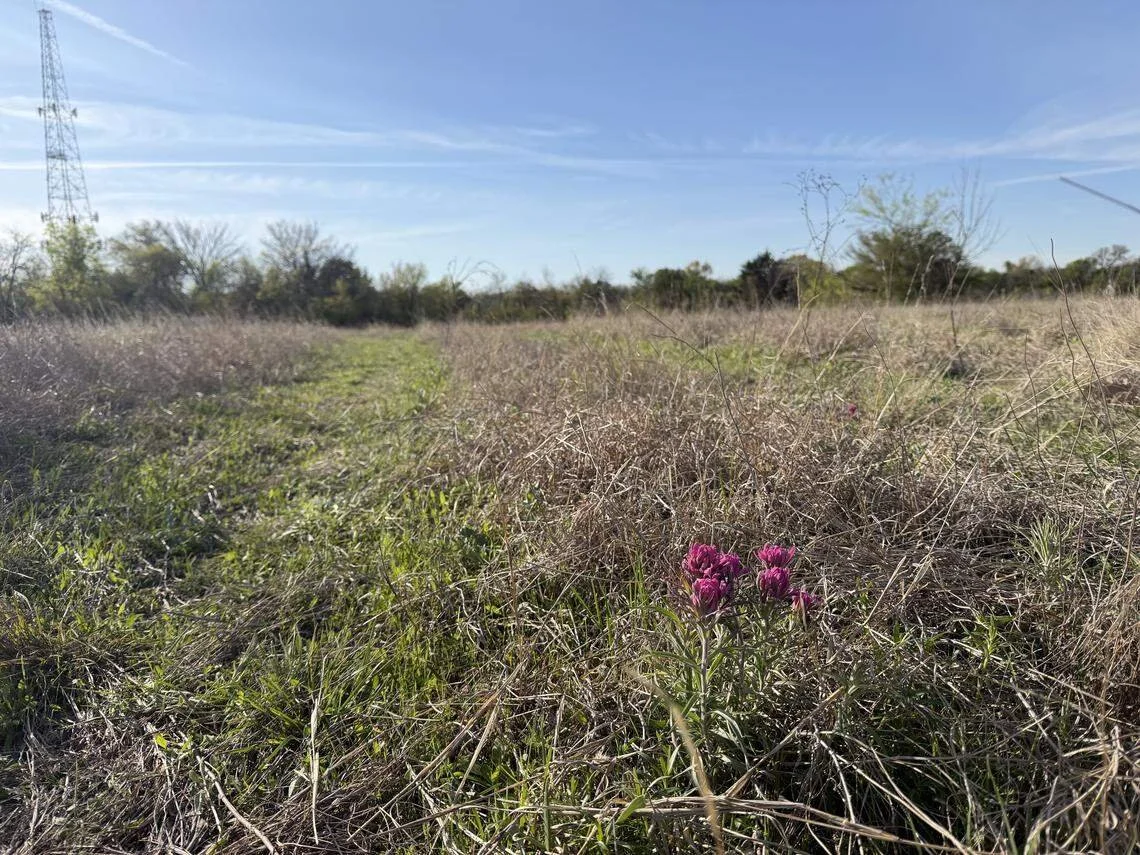
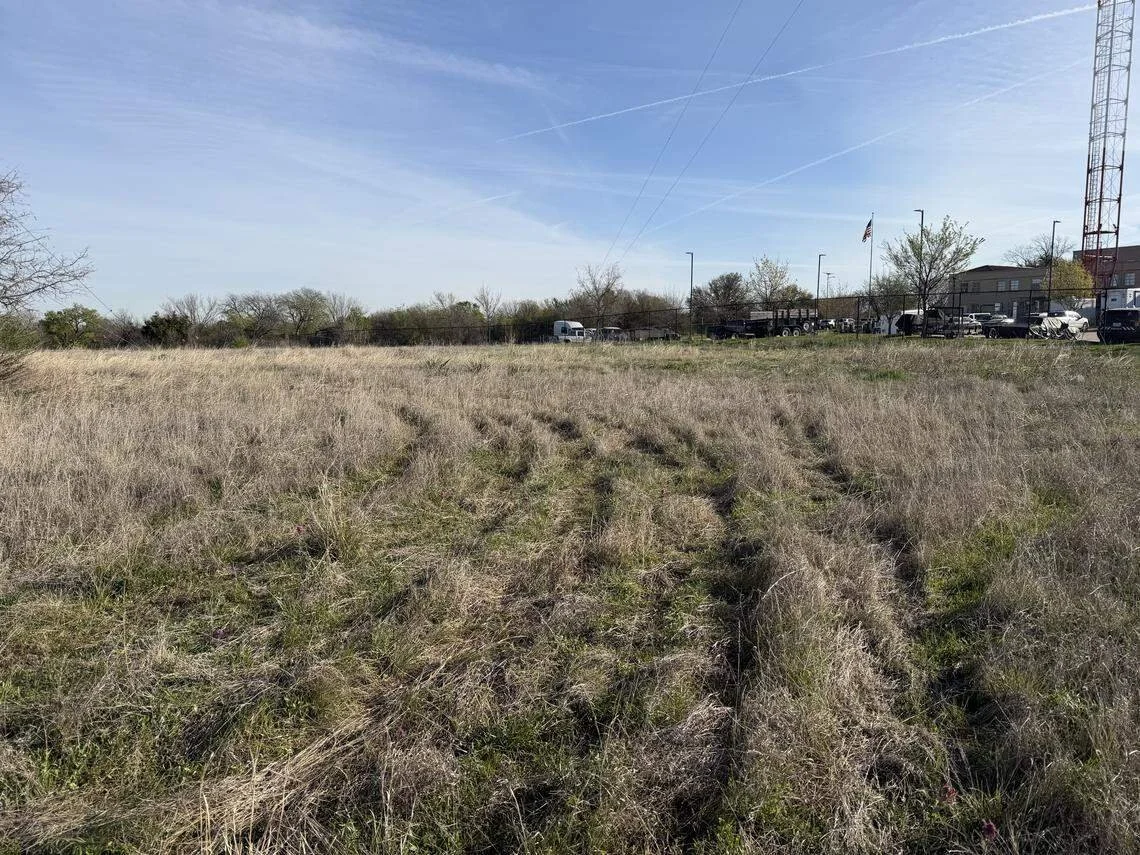
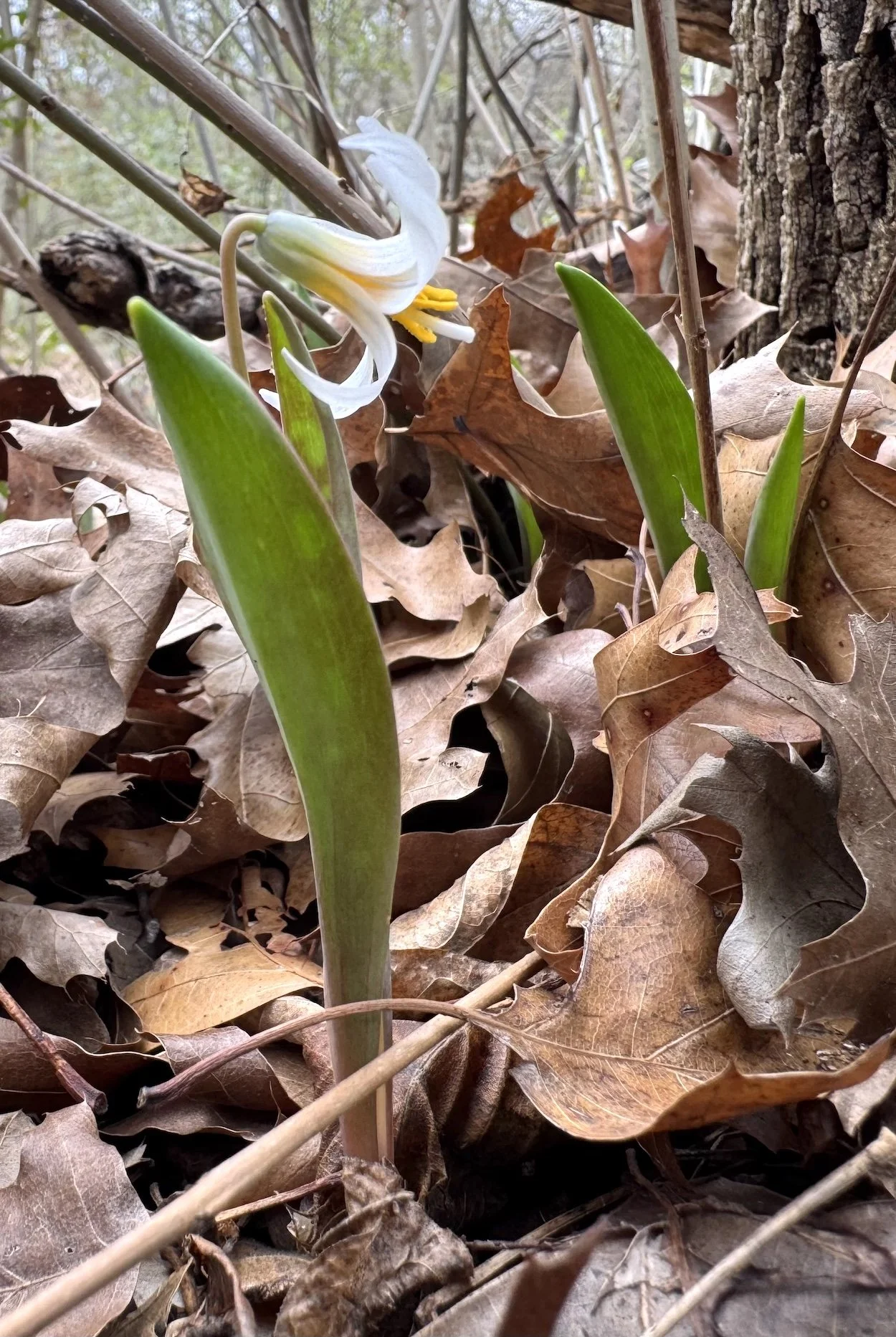
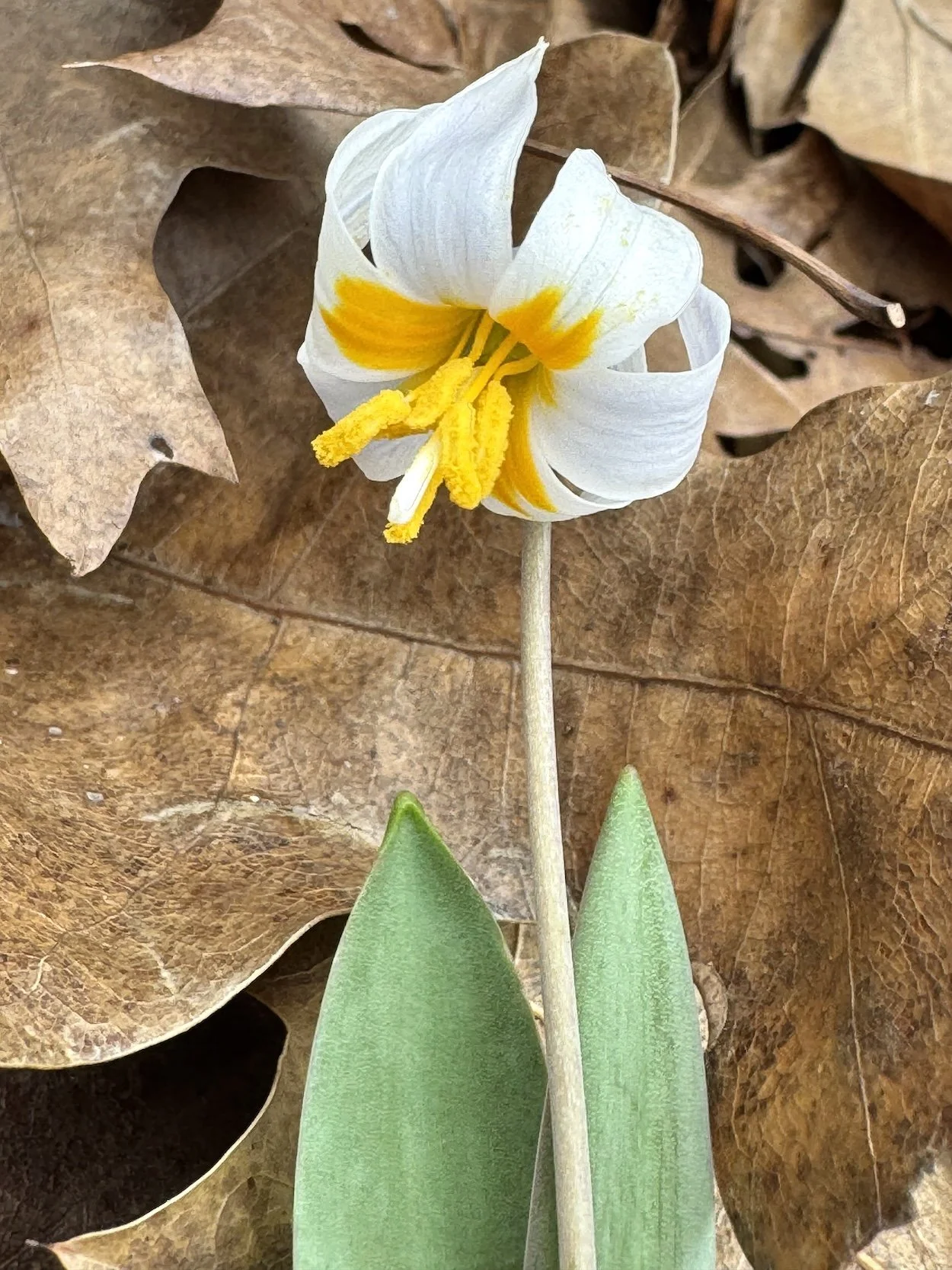
>>>>>>> About 50 wonderful people showed up for the 18th annual Trout Lily Walk w/ Sam Kieschnick. Sam was at his best. The Trout Lilies had faded somewhat but, we did see a very cool Rough Greensnake and had a good time. It was something special. BIg thanks to Sam and to everyone who showed up.
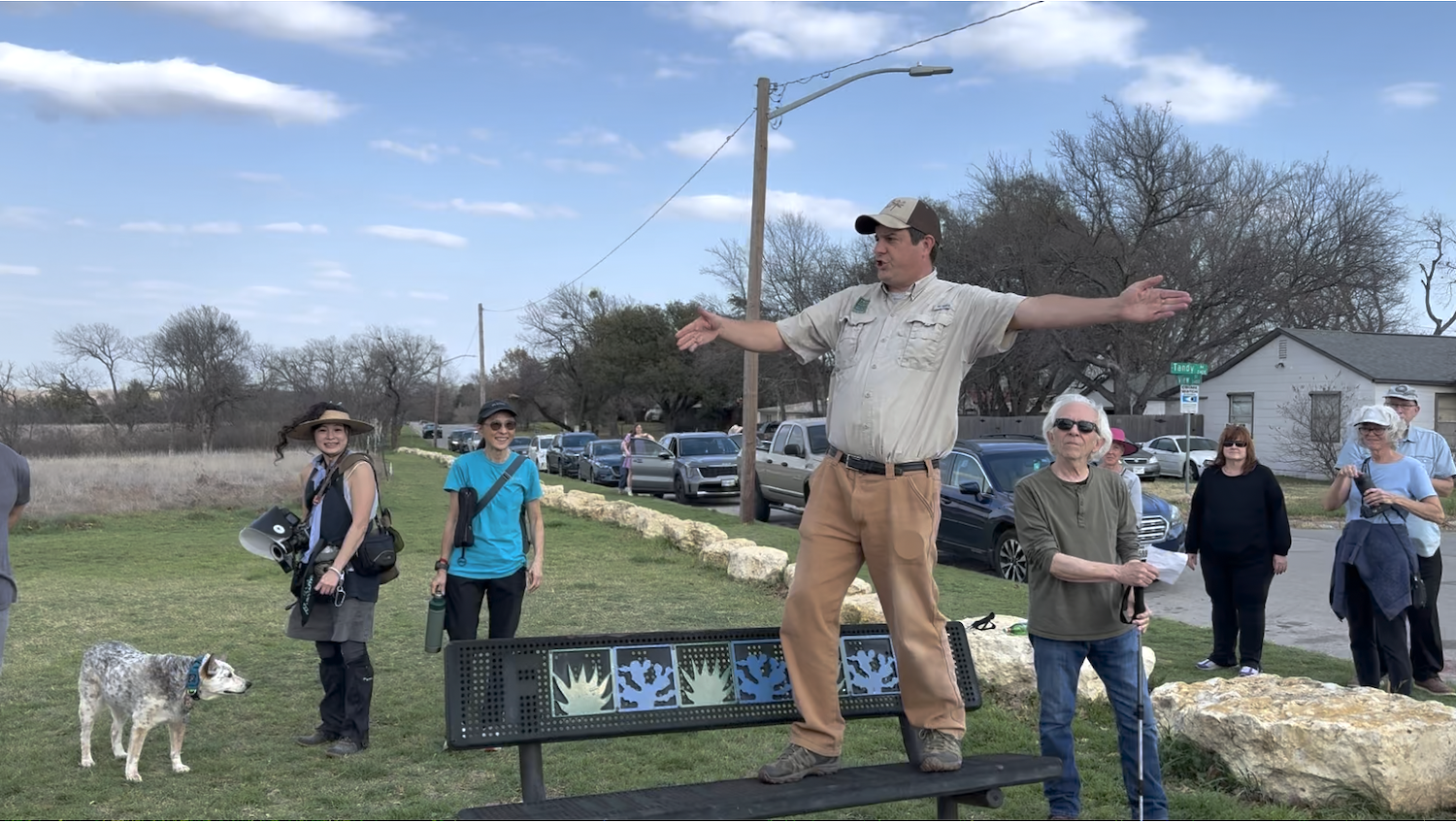
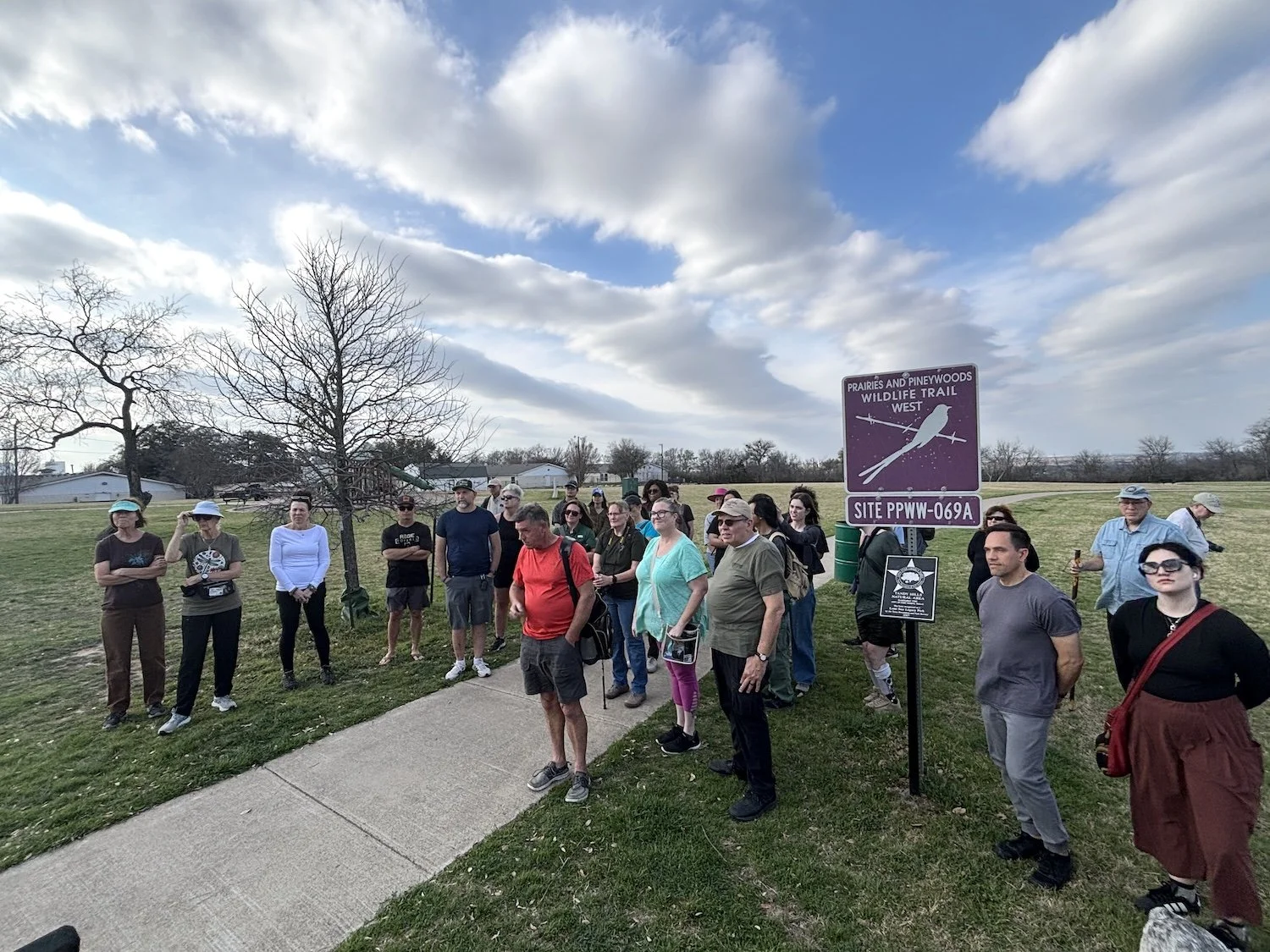
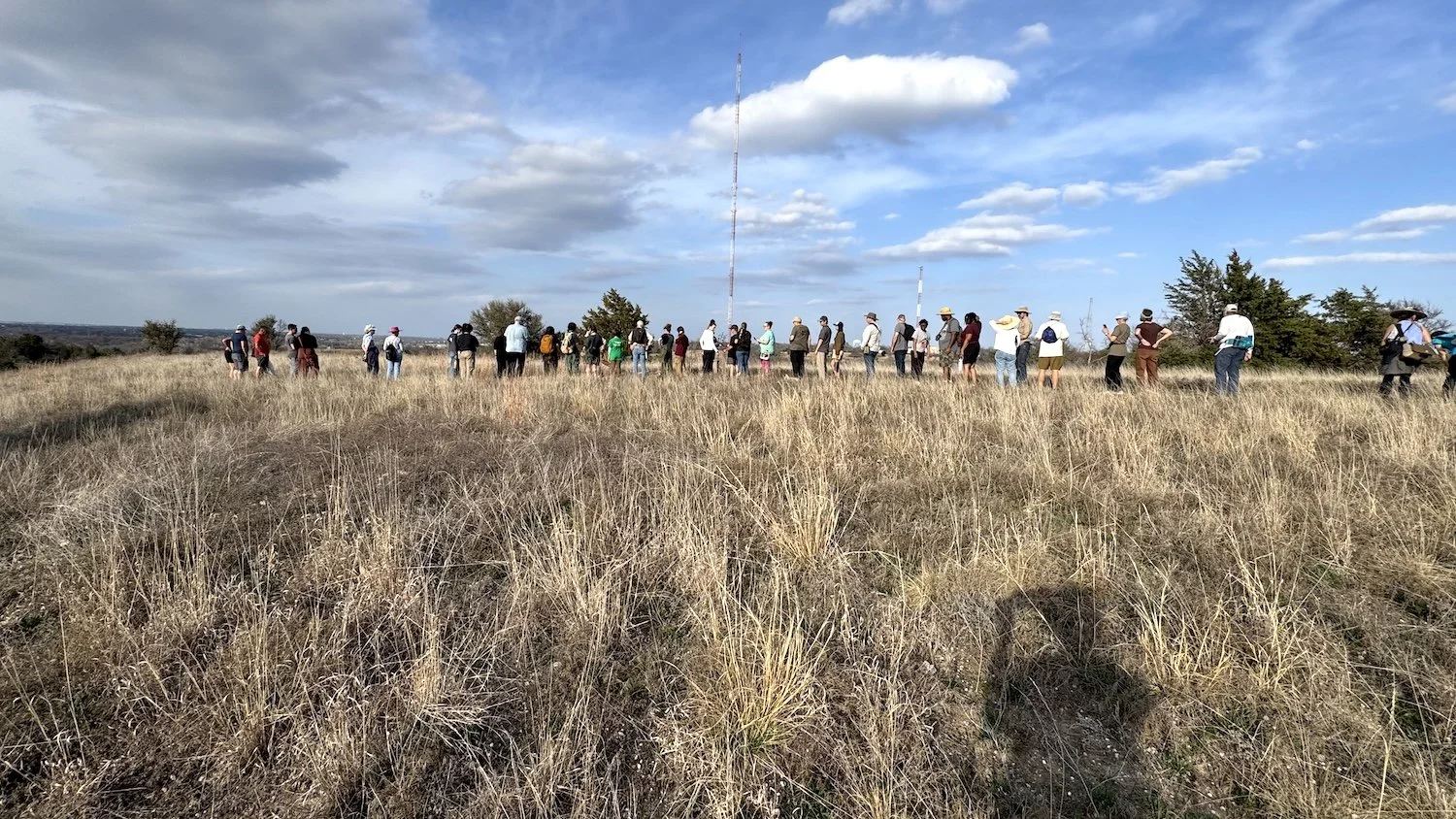
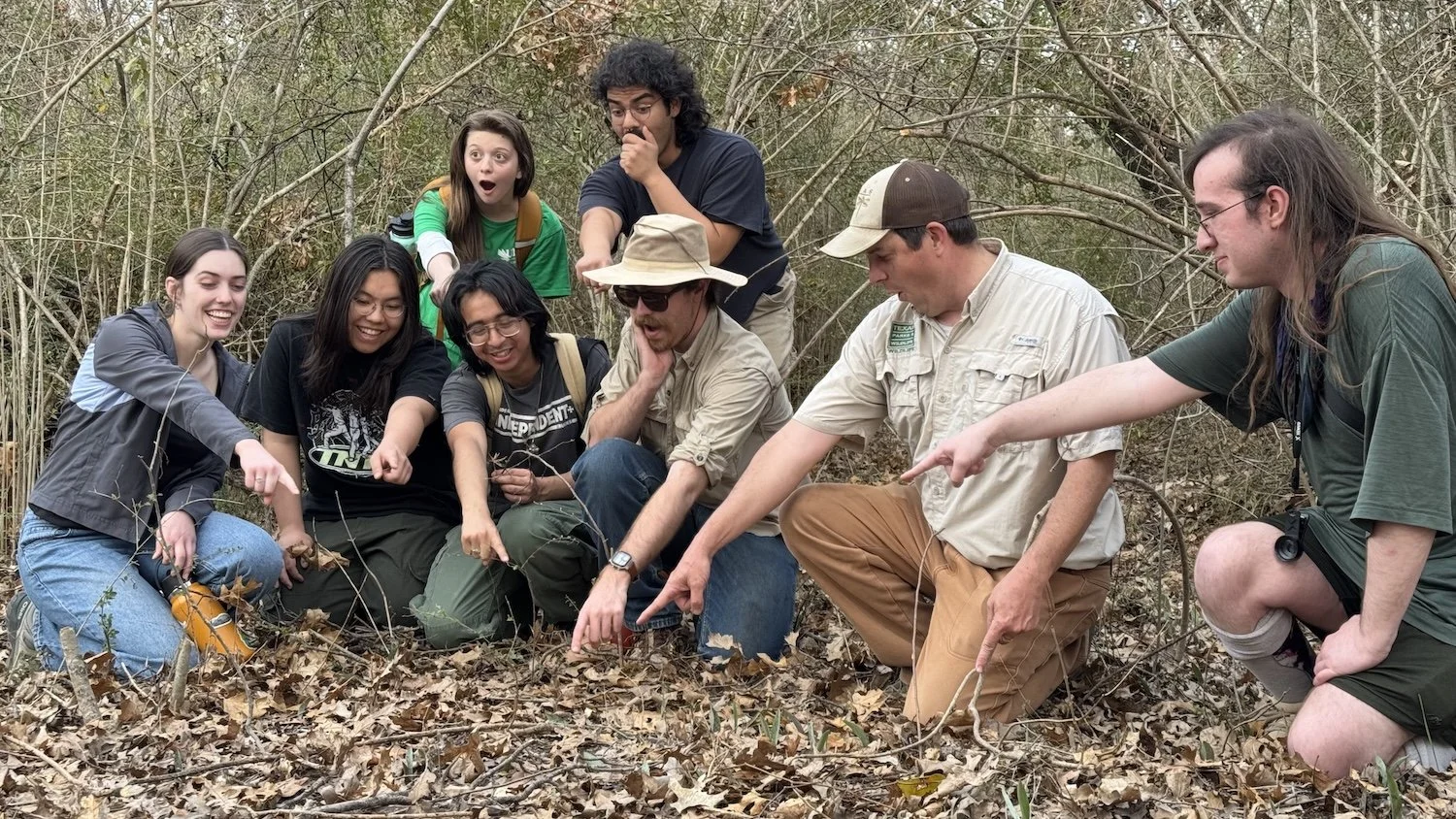
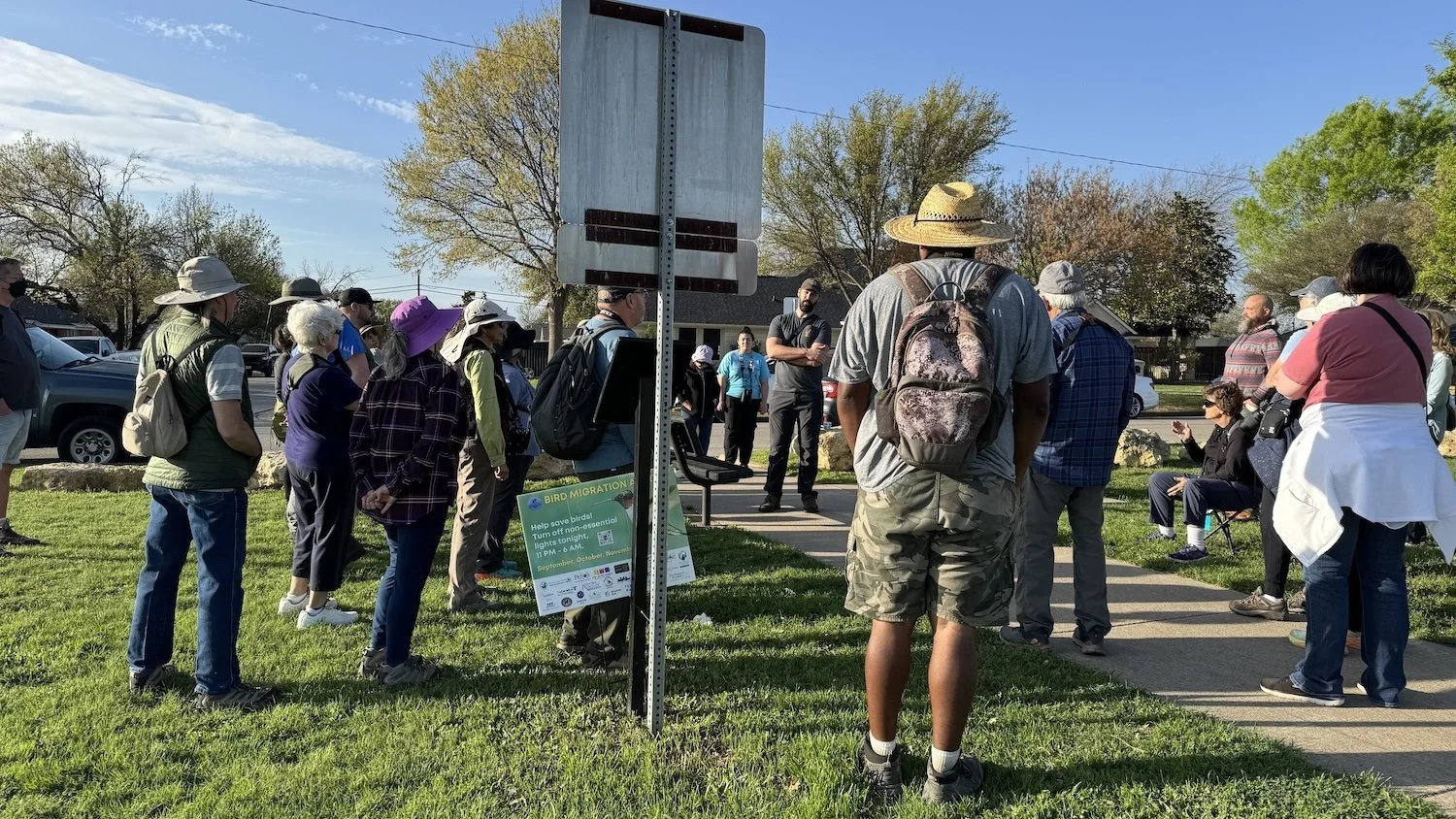
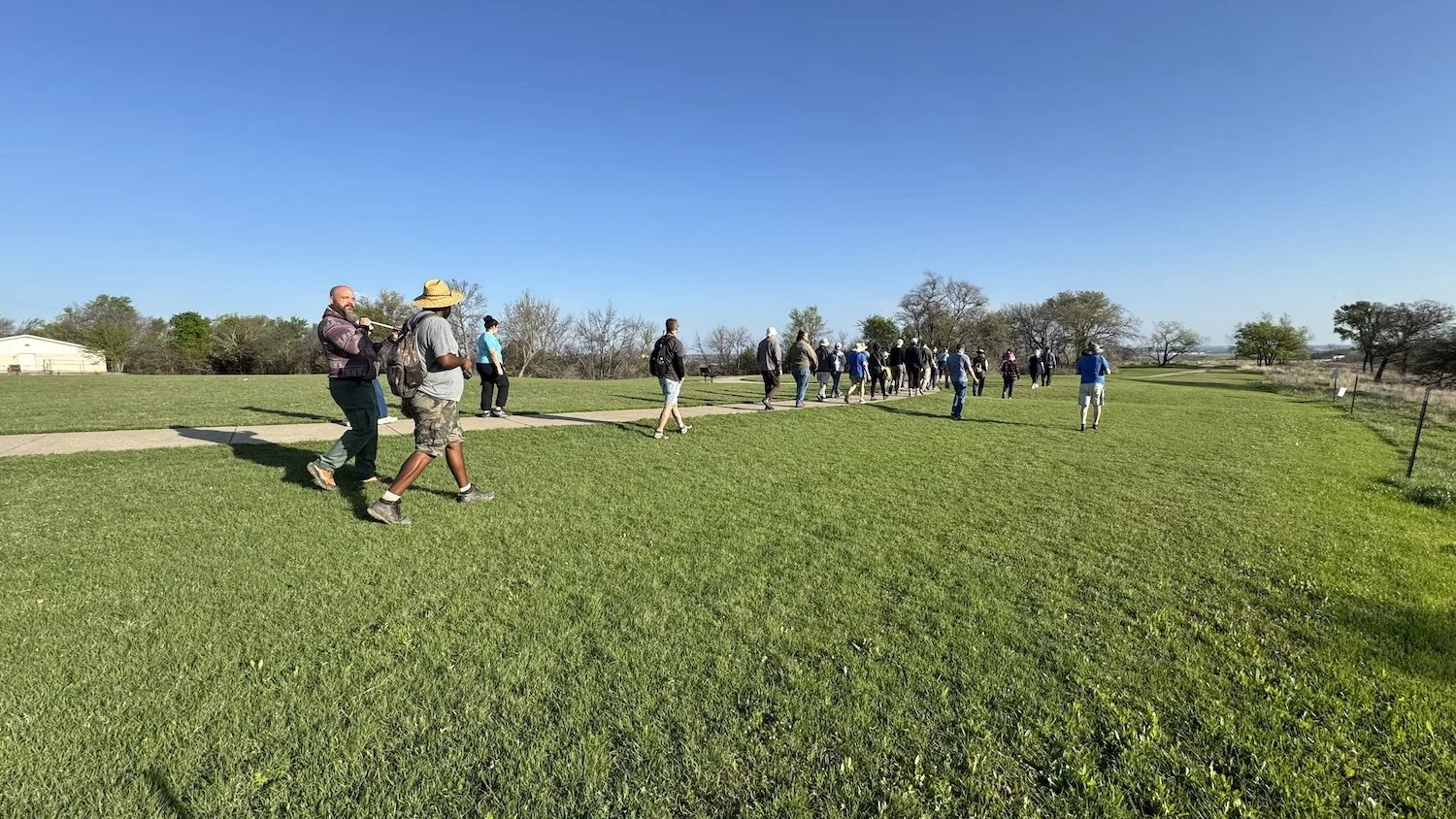
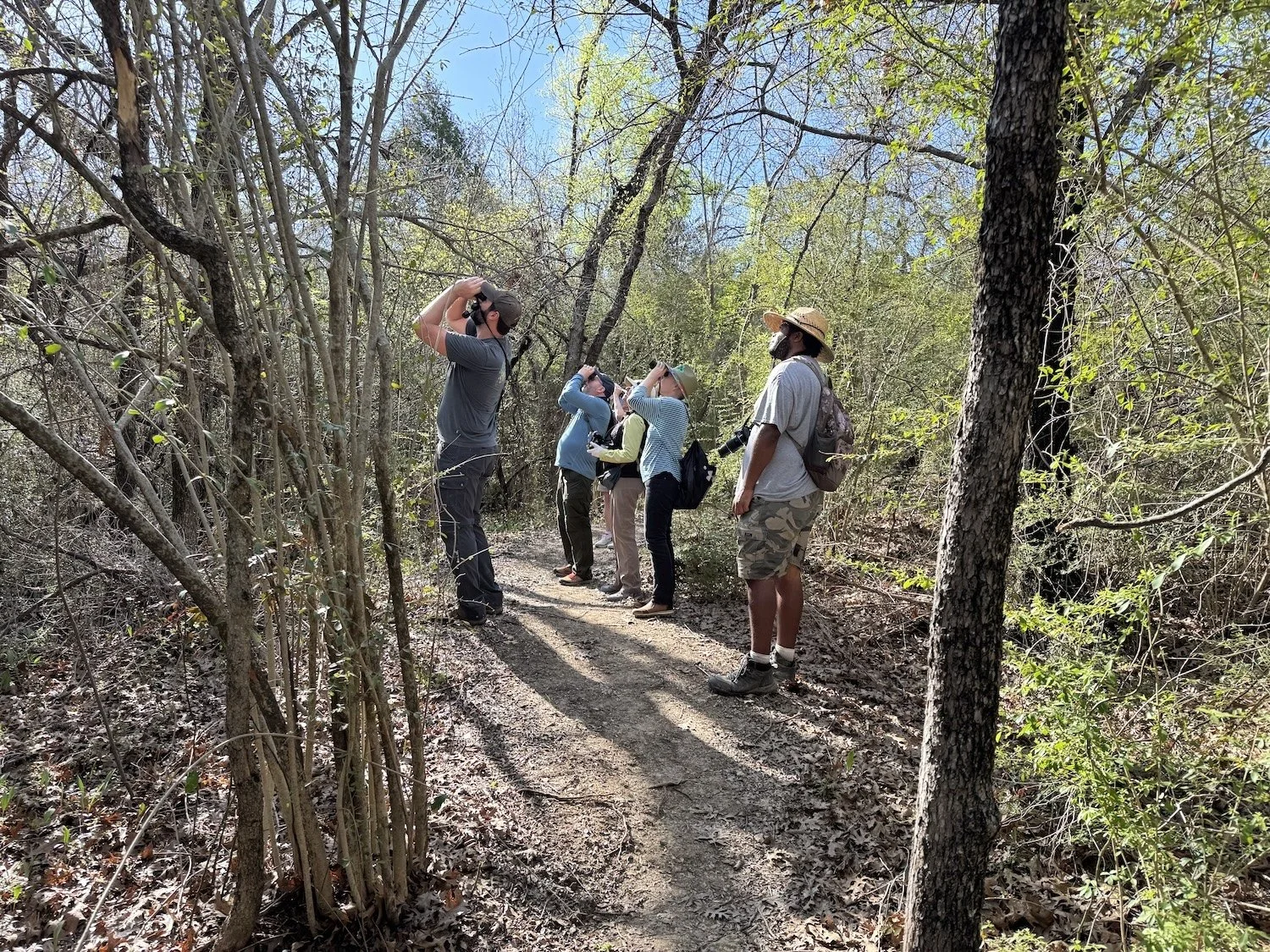
>>>>>>> Almost 40 people attended the Birding Walk w/ Tom Stevens.onMarch 15th. Too many people, but we had a great hike. Not a lot of birds unfortunately, but we did see a Rough Green Snake and several exotic wildflowers already in bloom. Big Thanks to Tom for leading us. Next Birding Walk will be in May.
In a realted story, the New York Times published a report in March titled: Birds Aren’t Just Declining. They’re Declining Faster, a New Study Finds. Scientists studying data collected over more than three decades found accelerating losses. Their research offers clues about the causes. Read this Free Article HERE.
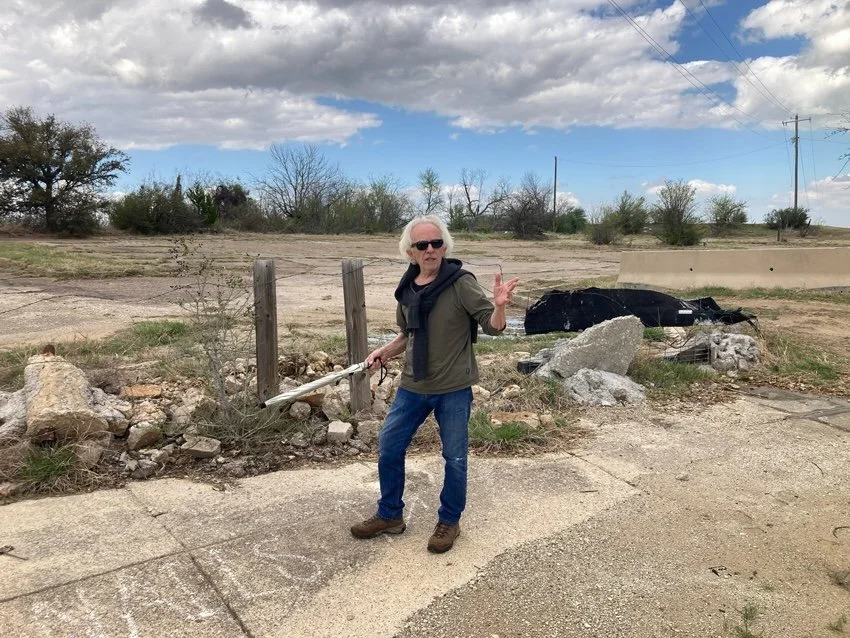
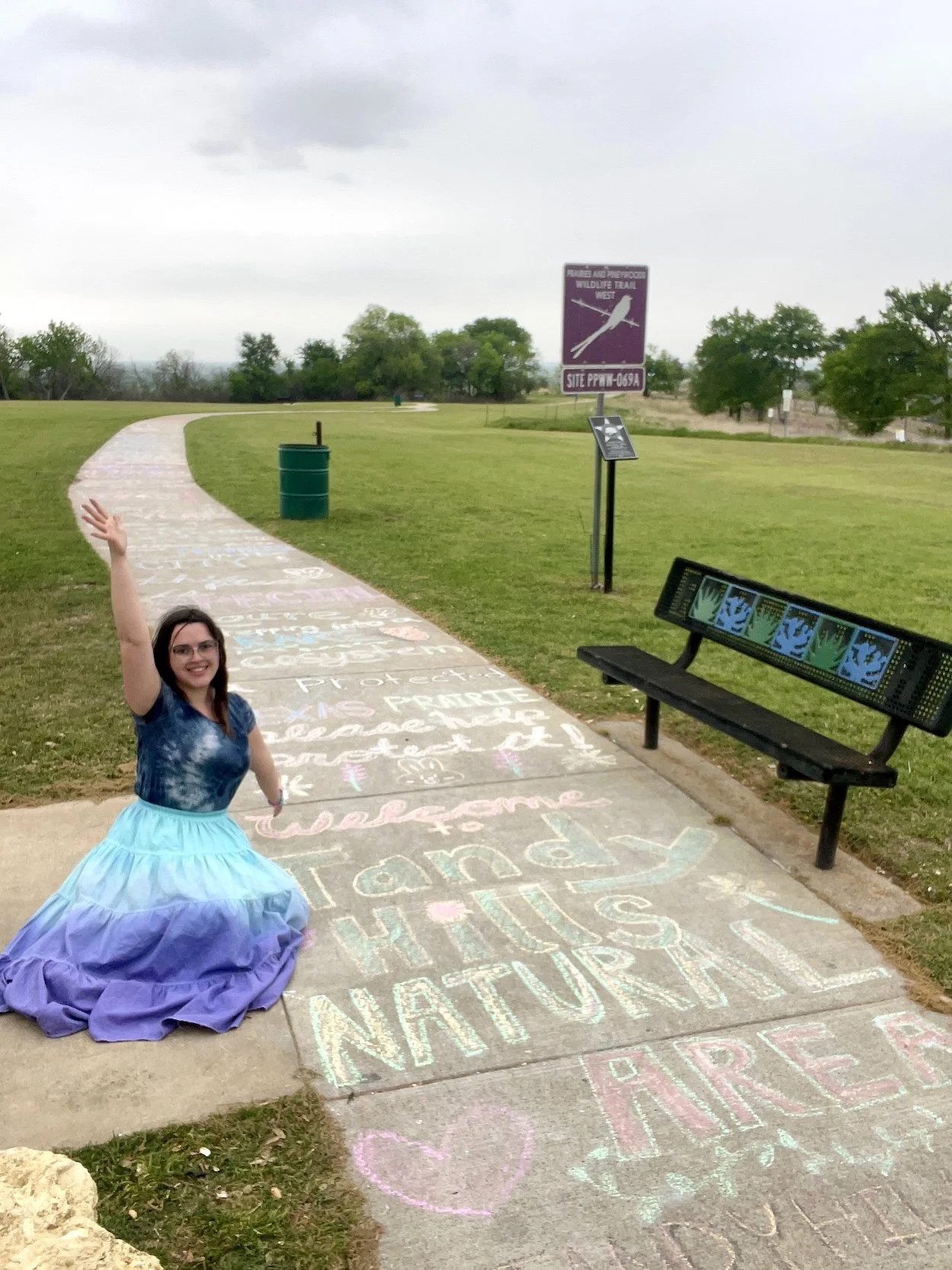
>>>>>>> This is Alexis Jackson. Her day job is working at Log Cabin Village. During her “free” time the past couple of years, she has been creating subversive, sidewalk chalk messages for the hordes of photographers to see as they enter Tandy Hills. She recently started a new project that almost covers the entire length of the sidewalk. But…she ran out of chalk. The Friends of Tandy Hills came to her rescue with brand new box of chalk the size of a suitcase. See Alexis’ recent Facebook video of the project, HERE:

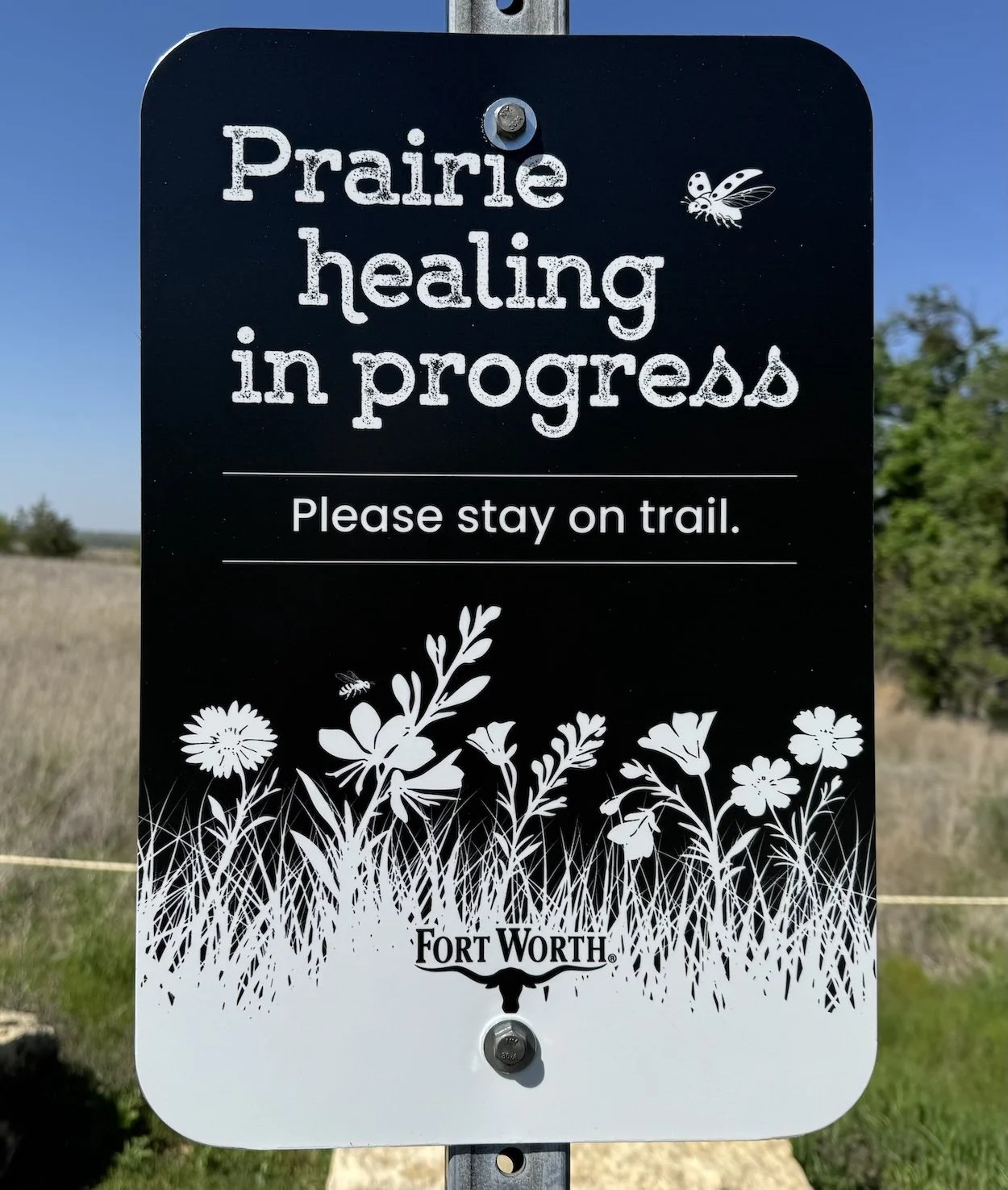
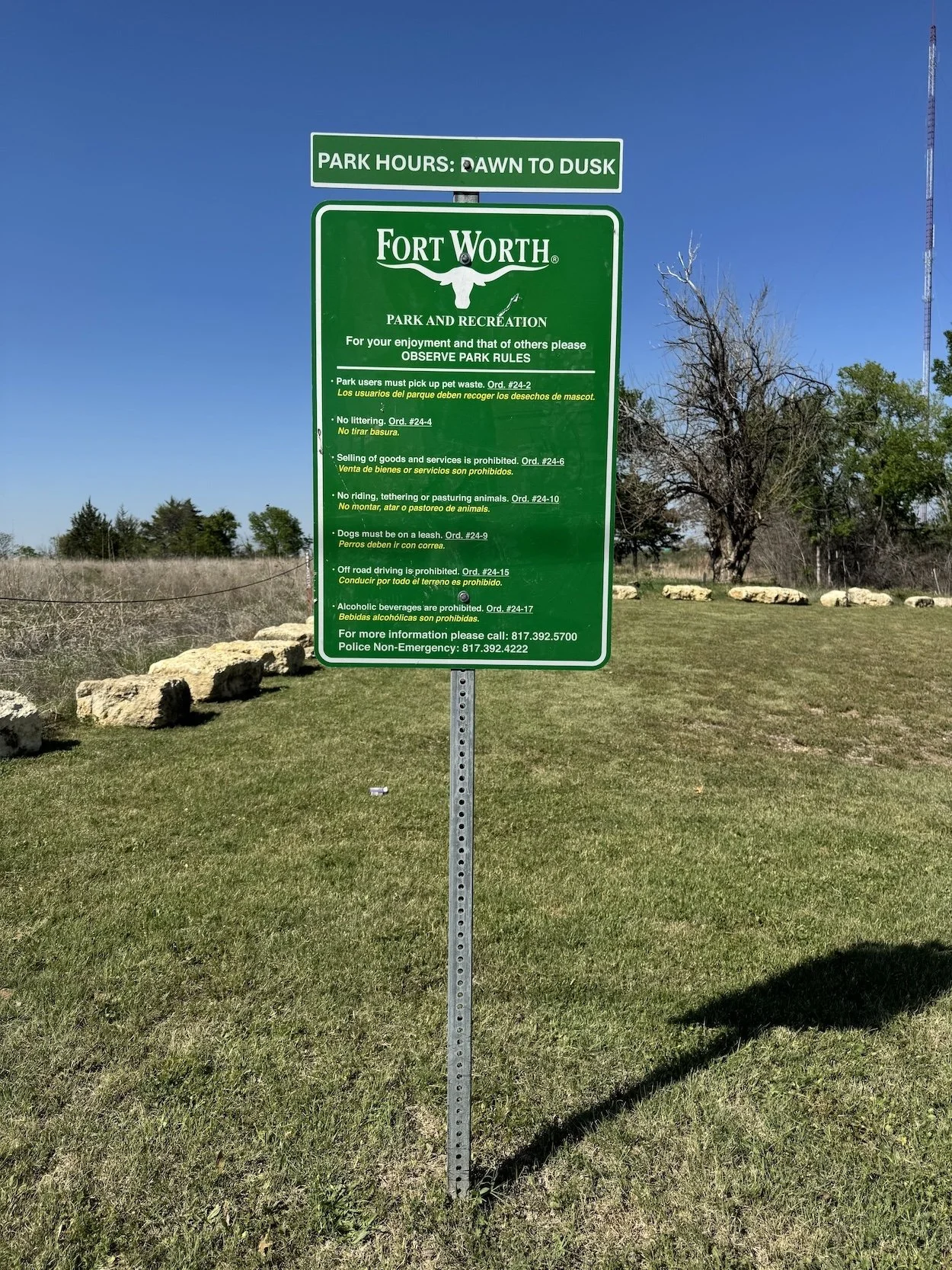
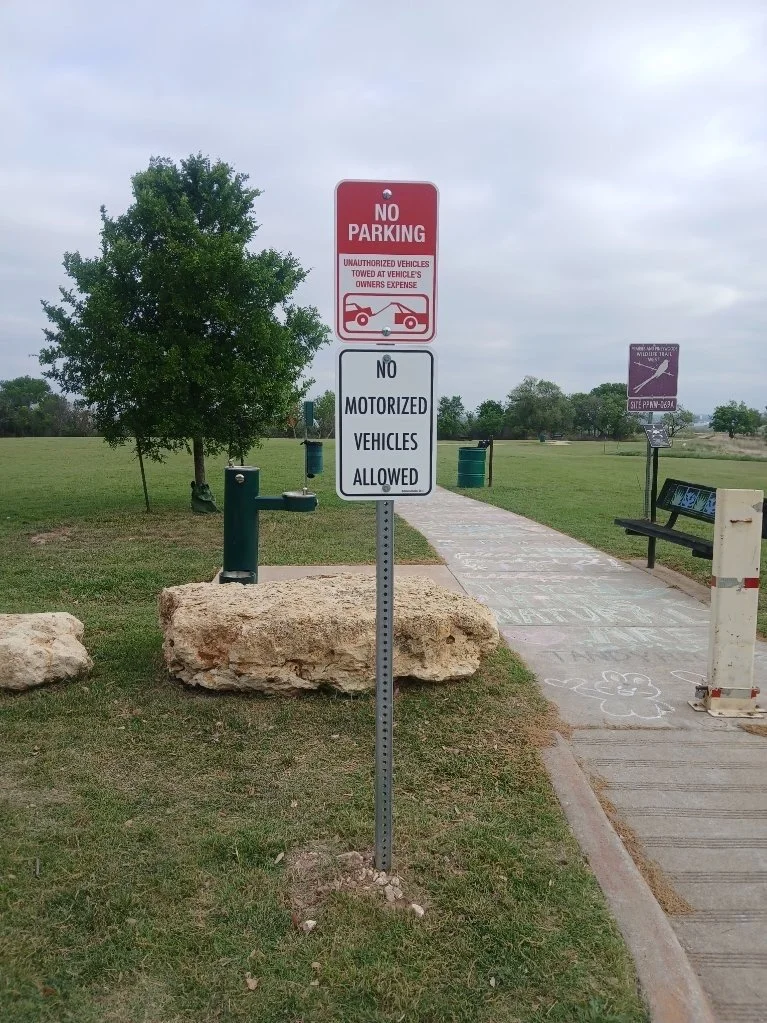
>>>>>>> The City of Fort Worth Park & Rec Dept. has just added some signage along View Street to help visitors understand why Tandy Hills is special and what the rules are. This is just one facet of some new protections for the natural area the city is working on. More on that as it develops. Thanks to Michelle Villafranca and staff for gettin’ it done!
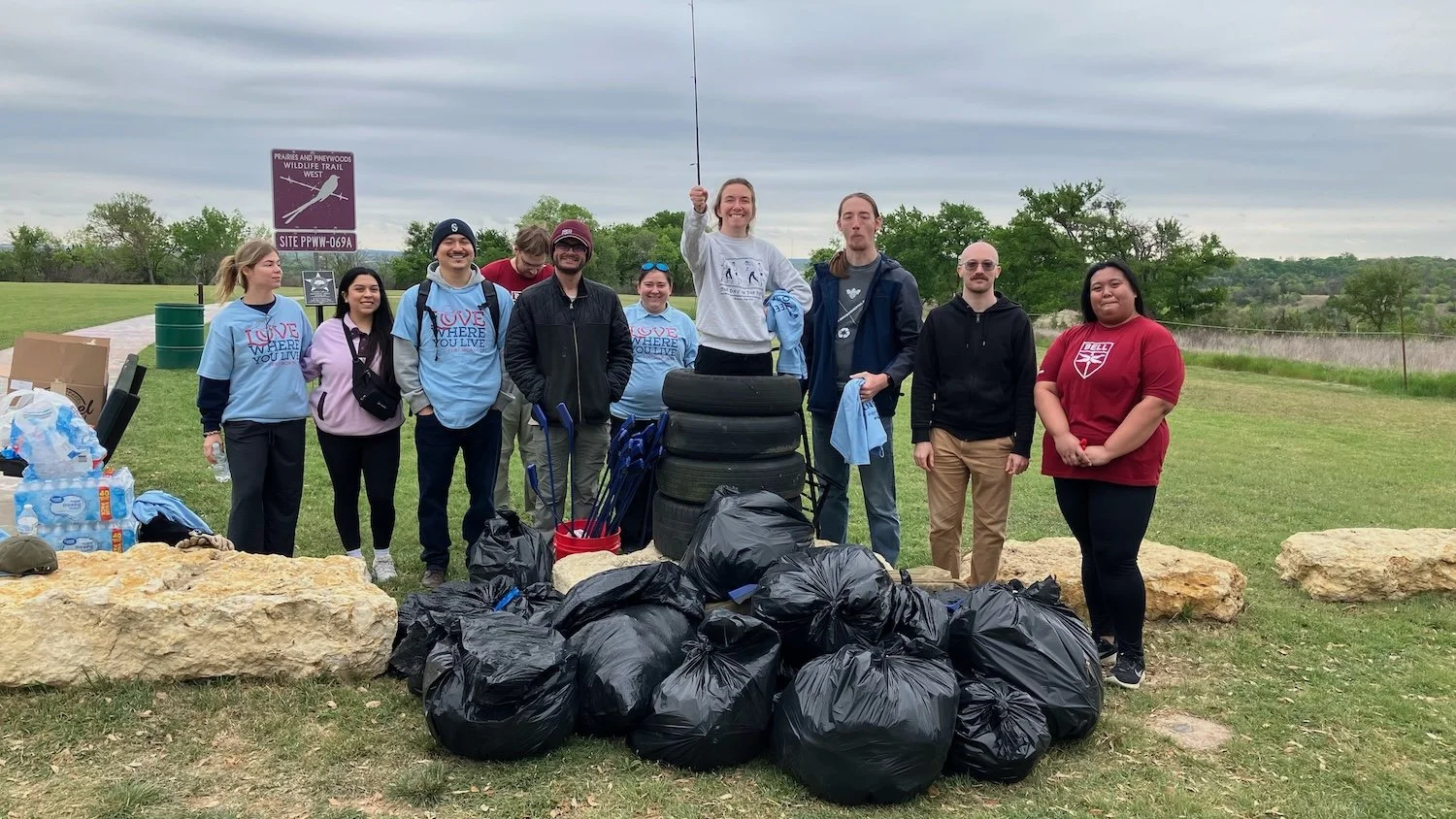
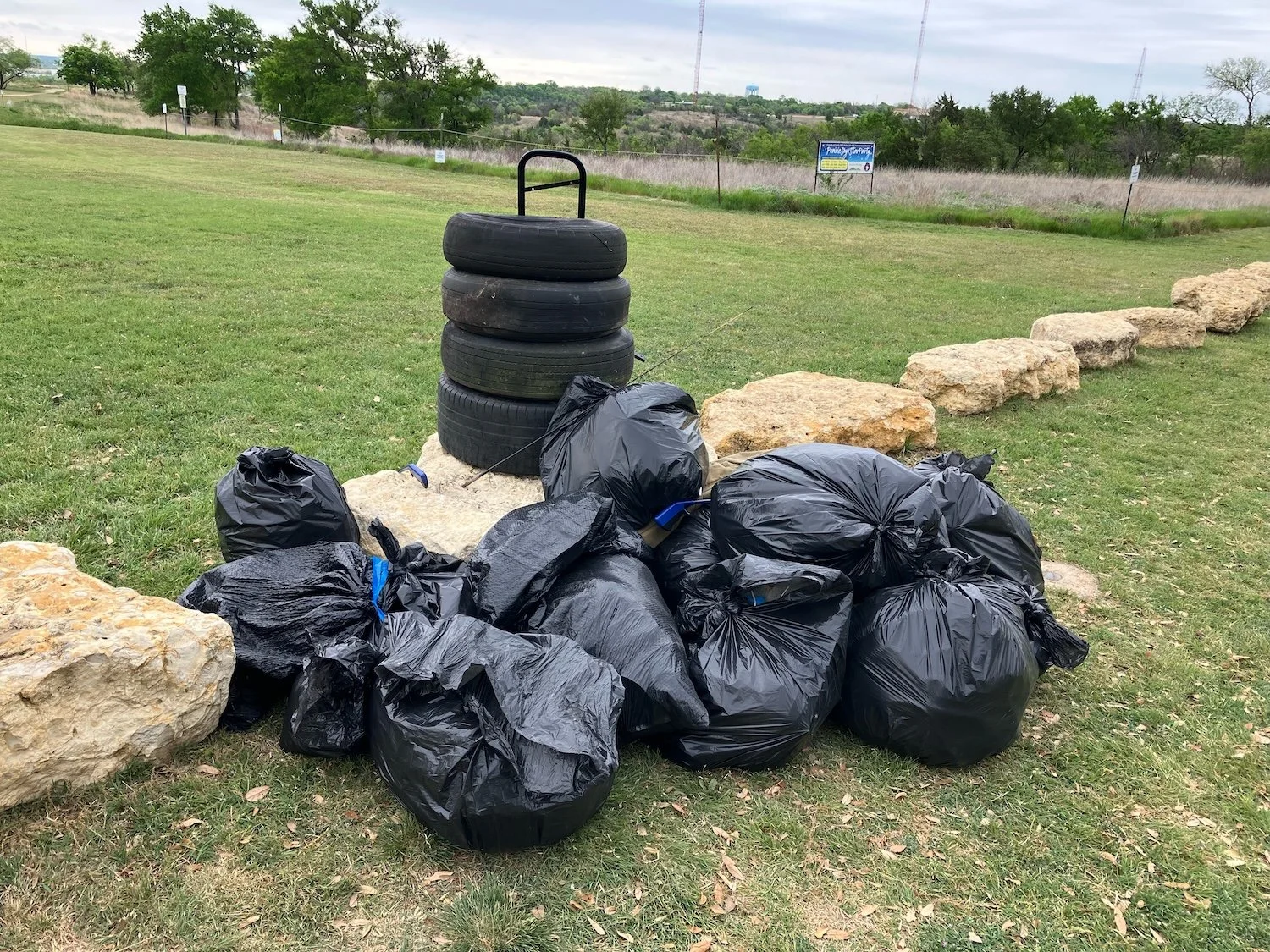
>>>>>>> The Bell Helicopter BEES came back for the third year in a row to help clean up Tandy Hills during the Great American Cowtown Cleanup. “BEES” stands for: Bell Employees for Environmental Sustainability. About 18 people show up, and collected 4 tires ( ! ) and a couple dozen bags of trash. We are VERY grateful to the BEES!

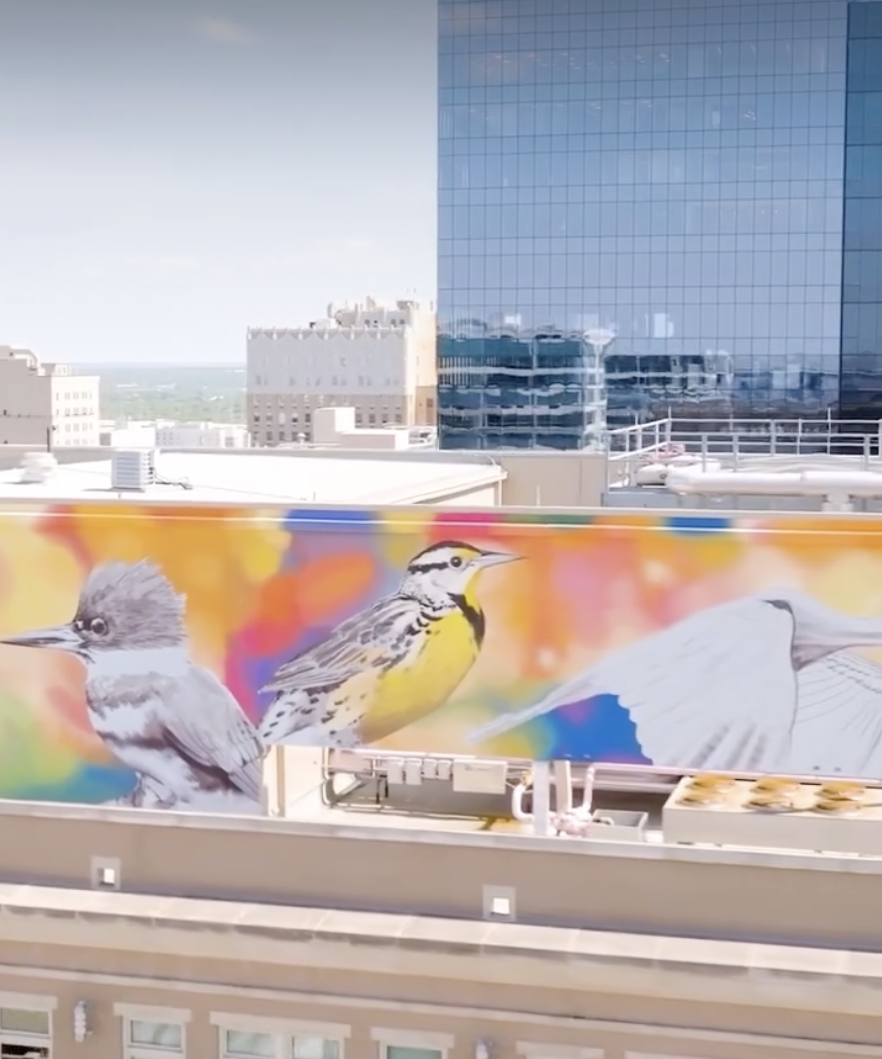
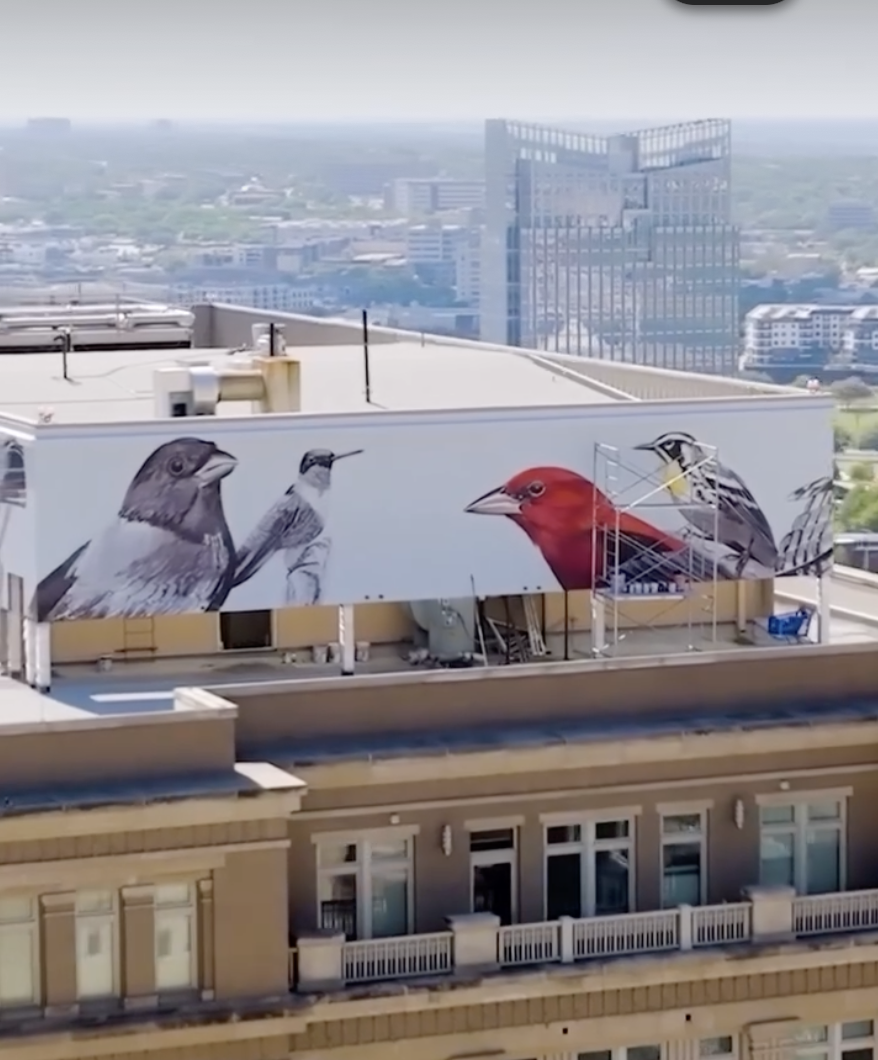
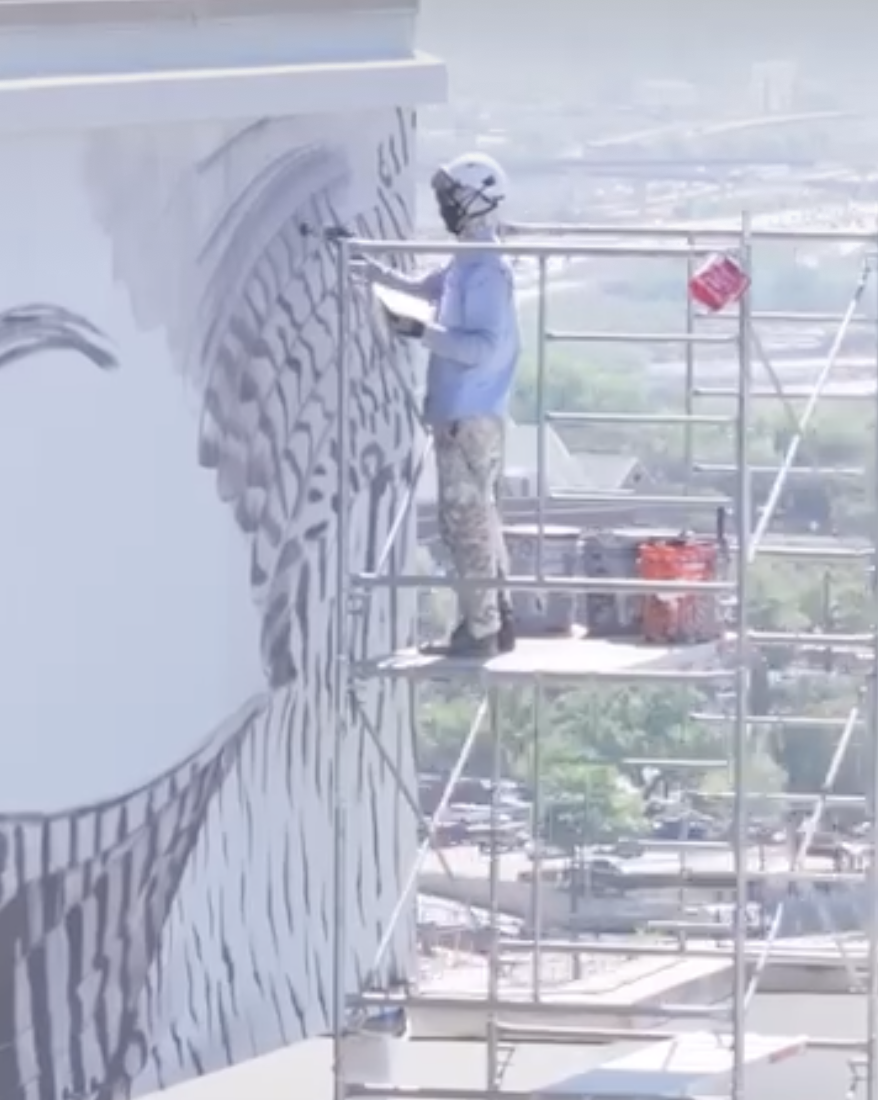
>>>>>>> Head's up. Literally. There is a NEW mural going up at Sundance Square featuring birds of the NTX region. The artists are James Prosek and Youri Cansell, the same two who created the wildflower and butterfly murals at Sundance Square. It's top the Carnegie Building and is a work in progress. Check out the link for this Sundance Square video.
>>>>>>> In other news . . . check out this recently discovered photo taken at the newly acquired Tandy Hills in 1961. The man is, Johnny Hay, who had popular shows on WBAP-TV for many years. He was best known as the original host of The Children's Hour (starting in 1963) and for hosting shows like Cartoon Time and Hey, Johnny Hay, where he drew cartoons on-air.
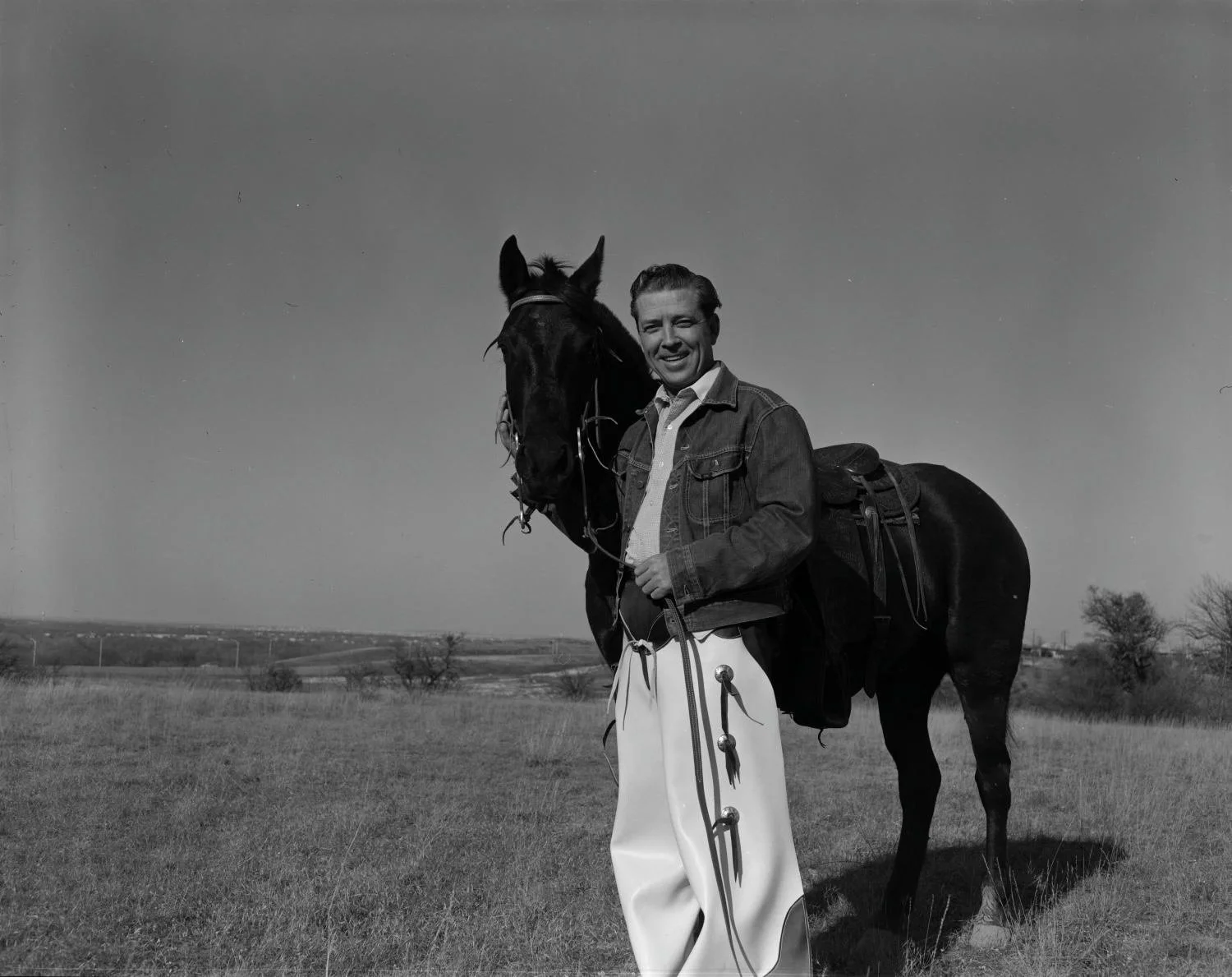
WBAP-TV host and cartoonist, Johnny Hay, (1919 - 2006) with his horse at Tandy Hills in 1961.
7) Prairie Sky / Star Party report
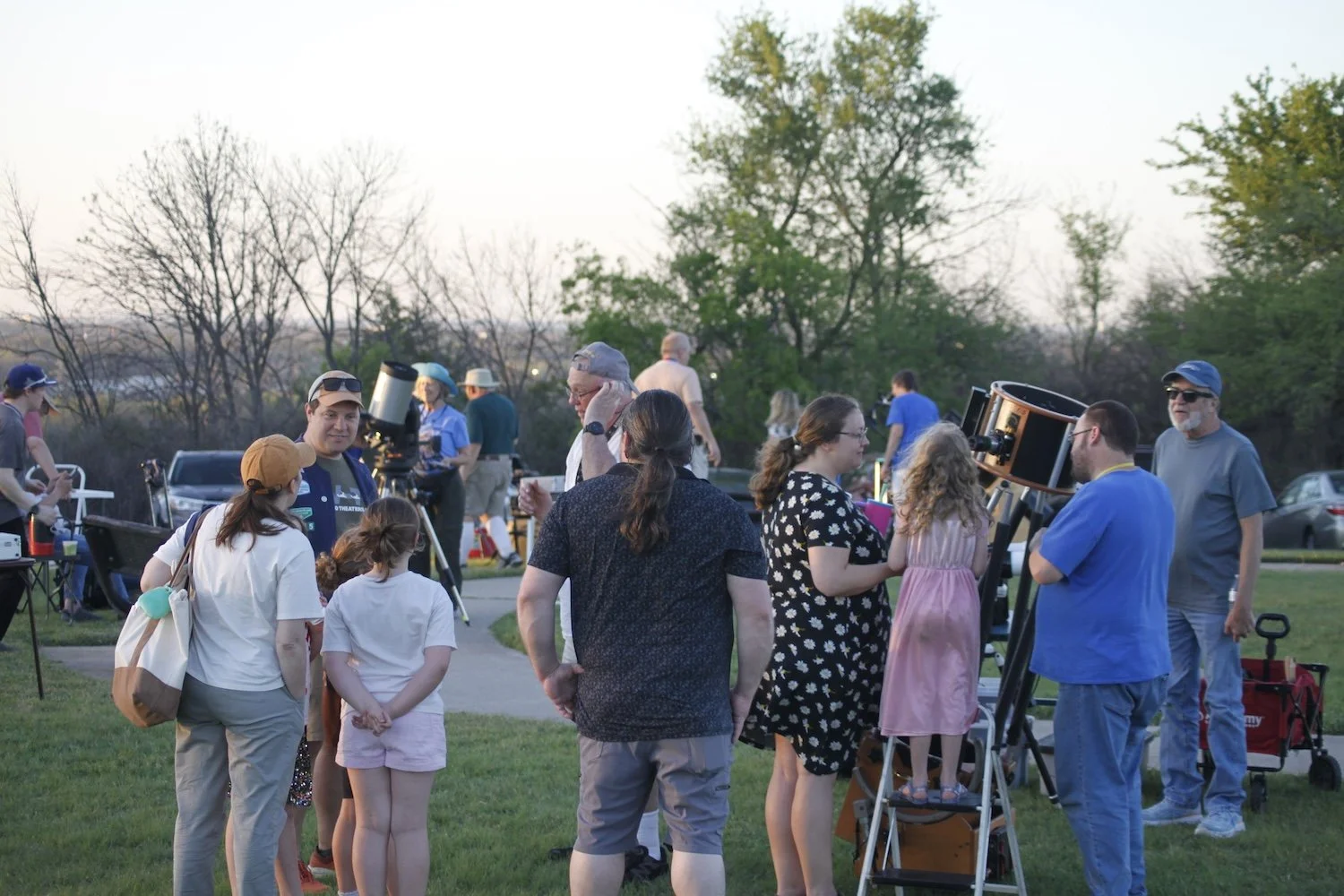
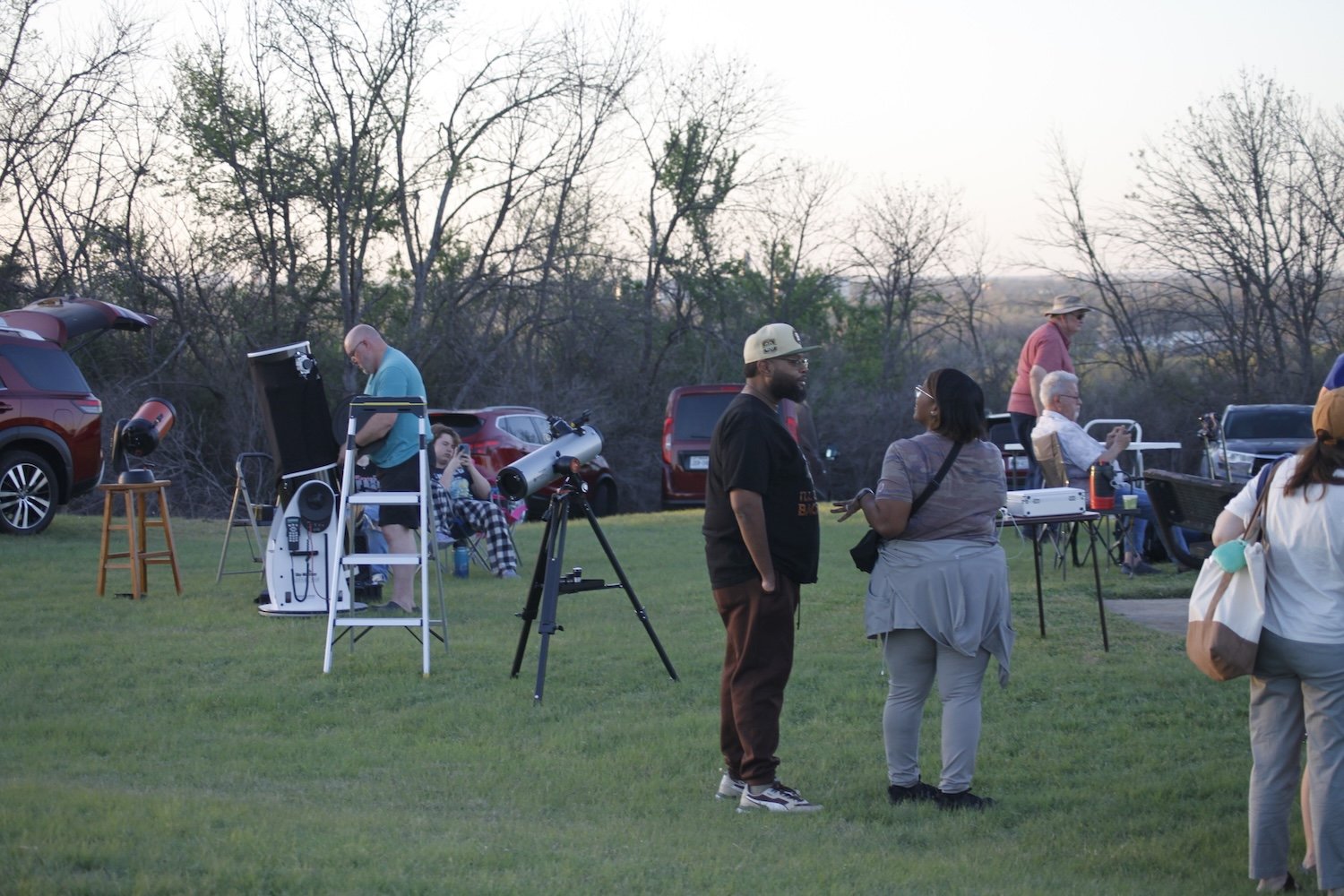
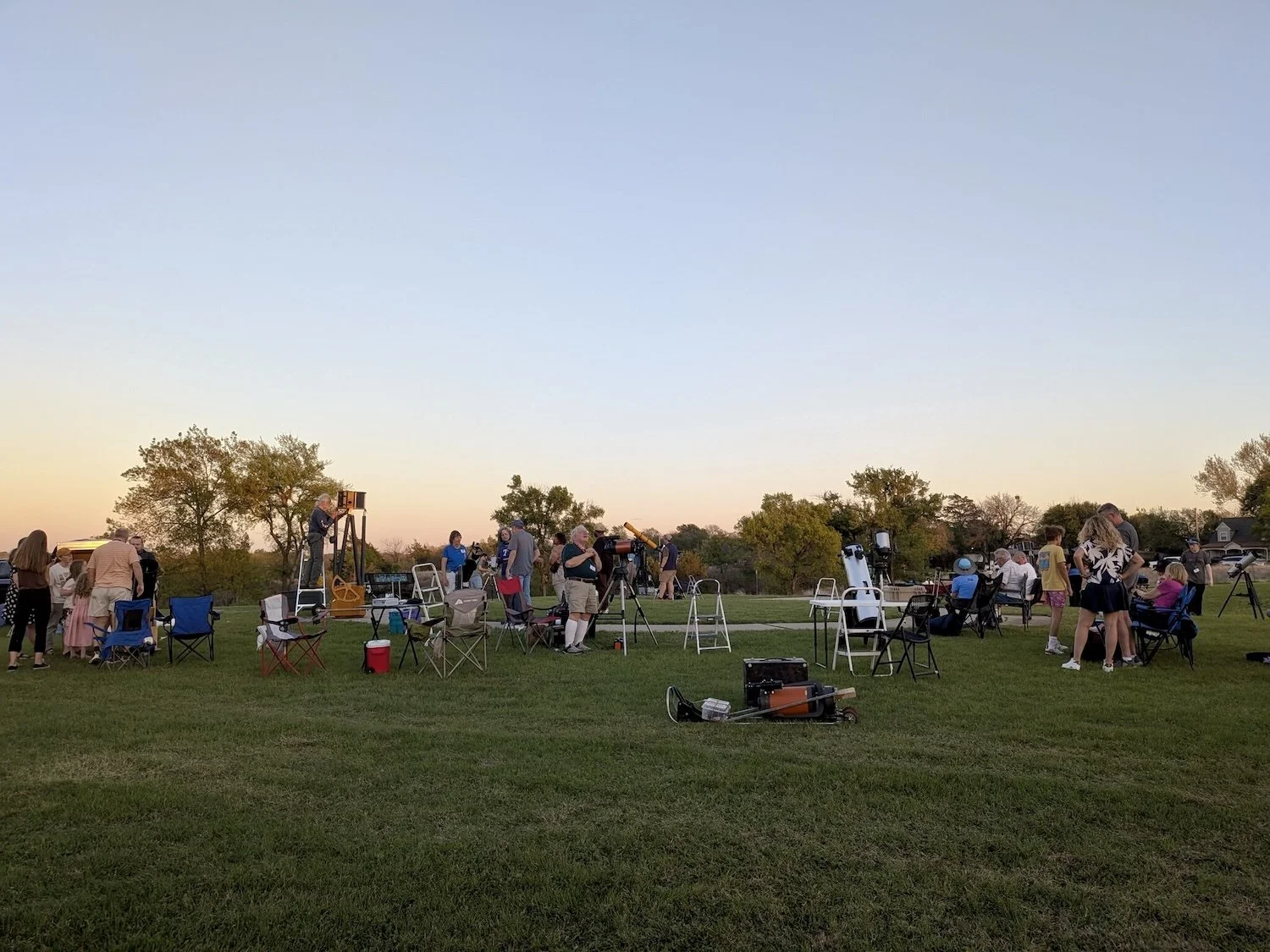
The Fort Worth Astronomical Society (FWAS) held their first star party of the season on March 21st, 2026. Big Thank You to all who attended. FWAS reports that, there were about 50 guests, including a troop of girl scouts. There were 13 scopes set up, including some from non-members and 16 members were present. The night was warm, but the stars shone brightly. See the complete 2026 schedule, HERE.
Fort Worth Astronomical Society representative, John McCrea, has the forecast for the next star party on April 25th:
“For our April star party, we will have our familiar spring constellations. The most popular can be seen in the night sky from about late March to late June. Although there are about fifteen springtime constellations visible in the Northern Hemisphere, seven prominent constellations stand out and are generally associated with springtime. These include Ursa Major, Boötes, Cancer, Leo, Coma Berenices, Virgo, and Hydra.
It's time to say farewell to our old friend the Pleiades*, It will still be visible early in the month. as well as Orion, Canis Major and Minor, but remember these stars set 4 minutes earlier each day and the sun sets later, so they will be gone very soon. M44 in Cancer the crab will be readily visible on the ecliptic.
On April 25th, the night of the monthly star party, the sun will set around 8:05 PM and the moon will be a 9.5-day old waxing gibbous in the Constellation Leo. The visible planet will be Jupiter, in Gemini, low in the western sky.
*The Pleiades were very important in the lives of the ancient people of Teotihuacan (30 BCE - 750 CE), in Mexico, and the Incas in Peru. The east/west line in the ceremonial city of Teotihuacan is thought to have been based on the rising and setting points of the Pleiades. The nighttime appearance was an indicator that winter would be soon. In the temple/city of Machu Picchu (1300’s CE – 1600 CE), in Peru, they had a special window for viewing it’s setting in early May, which heralded the onset of winter a few short weeks away. In both locations the time to plant and harvest crops were of existential importance.
“Echoes of the Ancient Skies” by Dr. E. C. Krupp”

8) déjà vu All Over Again
Yogi Berra understood. So did Bill Murray's character in the film, Groundhog Day. Now I do, too.
“History repeats itself over and over. There must be a way out!”
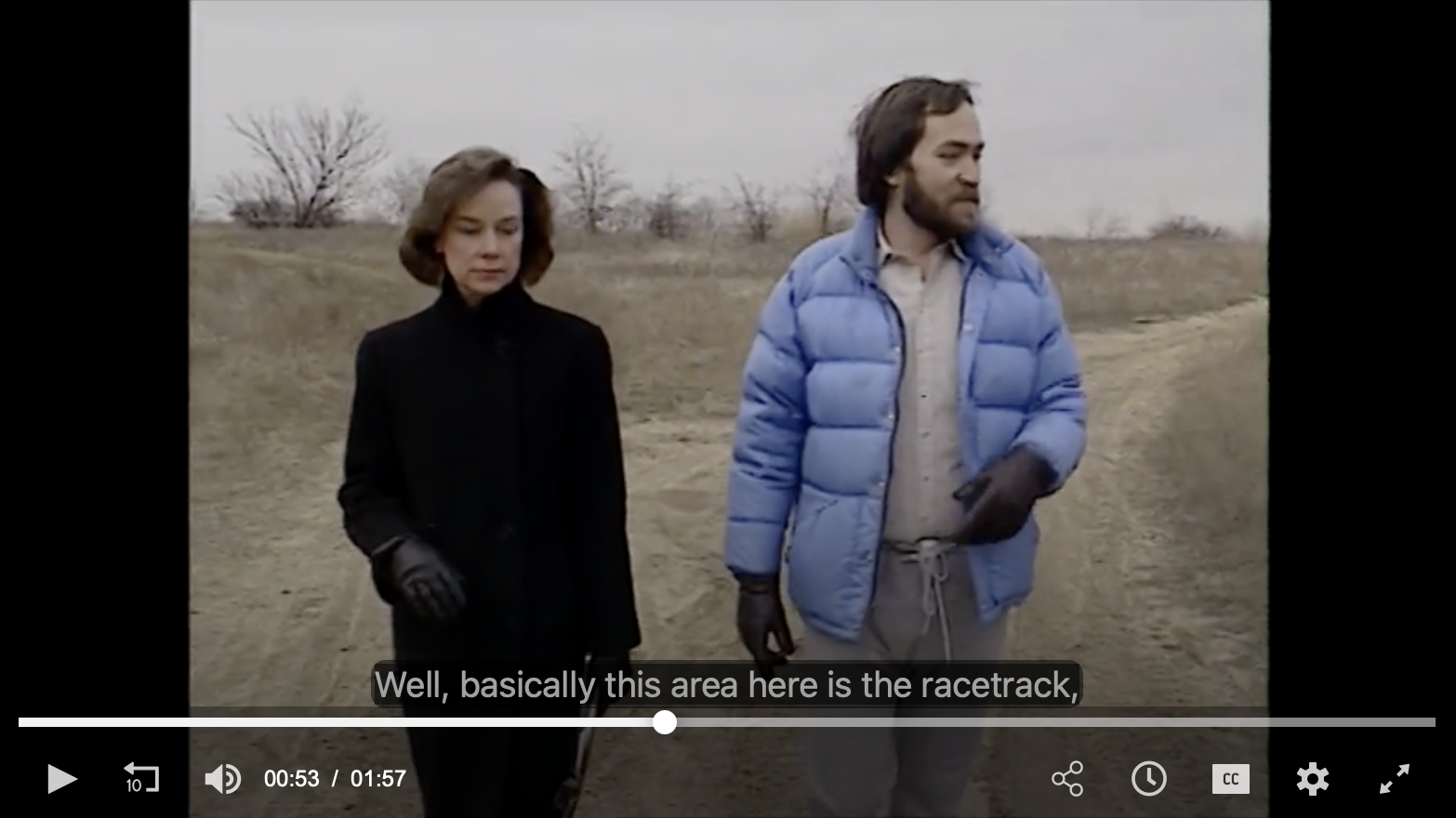
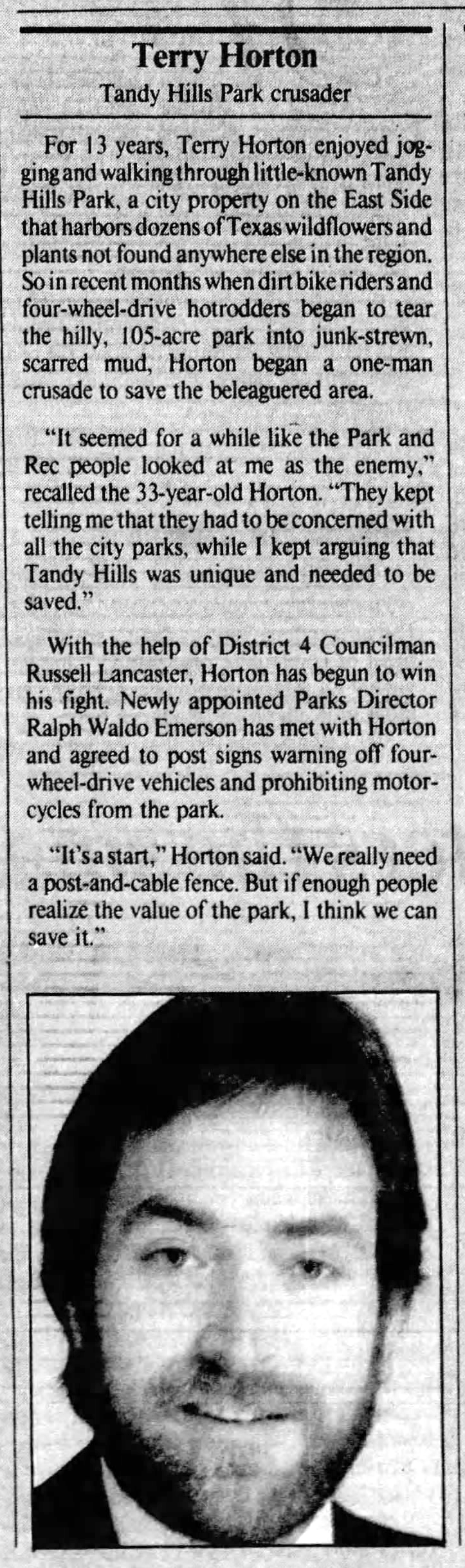
Way back in the early 1980’s, about 20 years before I grabbed the torch, a man named, Terry Horton, was passionate about protecting Tandy Hills. He played a pivotal role in stopping the extreme damage done by dirt bikers. He also had meeting with the city requesting some kind of fencing and signage, among many other heroic acts. According to Wayne Clark, the former Director of the FW Nature Center & Refuge who knew and helped Terry:
“Terry Horton was an unusual person. He lived nearby with his mother. I didn't realize at the time he was extremely intelligent person. He was an early advocate for Tandy Hills and got things started along with some of the local community. Tandy Hills ignited an interest in botany in him, and he entered graduate school at Stamford and later a Doctoral program at Rice University. I lost track of him during 90's an often wonder what became of Terry.”
I found this video last week on the, Portal to History website. It is part of the UNT Library Special Collections. In the video, Horton is doing a walking interview with a KXAS-TX reporter. Wayne Clark also makes some comments in the video. I think you will find it fascinating and VERY familiar. I tried to locate Terry Horton but he apparently left Fort Worth years ago. We are grateful for his efforts.
Watch the 2 minute video at this LINK.
9) Prairie Proverb - Comrade Nature
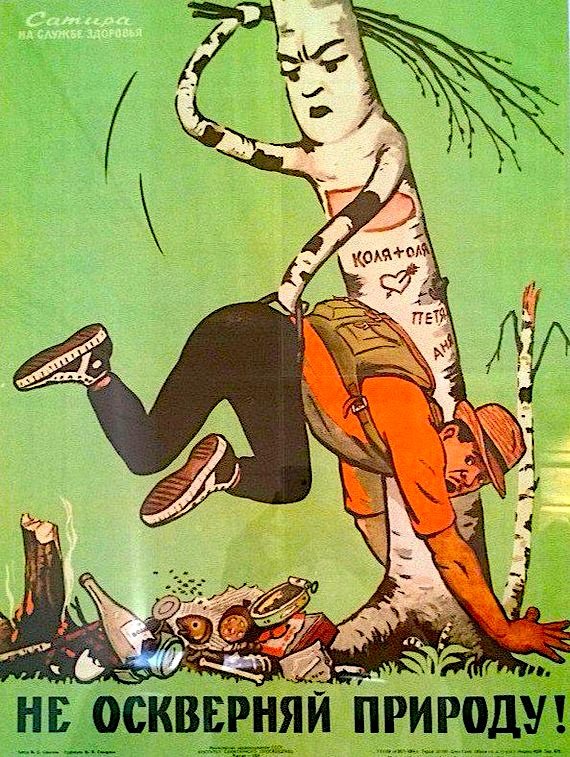
“НЕ ОСКВЕРНЯЙ ПРИРОДУ!”
Translation:
”Don’t desecrate nature!”
Become a Friend HERE: https://www.tandyhills.org/donate
Prairie Notes© is the official newsletter of Friends of Tandy Hills Natural Area, a 501 (c)(3) non-profit organization. All content by Don Young except where otherwise noted.